Why Roofing Material Warranties is Important?
sample blog
sample blog
The autumn season is almost upon the Annapolis and Southern Maryland area, and now is the time to get your home and your roof prepared.
Before you start working around the home, there are some very important roof maintenance tips every homeowner should consider.
Read on to learn about some ways you can practice good care and maintenance for your roof as fall arrives.
As the wind starts to pick up during fall, dead or old tree limbs can easily fall onto your roof. The best thing you can do to prevent this disaster is to get the trees trimmed well before fall arrives.
Pay special attention to any branches that are close to your home, and trim them back as soon as you can. Not only will trimming your trees protect your roof from possible damage, but it will also reduce the number of falling leaves that can clog your gutters later.
If you’re not experienced in tree trimming, it’s best to enlist the help of a professional. Trimming trees can be extremely dangerous, so always ask a pro to come and assist you.
Fall is the perfect season to have a professional roofing company come and do a thorough inspection. They can look for potential red flags that could cost you a lot of money and heartache later if they’re not corrected.
Some signs that your roof is in trouble include damaged or missing shingles, signs of mold, or dips in the roof itself, which could indicate a leak. An experienced roofer can determine where the issues are and make recommendations to fix them.
If the integrity of your roof is compromised, it could lead to leaks and other problems down the line. Look for things like damaged gutters and discoloration of the roof to determine if it needs repairs.
When you have a professional roof inspection done in advance, you can have peace of mind knowing your roof is in good condition. Get any issues corrected as soon as you can, so your roof will be able to handle the harsher conditions of winter.
When it comes to good roof maintenance, many homeowners forget to go inside the attic and take a closer look. If you miss a leak before winter sets in, it could make matters a whole lot worse later.
Go up into the attic and make sure you have ample light so you can see clearly. Look for any signs of water damage on the plywood and underlayment, and keep an eye out for dipping or bowing sections of wood, which indicate a potential problem.
A great way to check your attic for leaks is to perform your inspection on a rainy day. This way, you can easily see where the problems are since the leaks will happen in real-time!
Other things to look out for include mold or mildew, warped pieces of wood, and stained insulation. If you see any of these things, call in a professional roofing company to give you an estimate and make repairs before winter sets in.
As the leaves begin to change, they’ll start to fall off and land in your gutters. Clean gutters are absolutely imperative to keep the flow of water moving in the right direction and away from your roofline.
If your gutters get clogged, water will splash onto your roof and lead to cracking, mold, and all kinds of damage. Make sure your gutters are clear and clean of any debris including twigs, leaves, and other organic material.
Even if you clean the gutters thoroughly, you’ll need to keep a close eye on them throughout the autumn months just to make sure they don’t get clogged with leaves again. A good way to combat this issue is to install gutter guards.
A gutter guard can reduce the time you spend cleaning your gutters — not just in autumn, but in all seasons. The small holes in the guards still allow water to flow, but they filter out any larger debris. These guards are fairly inexpensive and definitely worth the investment to extend the life of your roof.
When you clean your gutters, use your hands and a good pair of gloves to scoop out all of the debris. A garden trowel is another handy tool to help you “dig out” any excess mess. After you’re done cleaning out the gunk, rinse the gutters clean with a garden hose.
As you rinse the gutters, pay attention to how the water is flowing. You may need to readjust some things or take a closer look at your downspouts to make sure everything is flowing in the right direction.
With a few simple and easy roof maintenance tips, you can rest assured that your roof will handle the autumn season with ease. Be on the lookout for any signs of possible roof damage well in advance so you can get it corrected sooner rather than later.
Trim all dead tree branches and keep limbs as far away from your home as possible. Call a professional roofing company for a full inspection, and check your attic for any signs of leaking.
If you’re in the Southern Maryland area, contact us today for all of your roofing, siding, window and door needs and much more.
[/et_pb_text][/et_pb_column][/et_pb_row][/et_pb_section]In 2018, more than 5.34 million homes sold. Though many were in great condition, a lot of them need a little TLC before their new owners can be completely comfortable calling the house a home.
Installing a new roof is one of the best things you can do for any new-to-you house. But with so many eco-friendly roofing materials on the market, how do you decide which one is best?
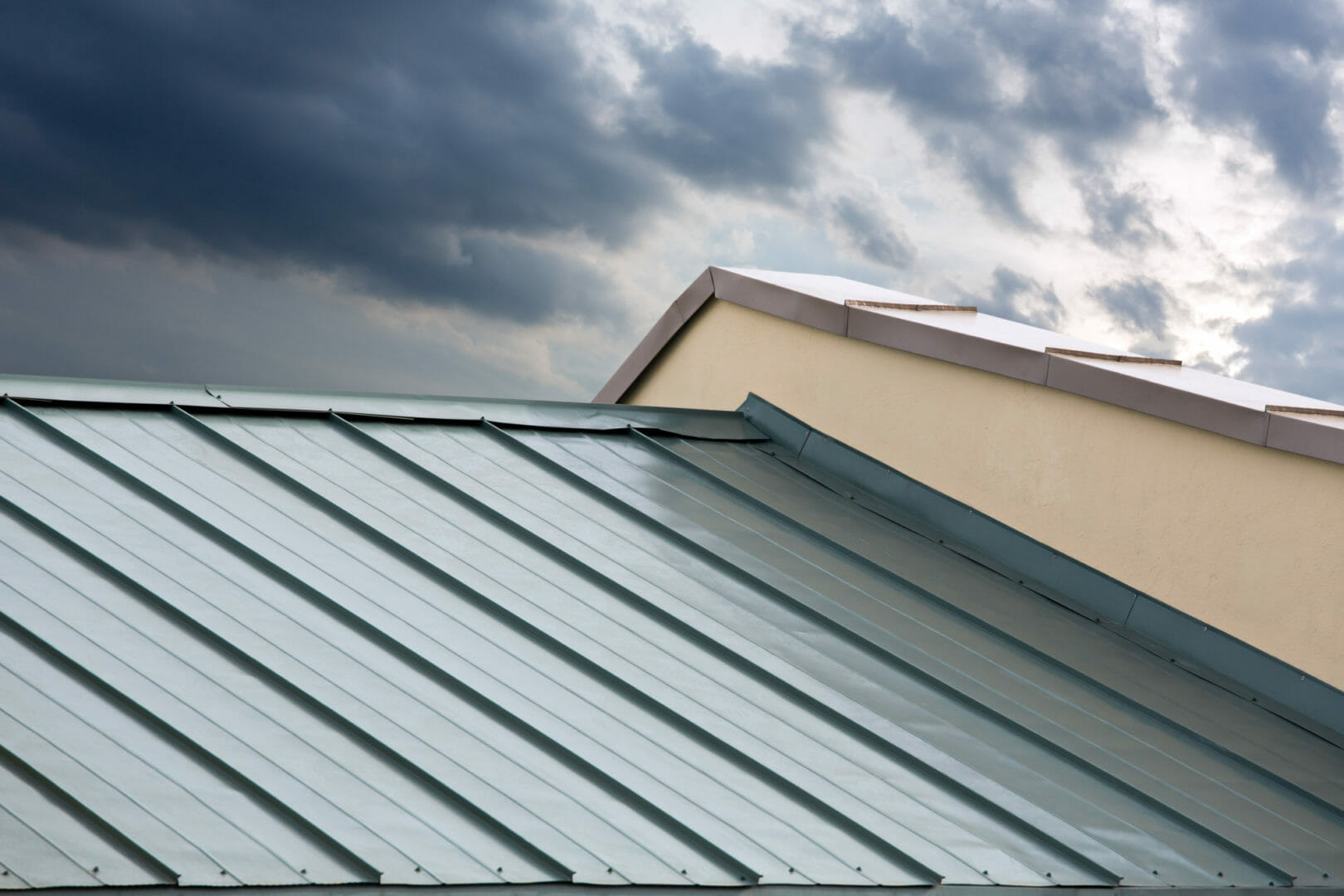
Metal roofing offers a number of benefits that other materials simply don’t. Here are a few reasons you should choose to install a new metal roof on your house.
The average roof lasts for about 20 years with regular maintenance and repairs. And if the materials get damaged in storms, you can expect to have to replace the roof sooner.
Metal roofs are incredibly durable and storm-resistant. They don’t fly loose in heavy wind like asphalt shingles do and you won’t have to worry nearly as much about water soaking through the metal panels.
The result is a roof that lasts for several decades. If you’re planning on staying in your home for the foreseeable future, a metal roof is a great choice.
When an experienced roofing contractor replaces your old roof, it creates a lot of waste. After all, the old materials aren’t reusable and have to get thrown away. In most cases, this means taking several loads of old materials to the dump where it sits in the landfill.
Sure, your roofing contractor will recycle the materials that they can. But it won’t negate the amount of waste your old roof generates.
Metal roofs are almost completely recyclable. This means when it does need to get replaced, the old materials won’t sit around decomposing in the landfill—they’ll get recycled into new roofing materials!
Traditional asphalt shingles, clay tiles, and even stone shingles all require regular maintenance to fully protect your home. If even a single shingle is out of place, your home is at risk for water damage.
When installed by an experienced professional, metal roofs require much less ongoing maintenance. You’ll still want to get the roof inspected each year to make sure there’s no rust or loose flashing.
But because it’s more durable and less susceptible to storm damage, you won’t have to worry about frequent and expensive maintenance.
Believe it or not, metal roofs help cut your heating and cooling costs significantly.
During the heat of the summer, they reflect the sun away from your roof helping keep your attic and upper levels cooler. During the winter, they absorb what heat they can to keep the upper levels warmer.
When the temperatures vary less inside your home, your HVAC system won’t run as often. The less it runs, the more you save on energy costs.
And with the average person paying more than $1,200 per year on electricity alone, saving as much as you can is always a great idea.
Believe it or not, installing a new roof, no matter what type of materials you use will add value to your home. It reduces the risk of water damage and helps keep the house safe from the elements.
But because metal roofs are so long-lasting, they increase the value of your house far more than other materials. If you’re planning on selling your home in the next 10 or more years, a metal roof is a great choice. You’ll be able to ask a higher price for the home because the roof will still be in great shape.
Surprisingly, metal is one of the safest materials on the market. They’re not any more susceptible to lightning strikes than other materials. But they are completely fire resistant.
If your neighbor’s house catches fire, wayward sparks won’t ignite a blaze on your roof. And if lightning does strike, you won’t have to worry about the roof going up in flames.
Weight is always an issue. The people who built your house did so with a specific type of roof in mind. For most homes, this means an asphalt shingle roof—one of the lightest roofing materials around.
The attic structure can support the weight of the shingles easily. But if you wanted to upgrade to tile or stone, you might end up paying more to get the support structure reinforced.
Metal roofing is lightweight and can get installed on almost any house without significant modifications to the structure.
For most homeowners, the neighborhood homeowners association determines the colors you can have on your roof. If the colors don’t match up with their list of acceptable shades, you’ll have to find a different option.
Metal roofs come in almost any color you can imagine. This makes it easier to match the neighborhood’s aesthetic and appease your HOA.
Just remember to double-check with your HOA before starting any work. Some neighborhoods restrict the types of materials you can use in addition to color.
If you install the wrong roof anyway, you could end up facing costly fines. Worse, they could ask that you remove the roof and start over with approved materials.
It might seem like metal roofs would be louder than other materials. But this isn’t the case with modern metal roofing.
It all comes down to the insulation beneath the metal. When installed correctly, the roof will be as quiet as any other material on the market. You won’t have to worry about rain drowning out the sound of your television.
Every house will eventually need a new roof. When the time comes, ditch your standard asphalt shingles and upgrade your house with high-quality eco-friendly roofing options.
Contact us today to schedule a free estimate and see the difference that a metal roof can make for your home.
More homeowners are calling up their roofers. According to research, sales increased by 14% last year. So why the increase?
Most people choose a traditional pitched roof (a roof with two slopes at more than 10-degree angles to make a peak). There’s another option not enough people consider, though.
Many people are starting to see the benefits of flat roofs in Southern Maryland. If you’re thinking of raising (and flattening) the roof yourself, keep reading!
Here are the top five benefits of flat roof homes.
One of the most noticeable benefits of a home with flat roofs in Southern Maryland is the expense.
From start to finish, the entire process becomes a lot cheaper. That includes everything from choosing roofing materials to building and installing the actual roof.
When your roof is cheaper to install and build, maintenance and upkeep become cheaper as well.
Labor is even cheaper because contractors are less at risk when they install a flat roof. The work is also faster and less stressful.
If you want to install solar panels, that’s cheaper, too!
Installing solar panels on a flat roof house can save you electricity and future expenses.
Flat roofs also offer architectural appeal at a lower cost. As long as you maintain your roof, a flat roof is an economical option. They’re also easier and less time-consuming to install, meaning you don’t have to wait as long to move into your new home!
Other future expenses can include damage and repair costs. Your roof is bound to experience some wear and tear over the years. Severe storms can also cause some damage.
However, these damages won’t become as expensive to fix.
If you do experience damages, they’re still not as expensive or common compared to sloped roofs.
According to Home Advisor, roof repairs cause an average of $830 in the United States. Most homeowners spend anywhere between $351 and $1,348.
The repairs you need could range from a leak to missing granules.
Other common repair needs include:
If your flat roof home does require repairs, it’s easier for a contractor to get the job done.
A flat roof is also more stable than a sloped roof, especially if the building is smaller. This makes it easier for the contractor to pinpoint the problem and get to work.
Repairing a slanted roof requires a lot of time, material, and effort. In addition to being more costly, that also means you need to schedule a big chunk of time out of your life. In the case of a flat roof, however, some repairs can get done in a single day.
Don’t try to deal with these roofing issues on your own. Instead of taking the DIY approach, read over this list of risks. Hiring a contractor instead can keep you from ruining your roof and dealing with repairing those costly mistakes.
If you don’t have a giant front or backyard, don’t let that stop you! Flat roof homes offer the option of expanding your space. Now you have access to useable space—not in your yard, but up above!
Whether you’re dreaming of creating an outdoor lounge, setting up a garden, or using a corner to barbeque, you have the room.
Remember, there’s also enough space for you to set up solar panels. Designate a different corner of your roof to different uses. It’s up to you!
The possibilities are endless. Let your imagination soar and discover new ways to make the most of the additional outdoor space.
Now, you don’t have to let limited yard space or a narrow lot narrow your opportunities.
A flat roof home doesn’t just expand your outdoor space. It can also give you more room to work with inside as well.
What will you do with your additional interior space?
Without the sloped walls limiting your space, there’s more room to work with. For example, you can consider creating a top floor apartment or finished attic. If you have a big family or want to rent out a room, a flat room home is ideal.
You might also decide to add an air conditioning unit in your roof instead of in the ground. With a flat roof, you have the space to have solar racking installed.
Remember when we said flat roofs are easier to access than slanted roofs?
That means they’re easier to clean, too!
If you need to clean out your gutters, you won’t have to struggle to find the right spot for your ladder. Meanwhile, hiring someone to clean your roof for you becomes far less of an expense.
Flat roofs are easier to maintain. They’re also safer to inspect. In addition to making it easier to clean gutters, you can also check your sidings or patch a hole without stress.
The next time you head up to your roof to patch a hole, you won’t need to worry about finding your footing. You won’t have to struggle to maintain your balance or keep from falling, either.
However, you might still have to worry about your fear of heights.
It’s time to raise the roof…or rather, flatten it. Make the most of these five benefits of flat roofs in Southern Maryland for your home. With these benefits, you can make the most of your space, cut down on added expenses, and experience an easier time cleaning up.
Need a little help with your next roofing project?
Contact our team today for a no-pressure estimate. We’re happy to help!
Saving thousands of dollars is something we all would love to do! Doing your own roofing job might seem like a great way to save some money, but slow down a little bit first.
Besides the foundation your house sets on, your roof is the most important structure.
Your roof is a significant investment that when done right will provide you with leak-free protection for decades.
If not done correctly, not only can it ruin your roof, but it can cause a multitude of problems that will far surpass any amount of money you may have saved by doing it yourself.
If you want to avoid costly mistakes, read on to see why hiring a professional could be your smartest move.
Any roofing contractors worth hiring will show you their licenses and insurance information.
Licenses are not given to anyone, but only to those who have demonstrated the skill and level of knowledge required to get a license.
You can’t replace the years of experience roofing contractors possess by watching a few how-to videos on youtube.
You may be able to get the basics down, but not the years of learning how to do the job correctly.
Roofing contractors learn techniques and procedures proven over the decades to provide the highest quality leak free roofing.
Every day, someone falls from a ladder, a platform, or even a roof. Some are lucky and only sustain minor injuries or maybe a broken bone.
Others are not so lucky, and their families are the ones who suffer from the fall.
This is not to make light of a difficult situation, but to point out that if you do not have the training, equipment, or knowledge, roofing can be dangerous and even deadly.
If you are new at doing something and learning a new skill, you’ll usually focus most of your attention on doing it right. For some things, this is not too much of an issue, but a rooftop is no place for distractions.
If you have never taken an old roof off and put a new one on it will take you more time than it will for an experienced roofing contractor.
It goes without saying that if you take on a DIY roofing job for your home, you will come across issues you weren’t expecting and may not know how to address.
It’s a given that the unexpected adds time onto projects as well as money and resources. You may end up spending more money and resources.
You will end investing more time and money if you make a mistake like measuring wrong, damage roofing materials and rendering them unusable, installing something wrong, or buying the wrong material.
If you make mistakes, you foot the bill, whether it’s during the installation or a year later if your roofing job leaks.
There may be a warranty with your shingles, but it will only be for any material defects. Many shingle manufacturers will only honor their warranty if a licensed roofer installs them or the warranty is voided.
If you hire a licensed contractor, you will benefit from professional roofing warranty protection that will cover any damages that are a result of improper installation. It will also keep the material warranty intact.
Something that we mentioned before was techniques used by professional roofing installers.
The truth of the matter is that a professional roofer knows the right techniques to use and the right roof for your home. They can provide you with a properly installed roof that will give you years of worry-free use.
The techniques that are most commonly done incorrectly with a DIY roofing job are:
Anyone of these mistakes can allow water to seep in through your roof, causing damage that could be costly.
Having a knowledgable, experienced roofing contractor install your roof means that they will also inspect your roof after the tear off.
An experienced licensed roofing contractor will be able to determine if the decking is good and up to code. They will be able to find past mistakes from previous installations and know what to do to bring it up to code.
There may be issues that the untrained eye would not be able to recognize. A roofing contractor will spot these problems and help protect your home from further damage, like wood rot and mold.
You may spend some more money up front if you use a licensed roofing contractor, but considering all that they provide, you stand to lose more than you could gain.
We have listed some excellent reasons for choosing a licensed roofing contractor, but we are not suggesting that you hire any contractor.
Not all contractors are the same or will fit your specific situation. Pricing, customer ratings, and responsiveness are essential. What’s most important is that they can do the job you need them to do and do it right.
Finally, a roof can be costly, so you need to know that it will be cost effective, high quality, and installed by a contractor that backs up their work.
Warranties mean very little if you cannot get the contractor who promised to repair their mistakes. A contractor offering the lowest price does not make their offer the best one.
Taking everything into consideration is essential when making your decision on which contractor to hire.
When you are ready to have a new roof put on and want the best roofing company in Annapolis MD, contact us today. You will be glad you did!
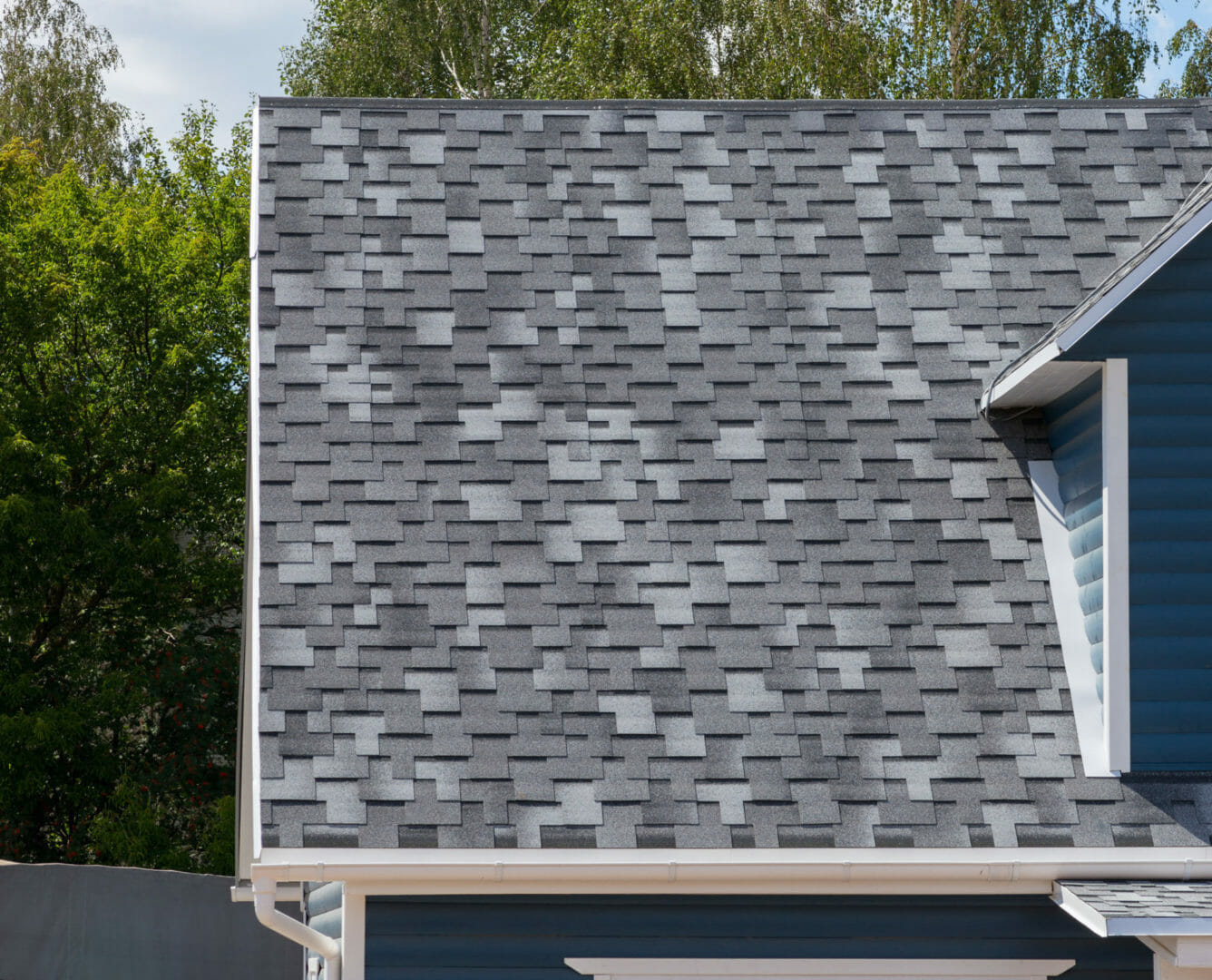
Asphalt shingles are one of the most common roofing materials for both residential and commercial properties, and for good reason. These thin shingles have many distinct features that can benefit your property.
Understanding a few of the largest advantages of choosing to install an asphalt roof can help you determine if asphalt shingles are the right choice for your home.
One of the largest benefits of asphalt shingles is their cost. Since it is so widely available, you can easily find a style within your budget. This makes asphalt shingles the ideal choice for homeowners with a tight roofing budget.
Of course, if you want thicker shingles or a specialized appearance, more expensive options do exist. This means that asphalt shingles will always be able to fit the needs and budget of your project.
Another thing to note about asphalt shingles is that they are easy to install. In fact, they need no specialized equipment besides a hammer and nails. This makes it easy to install asphalt shingles on flat or sloped roofs, no matter their size.
This makes it easy to repair or replace damaged shingles yourself in a pinch. It also shortens the installation time for your roof and reduces associated labor costs and the disruption to your property.
The light weight of asphalt shingles also means that your roof does not need extra support. This is a problem that can drive up the costs of heavier roofing materials like slate.
Unlike other types of roofing materials, you can choose asphalt shingles made from recycled materials. While this does represent an added expense, it improves the environmental friendliness of your property.
Further, you can recycle all your asphalt shingles if you ever remove them in the future. They will be melted down and turned into pavement or similar material. In 2017, just under a million tons of asphalt shingles were recycled into pavement.
Asphalt shingles come in many different colors and shades. This gives you the chance to customize the appearance of your roof. You can decide to make it unique or blend it into the appearance of your siding and other exterior surfaces.
You can also choose laminated asphalt shingles, which are thicker than traditional shingles. They can provide visual texture to your roof, and offer a more durable protective layer to your property. Laminated shingles can even mimic the appearance of wood, clay tiles, and other roofing materials.
Another thing to note about asphalt shingles is that they are very good at muffling sound. Unlike metal roofing, they will not make noise when rain, snow or hail hits them.
This is even more relevant if you choose to install laminated shingles. The added material will muffle noise even further. This makes asphalt shingles a great choice if you live near a major source of noise, like a school or highway.
Asphalt shingles come in a range of different colors. Lighter shades and shingles made to be reflective will prevent your roof from absorbing sunlight. This can help keep your home cool during the summer.
By keeping your home’s interior cool, asphalt shingles can reduce how long your air conditioner needs to run for. This can translate into large savings on your energy costs each month and can pay against the cost of your roof.
Asphalt shingles are resistant to wind damage if properly maintained. While each manufacturer will offer a different warranty length, in general, you can expect your roof to be covered for at least 15 years.
There is even evidence of shingles older than 30 years standing up to Hurricane Ivan in 2004 – though they were properly maintained and repaired as necessary beforehand.
Another benefit of asphalt shingles is that they come in fire-resistant variants. You should look for shingles that come with a Class A fire rating, which means that fire will not easily ignite the shingles and will spread slowly over their surface.
Most of the time, Class A shingles will be reinforced with another material, like fiberglass, that won’t burn. While this does represent an added cost when compared to regular shingles, it is well worth the peace of mind – especially if you live in an area that
Additionally, asphalt shingles are a low maintenance roofing material. Regular cleaning once or twice a year, usually before and after winter, and a professional inspection once a year is more than enough to stay ahead of any potential issues or leaks.
As already mentioned, it is very easy to replace damaged or torn shingles. The repair process consists of removing the shingle above the damaged shingle, taking the nails out, and nailing a new shingle into place. The entire process can be completed in a few minutes, and you can even do it yourself if you have basic tools and construction knowledge.
If you have any questions about installing or maintaining an asphalt roof, don’t hesitate to get in touch with us. Our team of roofing professionals are the best in Annapolis and can provide you with the information you need to make an informed decision.[/et_pb_text][/et_pb_column][/et_pb_row][/et_pb_section]
Did you know the edge of your roof not only affects your whole roof but many additional parts of your home?
That’s right.
A poorly designed roof-edge can compromise the condition of your roof, damage your fascia board, decking, siding, and even erode your home’s foundation. That’s why roof conditions and design influence your home insurance rates and the value of your home.
But don’t worry.
We’ve got the secret edge to protecting your roof and your home exterior. Keep reading to learn about roof drip edges and why you need one.
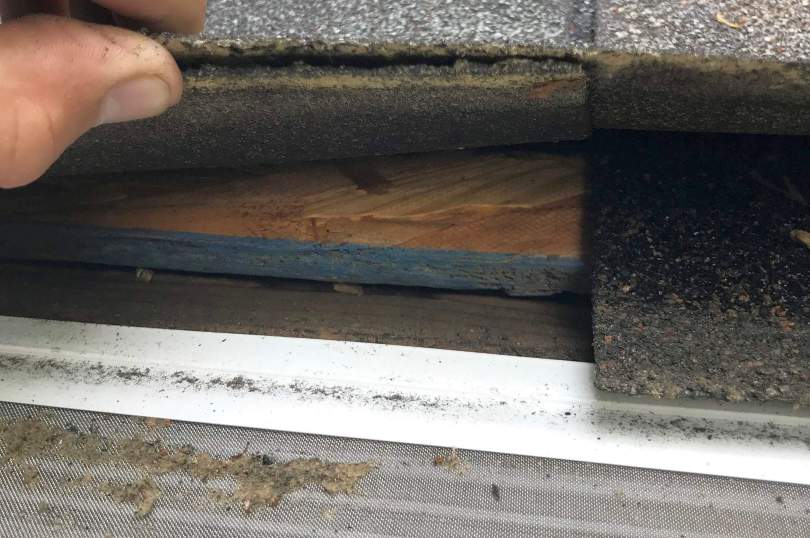
A roof drip edge is a type of metal flashing designed to protect your roof from water damage. It is installed at the edge of the roof beneath the roofing and overhangs the sides of the roof.
The bent design allows the drip edge to keep water flowing away from the roof and the fascia. This prevents erosion of the fascia board by keeping it dry and keeps water from getting under your roofing.
One of the best things about roof flashings is they are extremely durable. They are waterproof and made of non-corroding and non-staining components such as copper, aluminum, or steel.
There are three main types of drip edges.
No matter the type you choose, each roof flashing will get the job done and provide extra protection.
Drip edges do more than keep water away from your roof and fascia. They offer many protective advantages for your home.
The design of drip edges allows it to completely cover any gaps that lay between the fascia and your roof. This keeps water, especially wind-driven water, from your roof foundation. It also keeps out insects and small animals that could harm your decking, roof, or get into your attic.
Nobody wants to find mice in their home due to a gap in their roofline. Luckily with a drip edge, you won’t have to.
Keeping water away from the fascia board as well as the edges of your deck or patio adds additional protection and longevity. Drip edges will keep your railing, posts, and outdoor surfaces protected from water damage.
Roof flashings will also protect your home’s foundation. Over time, standing water near your foundation can cause the foundation to erode and lead to some major problems.
Keeping water away from your home’s exterior parts and foundation means saving you money in future repairs.
Obviously, protecting your roof and roofline from water damage and erosion will greatly increase the lifespan of your roof. In addition, having consistent water flow away from the roof will help keep it clean of dirt and algae, things that can cause rotting.
Protecting your roof from the elements means extending the life of your roof, saving you money, and maintaining your home’s value.
Snow and ice are hard on your roof. With roof flashings, you have extra protection for your roofline during the winter months.
For example, ice cycles will build on the sturdy drip edge rather than the less sturdy fascia board or shingles. Heavy snow won’t be sitting on your roof edge and weighing it down.
With the assistance of the drip flashing, water moves more easily into the gutter and maintains a continuous flow. This means your gutters get to do their job more efficiently and effectively.
It also helps means less clogging of the gutters because the water will help keep things moving along. Hooray for less time spent cleaning out those gutters!
The drip edge is nailed into the roof decking at the edge of your roof and then connects to the fascia board below. This helps provide extra support to prevent movement of the deck boards and fascia.
Because the foundation of your roof is essentially the heart of your roof, having sturdy roof decking is of extreme importance to prevent malfunctioning. With a roof flashing, you’ll have extra stability and less worry.
Many may think if their shingles extend over the edge by a few inches this will be enough to keep water away from the fascia and home. However, roofline shingles wear and tear easily, meaning they are prone to breakage especially in stormy or wintery weather.
Having a drip edge will provide additional protection under the shingles to ensure water, snow, and ice stay away from the foundations of your home.
A roof drip edge protects your roof and fascia from water damage, extends the life of your roof and decking, and protects the exterior parts of your home. With the right drip edging, you can enjoy your home and the outdoors without having to worry about weather damage.
To learn more about roof edge installation in Southern Maryland and Annapolis, check out our roofing products and services. We can install a roof drip edge that will fit the design of your desire and the budget you need.
Contact us today to learn more and schedule a free no-pressure estimate.
[/et_pb_text][/et_pb_column][/et_pb_row][/et_pb_section]Roof repairs don’t come cheap.
For instance, the national average for repair work is $815 each time. However, according to the same source, the cost can reach in excess of $4,500 in serious cases.
That’s a lot of money, especially for an unexpected expense! Clearly, it pays to take the time to properly construct and maintain your roof.
The most common problems tend to involve missing shingles and leaks caused by bad weather conditions. Don’t repair it, and the problems can escalate! Thankfully, one way to prevent such leaks and minimize damage is with quality roof underlayment. The right underlayment can make all the difference.
But you might never have even heard of it! How on earth can you expect to know which is best for your home?
Keep reading to learn all about underlayment and how to choose it for your Southern Maryland property.
Your roof is what keeps your home safe from the elements every day, right?
You already know that.
But you might not know that what’s known as the ‘underlayment’ plays a key role in that process too. This vital element is placed beneath your main roofing material (known as the shingle). It’s a semi-breathable waterproof (or resistant) barrier that gets laid directly upon the deck of your roof.
Think of it as an extra layer of defense. It protects you from particular harsh weather conditions when the shingle fails somehow. It also allows the house to breathe- humidity and air can still leave the roof as required.
You can’t afford not to have underlayment.
That’s especially true in places like Southern Maryland, where the weather can be particularly extreme. Likewise, it’s important to have the right type fitted.
Indeed, not all underlayment is created equal. Some are better than others for meeting specific housing needs.
Below you’ll find the different types of underlayment available.
Also known as ‘felt paper’, this option is usually a cellulose-based sheet of felt that’s been coated in asphalt. Think felt that’s saturated in asphalt to provide a level of water-resistance. An adhesive coating on one side assists installation.
Felt was the go-to underlayment for many years.
Indeed, it’s generally inexpensive versus other types. But it’s thicker and heavier, and generally less water-resistant too. Water absorption can be a problem.
Synthetic underlayment is a plastic sheet that combines polymers and polypropylene. It’s also saturated in asphalt to satisfy its waterproofing requirements. A fiberglass addition is sometimes included to increase its durability.
It’s more expensive. But it’s lightweight, better at resisting moisture, and generally offers increased water-resistance.
Combine greater levels of asphalt and rubber polymer to create this type of underlayment.
The most expensive option, compared to the aforementioned options, rubberized asphalt isn’t a ‘whole-roof’ design. It isn’t usually used to cover the entire roof. Instead, it’s best used in certain places. These include valleys and at roof bulges and bumps.
Rubberized asphalt is a fully waterproof and useful addition to homes in places that have extreme winters.
Now you know what it is and the different options out there. Let’s turn to 5 considerations when choosing it for your Southern Maryland home.
Sometimes you need to build or repair your roof fast.
In these situations, felt underlayment is a decent bet. Roofers can’t afford to leave it exposed to potential bad weather, so shingle is generally attached as soon as possible. Moreover, by nature, it’s easy to install and requires less labor than other types.
Indeed, synthetic underlayment is more challenging to install. That amounts to higher labor costs and general expense all-around.
However, longevity should be of paramount importance too.
You don’t want to require frequent repairs and replacement.
And that’s where felt can let you down. It’s true that in the right conditions, quality felt can last over a decade. But that isn’t always the case.
If you have time at your disposal, then synthetic options are generally preferable. They fit better, are of greater durability and are less likely to struggle with inclement weather.
Climate always plays an important role when deciding the best underlayment.
Synthetic materials tend to be suited to hotter areas, as well as those that receive large quantities of rainfall. Similarly, synthetic options offer good UV protection, which is a boon in sunny
climates. Heavy-duty felt is sometimes preferred in locations known for snow and wind.
The material of your shingles should also be taken into consideration.
This top layer has an impact on the effectiveness of the underlayment. For instance, metal roofing may demand synthetic styles of underlay. That’s because heat is trapped more easily and synthetic underlayment is known for its heat resistance.
Traditional shingles, such as tile, may be better-suited to felt.
Housing costs are normally front and center of home-owner decision-making.
After all, housing repairs and construction never come cheap. If the price is your foremost concern, then felt is typically a better bet. Generally speaking, synthetic underlayment is the more expensive option. Rubberized asphalt is the most costly.
That said, rates do vary depending on the specific materials and the labor costs involved.
Likewise, a more expensive option upfront can save you money long-term. Going for an expensive underlayment that’s better suited to your location (compared to cheaper options) is an investment.
It will save you money in ongoing repair work down the line.
There you have it: a complete guide to buying the best roof underlayment for homes in Southern Maryland.
Roofing repairs don’t come cheap. It’s in the interest of every homeowner to take proactive steps in avoiding them wherever possible.
Of the numerous ways of doing that, fitting quality roof underlayment is of utmost importance. This protective barrier can make all the difference when the weather turns. Which, as we all know, can often be the case in Southern Maryland!
Hopefully, the information above will help you choose the best material for your particular roofing needs.
Want help with your roofing needs? Be sure to contact us today to see how we can be of assistance, and for a no-pressure estimate.

As many as 40% of all American homeowners claim to have experienced some kind of loss as a result of water damage. Needless to say, leaky roofs are a leading cause of this destruction.
So, if you think your roof needs repairs, don’t delay. Here are a few things you need to know if you want to hire the best house repair, contractor. Let’s dive in!
A decent roof does more than just keep the rain out; it also helps to regulate the overall temperature of your home and protect its structural integrity.
Leaks no matter how small can eventually cause long-term structural damage. By this we mean you could suffer from issues like:
If this gets out of hand, your home could eventually be declared as structurally unsound and unfit for human habitation.
When it comes to finding and hiring the best possible roofing companies, you need to have a look at their previous experience. For instance, have they completed projects similar to yours? If so, what was the quality of their work like?
Answering these questions is essential for ensuring you get value for money and more importantly a roof that protects and shields your home from the elements.
Take a look at their website and get a feel for the kind of work they specialize in. Most top-quality roofing companies will be able to help you with all of the following repairs:
Keep all this in mind as you create a short list of potential contractors. Make sure you get at least three potential businesses to take a look at the job and provide you with an estimate. This will give you a more accurate feel for the sort of price you should be paying.
Ideally, you’ll have a recommendation from someone you trust or a reputable trade association. Neighbors tend to be the best port of call for proposals because you’re likely to have a similar kind of roof.
Failing that, head to Google and see if you can find any online reviews. If people have had a bad experience, there’s a good chance they’ll have posted about it on the internet somewhere!
Unless you’re seeking a quote for smaller emergency repairs, make sure your quote is sent to you in writing (an e-mail will suffice). This limits the chances of getting lumped with a significantly larger bill once the work is completed.
However, you should note that most ‘estimates’ for repair work can fluctuate once the main covering is removed. This exposes the structure beneath and gives the contractor a clearer picture of what they have to work with. Once they have that info, they’ll be in a better position to provide you with a more accurate final cost.
The short answer to this is; maybe. Our advice to homeowners is that you shouldn’t automatically go for the cheapest option. Instead, center your decision on whether the company has a proven track record of producing top-notch work.
Here are three questions to ask any potential roofer before hiring them. Again, this will help to ensure you pick someone who won’t let you down.
You want to find out whether your potential contractor is part of the MHIC; this is required of all licensed contractors in Maryland including Annapolis. If your chosen contractor is not part of this organization and can’t provide you with their MHIC #, RUN THE OTHER WAY.
You can be confident that members of the MHIC will compensate you in the event you suffer the effects or poor workmanship. The same is true if your contractor refuses to execute work as per an agreed contract.
A good quality roofer will take pride in their work and therefore have confidence their repairs will stand the test of time. So, they should always offer their clients a warranty (because there’s no reason for them not to!) If they don’t, it’s a major red flag!
Some roofing companies offer warranties as long as 15 years. Obviously, the longer the guarantee, the higher the chance you can rely on their service.
This question is key to getting a better idea of your contractors schedule. You want to establish how many hours a week they can dedicate to your project so you can get a reasonable understanding of when the repairs will be finished.
We hope this blog post helps you find and hire the best house repair, contractor.
If you think we could help you with your upcoming project, then please feel free to reach out and contact us. We’d love to help point you in the right direction and provide you with professional advice.
[/et_pb_text][/et_pb_column][/et_pb_row][/et_pb_section]Does your home’s roof have a tiny leak in it? If so, you might be tempted to hold off on making repairs to it since it might not seem like it’s having much of an impact on your home.
After all, the average cost of a roof repair is right around $800. So why pay that much money to make a repair to a leaky roof when the leak might not be that bad yet?
This is the wrong attitude to have. While you might not love the sound of spending hundreds or even thousands of dollars to repair a leak in your roof, it’ll prevent you from encountering all kinds of problems down the line.
Here are 5 dangers you could face if you choose not to repair a leaky roof right away.
If you have a tiny leak in your roof right now, it means you have a small hole in the roof that’s allowing water to enter your home. But if you don’t do anything about that small hole, it’ll only be a matter of time before it grows larger.
It’ll also only be a matter of time before water is able to seep into the lower levels of your roof and cause them to rot. When this happens, it’ll make portions of your roof weak—and it could even cause them to collapse at some point.
What was once a small problem with your roof will suddenly be a big problem that’ll force you to either make major repairs to your roof or replace it altogether. And roof replacement will cost you a whole lot more than it would have cost to repair your roof in the first place.
At first, a tiny leak in your roof won’t allow much water to work its way into your home. But as the leak intensifies, more and more water will be able to find a way into the upper levels of your house.
If you have an attic in your home, the water that sneaks in through the hole in your roof will start to do damage to it right away. It’ll cause damage to:
In some cases, water can also get down to your wall framing and do damage to that as well. If and when that takes place, it could make your entire home structurally unsound.
Water will also ruin almost everything that you keep up in your attic. From your Christmas decorations to the family heirlooms that you have stored up there, they’ll all be at risk when they’re exposed to water.
It’s why it’s a good idea for a homeowner to poke their head up into an attic space every now and then to inspect their roof from the inside. If you see sunlight shining through any portion of your roof, it’s reason enough to call on a roofing company to come and inspect your roof.
Most homes have electrical wiring running through their attic spaces. This is one of the most practical places for electricians to put wiring when they’re first installing an electrical system in a home.
The problem with this is that it could put electrical wiring into harm’s way if there is ever a leak in a roof. When electrical wiring is exposed to water on a regular basis, there is a chance it could short circuit and cause a fire to start.
If you ever have a leak in your roof and suspect it may have led to electrical wiring getting wet, it’s smart to get in touch with both a roofer and an electrician. The roofer can make repairs to your roof to stop water from coming into your home while the electrician works to make repairs to your electrical system.
When water first starts leaking into your home as a result of a tiny hole in your roof, most of it will end up in your insulation. But eventually, the insulation won’t be able to hold it back anymore, at which time it’ll come into contact with your home’s ceilings.
You’ll be able to tell that this is happening by looking at the ceilings located right under your attic. When they get wet, you’ll see dark spots on them that will indicate an issue.
Believe it or not, there are some homeowners who will try to “fix” this problem by painting over the spots. But this won’t take care of the root of the problem. Water in your attic space will continue to damage your ceilings until they give way and collapse.
If you allow a leaky roof to spiral out of control, it’ll do more than cause damage to the rafters, insulation, and ceilings in your home. It’ll also promote the growth of mold and mildew.
Mold and mildew will often begin by growing in your attic space. But over the course of just a few months, they can also spread to other parts of your home.
Once you have mold spores in your home, your HVAC system can take them and move them throughout it. It won’t be long before you have mold and mildew growing in various parts of your house and causing a whole host of health problems for you and your family.
Repairing a leaky roof might sound like the last thing you want to do right now. But if you don’t do it, there will be consequences.
Failing to fix a leaky roof could put your entire home in jeopardy and lead to serious health issues if you’re not careful. It could also force you to do roof replacement way sooner than you may have hoped.
Contact us today to have roofers come out to your home to fix the leak that you have in your roof.
[/et_pb_text][/et_pb_column][/et_pb_row][/et_pb_section]
G.H. Clark Contractors is the best choice for all your home exterior needs including roofing, siding, windows, doors, gutters, decks & porches. All products and installation are guaranteed.
530 Main St.
Prince Frederick, MD 20678
Maps & Directions
Phone: (410) 414-7060
Showroom Hours:
By Appointment Only