What Is the Best Roof Color for Maryland Homes? Style, Energy, and Resale Considerations
Choosing a roof color for a Mid-Atlantic home is a major decision that influences curb appeal, indoor comfort, and future property value. Between the intense, humid summer heatwaves off the Chesapeake Bay and the sharp winter freeze-thaw cycles, a roof in Maryland must endure harsh thermal swings while maintaining its visual appeal.
Whether replacing an aging asphalt roof in Prince Frederick or building a new home near the Patuxent River, homeowners face a balancing act between architectural harmony, neighborhood standards, and long-term utility costs. Choosing the right shingle tone requires looking at material properties, thermal performance, and local design expectations. You should also evaluate any potential homeowners association covenants or municipal ordinances before finalizing your color selection.
How Does Roof Color Impact Energy Efficiency in Maryland’s Climate?
A roof’s color directly affects heat absorption, with dark shingles reaching surface temperatures up to 160°F during Mid-Atlantic summers. Lighter shingles and cool-roof technology reflect greater amounts of solar radiation, helping lower attic temperatures and reducing air conditioning demands during hot, humid Maryland summers.
Solar absorption plays a primary role in how a home manages heat. Darker roofing materials retain solar energy, transferring heat downward into the attic space and living quarters. In contrast, reflective shingle surfaces reflect a larger percentage of rays back into the atmosphere.
Energy standards evaluate roof surfaces using Solar Reflectance Index (SRI) metrics. Organizations like the Cool Roof Rating Council establish standards for solar reflectance and thermal emittance. Choosing reflective materials can help maintain cooler attic conditions during peak summer months:
- Lighter shingles reflect up to 20% to 30% more solar radiation than standard black shingles.
- Reduced attic temperatures decrease reliance on central air conditioning units, helping extend cooling system lifespans.
- Balanced attic ventilation works alongside reflective roofing materials to control moisture levels and lower energy bills.
In addition to solar reflection, thermal emittance measures how quickly a shingle releases absorbed heat back into the atmosphere. Mid-Atlantic homes experience prolonged solar exposure throughout July and August. When dark shingles bake under constant sunlight, heat radiates into attic insulation long after the sun goes down, forcing HVAC units to run well into the evening hours. Modern cool roofing technologies mitigate this by utilizing specially coated granules that reflect infrared radiation while preserving darker visual tones.
Should You Choose Dark or Light Shingles for a Southern Maryland Home?
Light shingles offer superior thermal performance by reflecting sunlight, making them ideal for sun-exposed homes. Dark shingles absorb heat, which can assist with snow melting in winter, but they absorb significant summer heat. Balanced neutrals like weathered wood or charcoal provide aesthetic versatility while maintaining moderate heat reflection.
Selecting between light and dark asphalt shingles involves evaluating climate exposure, home orientation, and practical maintenance considerations.
Light shingle options, including shades of off-white, light grey, tan, and soft slate, excel at reflecting solar heat. Homes on open, unshaded lots near coastal waterways benefit from these heat-reflective properties during hot Mid-Atlantic summers. However, lighter surfaces can show dirt, pollen accumulation, or algae streaks more visibly if mature trees surround the property.
Darker shingles, such as deep charcoal, onyx black, and dark brown, provide a striking visual frame for traditional home designs. While they absorb more heat, they are effective at hiding localized debris, tree sap, and environmental staining. Mid-tone neutrals like driftwood, pewter, and weathered wood strike a balance between light reflection and visual maintenance ease.
The physical location of your home in Southern Maryland plays an immense role in this choice:
- Coastal properties in Solomons, Chesapeake Beach, or Leonardtown on open water take full direct sun, making lighter or mid-tone reflective shades highly beneficial for lower energy loads.
- Heavily wooded lots in Sunderland, Dunkirk, or Huntingtown face organic debris, falling leaves, and shade, where darker neutral blends effectively conceal natural staining and tree sap.
- Suburban subdivisions across Waldorf or Bowie often feature closer home spacing, where choosing a balanced, multi-toned neutral prevents your roof from clashing with immediate neighbors.
Which Roof Colors Deliver the Best Resale Value and Curb Appeal?
Neutral, versatile roof colors such as charcoal grey, weathered wood, and driftwood yield the highest resale value in Maryland. These multidimensional architectural shingle colors complement diverse siding styles, appeal to broad homebuyer demographics, and avoid controversial color choices that could detract from market value.
Roof replacement offers one of the highest returns on investment for exterior home improvements. Prospective buyers often form instantaneous opinions based on a home’s exterior presentation, and a roof covers up to 40% of a home’s visible exterior footprint.
To maximize resale interest and protect market valuation:
- Choose versatile neutral palettes that suit various paint or siding updates.
- Avoid overly bright, trendy, or highly unusual custom color blends that may alienate buyers.
- Select high-definition architectural shingles with varied shadow lines to add texture and depth to the roofline.
- Ensure the selected shade coordinates naturally with adjacent properties across the neighborhood.
Homebuyers in the Mid-Atlantic real estate market generally lean toward classic, proven color palettes. Bold choices like bright forest green, deep terracotta red, or striking blue shingles might suit a niche personal taste, but they frequently limit home buyer appeal during resale. A neutral roof acts as a foundational canvas, permitting future owners to repaint exterior trim, replace shutters, or update siding without facing an expensive roof replacement just to match new siding colors.
How Do You Coordinate Roof Colors with Maryland Home Architectural Styles?
Roof colors should complement fixed exterior elements like brick, stone, and siding. Traditional Maryland Colonial homes look best with classic black or charcoal shingles, Craftsman homes pair well with earthy brown or driftwood tones, and coastal or farmhouse properties suit lighter grey or slate shades. A cohesive exterior relies on unifying the roof tone with existing fixed architectural materials. While siding paint can be changed over time, brick, stone masonry, and roof shingles remain in place for decades.
Traditional Colonial homes common throughout historic areas like Annapolis or Annapolis-adjacent communities look sharp with dark charcoal, slate grey, or black roofs that frame classic red brick or white siding. Craftsman, rustic, and split-level homes across Calvert and St. Mary’s counties benefit from earth-toned asphalt shingles. Shades of barkwood, weathered timber, and deep brown tie into natural stone facades, cedar accents, and forest settings. Coastal, cottage, and modern farmhouse designs pair effectively with light grey, pearl, or muted blue-grey tones that mirror coastal light near the Bay.
When matching fixed architectural elements, keep these pairings in mind:
- Red brick facades call for charcoal grey, dark brown, black, or architectural slate tones to establish grounding contrast.
- Warm siding colors like beige, tan, cream, or olive green pair seamlessly with earthy brown, teak, or weathered wood blends.
- Cool siding colors like light blue, slate, grey, or crisp white look best alongside dark grey, pewter, charcoal, or jet black shingles.
- Stone masonry exteriors containing multi-colored fieldstones benefit from multi-tone architectural shingles that pull secondary highlight colors directly from the stone.
Does Roof Color Affect the Lifespan of Asphalt Shingles in Coastal Maryland?
Darker shingles experience higher daily thermal expansion and contraction, accelerating asphalt oil loss and granule shedding over decades of exposure to Chesapeake Bay humidity. While modern manufacturing mitigates much of this difference, lighter or reflective shingles typically experience less extreme thermal stress.
Roof longevity relies on how well asphalt shingles withstand continuous exposure to ultraviolet (UV) radiation and daily temperature swings. In coastal environments along the Chesapeake Bay and Patuxent River, severe thermal cycling rapid shifts from bright summer heat to sudden cooling rainstorms places physical stress on asphalt materials.
Darker surfaces reach higher temperatures, accelerating the evaporation of volatile oils within the asphalt mat over time. As these oils dissipate, shingles gradually lose flexibility, becoming more susceptible to micro-cracking and granule shedding during high-wind events or winter freeze-thaw cycles.
Modern architectural shingles utilize modified asphalt binders and UV-stabilized granule coatings to narrow the lifespan gap between dark and light shingles. However, installing proper ridge vents and soffit intake ventilation remains vital to controlling deck temperatures regardless of chosen shingle color. Additionally, under the Maryland Insurance Administration guidelines for storm mitigation under Maryland Insurance Code § 19-210, upgrading to reinforced or impact-resistant shingles can provide structural durability against wind-driven debris while qualifying homeowners for potential insurance premium discounts.
What Are the Most Popular Architectural Shingle Colors in Southern Maryland?
Charcoal grey, weathered wood, pewter grey, and barkwood represent the most requested architectural shingle shades in Southern Maryland. Multi-tone shadow lines in these shades provide visual depth, mask regional dirt accumulation, and complement popular siding choices like linen, olive, and coastal blue.
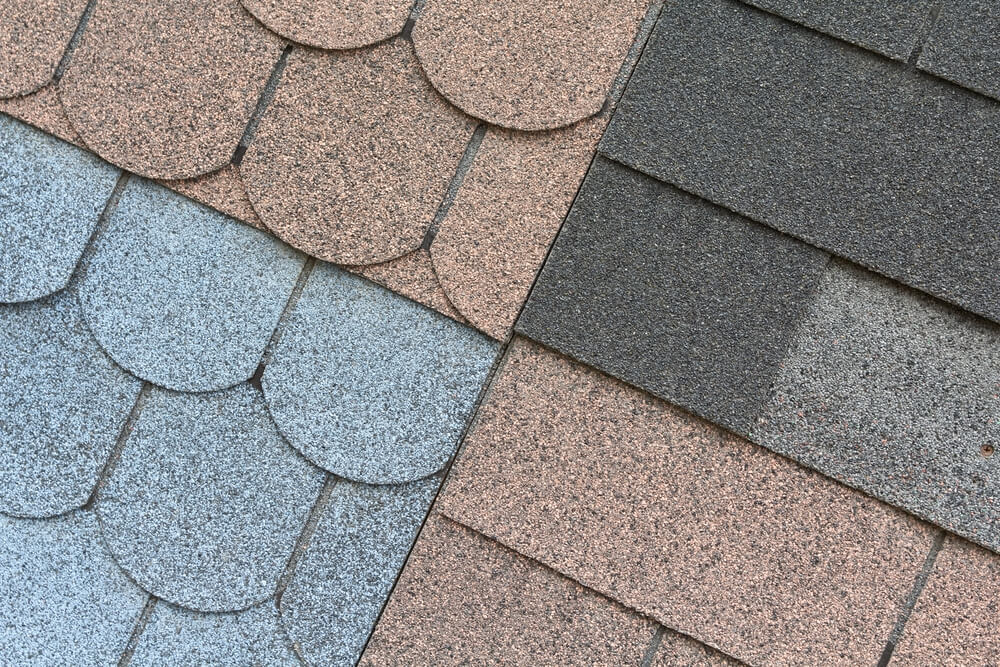
Regional architectural preferences across Southern Maryland favor colors that blend natural surroundings with long-lasting visual appeal. Multi-dimensional architectural shingles incorporate varied granule shading, creating depth that mimics traditional wood shake or slate tiles.
Top color choices across the region include:
- Charcoal Grey: A versatile dark tone that delivers strong contrast against light siding without the stark intensity of pure jet black.
- Weathered Wood: A blend of grey, brown, and muted gold tones that coordinates seamlessly with stone, brick, and warm neutral siding.
- Pewter Grey: A cool mid-tone grey ideal for modern farmhouses, coastal homes, and white or navy exteriors.
- Barkwood / Teak: Rich, earthy brown blends designed to ground wooded properties, rustic designs, and brick constructions.
Beyond basic aesthetic preferences, these architectural blends perform well in Mid-Atlantic climates due to their multi-tonal nature. Single-tone shingles tend to display water spots, pollen dust, and atmospheric grime quite clearly. In contrast, multi-tonal architectural blends feature varied shadow lines and color flecks that mask minor surface buildup between rainstorms, keeping the roof looking clean year-round.
How Can You Preview Shingle Colors on Your House Before Installing?
Homeowners can evaluate shingle options through digital rendering software, physical sample boards brought directly to the driveway, and visiting local show homes. Observing samples at morning, noon, and dusk under natural sunlight provides an accurate representation of how the roof will look under varying conditions.
Selecting a roof color based solely on a small printed catalog snippet often leads to unexpected results. Shingle colors shift dramatically depending on natural sunlight exposure, roof pitch, and time of day.
To make an informed selection:
- Utilize digital roof visualization software to upload a photo of your actual home and preview different shingle lines.
- Request full-size shingle sample boards from your contractor and lean them against your home’s exterior wall.
- Observe the physical samples at morning, mid-day, and late afternoon to evaluate how shadows and sun angles alter the appearance.
- Drive past recent local roof installations in your target color to see how the material looks across an expansive roof deck.
Light conditions vary significantly across seasons in Maryland. Direct summer sun washes out delicate color nuances, making subtle greys appear lighter than expected. Conversely, overcast winter skies enhance deep undertones, making browns and charcoals look darker. Examining samples under multiple natural lighting conditions ensures full confidence in your final material selection.
What Maintenance Considerations Apply to Different Roof Colors Near the Chesapeake Bay?
Humid coastal climates encourage blue-green algae growth, which forms dark streaks on light roofs. Selecting shingles equipped with copper-infused stain resistance helps prevent discoloration, while darker or multi-tone shingle blends camouflage organic airborne debris and seasonal pollen.
Living near the Chesapeake Bay, Patuxent River, or Potomac River brings high humidity and atmospheric moisture. These conditions create an ideal environment for Gloeocapsa magma, a species of blue-green algae that forms unsightly black streaks across roof decks.
While algae does not immediately destroy asphalt shingles, it harms curb appeal and reduces solar reflectance on lighter roofs. Understanding how roof color interacts with coastal maintenance helps keep your investment looking pristine:
- Lighter roofs show algae streaks, pollen buildup, and soot more prominently, requiring proactive algae-resistant shingle technology.
- Modern asphalt shingles often feature copper-releasing granules that inhibit algae spore growth for 10 to 15 years.
- Darker multi-toned shingles mask early algae development and pollen dust, though preventative care remains important.
- Low-pressure chemical soft-washing removes organic staining safely without damaging delicate protective asphalt granules.
How Does Roof Pitch and Architectural Size Influence Color Choice?
Steeply pitched roofs expose massive shingle acreage, making dark colors visually dominant, while low-slope roofs show less surface area, benefiting from bold contrast. Matching color intensity to roof slope prevents dark shingles from overpowering smaller homes or light shingles from looking washed out.
The physical structure and pitch of your roof play a significant role in how a shingle color is perceived from street level:
- Steep-slope roofs (such as Victorian, Tudor, or A-frame structures) showcase shingle surfaces prominently. Choosing an excessively dark or heavy color on a steep roof can overpower the rest of the home’s exterior, making mid-tone neutrals or slate blends a softer, more balanced choice.
- Low-pitch roofs (such as ranch-style or rambler homes common throughout Southern Maryland suburbs) display a smaller visible roof surface. On these homes, darker high-contrast shingles like charcoal or onyx black help define the home’s silhouette without dominating the facade.
- Complex rooflines with multiple gables, dormers, and hips benefit from unified, subtle color blends. Highly erratic, high-contrast shingle patterns can create a chaotic visual appearance across complex roof geometry.
Plan Your Maryland Roof Replacement with G.H. Clark Contractors
Selecting the ideal roof color requires balancing aesthetic vision, energy performance, and community standards. G.H. Clark Contractors has served homeowners across Calvert, St. Mary’s, Anne Arundel, and Charles counties since 1990. As a family-owned local business, our team offers clear guidance, detailed physical samples, and straightforward project estimates without high-pressure sales tactics.
Contact us to schedule a free, comprehensive roof inspection and consultation. Flexible financing options are available to help you complete your home improvement project with confidence.
Frequently Asked Questions
Does a black roof make a house significantly hotter in Maryland?
Black shingles absorb more radiant solar heat than lighter tones, raising attic surface temperatures during bright summer days. However, adequate attic insulation and balanced ridge and soffit ventilation can help reduce heat transfer into lower living spaces.
Will choosing a lighter roof color lower my home insurance premiums in Maryland?
Roof color alone does not trigger standard insurance policy discounts in Maryland. Insurance credits under Maryland Insurance Code § 19-210 are generally tied to structural wind-mitigation features and Class 4 impact-resistant ratings rather than surface pigment.
What is the single most popular roof shingle color in Southern Maryland?
Weathered wood and charcoal grey remain the top-selling architectural shingle colors across Southern Maryland. Their multi-tone blending complements a wide range of regional architectural styles and exterior finishes.
How do I know if my HOA permits dark charcoal or black shingles?
Review your Homeowners Association’s declaration of covenants or architectural control guidelines before finalizing material selections. Submitting a formal approval request with physical sample boards prevents compliance issues prior to installation.
Can changing my roof color increase my home’s appraisal value before selling?
Replacing a worn, faded roof with a high-definition architectural shingle in a popular neutral color enhances curb appeal and buyer confidence. Choosing an appropriate, modern color tone helps present the property effectively during market appraisals and buyer walkthroughs.
How do weather conditions near the Chesapeake Bay impact roof color choices?
Coastal exposure brings elevated humidity, airborne salt, and pollen that can show up on certain roof surfaces. Multi-tone neutral shingles naturally conceal minor environmental dust and pollen better than solid white or stark black roofs.
Can I change my roof color if solar panels are installed on my home?
Roof replacements must be completed before new solar array installations. If panels are already present, they must be detached by qualified technicians, the shingles replaced in your desired color, and the array reinstalled afterward.