Steps to Take After a Heavy Storm Hits Your Roof
A heavy storm hitting your roof can be a daunting experience, leaving you unsure of what to do next. Once the storm passes, your priority should be the safety and integrity of your home. It’s important to assess any damage to the roof from the ground to avoid putting yourself at risk.
Assessing Immediate Roof Damage
After a storm, it’s important to assess your roof damage safely from the ground. Avoid climbing onto the roof yourself, as it can be slippery and unstable. Use a pair of binoculars to visually inspect as much of the roof as possible from a safe distance. Look at your roof from multiple angles around your home to get a comprehensive view.
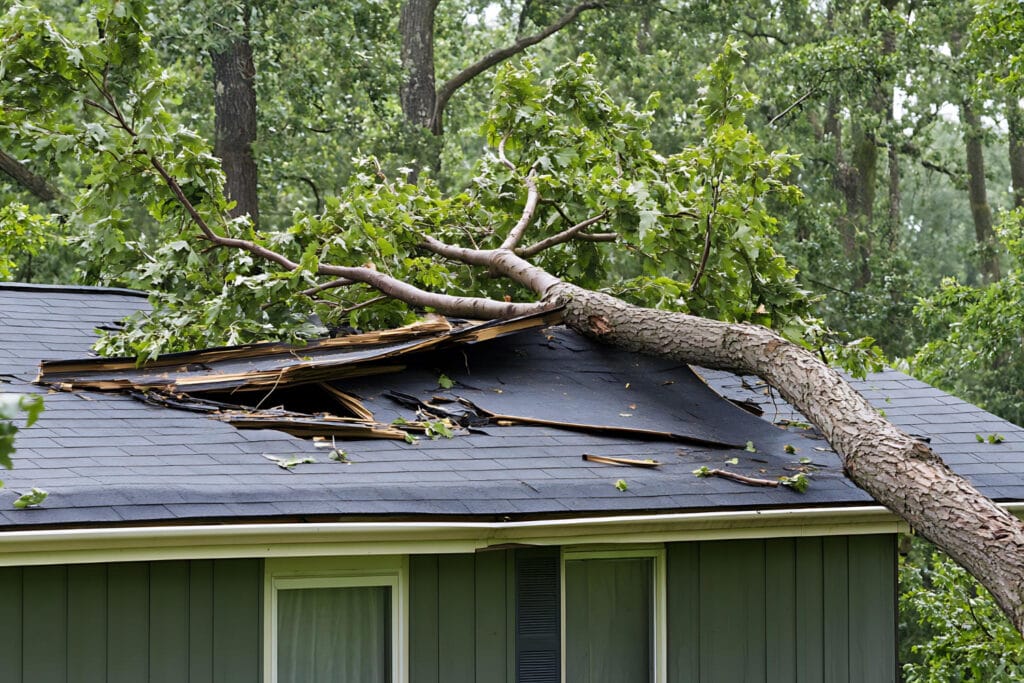
Keep an eye out for visible signs of damage like missing or broken shingles, as these are common after a storm. Shingles may be scattered across your yard if they’re torn off by strong winds. Also, check the gutters and downspouts for dents or blockages. Damaged gutters might lead to improper water drainage, which could further harm your roof.
Inside your home, look for new water stains on ceilings and walls. These stains might appear as discolored patches and indicate possible leaks from the roof. It’s important to track them down quickly to prevent more serious water damage. Checking for signs of leaks and roof damage immediately after a storm helps in taking timely action and protecting your home from further harm.
Documenting the Damage
Once you’ve identified signs of roof damage, the next step is to document everything accurately. Start by taking clear and detailed photos of all visible damage. Whether it’s a missing shingle or a bent gutter, capturing these visuals is essential. Use your camera or smartphone to snap photos from various angles, ensuring you get comprehensive coverage.
While documenting, jot down notes about the damage, such as the location and size of affected areas. These notes can come in handy when you have to describe the damage in detail for insurance claims or when talking to roofing professionals. Remember, specific information is important for the repair process.
When documenting, don’t forget to include details such as the date, time, and weather conditions present during the storm. This context strengthens your documentation for any future reference needed by insurance companies or repair experts. A well-documented record is invaluable when it comes time to make claims or repairs. By ensuring you have a thorough account of the damage, you expedite the recovery process and facilitate smoother communication with all involved parties.
Temporary Measures to Protect Your Home
After assessing the damage, it’s crucial to take steps to protect your home from further harm. First, address any immediate issues such as leaks by covering them with a tarp. Be sure to stay inside the house for safety reasons and avoid climbing on the roof. Securing a temporary cover can stop additional water infiltration and minimize interior damage.
It’s important to remember safety comes first. If you notice serious damage or don’t feel comfortable handling it, reach out to a professional. They can assess the situation and provide secure temporary solutions without risking your safety. Professionals have the tools and expertise to handle such tasks, ensuring temporary measures are both effective and safe.
If feasible, clear any debris that may obstruct drainage around your home. This assists in directing water away and prevents pooling that might worsen any leaks. Taking these immediate actions gives you time to arrange for professional help while keeping further damage at bay.
Scheduling a Professional Inspection and Repairs
Once temporary measures are in place, it’s time to schedule a professional inspection. A licensed contractor can provide a thorough assessment of the storm damage your roof has sustained. Their expertise ensures all issues, even hidden ones, are identified and addressed.
Work with the contractor to obtain a detailed repair estimate. This helps you understand the scope of necessary repairs and what they will entail. It’s important to deal with these issues promptly to restore your roof’s health and prevent any future complications. An intact roof protects your home from the elements and maintains its structural integrity.
Make sure to schedule the repairs as soon as possible. Delayed repairs can lead to bigger problems down the line, possibly increasing repair costs. Addressing the damage promptly not only ensures your family’s safety but also preserves your property’s value. Engage a qualified contractor to handle the repairs seamlessly and efficiently.
Conclusion
Managing storm damage to your roof requires prompt and effective action. Each step, from assessing immediate damage to scheduling repairs, plays a crucial role in safeguarding your home. By taking temporary measures, you can protect your home from further harm while awaiting professional intervention. Documenting the damage accurately is vital for insurance purposes and ensures clear communication with repair professionals.
Choosing professionals for inspections and repairs is essential. Their expertise ensures the job is done right the first time, offering peace of mind. When you act quickly, you protect your roof’s integrity and shield your family and property from potential hazards.
Don’t let roof damage linger and risk bigger issues. Contact G.H. Clark Contractors to schedule your professional roof inspection in Maryland. We’re here to restore your roof’s health and keep your home safe during challenging weather conditions. Reach out to ensure your roof stands strong in the face of future storms.