
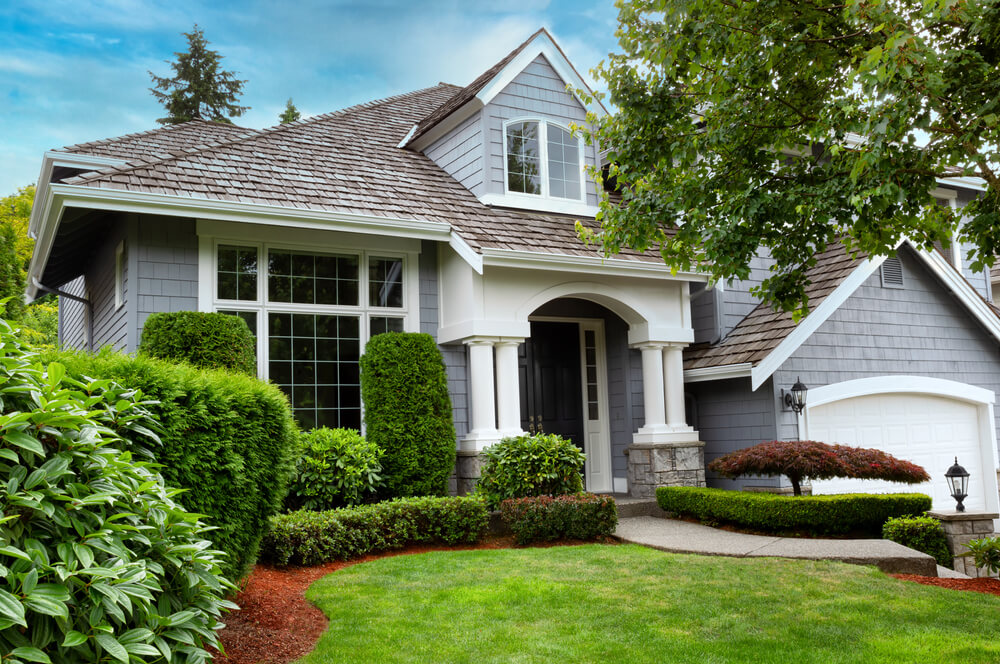
Cedar Shake Roofing in Maryland: Is It a Good Fit for the Chesapeake Bay Climate?
The coastal environment of Southern Maryland offers unparalleled natural beauty, but it actively tests the limits of residential building materials. When a nor’easter sweeps off the Chesapeake Bay, the resulting high winds, driving rain, and dense salt air create a punishing environment for any home exterior. Homeowners across Calvert, St. Mary’s, and Anne Arundel counties frequently weigh the timeless, rustic aesthetic of natural wood shingles against the reality of maintaining them in a highly humid climate.
When sub-standard materials or improper installation techniques intersect with these harsh weather patterns, it can quickly cross the line into a actionable construction defect that leaves the property vulnerable to severe, long-term water damage.
What Are the Unique Weather Challenges for Roofs in Maryland?
Maryland weather exposes residential roofs to high humidity, frequent severe thunderstorms, high winds, and corrosive salt air near the Chesapeake Bay. These extreme coastal conditions require roofing systems that can actively resist excessive moisture absorption, rapid temperature fluctuations, and severe wind uplift over time.
Southern Maryland sits in a transitional climate zone that experiences the full spectrum of extreme weather. Summers bring long stretches of high relative humidity, meaning the ambient air holds significant moisture for days or weeks at a time. This constant atmospheric moisture poses a direct threat to any organic roofing material. Winter months introduce rapid freeze-thaw cycles, where accumulated moisture inside wood fibers expands as it freezes, weakening the structural integrity of the shake. Properties directly on the water in communities like North Beach and Solomons deal with an additional layer of complexity: salt spray. Salt acts as an accelerant for weathering and corrosion.
- High relative humidity that prevents complete drying of organic materials.
- Coastal wind patterns that generate severe uplift forces during seasonal storms.
- Salt spray corrosion affecting exposed wood fibers and metal fasteners.
- Rapid freeze-thaw cycles that expand trapped water and split natural timber.
- Intense summer ultraviolet radiation that bleaches and degrades untreated shingles.
How Does Chesapeake Bay Humidity Affect Cedar Shake Roofs?
Constant high humidity around the Chesapeake Bay prevents natural cedar shakes from drying out completely between rainstorms. This trapped moisture significantly accelerates the growth of moss, algae, and mildew, which can lead to premature wood decay, cupping, and splitting if the roof is not strictly maintained.
Wood is a hygroscopic material, meaning it constantly absorbs and releases moisture in an attempt to reach equilibrium with the surrounding air. In a dry climate, a wood roof easily sheds rainwater and dries completely within hours. In Chesapeake Beach, the heavy humidity rarely drops low enough during the summer to allow a complete dry-out. According to standards published by the U.S. Forest Products Laboratory, sustained moisture levels above 20 percent create the perfect breeding ground for decay fungi. When the shingles absorb water, they swell. When the sun finally bakes them, they rapidly contract. This constant swelling and shrinking cycle physically distorts the wood. Over time, the internal stress causes the shakes to pull away from their fasteners or split straight down the middle.
- Cupping, where the edges of the shake lift upward and expose the underlayment.
- Curling, where the bottom edge turns upward, reducing wind resistance.
- Splitting along the natural grain due to internal expansion pressure.
- Aggressive algae and moss colonization within the shaded keyways.
- Premature decay of the underlying roof deck if the moisture penetrates deeply.
Can Cedar Shake Withstand Maryland Coastal Winds And Storms?
When installed according to modern Maryland building codes, premium cedar shakes offer excellent resistance to severe coastal winds and storm impacts. Their natural density and overlapping installation method allow them to withstand wind uplift forces that often strip standard asphalt shingles during seasonal nor’easters.
A correctly installed wood roof provides exceptional durability against heavy wind shear. Because cedar shakes are individually nailed directly to the roof decking often using an interwoven pattern, they present a highly rigid surface. However, the coastal environment dictates exactly how these materials must be secured. To comply with Maryland building codes, contractors must utilize specific fastening schedules designed for high-velocity wind zones.
Standard roofing nails will rapidly rust and fail when exposed to the salt-laden air of the Chesapeake Bay. Installers must use stainless steel or hot-dipped galvanized ring-shank nails. These specialized fasteners resist corrosion and feature textured shanks that grip the decking, preventing the shakes from pulling loose when tropical storm-force winds hit the property.
- Utilization of stainless steel or hot-dipped galvanized fasteners to prevent salt corrosion.
- Ring-shank nails that provide maximum holding power against wind uplift forces.
- Overlapping staggered exposure that creates a seamless aerodynamic profile.
- Heavy natural density that easily deflects hail impacts without shattering.
- Strict adherence to coastal fastening schedules outlined by state authorities.
What Are the Maintenance Requirements for Cedar Roofs in Southern Maryland?
Cedar roofs in Southern Maryland require comprehensive maintenance every three to five years to prevent moisture damage. This includes professional cleaning to remove trapped debris, applying specialized wood preservatives, installing zinc or copper strips to inhibit algae growth, and immediately replacing any split or curled shakes.
Opting for natural wood means accepting a rigorous maintenance schedule. Unlike asphalt shingles, which require little beyond basic gutter cleaning, a timber roof is a living system that needs active preservation. Leaves, pine needles, and small branches inevitably collect in the keyways the vertical spaces between individual shakes. If left in place, this debris acts like a sponge, trapping rainwater against the wood and accelerating the rotting process. Homeowners must schedule regular cleanings to clear this material.
Additionally, because the local climate heavily promotes moss and algae, the installation of copper or zinc strips near the roof ridge is highly recommended. As rain washes over these metal strips, it distributes metallic ions down the slope, naturally inhibiting biological growth.
- Routine debris removal from keyways, valleys, and gutter systems.
- Low-pressure chemical washing to remove embedded algae without stripping wood fibers.
- Application of topical oil-based preservatives to restore natural moisture barriers.
- Installation of copper or zinc ridge strips to provide passive algae control.
- Visual inspections after major storms to identify and replace damaged individual shakes.
How Long Do Cedar Shake Roofs Typically Last In Maryland?
In the humid Maryland climate, a properly installed and regularly maintained cedar shake roof typically lasts between 20 and 30 years. Without rigorous maintenance, the lifespan drops significantly, often failing within 15 years due to moisture saturation, rot, and extensive organic growth.
The actual lifespan of a timber roof in this region is entirely dependent on the level of maintenance it receives and the specific microclimate of the property. A home sitting on an open bluff facing the Chesapeake Bay will experience excellent wind flow, allowing the roof to dry quickly after a storm. Conversely, a home tucked into a heavily wooded lot in Calvert County will spend most of its time in deep shade. Shaded roofs retain moisture far longer, creating a damp environment that cuts the lifespan of the material by years.
While manufacturers often suggest a 40-year lifespan for premium shakes, the reality of the Mid-Atlantic climate means homeowners should plan for a 20 to 30-year functional life, provided they adhere to strict maintenance protocols.
- Tree canopy coverage that dictates how much sunlight reaches and dries the roof.
- The pitch of the roof structure, which controls the speed of water runoff.
- The initial quality and grade of the shakes (edge-grain versus flat-grain).
- The consistency and quality of post-installation preservative treatments.
- The effectiveness of the underlying ventilation system in managing attic condensation.
Are There Fire Safety Concerns with Wood Roofs in the State?
Natural wood roofs present a higher fire risk than asphalt or metal materials. To comply with local Maryland building codes and homeowner insurance requirements, cedar shakes must undergo factory-applied fire-retardant treatment to achieve a Class A, B, or C fire rating before installation.
Fire safety is a primary consideration when evaluating natural roofing materials. Untreated wood shingles act as kindling for stray embers originating from residential chimneys, outdoor fire pits, or nearby wildfires. Because of this inherent risk, many homeowner associations and municipal building departments across St. Mary’s and Anne Arundel counties strictly regulate or outright prohibit the installation of untreated wood roofs. To safely install these systems, the material must be treated with a fire-retardant chemical at the factory.
This pressure-treatment process forces the retardant deep into the wood cells, allowing the material to achieve a Class A, B, or C fire rating. Property owners should consult their insurance carriers before committing to this material, as untreated or lower-rated wood roofs often result in significantly higher annual premiums or policy cancellations.
- Factory pressure-treatment processes that embed fire-retardant chemicals into the wood.
- Verification of Class A, B, or C fire ratings to satisfy local inspectors.
- Coordination with insurance providers to prevent coverage disputes or rate hikes.
- Review of specific HOA bylaws regarding approved exterior building materials.
- Installation of spark arrestors on all active residential chimneys.
How Do Cedar Shakes Compare to Architectural Shingles for Coastal Homes?
While cedar shakes offer superior wind resistance and a unique coastal aesthetic, architectural asphalt shingles provide better moisture resistance and require significantly less maintenance in humid environments. Synthetic cedar shingles are increasingly replacing natural wood because they mimic the appearance without the vulnerability to decay.
The comparison between traditional timber and modern architectural asphalt comes down to balancing aesthetics with practicality. Natural shakes provide an unmatched dimensional texture and weather to a distinct silvery-gray color that perfectly suits the coastal Maryland aesthetic. They also offer a slightly higher insulation value than thin asphalt. However, architectural shingles dominate the local market for a reason: they are heavily engineered to repel water, they incorporate copper granules to resist algae naturally, and they require almost zero ongoing maintenance.
For homeowners who demand the look of wood without the associated upkeep, the industry has developed highly advanced synthetic composite shakes. These polymer-based materials replicate the exact grain and thickness of real timber but are entirely impervious to the humidity and salt air of the Chesapeake Bay.
- Maintenance frequency: High for natural wood, very low for architectural asphalt.
- Moisture resistance: Wood absorbs water; asphalt and composites repel it entirely.
- Wind uplift ratings: Both perform well when installed to coastal fastening standards.
- Initial installation costs: Timber is a premium product with significantly higher upfront labor costs.
- Long-term aesthetics: Wood weathers naturally; asphalt maintains a consistent factory color.
Why Is Proper Ventilation Critical For Wood Roofs?
Cedar shake roofs require adequate airflow both above and below the wood to prevent trapped moisture. Proper installation includes a breathable underlayment or a specialized ventilation matrix that creates a continuous airspace, allowing the shakes to dry rapidly after Maryland storms.
A successful timber roof installation depends entirely on the layers hidden beneath the surface. If natural shakes are nailed directly flat against a solid plywood deck wrapped in standard waterproof underlayment, they will rot from the bottom up. The wood must be allowed to breathe. Experienced roofing contractors address this by utilizing a ‘cold roof’ system.
This involves installing a woven, three-dimensional ventilation matrix over the primary water barrier. This matrix creates a continuous quarter-inch gap of air directly beneath the wood. As the sun hits the roof, it heats the air in this gap, causing it to rise and pull fresh air from the soffits up through the ridge vent. This constant airflow dries the underside of the shakes just as effectively as the wind dries the top.
- Installation of a three-dimensional cedar breather matrix over the decking.
- Use of traditional skip sheathing techniques to maximize underside airflow.
- Proper balance of intake ventilation at the soffits and exhaust ventilation at the ridge.
- Prevention of attic condensation that could prematurely rot the structural decking.
- Utilization of vapor-permeable underlayments that allow the house to breathe naturally.
Schedule A Free Roof Inspection in Southern Maryland
Replacing or maintaining a coastal roof requires a firm grasp of local environmental pressures and building regulations. G.H. Clark Contractors provides professional, transparent evaluations for properties throughout Calvert, St. Mary’s, and Anne Arundel counties. Our experienced team will thoroughly assess your existing roofing structure, evaluate your ventilation system, and help you determine whether natural cedar, architectural asphalt, or modern synthetic composites make the most sense for your specific location. We operate on a family-owned model focused on honest assessments rather than aggressive sales tactics. Most of our roofing services require no payment until the job is completed to your satisfaction.
Call us to schedule your comprehensive free inspection today.
Frequently Asked Questions
What Is the Difference Between Cedar Shingles and Shakes?
Cedar shingles are sawn on both sides for a uniform, tailored appearance that lays flat against the roof deck. Cedar shakes are hand-split on one or both sides, creating a thicker, more textured, and rustic look that provides slightly better wind resistance due to their substantial weight and dimensional irregularity.
Do HOA Rules in Maryland Allow Cedar Roofs?
Homeowner association rules vary significantly by community across Southern Maryland. While some historic or high-end coastal communities require cedar shakes for aesthetic consistency, many modern HOAs strictly prohibit natural wood due to fire safety concerns and the high risk of visual degradation if the homeowner fails to maintain the material properly.
Can I Install Cedar Shakes Over Existing Shingles?
No. Maryland building codes and manufacturer specifications require the complete tear-off and removal of all existing roofing layers before installing a timber roof. This process ensures proper inspection of the underlying roof deck and allows for the necessary installation of critical ventilation underlayments.
How Do You Remove Moss from a Cedar Roof?
Moss should be treated with specialized wood cleaners and rinsed away with low-pressure water to avoid damaging the cellular structure of the wood. High-pressure washing is highly discouraged by manufacturers, as it strips away the wood’s natural protective layers, raises the grain, and causes permanent, irreversible damage to the shakes.
Will Salt Air Ruin A Wood Roof?
Salt air alone does not immediately destroy cedar, but it acts as a catalyst that accelerates the natural weathering process and heavily corrodes standard metal fasteners. Installers must use stainless steel or hot-dipped galvanized nails to prevent rust and ensure the structural integrity of the roof remains intact in a coastal environment.