How to Identify and Fix Common Roof Leaks
Roof leaks can cause major problems for your home, including water damage, mold, and structural issues. By learning to spot leaks early, you can save money on repairs and keep your home safe and dry.
Having the proper knowledge about roof leak causes and fixing them helps you maintain your home better. Let’s explore how you can identify where leaks might occur and how to stop them in their tracks.
Signs and Symptoms of Roof Leaks
Spotting early signs of roof leaks can save you a lot of trouble. The sooner you identify a leak, the easier it is to fix. Here are some common symptoms that indicate a possible roof leak:
Water Stains
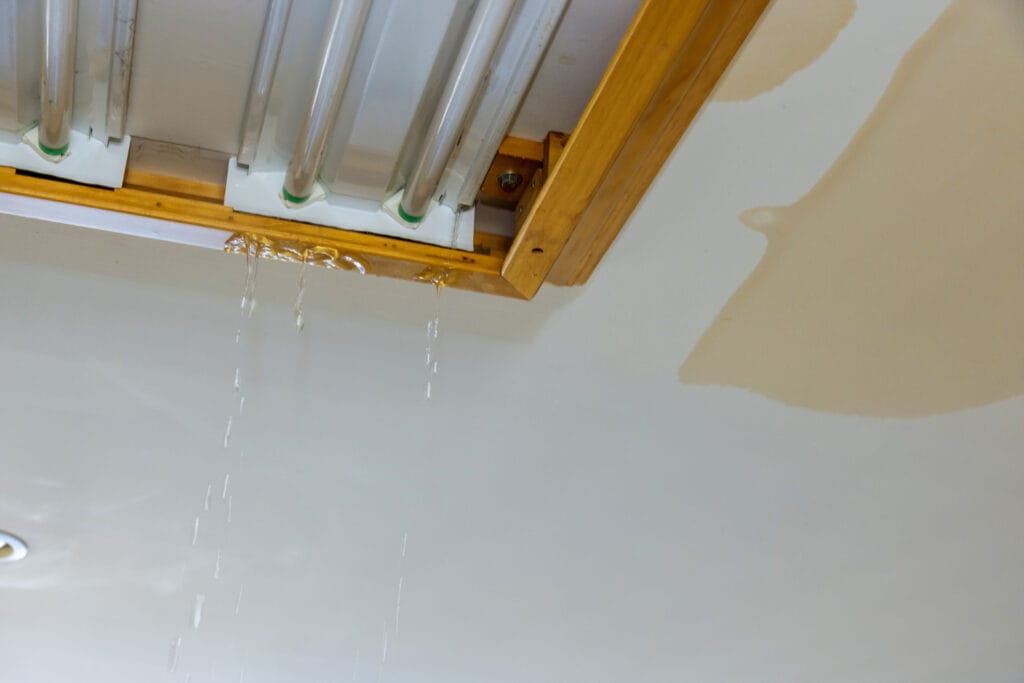
Look for discolored spots on your ceilings or walls. These spots may be brown, yellow, or copper-colored. Water stains are often the first sign that water is entering your home.
Dripping Water
If you notice water dripping inside, especially after a storm, it clearly shows a roof leak.
Sagging Ceiling or Roof Deck
If the ceiling looks sagging, it could be holding water. This often happens when a leak has been present for a while.
Musty Odors
A musty smell could be due to mold or mildew growth caused by a leak. This odor is usually more noticeable in attics or areas with poor ventilation.
Peeling Paint or Wallpaper
When water gets behind your walls, it can cause paint or wallpaper to bubble or peel.
Visible Mold or Rot
Look for mold growth or wood rot, especially in attics. Mold can pose health risks, so it’s crucial to address it quickly.
By watching for these signs, you can catch leaks early and avoid extensive damage to your home.
Common Causes of Roof Leaks
Understanding what causes roof leaks can help you prevent them. Roof leaks happen for various reasons, and knowing these can help you protect your home effectively.
Shingles Missing or Damaged
Strong winds or heavy storms can tear off shingles or cause them to crack. Without shingles, water can easily enter your roof.
Damaged Flashing
Flashings are metal pieces that cover roof joints to keep water out. Water can seep through these vulnerable spots if flashings are bent, rusted, or missing.
Clogged Gutters
When gutters fill with leaves or debris, water may not drain properly. This can cause water to pool and eventually leak into the roof.
Poorly Sealed Vents and Chimneys
Proper sealing is needed around vents and chimneys. If the sealant wears out or cracks, rainwater might leak inside.
Ice Dams
In colder climates, ice dams can form on the edges of roofs, trapping melted snow that can seep under shingles and lead to leaks.
Aging Roof Materials
Roofs age over time, causing materials to wear out and become more susceptible to leaks. It might be time for repairs or replacement if your roof is old.
By understanding these common causes, you can take steps to protect your home and ensure your roof remains leak-free. Regular inspections and maintenance are key to tackling these issues before they lead to problems.
Step-by-Step Guide to Locating Leaks
Finding a leak may seem daunting, but you can track it down with a systematic approach. Here’s a step-by-step guide to help you locate roof leaks efficiently.
Start Indoors
Begin by checking your ceilings and walls for water stains or discoloration. These often point toward the source of the leak. Note down any areas where you see damage.
Inspect the Attic
If you have attic access, grab a flashlight and look for moisture, mold, or wood rot signs. Water stains on the rafters can help pinpoint the leak’s entry point.
Check During Bad Weather
Leaks often appear during heavy rain. Safely observing the leak during a downpour might help you trace it back to its source faster.
Head Outside
Once you have inside clues, examine the roof’s outside. Look for missing shingles, damaged flashing, or objects protruding through the roof.
Hose Test
On a dry day, grab a garden hose. With a helper inside, gently run water over suspected areas while the person inside watches for drips or water appearance.
Mark the Spot
Once you find the leak, mark its location. This will help you communicate areas that need repair.
By working through these steps, you can accurately identify the source of leaks and plan for repairs.
Quick Fixes and Long-Term Solutions
After locating a leak, addressing it promptly ensures minimal damage. Quick fixes can provide immediate relief, while long-term solutions ensure the problem doesn’t recur.
Quick Fixes:
– Sealant or Roofing Tape: Applying a water-resistant sealant or tape can temporarily prevent water from entering for small leaks.
– Replace Damaged Shingles: If a few shingles are torn or missing, replacing them can quickly plug a leak.
– Patch Flashing: Temporarily patch small holes in flashing using roof cement.
Long-Term Solutions:
– Professional Repairs: Call a professional to thoroughly fix flashing or other complex repairs that may worsen if done incorrectly.
– Regular Inspections: Schedule periodic roof inspections to catch minor issues before they escalate.
– Upgraded Materials: Consider using high-quality, weather-resistant materials during repairs or replacements to enhance durability.
– Install Gutter Guards: Keeping gutters clean prevents water backup, reducing the risk of leaks arising from overflow.
Quick fixes buy time, but committing to long-term solutions helps protect your home from future water damage effectively.
Conclusion
A well-maintained roof is crucial to shielding your home from the elements. You can prevent severe damage by understanding the signs of a roof leak and knowing how to locate and repair them. Continuous maintenance and frequent checks are vital in ensuring your roof’s health. Investing time and resources now saves you from hefty repair bills in the future.
If you suspect leaks or want to enhance your roof’s durability, seeking expert help is always wise. Skilled roofing professionals ensure repairs are done right, giving you peace of mind.
Need help with a roof leak? Get in touch with G.H. Clark Contractors. Our team specializes in roof inspections in Maryland to ensure your home remains protected. Reach out today and let us help keep your home safe and dry.