When to Replace Your Roof: Key Signs to Watch For
The roof over your head is one of the most crucial parts of your home. It keeps you dry and safe, but roofs don’t last forever. Over time, they wear out and need replacing. Knowing when it’s time to replace your roof is important in preventing leaks or costly repairs later on.
Many factors can affect how long a roof lasts, from the material it’s made of to the weather it faces. Some roofs might show obvious signs of wear, while others might have hidden issues that need looking into. Understanding these signs ensures your roof can protect your home effectively.
By catching the warning signs early, you can plan for a roof replacement before emergencies arise. Whether it’s missing shingles or signs of aging, being aware can save you headaches and money. Keeping your home safe and sound starts with knowing what to watch for in your roof’s condition.
Understanding Lifespan of Different Roofing Materials
Different roofing materials have varying lifespans. Knowing how long each type lasts helps you plan for a replacement.
1. Asphalt Shingles: These are the most common roofing materials. They usually last around 20 to 25 years. They are affordable and easy to install, which makes them popular for many homeowners.
2. Metal Roofing: Metal roofs can endure for about 40 to 70 years. They are durable and often handle tough weather well. Metal roofs also reflect sunlight, which can help with energy efficiency.
3. Tile Roofing: Tile roofs promise a long lifespan of about 50 to 100 years. They are made from materials like clay or concrete and offer excellent fire resistance. Tile roofs are heavy, though, so they require extra support structures.
Several factors impact how long a roof actually lasts:
– Climate: Harsh weather, like heavy snow or scorching heat, can reduce a roof’s lifespan. Different materials respond differently to these conditions, so choose wisely based on your area’s climate.
– Installation Quality: A properly installed roof lasts longer. It’s crucial to hire experienced professionals who know how to fit your chosen material correctly.
– Maintenance: Regular care and inspections can extend a roof’s life, catching minor issues before they worsen.
Each material offers unique benefits and lifespans. Understanding these factors can guide you in making informed decisions about when to replace your roof.
Visual Warning Signs of Roof Damage
Spotting roof damage early helps avoid major issues later. Keep an eye out for these visual signs that your roof might need attention:
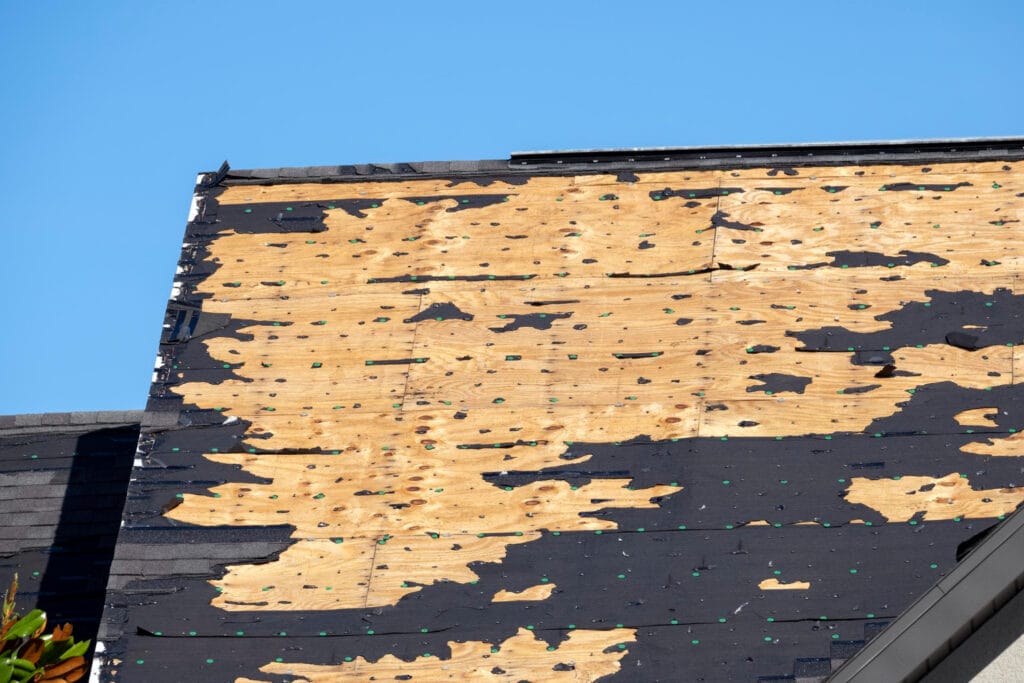
– Missing Shingles: If a storm blows shingles off, this exposes the underlayers of your roof, potentially leading to leaks.
– Sagging Areas: A drooping roofline can indicate structural issues. This may result from water damage or failing supports.
– Granule Loss: As shingles wear out, they lose granules. Look for excessive granules in gutters or downspouts.
– Cracked or Curled Shingles: Extreme weather or old age can cause shingles to crack or curl. This compromises the roof’s effectiveness.
You can safely inspect these issues without climbing onto the roof:
– From the Ground: Use binoculars to check for missing or damaged shingles.
– In the Attic: Look for sunlight peeking through or water stains on the ceiling. These signs suggest possible leaks or roof problems.
Routine checks and maintenance can catch damage before it worsens. Regular inspections help ensure your roof stays robust and functional for longer periods.
Impact of Weather on Roof Condition
Your roof faces all kinds of weather, each capable of damaging its condition over time. Understanding how different weather events affect your roof helps in maintaining its strength and longevity.
Storms: Thunderstorms bring heavy rain, strong winds, and hail, each leaving its mark. High winds can rip off shingles or lift them enough to break their seal. Hail dents and damages the roof surface, often requiring repairs.
Heat: Intense heat causes materials like asphalt shingles to crack or curl over time. UV rays also wear down shingles, reducing their lifespan.
Snow and Ice: Heavy snow piles up, adding weight that can stress the roof structure. Melting snow might refreeze at the eaves, creating ice dams. These dams block proper drainage and can lead to leaks.
Regular inspections following severe weather events are crucial. Check for visible signs of damage from the ground, like missing shingles or debris accumulation. If heavy snow or a storm has recently passed, a professional inspection ensures that any hidden issues are addressed promptly. Maintaining vigilance around weather patterns helps in preventing any damage from escalating.
Evaluating Repair vs. Replacement
Deciding between repairing or replacing your roof involves several considerations. Understanding the factors at play ensures you make the best choice for your home.
– Extent of Damage: If damage is localized, such as a single leak or a few missing shingles, repairs might suffice. Widespread issues, like large bald spots from missing granules, often require a complete replacement.
– Roof Age: Consider the roof’s age. A roof nearing the end of its expected lifespan might be more cost-effective to replace than repair, avoiding repeated fixes.
– Cost Considerations: Repairing a roof seems cheaper upfront, but frequent repairs add up. Compare the long-term costs to decide if replacement provides better value.
– Future Plans: If you plan to sell the house soon, a roof replacement could increase its value. Check with professionals on how a new roof could affect selling potential.
Choosing whether to repair or replace calls for professional advice. Experts can inspect your roof, evaluate its condition, and suggest the best course of action, ensuring your home stays protected.
Conclusion
Maintaining your roof is an ongoing task that requires awareness of its condition, the challenges it faces, and the signs it gives. By keeping an eye on the lifespan of roofing materials, spotting visual cues of damage, and understanding the impact of weather, you stay ahead in ensuring your roof’s integrity. This knowledge empowers you to make informed decisions when addressing roofing issues, ensuring your home’s safety and comfort in the long run.
For those times when your roof needs professional care, G.H. Clark Contractors, a roofer in Maryland, is here to help. Our experienced team will assess your roof’s condition and provide tailored solutions, whether you need a simple repair or a full replacement. Trust G.H. Clark Contractors to keep your home well-protected and secure.