
How to Choose the Right Siding Material for Your Home
Choosing the right siding for your home is a big decision that can affect its appearance and protection against the elements. With so many different materials available, it can feel overwhelming to pick the best one. The right siding should combine durability, style, and value to suit your specific needs.
Understanding the basics of siding materials is the first step toward making an informed choice. From vinyl and wood to fiber cement and more, each material has its own pros and cons. Knowing what to look out for will make choosing the perfect siding much easier and ensure your home remains attractive and efficient for years.
Understanding Different Siding Materials
When choosing siding for your home, start by exploring the available materials. Each type has unique characteristics that affect how it performs and looks over time.
Vinyl Siding
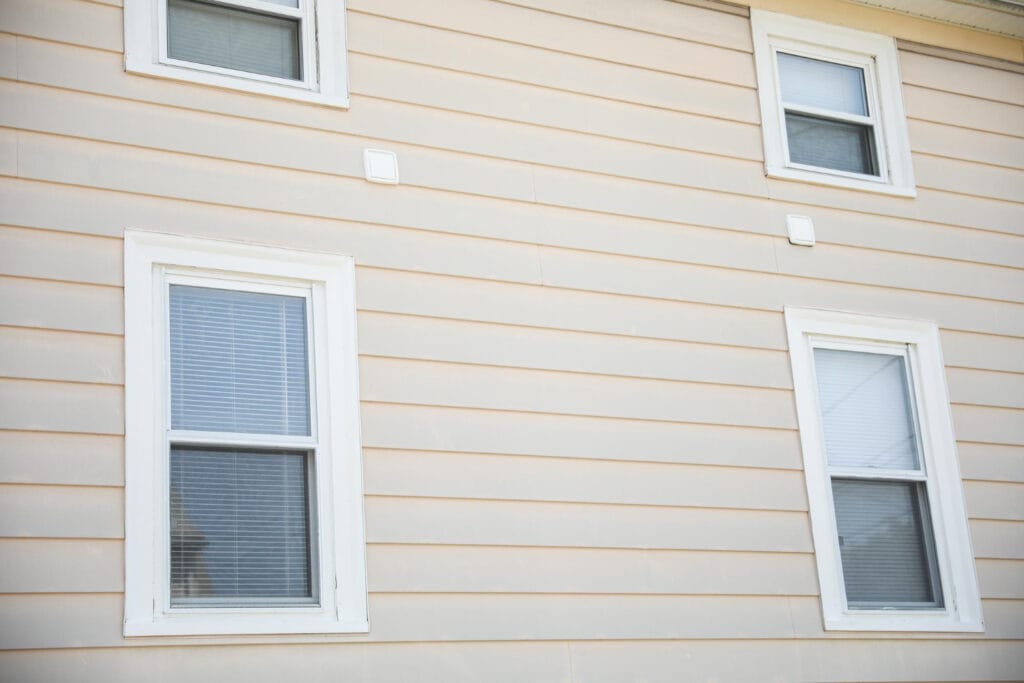
Vinyl is popular because it is affordable and comes in various colors and styles. It is lightweight, easy to install, and requires minimal maintenance. However, it can crack in extreme temperatures and may not look as upscale as other options.
Wood Siding
Wood siding offers a timeless and natural look that many homeowners love. Its warmth and beauty are unmatched. Wood is versatile, allowing for staining or painting. However, it requires regular maintenance to prevent rot, warping, or insect damage.
Fiber Cement Siding
Fiber cement is made from a mix of wood pulp and cement. It provides durability and fire resistance. It resembles wood but needs less upkeep. However, fiber cement is heavy and may be more expensive to install.
Metal Siding
Metal siding, such as aluminum or steel, is durable and weather-resistant. It is often used in modern or industrial-style homes. Metal does not mold or warp but can dent and appeal to a specific aesthetic.
Brick and Stone Veneer
These materials provide a classic and sturdy appearance. They are highly durable and resistant to the elements. However, they can be costly and require professional installation.
The various siding materials can help ensure that you select one that meets your needs and enhances your home’s exterior.
Comparing Durability and Maintenance
Durability and maintenance are essential when choosing siding, as they determine how well a material will withstand wear and how much effort it will need over time.
Vinyl Durability and Maintenance
Vinyl siding is resistant to pests and rot but can become brittle and fade with prolonged sun exposure. To keep it clean, it needs occasional washing with a hose.
Wood Durability and Maintenance
Wood siding can last a long time if maintained properly. It needs regular sealing, staining, or painting to protect it from moisture and insect damage. Neglecting maintenance can lead to expensive repairs.
Fiber Cement Durability and Maintenance
Fiber cement siding is known for its strength and low maintenance. It withstands harsh weather conditions, remains stable, and doesn’t rot or warp. Still, it is beneficial to check caulking and repaint every 10–15 years.
Metal Durability and Maintenance
Metal siding lasts decades with minimal care. Its surface naturally wards off pests and rot. Occasionally, clean it with soap and water to keep rust at bay.
Brick and Stone Veneer Durability and Maintenance
These materials are extremely durable and capable of lasting for generations. They require little maintenance beyond checking for and fixing any loose or cracked elements.
By comparing durability and maintenance, you can choose a siding material that fits your lifestyle and provides lasting protection for your home.
Evaluating Aesthetic and Cost Considerations
Aesthetics and cost are crucial when choosing the right siding for your home. The exterior is the first impression of your house, and your budget influences what you can achieve.
Aesthetic Options
Each siding material comes with its visual appeal. Vinyl offers a wide range of colors and styles, giving you flexibility in design. Wood siding provides a traditional, cozy look that can be customized with paint or stain. Fiber cement mimics wood but with a more consistent texture. Metal siding offers a sleek, modern appearance, while brick and stone veneers provide a classic, timeless look.
Cost Factors
- Vinyl: Generally the most affordable option, costing less initially and over time due to low maintenance needs.
- Wood: Tends to be more expensive, with costs for painting and maintenance adding up over the years.
- Fiber Cement: Falls in the mid-to-high price range. Installation can be costly due to its weight, but its longevity can justify the expense.
- Metal: The cost varies depending on the type of metal used, with steel and aluminum offering different price points.
- Brick and Stone Veneer: Among the most expensive choices, reflecting not just the material cost but also complex installation requirements.
Balancing appearance with affordability helps you make a decision that fits both your taste and budget without compromising quality.
Environmental Impact and Energy Efficiency
When selecting siding, considering environmental impact and energy efficiency ensures your home is both eco-friendly and cost-effective in the long run.
Eco-Friendly Materials
Certain siding materials have a lower environmental footprint. Fiber cement is sustainable and uses natural and recycled materials. Wood, when sourced responsibly, is renewable and biodegradable. Metal siding is recyclable, making it a green choice once it reaches the end of its lifecycle.
Energy Efficiency
Siding affects energy consumption by affecting your home’s insulation. Insulated vinyl siding can enhance energy efficiency by providing extra protection against temperature changes. Fiber cement offers good insulating properties, helping maintain a stable indoor temperature. Metal siding reflects sunlight, potentially reducing cooling costs in warm climates.
Production and Disposal
Consider the energy resources consumed during the production and disposal of siding materials. Vinyl, for example, is energy-intensive to produce and not biodegradable, which affects its environmental impact. On the other hand, choosing recycled or sustainably produced materials can lessen your ecological footprint.
By prioritizing both environmental and energy factors, you contribute to a sustainable future while potentially reducing energy bills.
Conclusion
Choosing the right siding material involves balancing numerous factors for your home’s needs. Every aspect plays a significant role, from aesthetics and costs to durability and environmental impact. A well-informed decision enhances your home’s curb appeal and provides lasting protection and energy savings.
For professional guidance tailored to your needs, contact G.H. Clark Contractors. Our siding contractors in Maryland understand the intricacies of siding materials and can help you make the best choice for your home. Let us assist you in creating a beautiful and efficient exterior that stands the test of time. Reach out to us today for expert advice and superior service.