Repair or Replace Your Roof? A Comprehensive Guide to Making the Right Choice
With roofing concerns leading to sleepless nights and the term “leaks” sounding scarier than ever, making a decision between repairing or replacing your roof can be daunting. Don’t sweat it! We’ve got you covered. In this comprehensive guide, we’ll break down everything you need to know to make an informed choice.
Whether your roof is a silent protector braving storms and winters or an old soldier nearing the end of its tenure, knowing when to repair or replace it can make a world of difference- not just for your peace of mind but also for your wallet! Read on to ensure you’re making the wisest decision for your home in Prince Frederick.
When deciding whether to repair or replace your roof, it’s important to consider factors like the age of the roof, extent of damage, type of roof, urgency, long-term plans, energy efficiency, building codes, and budget. Consulting with a reputable roofing service for a thorough inspection and expert advice is recommended to make an informed decision tailored to your specific situation.
Evaluating Your Roof: Repair vs. Replacement Factors
Your roof is one of the most critical parts of your home, protecting it from weather damage and ensuring its structural integrity, but as with every other part of your house, it can wear down over time. At some point, it will require either repairs or replacement, depending on various factors.
Think of your roof like your car. No matter how well you maintain it, there comes a time when repairs no longer make sense, and it’s time to drive something new.
But how do you know whether to repair or replace your roof? There are several factors to consider before making a decision.
Age and Condition of the Roof
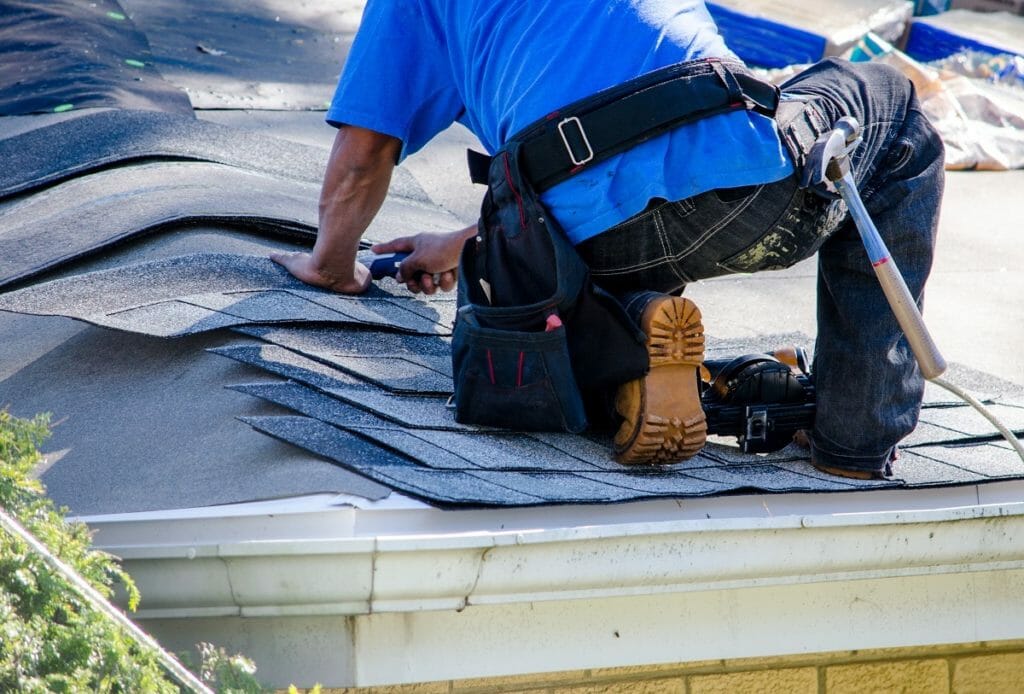
The age and condition of the roof should be the first thing you look at when evaluating whether to repair or replace it. Roofs have an expected lifespan, which varies based on the material used for roofing. For instance, asphalt shingles typically last between 20 and 30 years. If your roof is nearing that age range, it may be time to think about replacing it completely. On the other hand, if you have a newer roof, repairing any damages might be sufficient.
Suppose your existing roof is less than five years old; in that case, repairing the damaged sections may be a viable option. However, as roofs age, they are more susceptible to further damage in the future. In such cases, replacing the whole roof might be a wiser investment in the long term.
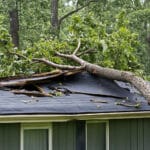
Additionally, even if your roof is not near its end-of-life expectancy range, significant defects can also shorten its lifespan considerably. For example, if there are multiple leaks all over your ceiling and walls or large holes in different areas of the roof caused by fallen branches or severe weather conditions like hail storms,
Type of Roofing Material
When it comes to repairing or replacing your roof, one crucial consideration is the type of material used. Different materials have varying lifespans and maintenance needs, which will significantly affect your decision-making.
Asphalt shingles are the most common type, with an average lifespan ranging between 20 and 25 years. Metal roofs can last up to 50 years or more, while slate roofs have an impressive lifespan that could exceed a century. While natural wood shakes require proper maintenance and can last up to 30 years, synthetic options made from plastic or rubber offer greater durability and lifespan. Other factors, such as climate, building codes, local regulations, and environmental concerns, should also be considered before deciding on roof material.
| Material Type | Lifespan | Maintenance Requirements | Environmental Considerations |
| Asphalt | 20-25yrs | Regular inspection | Most commonly used |
| Metal | 50+yrs | Minimal maintenance | Energy efficient |
| Slate | 100+yrs | Expert maintenance | Natural look and durability |
| Wood | 30yrs | Requires upkeep | Attractive but flammable |
| Synthetic | 50+yrs | Little maintenance | Cost-effective and durable |
Think about choosing the right roofing material, like selecting the right pair of shoes for a trip. – you need to consider the terrain’s nature (climate), destination style (building styles), and personal preferences (budget).
Unpacking Roof Repair Pros and Cons
As a homeowner, the decision to repair or replace your roof is never easy. It’s a significant investment whether you choose to repair or replace, and several factors come into play when making this decision. However, repairing your roof rather than replacing it might be an excellent, cost-effective option, depending on the damage present.
Think of it as treating a minor injury rather than amputating a limb. Repairing your roof is like first aid—it prevents the problem from escalating while giving you ample time to plan ahead.
However, before jumping into repairs, let’s take a closer look at some pros and cons:
Cost-effectiveness of Roof Repairs
The national average cost of roof repair is between $400 and $2,000. Although this may seem costly at first glance, keep in mind that investing in repairs prolongs the lifespan of your roof and prevents potential damages from escalating into more extensive issues that would be more expensive to fix.
For instance, if you’re dealing with leaks or cracks in your roof, repairing them sooner rather than later will ensure that water damage does not infiltrate your home’s insulation or even seep down to the foundation of your house—a disaster waiting to happen had you ignored it and left it for longer fixing.
Another thing to consider is that different roofing materials have varying replacement costs; slate is the most durable, while wooden shakes or shingles are expensive to install and maintain. Costs for specific repairs also vary depending on whether they are minor (like replacing shingles), moderate (involving removing surface materials and getting into the deck and underlayment), or major (due to long-term issues that require fixing decks, rafters, addressing water damage, etc.).
Ultimately, repairing your roof can be a viable option if it isn’t entirely dilapidated. It’s relatively cost-effective and guarantees long-term protection. However, if your roof has outlived its lifespan and the damage is extensive, then a full replacement would be necessary.
Potential Limitations of Repairing
Repairing a damaged roof can be an attractive option, especially when there’s no immediate need for a full replacement. However, this solution has its limitations and might end up costing you more in the long run.
For starters, some types of damage are beyond repair, necessitating a complete replacement. Additionally, repairing one section of a roof while leaving the rest untouched could result in inconsistencies in appearance and functionality. If the damage is extensive or results from an aging roof, repairs might only be a temporary fix that won’t last long before further damage occurs.
It’s also worth noting that merely addressing visible damage areas might not reveal underlying issues that could only be identified through a complete inspection. Having only partial knowledge of the state of your roof based on visual inspections during repairs might result in costly oversights or missed opportunities to upgrade to more suitable roofing materials.
So, what’s the alternative? Replacing the entire roof comes with its own benefits.
The Upside of Roof Replacement
A new roof presents several upsides, making this alternative option worth considering. For starters, it guarantees that you are getting a clean slate with no hidden damage that might arise down the line. This means resetting the clock on your roofing lifespan and having greater peace of mind regarding future storms or extreme weather events.
Furthermore, certain roofs, like ones made from recycled materials or energy-efficient materials, significantly improve overall energy usage by regulating indoor temperatures. By extension, this lowers utility bills and carbon footprints over time.
Lastly, upgrading to more durable materials can boost your home’s resale value – an essential consideration if you’re planning to sell your house in the near future.
Roof replacement, considered an investment instead of an expense, can be a judicious choice with long-term savings. While it’s not always an ideal option for everyone due to cost considerations, it’s worth taking into account the upsides when making a final decision.
Long-Term Savings and Improved Efficiency
When deciding whether to repair or replace a roof, it is essential to consider the long-term implications. A new roof can provide improved energy efficiency, reducing heating and cooling costs for homeowners. Energy-efficient roofing materials have sustainable impacts on the environment by reducing heat absorption and reflecting sunlight, minimizing the strain on the environment and the urban heat island effect. Several modern techniques support green roofing systems, such as solar shingles and the possibility of incorporating vegetation to minimize environmental impact.
| Considerations | Repair | Replacement |
| Age | Less than 10 years old | Greater than 20 years old |
| Damage | Minor damage | Severe deterioration |
| Cost | Low cost compared to replacement | Higher initial cost |
| Life expectancy | Additional 5-10 years | A brand new installation that can last over 25 years |
| Energy efficiency | Little to no improvement in energy efficiency | Increased energy efficiency with modern roofing options |
| Environmental sustainability | Often less eco-friendly with temporary fixes. | Modern roofing materials that reduce heat retention and environmental impact |
The table above shows several factors that determine whether homeowners should choose to repair or replace their roofs. Though there doesn’t exist a one-size-fits-all decision, finding an experienced roofer or professional will alleviate the burden of this decision.
Suppose your ceiling is leaking after a severe storm and you can’t decide between repairing or replacing your roof. Your contractor will conduct a thorough examination of the roof’s current state while considering its age, durability, weather patterns, topography, insulation quality, etcetera. They’d then present you with precise data about which option would be more cost-effective in both the short and long term.
Concluding the Roofing Debate: Repair or Replace?
To make the right decision concerning whether to repair or replace your roof, numerous factors must be carefully considered. Factors like age, the extent of damage, cost, life expectancy, energy efficiency, and environmental sustainability of roofing materials must be weighed.
Think of it as a game of chess where each move determines what happens next. A small mistake means immediate consequences, which would only escalate with every subsequent move.
Ultimately, hiring an experienced contractor will provide valuable expert advice throughout the journey to find the most appropriate solution for your needs and budget. Remember that a well-functioning roof not only ensures safety but also adds value to your home.
If you are looking for roofing solutions for your home in Prince Frederick, MD, feel free to reach out to us for more information!