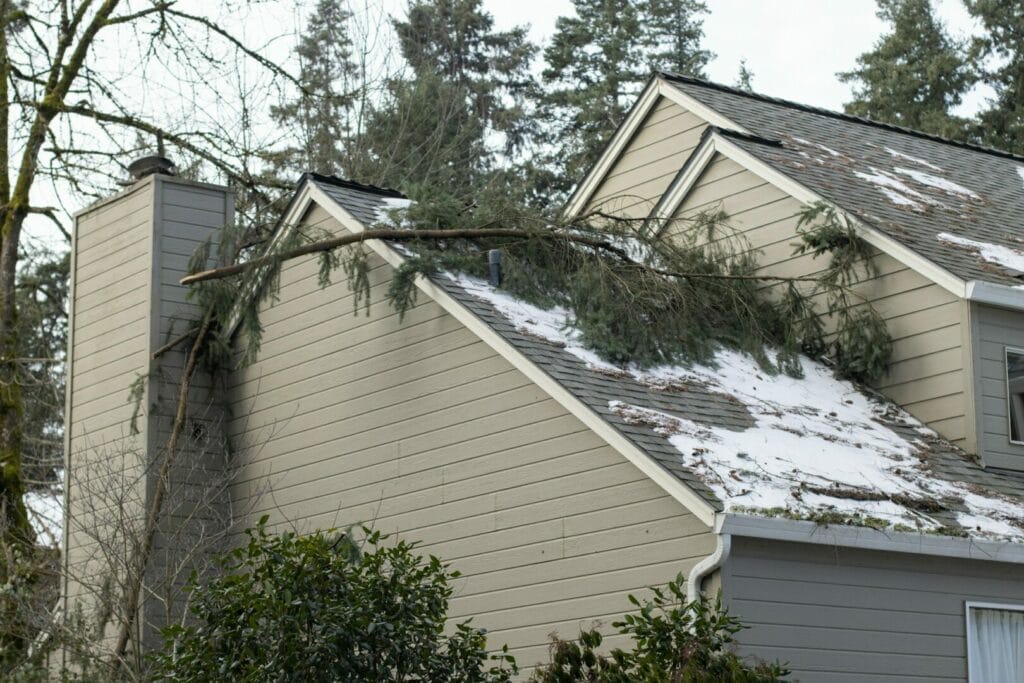
How Tree Branches Can Harm Your Roof Over Time
Tree branches swaying against your roof may seem harmless, but they can cause significant damage over time. While trees add beauty to your landscape, it’s important to be aware of their impact on your home’s structure, especially the roof.
Branches that scrape against shingles can erode them over time, leading to potential leaks and exposing the underlying layers. This can compromise the roof’s ability to protect your home from water and other elements.
During storms, heavy branches may fall, risking not just shingles but overall roof safety. Beyond the immediate damage of a falling branch, there’s the problem of accumulated debris. Leaves and twigs that settle on your roof retain moisture, setting the stage for mold and rot. If left unchecked, this debris can lead to water seeping into your home, causing further damage to the interior.
Keeping an eye on tree branches near your roof is vital for maintaining the health and longevity of your home. Regular maintenance and professional guidance can prevent potential issues, ensuring your roof stays in good shape for years to come.
Structural Damage from Tree Branches
Tree branches can be surprisingly harmful to your roof’s surface when they scrape and rub against it. Over time, this constant abrasion can erode the protective shingles that shield your roof from the elements. The removal of these shingles exposes the underlying layers, making them vulnerable to water infiltration and potential leaks. Even a small persistent brush from a branch can gradually strip away granules from asphalt shingles, ultimately reducing their effectiveness.
Heavy branches pose another serious risk, especially during stormy weather. Strong winds can cause loose or weak branches to break and fall onto your roof. This can result in not only cosmetic damage but also structural problems like dents or holes in the roof. Such incidents can create openings that allow water to seep through and cause even more significant damage over time.
In addition to physical scraping and falling branches, accumulated debris poses a threat to your roofing system. Leaves, sticks, and other materials can gather in roof valleys and gutters, trapping moisture. This constant presence of moisture supports moss and algae growth, which can lead to roof deterioration. The extra weight and decay from debris can compromise the roof’s integrity, making it essential to address these issues promptly to maintain a safe and sound roof.
Overhanging Branches and Their Consequences
When tree branches drape over your roof, they pose a variety of threats that can impact both the roof’s function and the home’s safety. One of the primary dangers is the additional weight those branches place on the roof structure. Over time, this added pressure can lead to sagging or even collapse, particularly if the branches drop during a heavy storm. Keeping branches from resting directly on the roof helps to maintain its structural integrity.
Another concern with overhanging branches is their role as a convenient pathway for pests. Animals like squirrels, raccoons, and insects can use branches to gain access to your roof and attic spaces, causing further problems. Pests can damage roofing materials and potentially create holes that lead to leaks and additionally invite unwanted guests into your home.
Furthermore, branches that overshadow your roof limit exposure to sunlight and restrict proper ventilation. This can lead to increased moisture retention, which encourages mold growth and accelerates roof wear. The lack of sunlight also means the roof takes longer to dry out after rain or snow, creating additional opportunities for water-related issues. Keeping branches trimmed helps maintain good air flow and sunlight exposure, which are critical for a healthy, functioning roof.
Long-Term Effects on Roof Longevity
Repeated contact from tree branches can significantly reduce the lifespan of your roof. The constant abrasion wears down shingles, making them less effective at protecting your home from the elements. Over time, the erosion can lead to leaks and structural damage. Keeping branches at a safe distance helps preserve shingle integrity and maximizes roof longevity.
Debris left by branches also encourages the growth of moss and algae. These organisms thrive in damp environments, which debris can create by holding moisture close to the roof surface. Moss and algae can compromise roofing materials, causing them to deteriorate faster. This not only affects the roof’s appearance but also its ability to perform its protective functions.
Persistent moisture is another issue arising from debris and poor ventilation. It weakens roofing materials, potentially leading to rot and decay. Constant wet conditions can seep into the structure of the roof, causing serious issues like warping or even collapse over time. Taking steps to control debris buildup and ensuring proper ventilation helps safeguard your roof against these damaging effects.
Preventive Measures and Professional Solutions
To protect your roof from the harmful effects of tree branches, regular maintenance is essential. Begin by trimming branches that are in close proximity to your roof. This not only prevents direct contact and potential scraping but also reduces the weight placed on the roof during storms.
Regular inspections are equally important. Checking for signs of wear and debris buildup helps identify potential issues before they become severe problems. Inspections allow for timely solutions that can save you from costly repairs down the line. Scheduled checks ensure your roof remains free of harmful debris and maintains its durability.
Enlisting the help of professionals can make roof maintenance safer and more effective. Expert services like those offered by G.H. Clark Contractors provide tailored solutions that address your specific needs. Professionals have the tools and expertise to safely trim branches and conduct thorough inspections, giving you peace of mind that your roof is in capable hands.
Conclusion
Maintaining a healthy roof is essential to keeping your home safe from weather elements and other damaging factors. Tree branches, though seemingly harmless, can cause immense damage when left unchecked, affecting both the function and lifespan of your roofing system. By understanding these risks and taking proactive steps, you can effectively safeguard your roof from unnecessary harm.
Schedule regular maintenance and inspections for ongoing protection. These measures help maintain roof integrity, prevent complex problems, and ensure your home remains a secure environment. Investing time and effort into roof care not only protects your property’s value but also enhances its longevity.
Ensure your roofing in Annapolis, MD, is in top condition by contacting G.H. Clark Contractors today. Our team of professionals can provide expert advice and solutions tailored to your roof’s unique needs. We are committed to delivering high-quality services that keep your home protected and your roof functioning efficiently. Let us help you maintain your roof’s health and safety for years to come.