The Advantages of Flat Roofs: A Comprehensive Guide
Flat roofs offer several advantages that make them a popular choice for both residential and commercial buildings. Firstly, one of the main benefits of flat roofs is their cost-effectiveness. The construction and installation of a flat roof are generally less expensive compared to other roofing systems, such as pitched roofs. The simple design and easy accessibility of flat roofs make them quicker and more straightforward to install, resulting in reduced labor costs. Additionally, their flat surface allows for efficient use of materials, minimizing waste and further contributing to cost savings. These financial advantages make flat roofs an attractive option for budget-conscious homeowners and business owners alike.
Another significant advantage of flat roofs is their versatility. Unlike pitched roofs, which have limited usable space, flat roofs provide an additional usable area that can be utilized in various ways. The flat surface of the roof can be transformed into a rooftop garden, a recreational space, or even an additional living or storage area. This versatility not only enhances the aesthetic appeal of the building but also increases its functionality and usable square footage. Flat roofs also provide an ideal platform for the installation of solar panels, allowing for eco-friendly energy generation and potential cost savings on electricity bills. The versatility of flat roofs, combined with their cost-effectiveness, makes them a practical and flexible roofing solution for a wide range of buildings and applications.
Low Maintenance, High Returns: The Practical Importance of Flat Roofing
Flat roofing offers numerous practical advantages, making it a highly sought-after option for both residential and commercial buildings. One key benefit of flat roofing is its low maintenance requirements. Unlike sloped roofs, flat roofs do not have intricate designs or multiple angles, which significantly reduces the potential for debris accumulation and damage. This simplicity makes cleaning and inspection easier, saving both time and money in the long run. Additionally, the lack of slopes means that there are no shingles or tiles to replace, minimizing maintenance costs even further. With routine inspections and minor repairs, flat roofs can maintain their integrity for many years, providing a cost-effective solution for property owners.
In addition to low maintenance, flat roofing offers high returns on investment. The practical importance of this lies in the long-term financial benefits it provides. Flat roofs are typically more affordable to install compared to sloped roofs, as they require fewer materials and less labor. This initial cost savings is a significant advantage for property owners looking to maximize their returns. Moreover, flat roofs offer additional usable space. They can be transformed into rooftop gardens, recreational areas, or even solar panel installations. This versatility not only increases the property’s value but also provides potential opportunities for energy savings and environmental sustainability. Overall, flat roofing presents a practical and financially rewarding option for property owners, combining low maintenance requirements with high returns on investment.
The Art of Flat Roof Installation: Best Practices and Techniques
The art of flat roof installation requires a combination of skill, experience, and attention to detail. Flat roofs have their own unique set of challenges compared to pitched roofs, making it crucial to follow best practices and techniques for a successful installation. First and foremost, proper planning is essential. This includes assessing the structural integrity of the building, considering climate factors, and selecting the appropriate materials. Flat roofs must have proper drainage to prevent water pooling, so careful attention should be given to the design and installation of a reliable and effective drainage system. Additionally, the use of high-quality waterproofing membranes and insulation materials is crucial to ensure the longevity and energy efficiency of the roof. A professional installation team should meticulously adhere to manufacturer guidelines, paying close attention to seams, flashings, and penetrations to prevent leaks and ensure a watertight seal. Regular inspections and maintenance are also vital to identify and address any potential issues before they escalate, ensuring the flat roof continues to perform optimally over time.
In addition to proper planning and materials, skilled craftsmanship is essential for flat roof installation. The art lies in achieving a level, smooth surface that can withstand various weather conditions. This requires meticulous attention to detail during the installation process. Expert roofers must have a deep understanding of the specific techniques for laying the chosen roofing material, whether it’s single-ply membranes, built-up roofing, or modified bitumen. They must ensure proper adhesion and secure the materials tightly to the roof deck, while also considering expansion and contraction factors. Proper sealing and flashing around roof edges, penetrations, and transitions are critical to prevent water infiltration. The art of flat roof installation also involves efficient project management, clear communication, and adherence to safety standards. By combining technical expertise, attention to detail, and craftsmanship, a well-executed flat roof installation can provide a durable, functional, and aesthetically pleasing solution for a wide range of buildings.
Flat Roof Installation: Common Mistakes to Avoid
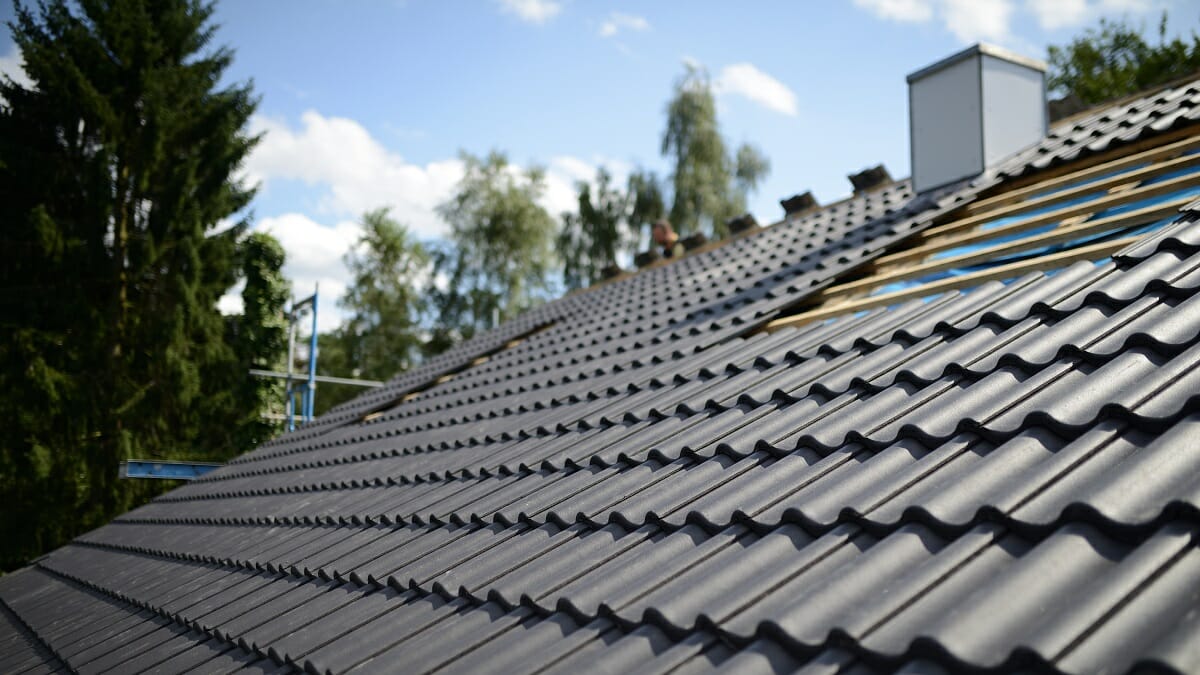
Flat roof installation requires careful planning and execution to ensure a durable and watertight structure. However, there are several common mistakes that people often make during the installation process. By being aware of these mistakes, you can avoid costly repairs and ensure the longevity of your flat roof.
One common mistake is inadequate slope or drainage. Flat roofs should not be entirely flat; they need a slight slope to allow water to drain properly. Failing to provide adequate slope can lead to water pooling on the roof, which can cause leaks and structural damage over time. It is essential to work with a professional roofer who understands the proper slope requirements and can install a reliable drainage system to prevent water buildup.
Another mistake is using improper materials or poor quality products. Flat roofs are subjected to constant exposure to the elements, including UV rays, extreme temperatures, and heavy rainfall. Using low-quality materials or incorrect roofing products can result in premature deterioration and leaks. It is crucial to select high-quality materials suitable for flat roofs, such as durable roofing membranes or built-up roofing systems, and ensure they are installed correctly. Hiring an experienced roofing contractor who specializes in flat roofs can help you avoid these material-related mistakes and ensure a successful installation.
Maintenance and Upkeep: Extending the Lifespan of Your Flat Roof Installation
Maintenance and upkeep play a crucial role in extending the lifespan of a flat roof installation. Regular inspection and maintenance can help identify and address issues before they escalate into major problems. Here are some key steps to ensure the longevity of your flat roof:
- Regular Inspections: Schedule regular inspections at least twice a year, ideally in the spring and fall, and after severe weather events. Check for signs of damage, such as cracks, blistering, or pooling water. Inspect the flashing around vents, chimneys, and skylights to ensure they are intact and properly sealed. Look for any loose or damaged roofing materials.
- Clear Debris: Flat roofs are prone to accumulating debris like leaves, branches, and dirt. Remove debris regularly to prevent clogging of drainage systems and the potential for water pooling. Clogged drains can lead to water damage and deterioration of the roof structure. Keep the roof surface clean to prevent algae or moss growth, which can cause damage over time.
- Ensure Proper Drainage: Flat roofs rely on an effective drainage system to prevent water buildup. Ensure that gutters, downspouts, and drains are clear and functioning correctly. Inspect and clean them regularly, removing any blockages or debris. Improper drainage can lead to ponding water, which can weaken the roof and cause leaks.
- Repair Promptly: Address any issues or damage promptly to prevent further deterioration. Small cracks or leaks should be repaired immediately to prevent water intrusion. Replace damaged or missing shingles or roofing materials promptly. Ignoring repairs can lead to more significant problems and costly repairs down the line.
- Professional Maintenance: Consider hiring a professional roofing contractor for regular maintenance and inspections. They have the expertise to identify potential issues and perform repairs correctly. Professional maintenance can help catch problems early on and ensure that the roof is in good condition.
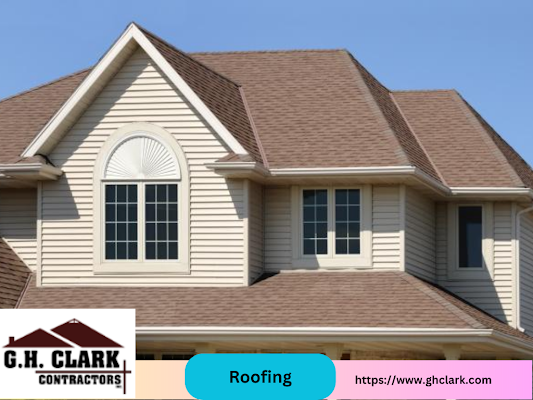
Roofing Reinvented: The Beauty of Flat Roof Designs
Flat roof designs have revolutionized the world of roofing, offering a unique and modern aesthetic that complements contemporary architectural styles. Unlike traditional pitched roofs, which have a sloping structure, flat roofs have a horizontal plane that creates a sleek and minimalist look. This design choice has gained popularity among homeowners and architects alike for its versatility and numerous advantages.
One of the key benefits of flat roof designs is their practicality in urban environments. With space becoming increasingly limited in cities, flat roofs provide an efficient use of available area. Homeowners can transform their flat roofs into functional outdoor living spaces, such as rooftop gardens, lounges, or even recreational areas. These flat roof extensions not only expand the usable square footage of a property but also enhance the overall living experience by providing a private oasis amidst the hustle and bustle of city life.
Conclusion
In conclusion, the comprehensive guide on the advantages of flat roofs provided by G.H. Clark Contractors offers valuable insights into the benefits of opting for this roofing style. Firstly, flat roofs provide increased usable space. Unlike pitched roofs, flat roofs offer a level surface that can be utilized for various purposes such as rooftop gardens, solar panel installations, or recreational areas. This maximizes the functional potential of the property and provides additional living or commercial space. Moreover, flat roofs are more accessible and easier to maintain. Due to their low slope design, flat roofs can be easily accessed for inspection, repairs, and cleaning. This accessibility not only simplifies routine maintenance but also reduces the associated costs and time required for these tasks.