How to Identify If Your Roof Ventilation Is Working Correctly
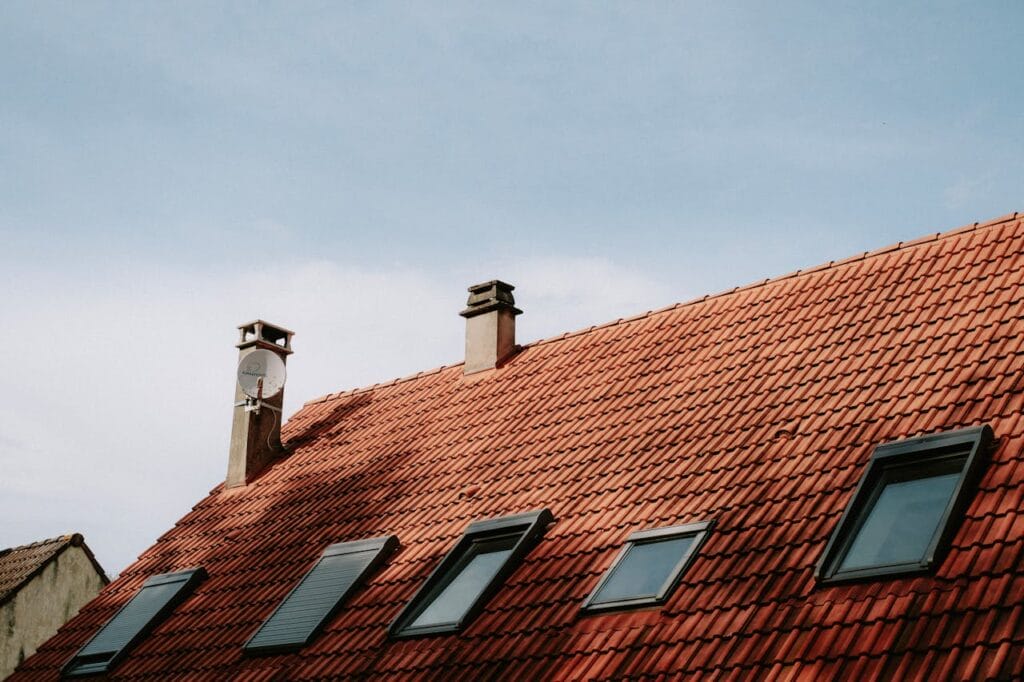
A well-ventilated roof plays a crucial role in keeping your home comfortable and energy-efficient. Many people may not think about roof ventilation, but it affects essential aspects of daily living like air quality and temperature control. Without proper airflow, your home can suffer from a range of problems that go unnoticed until significant damage requires attention.
The Importance of Proper Roof Ventilation
Proper roof ventilation plays a vital role in maintaining home energy efficiency. When air moves freely in and out of your attic, it helps regulate the temperature, reducing the strain on your heating and cooling systems. This balance means your HVAC system doesn’t have to work hard to keep your home comfortable, which can reduce energy bills and extend the life of your equipment.
Ventilation also affects the indoor air quality by allowing fresh air to circulate. Stuffy attics or areas with limited airflow can lead to an accumulation of pollutants and allergens. By ensuring good ventilation, you promote healthier air quality throughout your home, benefiting everyone’s well-being.
Preventing moisture buildup is another critical function of proper ventilation. Without it, moisture can accumulate, leading to mold, mildew, and even structural damage. When air circulates correctly, it reduces humidity levels and dries out any moisture-laden areas, protecting your home from potential decay and costly repairs. Proper ventilation ensures that moisture doesn’t weaken your beam, insulation, or ceiling materials. Keeping an eye on your home’s ventilation benefits the entire structure and contributes to a healthier living space.
Signs of Poor Roof Ventilation
Recognizing the signs of poor roof ventilation is key to maintaining your home in good health. One common symptom is experiencing uneven temperatures throughout your home. If certain rooms feel hotter or colder than others, especially across different floors, it may indicate poor airflow.
Another sign of poor ventilation is a stuffy attic. If your attic seems excessively warm or has a stale smell, these are clues that ventilation may be inadequate. You might also notice condensation marks or mold on the underside of the roof. Mold growth signals excess moisture and a lack of proper air circulation.
Frequent HVAC issues can also indicate ventilation problems. If your HVAC system requires regular maintenance or doesn’t seem to keep the house at a consistent temperature, poor roof ventilation might be the culprit. Finally, take note of your energy bills. Unexplained increases could mean that your system is working overtime due to poor air ventilation. Addressing these signs promptly and seeking professional evaluation can prevent escalating issues and keep your home comfortable and efficient.
How to Check Your Roof Ventilation System
Inspecting your roof ventilation system is crucial for maintaining a healthy home environment. Start by checking your vents for blockages. Make sure nothing is obstructing the vents from the inside or outside. Look for signs of nests, debris, or any material that could stop air from flowing freely. Clear any blockages to ensure the vents are operating correctly.
Next, examine your attic spaces for airflow issues. Enter your attic and feel the air. If it feels stuffy or there are noticeable drafts, these could be signs of ventilation problems. Use a flashlight to check for signs of moisture or mold growth on the beams and insulation. Ensure that the intake and exhaust vents aren’t blocked or covered by insulation.
Lastly, check the compatibility of your insulation. Proper insulation is essential for effective ventilation. Ensure that it provides thermal protection without blocking ventilation paths. Insulation should not obstruct vent openings; this ensures easy airflow. If you’re unsure about the inspection process, consider reaching out to professionals for an accurate evaluation and guidance on proper insulation and ventilation.
Professional Solutions for Ventilation Issues
Enlisting professional help is your best bet for addressing roof ventilation issues efficiently. Start by scheduling a professional inspection to evaluate how well your system is functioning. A detailed inspection will pinpoint any problems and provide a clear roadmap for improvement. Professionals can check areas that are hard to reach and identify issues you might miss.
Consulting experts is vital for improving existing ventilation systems. With their knowledge and experience, they can suggest enhancements tailored to your home’s specific needs. This might include installing additional vents or adjusting current setups for optimal airflow. They can guide materials and techniques to ensure your system is working as it should.
There’s a clear advantage to hiring professionals: they offer safe, thorough, and efficient maintenance. Working on roofs can be dangerous, and a professional has the right skills and equipment to handle these tasks safely. Trusting your home to experts means you’ll have peace of mind knowing everything is done correctly. Hiring trained professionals ensures that the work is completed accurately and effectively, keeping your home safe and comfortable.
Conclusion
Checking your roof ventilation system and addressing any issues is crucial for maintaining your home’s comfort and energy efficiency. Having proper roof ventilation extends the life of your roof and helps maintain a pleasant temperature throughout your home. By learning the signs of poor ventilation and understanding how to evaluate your system, you ensure your home’s system functions as needed.
If you’re noticing signs like uneven temperatures or increased energy bills, it’s time to take action. Let G.H. Clark Contractors provide the expertise you need to ensure your roof ventilation is working correctly. Our roofers in Maryland are ready to help you with professional evaluations and solutions that protect your home for years to come. Call us today to schedule a consultation and experience the peace of mind our expert services provide!