Top Signs Your Attic Ventilation Needs an Overhaul
Attic ventilation might not be the first thing that comes to mind when you think about your home’s comfort, but it’s surprisingly important. Having the right amount of air flowing through your attic can make a big difference in how your house feels and how hard your air conditioner needs to work. It also plays a key role in keeping your roof in good shape over the years. When attic ventilation isn’t up to par, it can lead to issues that affect both the interior comfort of your home and the lifespan of your roofing materials.
Let’s think about it like a room, packed with people on a hot summer day. Without a window or a fan, the warmth and sweat make things uncomfortable quickly. Similarly, when your attic can’t breathe properly, it can heat up, causing uneven temperatures throughout your home. Understanding the signs that your attic ventilation needs a refreshing overhaul can save your home efficiency headaches and prevent damage, ensuring a comfortable living environment year-round.
Increase in Indoor Temperatures
When attic ventilation is lacking, one of the first things you might notice is a rise in indoor temperatures. Poor ventilation traps hot air in the attic, which then seeps into the living areas, making your home feel warmer than it should. This extra heat forces your AC to work harder, leading to higher cooling bills and possible strain on your HVAC system. Imagine your house as an oven. When the heat isn’t allowed to escape, everything inside feels hotter.
A few tell-tale signs indicate that poor attic ventilation might be causing your home to heat up.
– Inconsistent indoor temperatures: You might notice some rooms feel much warmer than others, especially those directly underneath the attic.
– Higher energy bills: If your cooling costs seem to be rising for no apparent reason, inadequate attic ventilation could be the culprit.
– Rapid temperature changes: If areas of your home warm up quickly during the day but take a long time to cool off at night, it might be due to trapped heat in the attic.
Additionally, these warm conditions in the attic can lead to your roof materials aging prematurely. Over time, the excessive heat can cause shingles to warp or crack, reducing their effectiveness and lifespan. Addressing ventilation issues can help maintain a more pleasant indoor climate and protect your roof from unnecessary wear and tear.
Excessive Moisture Buildup and Mold Growth
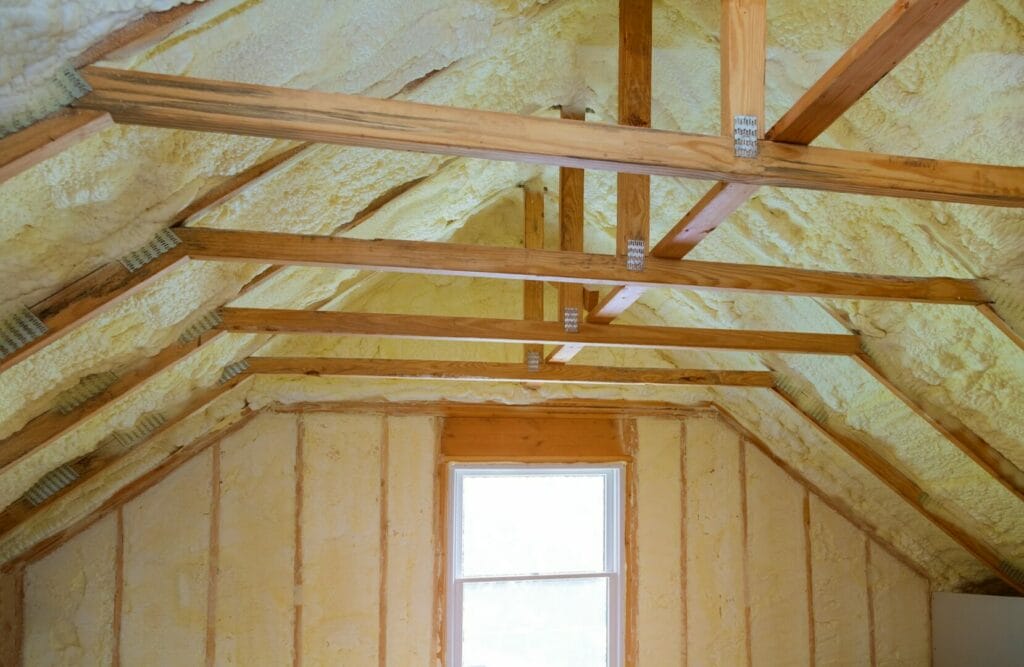
Another concern with poor attic ventilation is the buildup of moisture. Without adequate airflow, moisture gets trapped in your attic, creating a perfect environment for mold and mildew. This trapped moisture can cause damage not just to your attic’s wooden structures but also to the insulation, reducing its effectiveness and leaving you with a damp, moldy mess to clean up.
If you’ve ever noticed a musty smell lingering in your home or visible mold patches on your rafters, these are strong signs that something isn’t right with your attic’s ventilation. Mold isn’t just an eyesore; it’s a health hazard, potentially triggering allergies and respiratory issues for anyone living under your roof.
Moreover, excessive moisture is notorious for damaging roof structures. Wood susceptible to rot can compromise the stability and safety of your entire roof system. Regular checks for discoloration on wood surfaces, soggy insulation, and warped wooden beams are crucial for spotting early signs of moisture problems in your attic.
By ensuring proper ventilation, you can significantly reduce the humidity levels and keep potential mold growth at bay, creating a healthier home environment and safeguarding your roof’s structural integrity.
Ice Dams Forming During Winter
Winter can create its own set of problems when attic ventilation is lacking, one of the most visible being ice dams. These occur when warm air from your heated home escapes into the attic, causing the roof to heat unevenly. As a result, snow melts, runs down the roof, and refreezes at the edges, forming thick ridges of ice. These can trap water on the roof, increasing the risk of leaks into your living space.
Recognizing the signs of ice dams can help curb more severe issues:
– Icicles hanging along the roof’s edge: While they may appear pretty, they could indicate melting snow refreezing due to inadequate ventilation.
– Water stains: Stains on ceilings or walls, especially those on the top floor, suggest that melting snow isn’t draining as it should.
Proper attic ventilation helps maintain a uniform temperature on the roof surface, minimizing the risk of snow melting and refreezing. This not only protects your roof but also prevents water damage inside your home.
Noticeable Attic Smell and Poor Air Quality
Have you noticed a musty, unpleasant odor coming from your attic? Poor ventilation might be to blame. Stagnant air in the attic can lead to a buildup of bad smells, similar to the way a closed-up cabin in the woods smells when first opened. This can significantly affect indoor air quality, influencing the overall comfort of your home.
Here’s what to look out for:
– Musty or stale odor: This might indicate poor air circulation.
– Increased allergy symptoms: More dust and allergens may collect, impacting air quality.
Ensuring your attic has sufficient ventilation can greatly improve air quality, making your home healthier and more pleasant to live in.
Increased Wear and Tear on Roofing Materials
Attics lacking proper ventilation can cause your roof shingles to age prematurely. The excessive heat buildup can make shingles curl, crack, or become brittle, leading to potential water damage or decreased protection from the elements. This might lead to more frequent and costly roof repairs than necessary.
Key indicators of wear and tear include:
– Curled or bent shingles: Indicates heat damage.
– Cracked shingles: Allow water to seep in, potentially leading to leaks.
Maintaining suitable ventilation is a simple yet effective way to extend the lifespan of your roofing materials, helping save on repair costs and ensuring your home remains protected through diverse weather conditions.
Maintain Comfort and Safety at Home
Keeping an eye on attic ventilation is a step often overlooked, yet it holds significant importance for both house comfort and roof longevity. Regular inspections can help you catch problems early and avoid larger headaches down the line. By addressing ventilation issues promptly, you can prevent costly repairs, improve energy efficiency, and enhance the overall wellbeing of your home.
Attic ventilation is more than just keeping a draft flowing—it’s about ensuring each part of your home and roof structure contributes to a safe, comfortable living space. Taking the time to address ventilation needs will result in a more dependable roof and a happier home environment, safeguarding your investment for the long term.
Sealing up issues with attic ventilation not only preserves your home’s integrity, but it also ensures a smoother, more comfortable living experience. If you’re in Maryland and suspect your attic might need a professional touch, rely on experienced roofers in Maryland to get the job done. G.H. Clark Contractors has the expertise to address all your roofing and ventilation needs, making sure your home stays comfortable and safe no matter the season.