Siding Prince Frederick

The Benefits of Quality Siding for Your Southern Maryland Home

Siding is more than just an aesthetic feature of your Southern Maryland home; it’s a vital shield against the region’s unique weather challenges. The benefits of quality siding extend far beyond mere curb appeal. From protecting your home against the elements to enhancing its energy efficiency and resale value, the advantages are substantial. In this article, we’ll delve into why investing in top-quality siding is a wise decision for Southern Maryland homeowners, exploring the numerous ways it can safeguard and elevate your property. So, let’s get started on this journey of discovering the hidden treasures of quality siding!
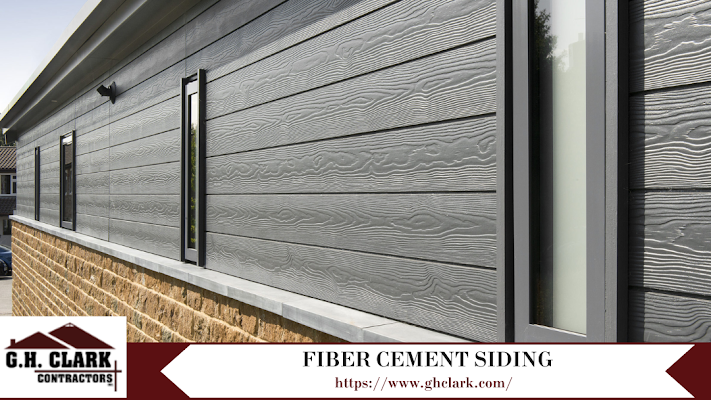
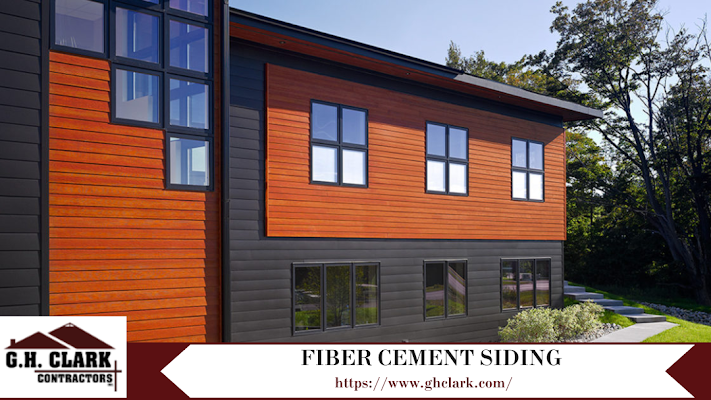
Fiber cement siding

The Southern Maryland Climate

The climate in Southern Maryland is a defining characteristic of the region, shaping the lifestyle and maintenance needs of its residents. Nestled between the Chesapeake Bay and the Potomac River, Southern Maryland experiences a unique climate that combines elements of both maritime and continental influences. Understanding this climate is crucial when considering the benefits of quality siding for your home.

  • Humidity and Moisture: Southern Maryland is known for its relatively high humidity levels throughout the year. This moisture-laden air can take a toll on the exterior of your home, leading to issues like mold, mildew, and rot if not properly managed. Quality siding plays a critical role in sealing your home and preventing excess moisture infiltration.
  • Hot Summers: Southern Maryland residents are no strangers to hot and humid summers, with temperatures often exceeding 90°F (32°C). This can cause your home’s exterior to expand and contract, making it vulnerable to cracks and damage. High-quality siding materials are designed to withstand these temperature fluctuations, ensuring your home remains protected year-round.
  • Rainfall and Storms: The region experiences a fair amount of rainfall throughout the year, which, when combined with occasional storms, can put additional stress on your home’s exterior. Quality siding acts as a barrier against heavy rain and strong winds, preventing water damage and maintaining the structural integrity of your home.
  • Winter Chill: While Southern Maryland winters are milder than some northern states, they can still bring chilly temperatures and occasional snowfall. Siding with good insulation properties can help keep your home warm and cozy during the winter months, reducing heating costs and improving overall comfort.
  • Salt Air Exposure: For those living near the coast, exposure to salt air is a common concern. The salt in the air can corrode and deteriorate exterior surfaces over time. Quality siding materials are often designed to resist the corrosive effects of salt air, making them an excellent choice for coastal properties.

Energy Efficiency

Energy efficiency is a paramount consideration for homeowners in Southern Maryland, where the climate can bring scorching summers and chilly winters. Quality siding plays a significant role in enhancing the energy efficiency of your home, offering a range of benefits that go beyond just keeping your utility bills in check.

  • Insulation: Quality siding materials often come with excellent insulation properties. They help create a thermal barrier around your home, reducing heat transfer and keeping your interior spaces more comfortable year-round. This insulation helps lower your heating and cooling costs.
  • Reduced Energy Bills: Thanks to the improved insulation provided by quality siding, your home requires less energy to maintain a consistent temperature. This translates into lower energy bills, helping you save money over the long term.
  • HVAC Efficiency: When your home is well-insulated due to quality siding, your heating and cooling systems don’t have to work as hard to maintain the desired temperature. This reduced strain on your HVAC system can extend its lifespan and reduce the need for costly repairs.
  • Climate Control: Southern Maryland’s climate can be unpredictable, with hot summers and chilly winters. Quality siding helps regulate indoor temperatures, ensuring your home stays cool in the summer and warm in the winter, all while minimizing the use of heating and cooling systems.
  • Environmental Benefits: Energy-efficient homes contribute to a reduced carbon footprint. By investing in quality siding that improves insulation and reduces energy consumption, you’re not only saving money but also helping the environment by decreasing greenhouse gas emissions associated with energy production.
  • Increased Home Value: Energy-efficient features, including quality siding, are attractive to potential buyers. When it’s time to sell your Southern Maryland home, the improved energy efficiency can make your property more appealing and potentially fetch a higher resale value.
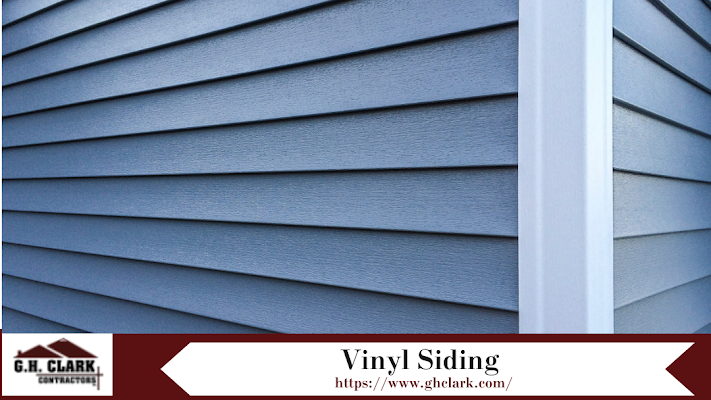
vinyl siding

Curb Appeal and Aesthetic Enhancement

Enhancing your Southern Maryland home’s curb appeal is more than just a superficial endeavor. Quality siding transforms your property’s exterior, giving it a fresh, polished appearance. Whether you opt for classic vinyl siding, charming wood textures, or modern fiber cement, the variety of styles and colors available allows you to customize your home’s look to match your taste. 

A visually appealing home not only impresses neighbors and passersby but also significantly boosts its market value. Moreover, the enhanced curb appeal can instill a sense of pride and satisfaction in homeowners, making quality siding an investment that combines beauty and lasting value.

Durability and Longevity

When it comes to your Southern Maryland home, durability and longevity are paramount, especially in the face of the region’s weather challenges. Quality siding materials are engineered to withstand the elements, from the high humidity of summers to the occasional winter chill and storms. 

These materials, whether vinyl, fiber cement, or other options, are designed to resist rot, warping, cracking, and fading. With minimal maintenance, quality siding can last for decades, providing long-term protection for your home’s structure. This durability not only ensures your investment stands the test of time but also reduces the need for frequent repairs and replacements, ultimately saving you money.

Protection Against Pests and Moisture

In the humid climate of Southern Maryland, quality siding offers vital protection against two common threats: pests and moisture. Well-installed siding forms a sturdy barrier that prevents pests like termites, ants, and rodents from infiltrating your home. It also guards against moisture intrusion, which can lead to mold, mildew, and structural damage. 

Quality siding materials and proper installation techniques work in tandem to keep your home dry and pest-free, ensuring the longevity of your property and preserving indoor air quality. By investing in quality siding, you’re safeguarding your Southern Maryland home against the relentless challenges posed by the region’s climate and environment.

Return on Investment (ROI)

Investing in quality siding for your Southern Maryland home not only enhances its appearance and protection but also offers a significant return on investment (ROI). Improved curb appeal and energy efficiency can increase your home’s resale value, potentially fetching a higher price when you decide to sell. 

Additionally, quality siding materials require less maintenance, saving you money in the long run. With lower energy bills and reduced repair costs, your ROI continues to grow over time. This smart investment not only enhances your home’s aesthetic and durability but also proves to be a financially rewarding choice, making it a wise decision for homeowners in Southern Maryland.
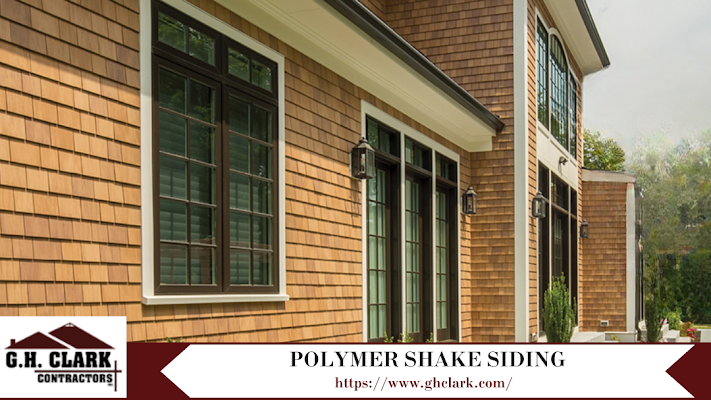
Polymer siding

Hiring a Professional Siding Contractor

Investing in quality siding for your Southern Maryland home is a wise decision, but the success of your siding project hinges on one crucial factor: hiring a professional siding contractor. While DIY enthusiasts may be tempted to tackle the job themselves, there are several compelling reasons to entrust this task to experienced professionals. Here are some reasons why it’s essential:

  • Expertise: Professional siding contractors have the expertise and experience to assess your home’s specific needs accurately. They can recommend the right siding materials and installation techniques tailored to your climate and preferences.
  • Quality Installation: Skilled contractors ensure that siding is installed correctly, minimizing the risk of future issues like leaks or warping. Their precise workmanship guarantees that your siding will provide maximum protection and durability.
  • Compliance with Codes: Professionals are familiar with local building codes and regulations in Southern Maryland. They ensure that your siding project meets all legal requirements, avoiding potential fines or complications.
  • Warranty Coverage: Many siding manufacturers offer warranties, but they often require professional installation for coverage to be valid. Hiring a pro ensures that you can take advantage of these warranties in case of defects or issues.
  • Time Efficiency: Siding projects can be time-consuming for homeowners. Professional contractors have the tools, equipment, and skilled crew to complete the job efficiently, minimizing disruption to your daily life.
  • Insurance and Liability: Reputable contractors are insured and bonded, protecting you from liability in case of accidents or property damage during the project. This provides peace of mind throughout the siding installation process.

Conclusion

The advantages of quality siding for your Southern Maryland home are undeniable. From weathering the region’s unique climate challenges to enhancing energy efficiency, aesthetics, and protection against pests and moisture, the benefits are manifold. Additionally, the significant return on investment, both in terms of reduced energy costs and increased property value, makes quality siding a wise choice. 

To experience these benefits firsthand and safeguard your home, don’t hesitate to take the first step. Contact us today to discuss your siding needs with our experienced professionals. Your Southern Maryland home deserves nothing less than the best, and we’re here to deliver it.

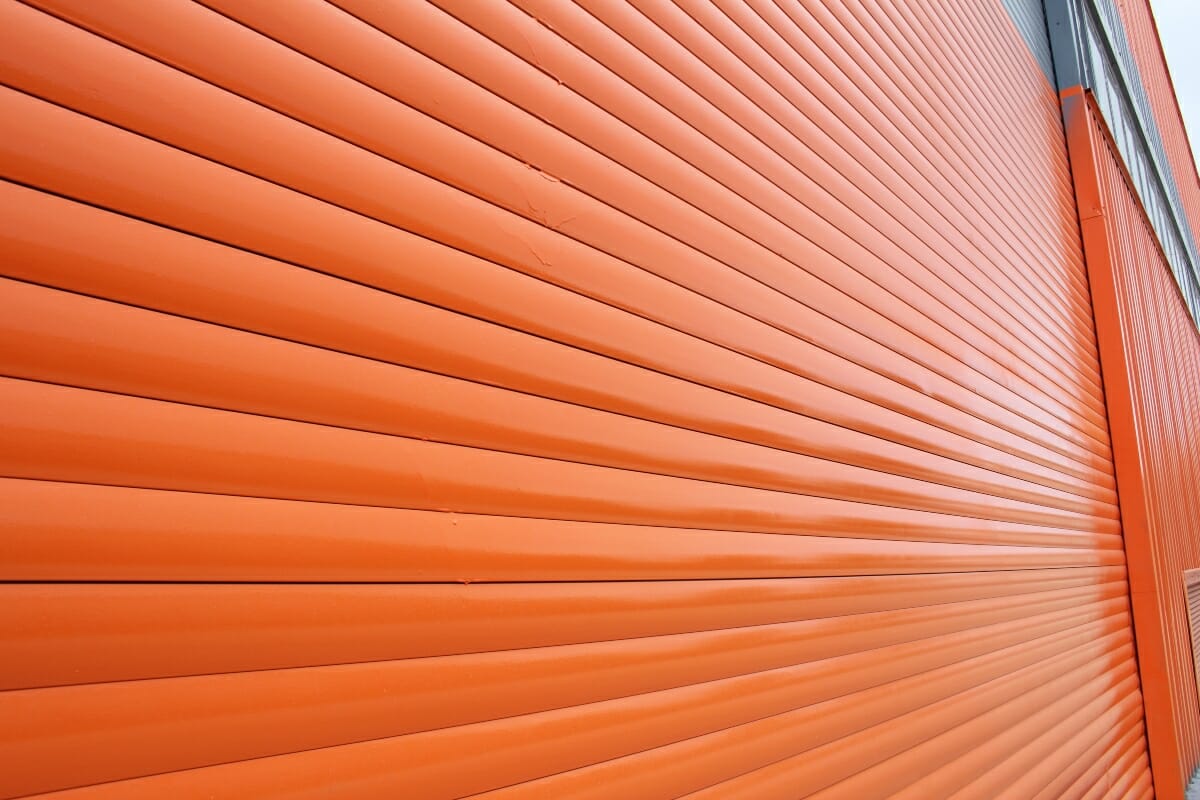
 

Broken Siding In Annapolis Area Of Southern Maryland

Boosting Curb Appeal: Siding Installation in Southern Maryland

Southern Maryland, a region characterized by its picturesque landscapes, historical charm, and thriving communities, boasts a unique blend of urban and rural aesthetics. Amidst this diverse backdrop, homeowners in Southern Maryland understand the significance of curb appeal like no other. Your home’s exterior is more than just a façade; it’s a statement, a reflection of your pride and commitment. In this blog, we delve into the art of siding installation in Southern Maryland, exploring how this transformational endeavor can breathe new life into your home, elevating its appeal in ways that resonate with the region’s distinct character.

aluminum siding

What is Siding Installation?

Siding installation is the process of affixing exterior cladding or covering materials to the walls of a building, primarily residential homes. This crucial home improvement task serves multiple purposes, including enhancing a property’s aesthetics, protecting it from the elements, and increasing energy efficiency. Siding materials can vary, with popular options such as vinyl, fiber cement, wood, and brick veneer. 

The installation involves precise measurements, cutting, and secure attachment of these materials to the structure’s framework, creating a seamless, weather-resistant barrier. Siding installation not only beautifies a home but also provides insulation and shields it from moisture, wind, and other environmental factors, ultimately contributing to its longevity and value.

Siding Options for Southern Maryland Homes

Southern Maryland’s diverse climate and architectural styles make choosing the right siding material a critical decision for homeowners. Here are some popular siding options for homes in this region:

  • Vinyl Siding: Southern Maryland homeowners prefer vinyl siding due to its affordability, low maintenance, versatility, and resistance to pests, rot, and fading. Available in various colors and styles, it’s suitable for the region’s climate.
  • Fiber Cement Siding: Fiber cement siding is a popular choice in Southern Maryland homes due to its durability, resistance to moisture, termites, and fire, and its ability to mimic the look of wood, brick, or stucco.
  • Wood Siding: Wood siding in Southern Maryland requires regular staining or painting to protect it from moisture and pests, but homeowners appreciate its timeless appeal and are willing to invest in its maintenance.
  • Brick Veneer: Brick veneer in Southern Maryland offers a sophisticated, classic look, excellent durability, and insulation, making it a popular choice among homeowners for its timeless aesthetic and high cost.

Benefits of Siding Installation

Siding installation offers a multitude of benefits for homeowners, ranging from improved aesthetics to enhanced structural integrity. Here are some key advantages of siding installation:

  • Enhanced Curb Appeal: One of the most noticeable benefits of siding installation is the immediate improvement in the appearance of your home. New siding can transform an outdated or weathered exterior into a fresh and attractive one, increasing the curb appeal and overall aesthetics of your property.
  • Increased Energy Efficiency: Siding installation often includes adding insulation to your home’s exterior. This extra layer of insulation helps regulate indoor temperatures more effectively, reducing the need for excessive heating or cooling. As a result, you can enjoy lower energy bills and a more comfortable living environment.
  • Improved Durability: Modern siding materials are designed to withstand harsh weather conditions, including rain, wind, and UV rays. This durability not only protects your home from the elements but also reduces the need for frequent maintenance and repairs, saving you time and money in the long run.
  • Low Maintenance: Most siding options require minimal maintenance compared to traditional materials like wood. Siding installation typically means you won’t need to paint, stain, or seal your home’s exterior as frequently. Occasional cleaning is usually sufficient to keep your siding looking its best.
  • Protection from Moisture and Pests: Siding acts as a barrier, preventing moisture from seeping into your home’s structure. It also deters pests like termites and woodpeckers, which can cause significant damage to your home if left unchecked.
  • Increased Home Value: Siding installation is a home improvement project that often yields a high return on investment (ROI). A well-maintained and visually appealing exterior significantly increases the resale value of your home, making it an attractive option for potential buyers should you decide to sell.

VINYL SLIDING

Choosing the Right Siding Contractor

Selecting the right siding contractor is a crucial step in ensuring a successful siding installation project. Here are some key considerations to help you make an informed decision:

  • Experience and Expertise: Choose contractors with a proven track record in siding installation, demonstrating familiarity with various materials, techniques, and regional challenges, such as Southern Maryland’s.
  • Licensing and Insurance: Ensure the contractor is licensed and insured in your area, as a valid license demonstrates professionalism and adherence to local regulations, while insurance protects both parties in case of accidents or property damage.
  • Portfolio and References: To evaluate a contractor’s siding project quality, request their portfolio and ask for references from past clients. This will help you determine if their style aligns with your preferences.
  • Written Estimates and Contracts: Obtain written estimates from multiple contractors, detailing work scope, materials, labor costs, and timeline, and ensure a formal contract with all terms and conditions before starting the project.
  • Local Reputation: Research the contractor’s reputation in your local community. Online reviews, recommendations from neighbors or friends, and information from the Better Business Bureau can provide insights into their reliability and customer satisfaction.
  • Communication and Responsiveness: Choose a contractor who is responsive, addresses concerns promptly, maintains clear lines of communication, listens to your ideas, and provides informed recommendations to meet your expectations throughout the project.

The Siding Installation Process

The siding installation process involves several key steps to ensure that the siding is properly installed and provides the desired benefits. Here’s an overview of the typical siding installation process:

  • Pre-installation Inspection: Before siding installation, a thorough exterior inspection is conducted to assess the existing siding, identify structural issues, and identify areas requiring repairs or modifications for a smooth installation process.
  • Removal of Old Siding (if applicable): The contractor will meticulously remove old siding from your home’s exterior, ensuring the underlying structure is unharmed and ready for the new siding, ensuring the home’s exterior is safe and functional.
  • Installation of New Siding: The installation of new siding material involves precise measurements, cutting to fit architectural features, and securing it to the home’s framework, with the goal of creating a tight, weather-resistant seal after the preparatory work is completed.
  • Quality Control and Inspections: The contractor will conduct quality control checks during the installation process to ensure proper alignment, leveling, and secure fastening of the siding, identifying any issues and adhering to industry standards.
  • Cleanup and Disposal: The contractor is responsible for cleaning up the job site after installing and inspecting the siding, ensuring proper disposal of debris, excess materials, and old siding remnants for a safe environment.
  • Final Walkthrough and Customer Satisfaction: The final step involves a homeowner walkthrough to assess the siding installation, address any remaining questions, and provide contractor information on maintenance and care of the new siding.

gray siding

Siding Maintenance Tips

Proper siding maintenance is essential to ensure the longevity and attractiveness of your home’s exterior. Here are some siding maintenance tips to help you keep your siding in excellent condition:

  • Regular Cleaning: Periodically clean your siding to remove dirt, dust, and mildew. Use a soft-bristle brush or a pressure washer on a low setting to avoid damaging the siding material. Start from the top and work your way down, rinsing thoroughly with water.
  • Inspect for Damage: Conduct regular inspections to check for any signs of damage, such as cracks, chips, or loose siding panels. Address any issues promptly to prevent moisture from seeping in and causing further damage.
  • Paint or Stain Maintenance: If you have painted or stained siding, monitor the condition of the finish. Repaint or restain as needed to protect the siding from UV rays and moisture. Follow the manufacturer’s recommendations for the appropriate paint or stain products.
  • Trim Vegetation: Keep trees, bushes, and other vegetation trimmed away from your siding. Overhanging branches can scratch or damage the siding, and plants too close to the house can trap moisture against it, leading to mold or mildew growth.
  • Repair Caulking and Seals: Check the caulking and seals around windows, doors, and other openings regularly. Replace any deteriorating or cracked caulk to maintain a tight seal and prevent water infiltration.
  • Prevent Pest Infestations: Be vigilant against pests like termites and woodpeckers, which can damage siding. If you notice signs of infestation, consult a professional pest control service for appropriate treatment and prevention measures.

Cost Considerations

When considering siding installation costs, several factors come into play. The size and layout of your home, the choice of siding material, labor expenses, and additional features like insulation or trim all influence the overall cost. In Southern Maryland, climate considerations may also affect the choice of siding material, potentially impacting costs. 

It’s essential to obtain multiple quotes from reputable contractors, ensuring transparency in pricing and scope of work. Keep in mind that while upfront costs may vary, investing in quality siding and professional installation can yield long-term benefits in terms of energy efficiency, durability, and enhanced property value.

Conclusion

Boosting curb appeal through siding installation in Southern Maryland is not merely a home improvement project; it’s an investment in your property’s aesthetics, durability, and overall value. The array of siding materials available allows homeowners to tailor their choices to their unique preferences and the regional climate. As you embark on this transformative journey, remember that the right siding installation can enhance both the beauty and functionality of your home. 

If you’re ready to embark on this journey and elevate your home’s curb appeal, contact us today. Our experienced team is here to guide you through the process and make your vision for your Southern Maryland home a reality.

Vinyl Siding Installation

Protect Your Home from the Elements with Siding Prince Frederick

Ensuring the longevity and durability of your home is paramount, and safeguarding it from the harsh elements is crucial. From relentless rain to scorching sun and freezing winters, Mother Nature can take a toll on your property. That’s where Siding Prince Frederick comes into play as a reliable solution. In this blog, we’ll delve into the significance of shielding your home, explore the benefits of Siding Prince Frederick, and offer valuable insights into various siding options, installation techniques, maintenance tips, and more. Join us on this journey to fortify your home and enhance its resilience against nature’s forces.

7 Amazing Things You Didn't Know About House Siding

Understanding the Elements

Your home is constantly under siege from the relentless forces of nature. It’s crucial to comprehend the diverse elements that can wreak havoc on your sanctuary.

  • Rain and Moisture: Rain and moisture pose a significant threat, seeping into cracks and causing rot, mold, and structural damage.
  • Wind and Storms: Strong winds and storms can tear off roofing, siding, and even uproot trees, leading to extensive destruction.
  • UV Radiation and Sun Damage: The sun’s UV rays can fade paint, warp wood, and weaken materials, impacting both aesthetics and structural integrity.
  • Extreme Temperatures: Extreme cold and heat can strain your home’s systems, leading to energy inefficiency and costly repairs.

Awareness of these elements and their potential damage is the first step toward safeguarding your home from nature’s unrelenting forces.

The Role of Siding

Siding is your home’s unsung hero, a protective shield against the elements. It’s the exterior cladding that not only enhances curb appeal but also plays a vital role in safeguarding your investment.

What is siding, and how does it work?

Siding is a protective covering installed on the exterior walls of a building. Its primary purpose is to shield your home from the elements, acting as a barrier against rain, wind, UV radiation, and extreme temperatures. Siding also provides insulation, enhancing energy efficiency and reducing heating and cooling costs.

The protective properties of Siding Prince Frederick

Siding Prince Frederick takes this role to the next level. Engineered with durability in mind, it resists moisture infiltration, prevents rot, and withstands high winds and storms. It’s also designed to resist UV radiation, ensuring your home’s exterior remains vibrant and intact for years.

Compare siding to other exterior protection options

Compared to alternatives like brick or stucco, siding offers superior versatility, requiring less maintenance and offering a wider range of design options. Siding not only protects but also enhances the aesthetic appeal of your home, making it a smart choice for homeowners looking for both durability and style.

Benefits of Siding Prince Frederick

Siding Prince Frederick is more than just an exterior covering; it’s a versatile solution that brings a multitude of advantages to your home. Here, we’ll explore the top benefits of choosing Siding Prince Frederick for your property.

  • Weather Resistance and Durability: Siding Prince Frederick is engineered to withstand the harshest weather conditions. From heavy rain to strong winds, it acts as a formidable barrier, preventing moisture infiltration, rot, and damage caused by extreme elements. Its durable composition ensures that it can endure for years without showing signs of wear and tear, making it a long-term investment in your home’s protection.
  • Enhanced Insulation and Energy Efficiency: Siding Prince Frederick not only protects your home but also contributes to improved insulation. This means it keeps your interior comfortable year-round by preventing heat loss in the winter and heat gain in the summer. By reducing your reliance on heating and cooling systems, it translates to lower energy bills and a reduced environmental footprint.
  • Aesthetic Appeal and Curb Value: One of the standout benefits of Siding Prince Frederick is its ability to enhance your home’s visual appeal. It comes in a wide variety of colors and styles, allowing you to choose an option that complements your architectural design and personal taste. As a result, it not only boosts your home’s curb appeal but also increases its overall market value, making it an attractive choice for homeowners planning to sell in the future.
  • Low Maintenance Requirements: Unlike some other exterior materials, Siding Prince Frederick demands minimal maintenance. It won’t require regular painting or extensive upkeep to maintain its appearance and structural integrity. Periodic cleaning is usually all it needs to look as good as new.

Siding Prince Frederick is a smart investment for homeowners seeking weather-resistant, durable, energy-efficient, aesthetically pleasing, and low-maintenance exterior protection. It combines functionality and style to ensure your home remains comfortable, beautiful, and valuable for years to come.

What Is Fiber Cement Siding And Why Should You Consider It

Types of Siding Prince Frederick

When it comes to choosing the right siding for your home, there’s no shortage of options. Each type of siding material has its own unique set of advantages and disadvantages. In this section, we’ll explore four popular types of Siding Prince Frederick materials and break down the pros and cons of each.

Various Siding Materials Available

  • Vinyl Siding: Vinyl siding is a widely chosen option due to its affordability and low maintenance. It’s available in various colors and styles, making it versatile for different architectural designs.
  • Fiber Cement Siding: Fiber cement siding is renowned for its durability and resistance to moisture, insects, and fire. It can mimic the look of wood or stucco and offers a long lifespan.
  • Wood Siding: Wood siding exudes natural beauty and charm. It’s a classic choice, often preferred for its aesthetic appeal. However, it requires regular maintenance to prevent rot and insect damage.
  • Composite Siding: Composite siding blends wood fibers and resin for a durable, low-maintenance option. It can emulate the appearance of wood while being less susceptible to rot and pests.

The Pros of Each Material

Vinyl Siding: Pros:

  • Affordable and cost-effective.
  • Low maintenance, requiring only occasional cleaning.
  • Resistant to moisture and insect damage.
  • Wide range of colors and styles. 

Fiber Cement Siding: Pros:

  • Exceptionally durable and long-lasting.
  • Resistant to moisture, fire, and insects.
  • Can mimic the appearance of wood or stucco.

Wood Siding: Pros:

  • Aesthetic appeal with a natural, timeless look.
  • Can be painted or stained in various colors.
  • Environmentally friendly if sourced sustainably. 

Composite Siding: Pros:

  • Combines the aesthetics of wood with the durability of engineered materials.
  • Low maintenance, typically requiring no painting or staining.
  • Resistant to rot and insects. 

Choosing the right Siding Prince Frederick material depends on your budget, maintenance preferences, desired aesthetic, and climate conditions. Each option has its strengths, so consider your priorities carefully to make an informed decision that enhances both the beauty and protection of your home.


Vinyl Siding Home in Annapolis, MD 21401

Siding Installation Process

Siding installation is a critical step in ensuring the longevity and protection of your home. The process typically involves the following steps:

  • Inspection: A thorough examination of the existing exterior to identify any structural issues or damage that needs repair.
  • Preparation: This includes removing old siding, repairing damaged areas, and ensuring a smooth, clean surface for the new siding.
  • Moisture Barrier: Installing a moisture barrier, such as house wrap, to protect against water infiltration.
  • Siding Installation: Attaching the chosen siding material to the exterior walls, ensuring proper alignment and spacing.
  • Trim and Accessories: Installing trim pieces, corner posts, and other accessories to create a polished look and provide additional protection.
  • Sealing and Finishing: Sealing seams and joints to prevent moisture penetration, and applying paint or finish as needed.

The Importance of Professional Installation

Professional installation is crucial for several reasons. Skilled installers have the expertise to ensure proper alignment, secure attachment, and adequate insulation. They can also identify and address any unexpected issues that may arise during the installation process, ultimately saving you time and money in the long run. Furthermore, professional installers are likely to have warranties that protect against installation defects, providing peace of mind.

Tips for Maintaining Siding Prince Frederick

  • Regular Inspections: Conduct visual inspections of your siding to identify any issues early on, such as cracks, peeling paint, or loose panels.
  • Cleaning: Periodically clean your siding with a garden hose or a soft brush and mild detergent to remove dirt, dust, and mold.
  • Avoid Pressure Washing: While cleaning, avoid using high-pressure washers, as they can damage the siding by forcing water under the panels.
  • Trim Vegetation: Trim back any shrubs or trees that are too close to your siding to prevent scratches and minimize moisture exposure.
  • Repaint or Restain: If your siding is painted or stained, keep an eye on its condition and touch up any chipped or faded areas promptly.
  • Caulking and Sealing: Check and replace caulking and seals around windows and doors to prevent water infiltration.

How to Clean and Protect Your Siding:

  • Mix a solution of water and mild detergent.
  • Gently scrub the siding with a soft brush or a soft cloth.
  • Rinse thoroughly with a garden hose.
  • To prevent mold and mildew, consider applying a siding-specific cleaner or mildew-resistant coating.
  • Avoid abrasive materials and harsh chemicals, as they can damage the finish.

Protecting your home from the elements is paramount to ensure its longevity and structural integrity. Mother Nature’s forces, from rain and wind to UV radiation and extreme temperatures, can take a toll on your property.

Siding Prince Frederick emerges as a reliable solution with its weather resistance, insulation benefits, aesthetic appeal, and low maintenance requirements.

Consider Siding Prince Frederick as a smart investment for safeguarding your home while enhancing its curb appeal and value. Its versatile options cater to various preferences and needs.

roofing in Prince Frederick

Reasons why you should invest in siding for your property

When most people think about home improvement, they automatically think of things like painting, repairing the roof, or installing a new window. But what about the walls? Siding is an oft-overlooked part of home improvement that can significantly impact your property’s appearance and value. Here are some reasons you should consider investing in siding for your home.

https://youtu.be/2bmI3paPTmY

Increases the value of your property

One of the primary benefits of investing in siding for your property is that it increases the value of your home. This is because siding provides a protective barrier against the elements, which can help improve your home’s longevity. Additionally, siding can enhance your property’s curb appeal, making it more attractive to potential buyers.

Another benefit of investing in siding is that it can help improve your home’s energy efficiency. This is because siding can provide an additional layer of insulation, which can help reduce the amount of heat lost through your walls. This can lead to lower energy bills and a more comfortable home environment. Also, siding can help deflect debris and other objects that could damage your property. By investing in quality siding, you can rest assured that your home will be protected against various threats.

your property

Reduces energy costs

Another benefit of investing in siding for your property is that it can help to reduce your energy costs. This is because siding provides an additional layer of insulation, which can help to keep heat in during the winter and cool air in during the summer. This can lead to lower heating and cooling bills and increased comfort for you and your family. Siding can also help to protect your home from the elements. Wind, rain, and snow can all take their toll on your home’s exterior, but siding can help to deflect some of that damage. This can prolong the life of your home’s exterior and help you avoid costly repairs down the road.

Investing in siding is a smart choice for any homeowner. It can provide many benefits, including increased curb appeal, lower energy costs, and improved protection for your home. If you are considering adding siding to your home, be sure to consult with a professional siding contractor to get the best results.


Requires little maintenance

Another benefit of siding is that it requires little maintenance. Unlike other exterior finishes, such as paint or stucco, siding does not need to be regularly cleaned or repaired. Additionally, most types of siding are designed to resist mold and mildew, meaning they will not require frequent cleaning. Siding is also one of the most durable exterior finishes, with many types lasting for decades.

One of the main reasons why siding is so popular is because it is available in various colors and styles. This means that homeowners can choose siding that complements the style of their home. Siding is also relatively easy to install and can be added to any home without hassle.

your property

Protects your home from the elements

One of the most important benefits of investing in siding for your property is that it will protect your home from the elements. Siding acts as a barrier against wind, rain, snow, and ice, helping to prevent damage to your home’s exterior. Also, siding can help reduce noise pollution from outside sources such as traffic or construction.

Another benefit of siding is improving your home’s energy efficiency. Siding helps to keep your home cooler in the summer and warmer in the winter by creating an additional layer of insulation. This can lead to lower energy bills and increased comfort for you and your family. Finally, siding can add to your home’s curb appeal, making it more attractive to potential buyers if you ever decide to sell. Siding is available in various colors and styles, so you can choose something that compliments your home’s existing architecture.

your property

Improves the appearance of your home

Not only does siding protect your home from the outside elements, but it can also give your property a face-lift. Since siding comes in many colors and styles, you can select a look that fits the aesthetic of your home. Additionally, siding can be used as a cover-up if there’s any damage, like cracks or holes on your home’s exterior.

If you’re considering investing in siding for your home, be sure to consult with a professional contractor to discuss the best options for your needs. They will be able to provide you with an estimate of the costs associated with installation and help you choose a material that is both durable and stylish. With the help of a contractor, you can ensure that your home’s new siding is installed correctly and will last many years.

It helps you save money in the long run.

Investing in siding for your property can also help you save money in the long run. This is because properly installed and maintained siding can last for decades without needing to be replaced. Additionally, quality siding can help you avoid costly repairs down the road.

When choosing the right siding for your property, there are a few things you will want to keep in mind. First, you must decide what material you want your siding to be made of. Various options are available today, including wood, vinyl, and aluminum. Each type of siding has unique benefits and drawbacks, so it is essential to do your research before making a final decision.

Allows you to be more environmentally friendly

Another benefit of investing in siding for your property is that it can help you be more environmentally friendly. This is because many types of siding are made from recycled materials, such as aluminum or vinyl. Additionally, using recycled materials for your siding can help you reduce your carbon footprint and do your part to protect the environment.

Additionally, siding can help to improve the energy efficiency of your home. This is because it provides an extra layer of insulation, which can keep heat in during the winter and out during the summer. This can lead to lower heating and cooling bills and a more comfortable home overall.

In Summary:

Looking for a roofing contractor in Prince Frederick? G.H. Clark Contractors is your go-to company for all of your roofing needs. We specialize in residential and commercial roofing, and our team of experienced professionals is dedicated to providing the highest quality service possible. Contact us today to schedule a free consultation.


Vinyl Siding

Which Siding Material Should You Get?

The siding is an unsung hero of the home’s exterior. It protects the residents from the elements just as much as the roof and it also helps route rainwater away from the home like the gutter.

The siding also adds aesthetic value to a home. It is one of the most noticeable part of the home from the curb. It helps buyers decide whether to even set foot inside or not.

Because of all these reasons, it’s critical that you choose the right material for your siding. We understand this because we offer siding installation to Annapolis, MD homes.

Read on to find out how you can decide between siding materials.

Choosing Siding Materials

Not all siding materials are created equally. Depending on where you are and what kind of climate your location has, other options may be more applicable for you. There’s also the factor of budget. Some materials are significantly more expensive than others.

Here are the most common siding materials:

Vinyl

Starting off with the most popular material today, vinyl enjoys a 32% share of the siding market. It gained its well-deserved popularity because it’s affordable, durable, versatile, and low maintenance. It can also come in several colors and finishes, giving homeowners more leeway in terms of design.

At G.H. Clark, our vinyl siding can also come with soffit eaves and overhangs, which combines both beauty and function.

Wood

Wood siding offers homes a more classic and warm charm, but only when it’s properly maintained. It comes in different styles including shakes, shingles, clapboards, and board and batten. It can also be an eco-friendly option if its sustainably sourced.

Fewer homeowners now choose wood because it can be expensive and a hassle to constantly maintain. It’s also susceptible to rot and decay. In some locations, the flammable property of wood is also a major drawback.

aluminum siding

Metal

Contemporary and modern-style buildings are usually where you can find metal siding. They commonly use aluminum, zinc, or copper for these. It is resistant to fires, rot, mold, and insects. It is also relatively low maintenance.

However, metal can be more expensive than the other options out there. It is also susceptible to rust, especially when not installed properly. Others simply don’t like the shed-like aesthetic and feel of the material.

Fiber Cement

This type of siding material is made from a blend of cement, cellulose, and sand. This combination makes this option a highly durable one. In fact, fiber cement siding is impervious to rot and pests. It is also highly resistant against fire. It is also designed to mimic the beauty of wood.

While it can be costly (around twice the price of vinyl), fiber cement more than makes up for it with its strength and durability. At G.H. Clark, we trust in fiber cement so much that we offer a lifetime warranty.

Stone or Brick

There is no denying that a stone or brick siding is both highly durable and requires little to no maintenance. It is one of the longest lasting materials that can be used as siding. It is resistant to extreme temperatures, fire, and moisture.

The only real downside to stone or brick is its cost. The outright cost of the materials is expensive. Installing it is labor-intensive and therefore expensive. Some homes that use this material require additional structural support, which can also be expensive.

Take Away

Siding is an important part of the home’s exterior for both longevity and design purposes. For this reason, it is essential that homeowners choose the best material for their needs.

If you want more advice regarding the strengths, weaknesses, and differences of siding materials, feel free to reach out to us at (410) 414-7060. You can also visit our contact page for more information.

vinyl sliding window

Vinyl Siding 101: Answers to Essential Questions

Vinyl siding has been the top choice for new homes for over 25 years. In 2018 alone, around 26% of the 840,000 constructed single-family homes chose vinyl. It’s not surprising, considering the material’s affordability, easy installation, and simple maintenance requirement.

If you plan to put vinyl siding on your new home in Annapolis, Maryland, this article will help answer some essential questions you may have about the material.

Is vinyl siding a worthwhile investment?

Vinyl has one of the highest returns on investment (80%) among all types of siding materials. Even if you’re not planning to sell your home in the future, having vinyl siding in your home already provides a host of benefits.

Durable and Low-Maintenance

Among all the siding materials available, vinyl is the easiest to maintain. Vinyl doesn’t require frequent upkeep to keep it looking new. Once the siding is installed, all you have to do is clean it at least once a year.

Vinyl siding also withstands extreme weather conditions like strong winds and hail. It’s resistant to the following:

  • Excessive moisture
  • Corrosion
  • Rotting
  • Rust
  • Warping
  • Pests (termites)

Most vinyl siding installations come with a lifetime warranty to help back up manufacturers’ claims regarding quality.

Cost-Effective 

Cost is one of the reasons vinyl siding is popular among homeowners. It’s far more affordable than wood or brick siding. Installation fees are lower because of the easy process, and you don’t have to worry about additional repair and maintenance expenses.

For example, wood siding costs $8 per square foot, while vinyl siding costs $3.80. Although wood is not that expensive, it is prone to all kinds of damage in the long run. It requires regular maintenance and repairs, which adds to your overall investment in the material.

With vinyl siding, you are less likely to pay for these additional expenses.

Energy Saving

Insulated vinyl siding makes a home energy-efficient by preventing heat loss using a process called thermal bridging. Thermal bridging turns your vinyl siding into one big blanket that prevents any temperature leak from passing through the house walls.

As a result, your home remains cool during summer and warm during winter. Since your heater or air conditioner isn’t working hard to maintain indoor temperature, you can expect a significant drop in your monthly heating and cooling bills.

Versatile    

One advantage of vinyl is that it can look like other types of siding. There are vinyl options that appear like cedar or stone. Vinyl siding is also available in various colors, profiles, and textures that fit any home architecture. It opens up many home design possibilities while maintaining its affordability.

Doesn’t Need Paint 

Vinyl siding is perfect for homeowners who loathe the idea of painting their house’s exteriors regularly. Vinyl siding is unique because its design and color are already baked in.

Also, the siding’s color is 100% homogeneous. That means the color goes all the way through. Any mechanical abrasions or scratches will not obliterate its color.

Easy to Install 

Unlike other types of siding, vinyl is light and easy to install. It comes with pre-drilled holes that allow the homeowner or contractor to fit the vinyl into the studs without a sweat. It’s even possible for someone with decent experience in homebuilding to install the siding on their own.

However, the installation stage is critical in the siding process, so a professional home builder or home improvement contractor is the best person for the job.

How Much Does It Cost to Install Vinyl Siding?

vinyl sliding

The average charge of installing vinyl siding on a single-story, 1,500 sq. ft house ranges from $4,500 to $18,000. Keep in mind that prices vary depending on the following factors:

  • The size of your home
  • The design of your home
  • Local labor rates
  • Cost of removing old siding

The average labor cost is from $2.15 to $5.25 per square foot. That means installing vinyl siding in a 1,200 square feet property can net you around $2,580 to $6,300 in labor alone.

As for the replacement material, 200 square feet of vinyl siding can cost around $1,600. It’s also possible to purchase a box of simple vinyl siding containing 200 square feet for around $400.

Installation Cost by Type

Installation costs also vary depending on the type of vinyl you choose. Here are some of the popular types of vinyl siding and their associated costs:

Insulated Vinyl

It’s specifically designed to be energy-efficient. Its specialized material makes it more expensive than other types of vinyl siding.

Average cost: $8 per square foot

Average installation (materials and labor): $4 to $12 per square foot

Vinyl Shake Siding 

This type of vinyl mimics the look, feel, and texture of many wooden sidings like cedar.

Average cost: $6.50 per square foot

Average installation (materials and labor): $3 to $10 per square foot

Vinyl Log Siding 

This siding perfectly mimics logs like those found in wooden cabins. Most vinyl log sidings are manufactured to look like cedar logs.

Average cost: $4 per square foot

Average installation (materials and labor): $3 to $5 per square foot

Vertical Vinyl Siding

This siding is designed to look and feel like wood. Vertical vinyl is also very durable.

Average cost: $5.50 per square foot

Average installation (materials and labor): $3 to $8 per square foot

How Do You Choose the Best Vinyl Siding?

Vinyl in its basic form is a good material, but it would help to spot the right vinyl siding for your project. Here are some helpful tips while shopping for vinyl siding.

  • Horizontal vs. Vertical: You’ll have to pick between vertical and horizontal vinyl siding in most cases. Horizontal designs tend to look nice on old or traditional houses. Vertical designs, on the other hand, look better on modern homes.
  • Quality: The quality standards of vinyl siding are covered by the American Society of Testing and Materials (ASTM) Standard 3679. Look for stickers or fact sheets bearing the ASTM name in the packaging. It helps confirm that your siding passed quality standards.
  • Anti-Weathering Protection: Direct sunlight can easily damage raw vinyl. However, most vinyl sidings are designed to withstand prolonged exposure to sunlight. It would still be wise to talk to your dealer or contractor to confirm if your vinyl siding has anti-weathering protection.
  • Warranty: The standard warranty of most vinyl siding is 50 years. In some rare cases, you can get a lifetime warranty that includes an option to transfer it to the next owner of the house. There are also prorated warranties stipulating that the longer your siding lasts, the less the company will pay. So always ask for the warranty and read the fine print.

What to Consider During Installation 

While it’s easy to have vinyl siding installed, crucial factors need to be considered to ensure a smooth installation for your siding. For example, the temperature can cause even the most expensive type of siding to expand and contract. It could cause the siding to buckle and warp if installed incorrectly.

Experienced siding contractors should already know the necessary steps to prevent these kinds of issues from happening. That’s why it’s always recommended to work with a trusted contractor for your new or replacement siding installation.

Apart from written estimates, it’s also best to discuss the following details with your chosen contractor to help you get the most out of the installation process:

  • Rigid insulation: This is an additional feature that can be coated over the vinyl siding. It helps increase insulation and prevents air leaks. It also provides a smoother surface for the siding. Some contractors offer rigid insulation for free or ask you to pay an extra $0.25 to $2 for it.
  • Panel alignment: Before installing the vinyl siding, accompany your contractor in inspecting the area where it will be installed. Show them the windows, doors, and any obstructions so they can find a way to install the panels in perfect alignment.
  • Corrosion-resistant nails: You can also discuss the type of nail they should use during the installation process. Suggest the use of corrosion-resistant nails like those made from aluminum or hot-dipped galvanized ones. Using corrosion-resistant nails will help prolong the life of your vinyl siding.

Get Professional Vinyl Siding Installation from G.H. Clark

Vinyl is an excellent siding that provides homeowners with several advantages without breaking the bank. This article has given enough information and tips to make you invest confidently in vinyl. Consulting your contractor is a good idea to learn from the perspective of professionals.

G.H. Clark Contractors, Inc. provides professional home improvement services like siding, roofing, and gutter installation. If you are interested in having vinyl sidings installed, contact us today to request a free estimate or leave a question about our siding services.

siding

When to Consider Getting Vinyl Siding Repair

[et_pb_section fb_built=”1″ admin_label=”section” _builder_version=”4.16″ global_colors_info=”{}” theme_builder_area=”post_content”][et_pb_row admin_label=”row” _builder_version=”4.16″ background_size=”initial” background_position=”top_left” background_repeat=”repeat” global_colors_info=”{}” theme_builder_area=”post_content”][et_pb_column type=”4_4″ _builder_version=”4.16″ custom_padding=”|||” global_colors_info=”{}” custom_padding__hover=”|||” theme_builder_area=”post_content”][et_pb_text admin_label=”Text” _builder_version=”4.21.0″ background_size=”initial” background_position=”top_left” background_repeat=”repeat” hover_enabled=”0″ global_colors_info=”{}” theme_builder_area=”post_content” sticky_enabled=”0″]

According to data collected by the energy price comparison website Electric Rate, Maryland has the highest average residential electricity rate in all 50 states. This means the electricity cost in Maryland is one of the most expensive in the country.

For some of the state’s residents, installing insulated vinyl siding is a good way to improve their home’s energy efficiency and lower the electricity bill. While considered very durable, vinyl sidings are still prone to wear and tear. Damaged vinyl siding can cause issues like increased electricity or heating bills.

In this article, we’ll list down some of the signs that should tell you it’s time for a vinyl siding repair or replacement.

Rotting and Molds

ROTTING WOOD WALL 

If you start noticing black patches with white or grey powder on the vinyl siding’s seams, that is a sign of mold. Mold, along with fungus and mildew, grows where moisture is present. Finding them beneath your vinyl siding could also be an indication that water is starting to penetrate your house’s exterior.

Allowing the mold to grow can have an impact on your home’s structural integrity. It can rot away wood, drywall, and even floorboards. Molds are also health hazards that could cause asthma attacks, stuffy nose, skin rash, and coughing.

At the first sign of molds or rotting, consider having a professional inspect your vinyl siding to assess the damage and figure out a solution.

Warping and Rippling

Vinyl siding can become warped or buckled over time due to constant exposure to extreme weather, built-up moisture, or improper installation. Over time, warped or rippled vinyl sidings could cause structural damage and rot.

Warped panels are often found in the middle of walls or at the ends. A good way to inspect your vinyl siding is by poking the area underneath a warped or rippled one using a screwdriver. If it feels soft, it can be a sign that the layer has begun to rot. In this case, your vinyl siding might need immediate replacement.

A good way to inspect your vinyl siding is by poking the warped or rippled area with a screwdriver. If it feels soft, it’s a sign of rotting.

Cracks and Holes

HOUSE

Despite its durability, vinyl siding is susceptible to damage from severe storms, hail, falling debris, and extreme temperature changes. Depending on the cause, you may find holes, dents, and cracks on your siding.

While it may initially appear an aesthetic issue, these damages can cause serious problems to your house if left unchecked. Cracks and holes can expose the underlying structure of the siding to water, causing rot or mold infestation.

Fortunately, you can easily deal with cracks, dents, and holes when you spot them early. By having your vinyl sidings repaired immediately, you prevent bigger problems from happening.

Fading

WOOD WALL WITH FADING COLOR

Vinyl siding will eventually fade due to years of exposure to the sun’s UV rays and severe weather conditions. You will notice your siding’s color deteriorate over time, and the shaded sections will have uneven coloring.

Fading lowers your property’s curb appeal, but that doesn’t mean your vinyl is useless. Proper maintenance and cleaning will help lengthen your siding’s shine. It’s also possible to start painting the vinyl siding again to freshen it up.

However, severe fading may also indicate that your siding’s weatherproofing capability is starting to wear out. In this case, consider upgrading or replacing your siding.

Vinyl Sidings Are Worth It

VINYL SIDING

Vinyl siding helps protect your house from the elements while keeping it aesthetically pleasing. It keeps your home well insulated and may even lower your energy bills. By keeping an eye out for these signs, you enable your vinyl siding to do its job efficiently and prevent costly problems from happening.

G.H. Clark Contractors, Inc. offers exceptional vinyl siding options. Whether to improve your home’s curb appeal, durability, or efficiency, we have siding products that will meet your needs.

If you want to know more about the various vinyl siding styles we offer, visit our product page. We provide vinyl, polymer shakes, and fiber cement sidings. You may also contact us today to receive a free, no-pressure estimate for your siding project.

[/et_pb_text][/et_pb_column][/et_pb_row][/et_pb_section]
gray siding

A Guide to Different Types of Siding Options for Your Home

Did you know that siding can increase your home’s property value? 

According to CNBC, updating your sidings can provide an 89% return on investment if you decide to sell the house. It’s one of the home improvements that add significant value to your property. 

Sidings are more than just your house’s first line of defense against the elements. Having the right siding will give your home its signature aesthetic and increase its overall curb appeal.   

However, choosing what kind of siding to go for is not a simple task. In this article, we’ll make things easier by guiding you through the different types of siding you can install in your home.

Different Types of Siding

Wood

Wood, one of the oldest siding options, is a popular choice for many homeowners. It’s a very versatile product that can be painted or stained. It comes in different forms, like shingles and vertical boards. A well-maintained wood siding can last for 20 to 40 years before being replaced. 

Pros: 

  • Very light and easy to install
  • Offers a traditional and classic look
  • An eco-friendly option (wood manufacturing is natural and non-toxic)
  • Highly customizable 

Cons: 

  • Requires frequent refurbishment every few years
  • Easily damaged by water and insects
  • Very combustible and not fire-resistant 

Wood siding usually costs $2 to $6 per square foot. You can expect to spend between $2300 and $7000 for an average family home. 

Vinyl   

Vinyl siding is another popular option in the United States. You can often see it as a form of plastic siding in small homes or apartments. It’s practically weatherproof and works well in heavy rain or strong storms. It also comes in a variety of colors that are aesthetically pleasing. 

Pros: 

  • Very low-maintenance
  • Made from polyvinyl chloride (PVC), making it fire resistant
  • Can be customized into different designs 

Cons: 

  • Prone to mold growth if not installed with a waterproof seal
  • It is not waterproof, only water-resistant
  • Prone to dents and small damage
  • Sometimes bends due to extreme weather conditions 

Vinyl is an inexpensive siding that costs $5 per square foot. Installation can fetch you between $6,150 and $15,900 for a typical single-family home. 

Fiber Cement 

If you’re looking for something longer-lasting, fiber cement siding is a fantastic option. Fiber cement is a mixture of wood, sand, and cement. It has the look and feel of wood but offers more durability. 

Fiber cement siding will be valuable for homeowners who live in areas with intense climate conditions. It withstands harsh weather, strong winds, and hail. 

Pros: 

  • Highly durable in harsh weather
  • Not prone to rot, insects, or decay. It is also corrosion-resistant
  • Fiber cement has a class 1A fire rating, meaning it’s fireproof
  • Low-maintenance and has a life span of 30 to 40 years 

Cons: 

  • One of the most expensive siding options to install
  • Absorbs moisture and water that causes swelling or crumbling
  • Not energy efficient 

Fiber cement siding costs $5 to $9 per square foot. However, installation requires a significant amount of expert manpower, so expect to pay more for labor. 

Fiber cement siding can go up to $13,000 to $22,000 for an average two-story house. 

Polymer Shakes

Polymer shake siding and vinyl siding are often referred to interchangeably. That’s because they’re both essentially made of plastic. The difference is vinyl is made of PVC, while polymer siding is made from polypropylene resin. 

Polymer siding is usually used to mimic the texture and patterns of cedar shakes to give an authentic wooden look. 

Pros: 

  • Highly durable and impact-resistant
  • Very customizable. It’s made of flexible plastic that is easy to mold and shape
  • Polymer sidings are eco-friendly and entirely recyclable
  • Low-maintenance and doesn’t require regular upkeep 

Cons: 

  • Installation is difficult and requires professional assistance
  • More expensive than its vinyl counterpart 

Depending on your supplier, polymer shakes can cost around $6 per square foot. For a 2000-square-foot home, the possible cost ranges from $11,000 to $15,000. 

Other Siding Options 

If you want to look at other materials aside from the common ones above, these other siding options are worth considering: 

  • Metal: It is strong and durable and requires less or no maintenance after being installed. It is pest-resistant and fireproof. However, it offers little insulation and no soundproofing. 
  • Stucco: It is a unique siding material made from a mix of cement and sand. It’s durable and resistant to most knocks and impact, as well as heat and cold. However, stucco is susceptible to water or moisture damage, causing it to become soggy and weak over time. 
  • Manufactured Wood: This kind of siding almost perfectly mimics real wood. Unfortunately, it easily succumbs to mold and mildew. 
  • Brick: This is a classic and timeless material. It’s eco-friendly, low-maintenance, fireproof, and weather-resistant. However, it is the most expensive option. A 2000- square-foot home can net you between $8,900 and $25,000 in materials alone. 

Choosing Your Siding Material

Knowing the types of home sidings available is an important part of the selection process, but understanding how they work and what they’re made of will give you further insight into how to use them. 

Climate is a very important factor in choosing your next house siding. Some sidings work best in cold climates, while others adapt perfectly in warmer places. 

For Cold Climates 

Cold and harsh winters force exterior sidings to handle cold temperatures reaching below zero. As a result, the wrong siding could expand or warp, causing it to lose shape. This may bring cracks that invite moisture and create gaps for mold and mildew to develop. 

Here are some of the types of sidings that work well in cold climates: 

  • Fiber Cement Siding: It withstands extreme weather conditions. It is sturdy and durable enough not to warp or crack during cold-to-hot-temperature cycles. 
  • Wood Siding: It suits winter climates well and insulates the house in hot and cold weather. However, it requires constant maintenance. A well-maintained wood siding is best for cold climates.    

For Warm Climates 

It’s no surprise that fiber cement also works as well in hotter climates as it does in colder ones. 

If you live in a generally warm state or city, it’s important to choose a roof siding that will help keep your indoors cool and withstand the harsh effects of UV exposure. 

  • Vinyl Siding: This is a popular choice for many homes in warmer climates due to its ability to keep the heat out and preserve cool temperatures indoors. It can also withstand extremely high temperatures and doesn’t easily ignite. 
  • Wood Siding: This is a very good insulator, so it works amazingly well in preventing cold or warm air from escaping. Wood siding is a better insulator than vinyl. 
  • Fiber Cement Siding: It’s no surprise that fiber cement also works as well in hot climates as it does in cold ones. Its material naturally adjusts to the temperature. It doesn’t absorb water as wood does, and it can outlive vinyl. 

For Wet and Humid Climates 

Moisture is a very destructive element when it comes to siding. Excessive dampness and moisture from wet or humid climates can damage exterior walls, ruin insulation, and cause mold. 

If you live in places with higher-than-average rainfall or humidity, these are the siding types you may want to consider. 

  • Vinyl Siding: Vinyl is the first choice of many homes that get lots of precipitation and storms. It’s a good option if you want to weatherproof your home. It doesn’t absorb moisture and easily sheds rain. In addition, a well-installed vinyl can resist winds generated by hurricanes. 
  • Polymer Shakes Siding: Polymer siding may be expensive, but it’s an improved version of vinyl. It offers all the advantages of vinyl siding plus added durability and damage resistance.

Which Siding Works Well in Maryland?    

If you are currently living in Maryland, you know that the state experiences a relatively mild climate throughout the year. The best types of siding for your area are: 

  1. Vinyl
  2. Polymer Shakes
  3. Fiber Cement 

Vinyl and polymer should work well in the mild climate of Maryland. They provide the right amount of protection from occasional rainfall and wind. Meanwhile, fiber cement is an all-around type of siding that can protect your home in any weather. 

All three sidings are capable of preventing mold or fungus growth that destroys many homes in the state. They also all withstand the occasional extreme weather brought by storms. 

These three kinds of siding are available from reputable siding contractors in Maryland. G.H. Clark Contractors provides different kinds of siding and other home improvement products like roofs, windows and doors, gutter systems, and decking.

Bottom Line

Siding is more than just an effective way of improving your house. It’s also a necessary safety feature and a wise investment in your home’s value. By knowing and understanding the benefits and flaws of each siding, you can choose the best siding replacement for your house. 

If you want to know more about the many ways you can modernize your home, get in touch with G.H. Clark Contractors. We’ll be happy to discuss your remodeling plans.

7 Amazing Things You Didn't Know About House Siding

7 Amazing Things You Didn’t Know About House Siding

It is estimated that there will be 1.5 million new homes built this year.

Many new homes and old homes alike benefit from house siding. Siding protects the structure by providing another layer of defense against the elements.

Vinyl is the most common form of house siding in use in the United States. Vinyl siding has been popular since the late 1950s when it came out to replace aluminum siding. Long-lasting and cost-effective, vinyl siding has maintained its popularity for decades.

Facts About House Siding

If you’re thinking of buying a new house or improving an existing dwelling, then siding is something you should consider. Not only does siding improve the value of a home and property, but it is also very pleasing to the eye. A sided house always looks newer than a house that doesn’t have house siding.

In light of how popular siding is, you may be surprised at some of the facts about it. Here are seven awesome facts about home siding that you may not have known.

1. Vinyl Siding Is Durable 

Unlike painted structural walls, vinyl siding won’t warp, bend or corrode. Vinyl can even survive hail impacts, high temperatures, and punishing winds. This reliable durability has long been a source of comfort for homeowners who want to have a nice looking home without constant repairs.

Unlike other siding materials, like wood, vinyl is not prone to rotting or retaining moisture. All of these benefits combine to make not only the siding more durable, but your house as well. This makes it clear why so many people have chosen vinyl siding over other materials.

2. Vinyl Isn’t the Only Modern Siding Material

For many years, vinyl has reigned supreme as the best material for siding. Modern materials, such as fiber cement and polymers, have helped equalize the field. If you choose either cement or polymer siding, you can expect durability and long-lasting protection.

Despite the recent surge in popularity, fiber cement siding was created before vinyl siding. In areas where fires are common, it is a very popular choice and became common in the United States during the 1980s.

3. Polymer Siding Is Versatile

When you look at a house, the siding may not be what it appears. Wood siding has a lot of issues that make it less attractive for modern homeowners. Polymer siding, however, can be made to look like almost anything.

This means that polymer shake siding can mimic other materials for artistic choice. You can have a house that looks like it has red cedar siding, but in reality, it is a polymer sided house. This versatility means that polymer siding is a great choice for anyone who wants their house to have a unique appearance.

4. Siding Increases Insulation

Insulation is measured by R-value. Plywood, studs, windows all have an R-value already, and adding siding increases that value.

It is like layering blankets or clothing on a cool day. The more you put on, the more resistance to the outside temperature and environment your house will have.

The benefit is that you will see a reduction in the cost of heating and cooling your home. Anything you can do to increase energy efficiency will also lower the carbon footprint of your house. Siding is amazing in that it looks great, is durable, and helps create less pollution.

5. Resistant to Termites and Other Pests

A lot of people don’t realize that having a non-natural material siding your house will help keep away pests. Termites are drawn to areas that have food and water sources available, so wood serves both functions as it also traps water.

When you put a non-porous artificial material like vinyl, polymer, or cement on your house, it is far less appetizing. The toughness of these materials is also a contributing factor, making it harder for pests to get through the walls.

6. Protection and Even Repair

Houses have damage that grows over time. This is often due to water damage around windows or roof joints. When you side a house, a lot of this damage is shored up and thus will not continue to get worse. You have the potential to save yourself quite a bit of money in the long term.

It also helps that most contractors who put on siding know a thing or two about houses. G. H. Clark contractors, for instance, take care of a huge array of home improvements and repairs. That means you can draw upon the vast knowledge of your contractor to help you with any problem.

7. Siding Is a Cheap Long-Term Investment

While the initial cost of house siding may seem high, the reality is that over time you will more than make back your money. If you don’t use siding, you can expect that you will have to have the house painted every few years, and that alone will add up to more than the siding.

Offsetting the cost of siding is the improvement to the house’s energy efficiency. You save money every month after you have siding installed. These benefits never stop, and some siding will last 50 years or more. If you consider that, the initial cost is very low.

It also helps to improve the value of your property. If you’re going to be selling your home, you will get back part a large percentage of your investment. This means that you can live cheaper, spend way less on maintenance, and improve the value of your home all with one step.

Your House, Your Choice

House siding comes in an unbelievable array of colors, styles, and designs. Whatever your style and desire is, there will be a siding that fits in with your vision. Your house will stand out from those around it because of the bold colors and patterns, or just the clean lines of your house siding.

Save money every month after you install your siding and increase the value of your property. Limit your risk and potentially costly repairs by having your house sided. G. H. Clark services any home within the Annapolis area or in Southern Maryland.

Contact us if you have any questions or want more information.

What Is Fiber Cement Siding And Why Should You Consider It

What Is Fiber Cement Siding And Why Should You Consider It?

Homeowners in the United States spend roughly $168 million annually on home repair and maintenance. Be prepared with siding that lasts to avoid annual repairs for cracks, fungus removal, or repainting.

What is fiber cement siding and why is it a better option for your home? Read on to learn the numerous benefits this siding type can bring to you and your home.

What Is Fiber Cement Siding?

Fiber cement siding is made up of water, wood pulp, fly ash, and Portland cement. It acts as an alternative to other siding options such as wood, stucco, and vinyl.

Fiber cement siding is highly acclaimed for its ability to check multiple boxes where alternatives leave you compromising. Expect to find fiber cement siding to be affordable, durable, and low-maintenance.

Contractors will be able to provide you with physical samples or walk you through a showroom to help you make your final decision on a siding. Take your pick of styles as the aesthetic fiber cement siding options are increasing.

Benefits of Using Fiber Cement Siding

Fiber cement siding combines style, durability, and affordability for a blend of benefits that make this option an increasingly attractive option. When picking out your next siding renovation consider what fiber cement siding will bring to the table. Weigh it against alternatives for a better idea of where your best value lies.

Repaint Less Frequently

The paint will not last forever on fiber cement siding. However, by choosing this route you can expect the paint to last up to fifteen years. Compared to wood siding options, fiber cement siding is a far less maintenance heavy option.

Weather Resistant – Standing the Test of Time Against the Elements

By using fiber cement siding you have the added benefit of extreme weather resistance. In the face of harsh storms, infestations or other natural causes of siding breakdown will not effect your fiber cement siding. You can expect to trust your siding not to rot away, develop unsightly cracks, or experience surface delamination.

Extended Life Span Makeup for Initial Costs

Due in part to its sustainability in all weather types, fiber cement siding has respectable longevity. This siding can be expected to last well past seventy-five years with the necessary maintenance checks. In fact, many contractors will offer a lifetime warranty, which is a positive reflection of its expected lifespan.

Best Non-Wood, Wood Look-Alike

You like the aesthetic appeal of wood but not the maintenance required of wood siding. That’s where fiber cement siding comes in. This option can simulate the visual aspects of wood siding to create the curb appeal you’re aiming for but eliminate the hassle that comes with wood.

You can even achieve the texture of wood grain due to the fiber’s natural feel. If you want an aged look, the fiber can be produced grainier to create a weathered texture that emulates weathered wood.

Fiber Cement Is Heat Resistant with Credentials to Prove It

Fiber cement siding is a Class 1 material with a rating of 0 for flame spreading. In the event of a house fire, the material is said to withstand the flames for one hour. It will not spread the flames, nor will it catch fire upon contact with a flame or heat.

A Variety of Styles for Every Taste

Fiber cement siding can be created in a multitude of colors and a variety of textures, giving homeowners all the customization options they desire. A unique look can be constructed to match the vision of the homeowners, and styles can be mixed if desired.

Homeowners can purchase a wood grain texture or stucco. The lay of the siding can be from lap siding to panels, depending on individual taste. It even comes in architectural panels.

Deciding If Fiber Cement Is Right for Your Home

Due to the visual appeal and weather resistance of fiber cement siding, it can be excellent for all home types. Even homes situated where tornadoes and hurricanes are prevalent can still enjoy the bonuses fiber cement siding brings to a house.

Fiber cement siding is generally a thinner siding, and so those located in colder climates may not pick this option as their first choice. However, if fiber cement siding is desired, other measures can be taken to improve the insulation of the home.

Are There Cons Associated with Fiber Cement Siding?

The major con of fiber cement siding is the initial labor costs of installing the siding. This siding commonly requires more work to install which is the reason for the amped-up costs. When considering fiber cement siding consider the long-term savings you will benefit from. Up-front costs could actually be saving you money in the long-term.

Reaping the Benefits: Fiber Cement as an Environmentally Friendly Siding

The trend toward environmentally friendly housing is not lost on this siding option. Fiber cement siding checks the box for being green due to its ingredients being largely recycled to start. In comparison to other siding options like vinyl, there are no toxins emitted upon creation of fiber cement siding.

Making the Move to Better, Green-Friendly Siding

Stepping away from other more familiar sidings might take some convincing. But by recognizing the number of benefits gained by installing fiber cement siding over all types, you will notice an automatic improvement in overall gain. You will turn from asking, “What is fiber cement siding?” to “How soon can I have it installed?”

View our other articles for more information on exterior home care.