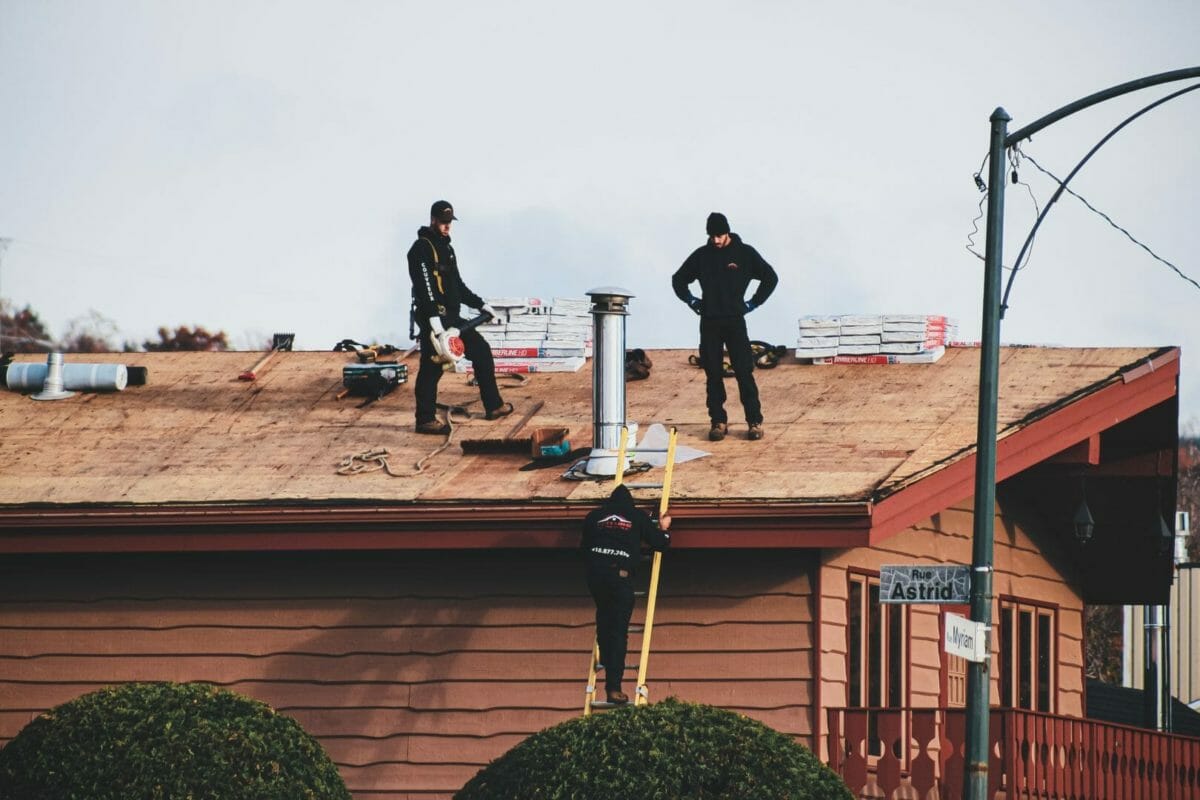
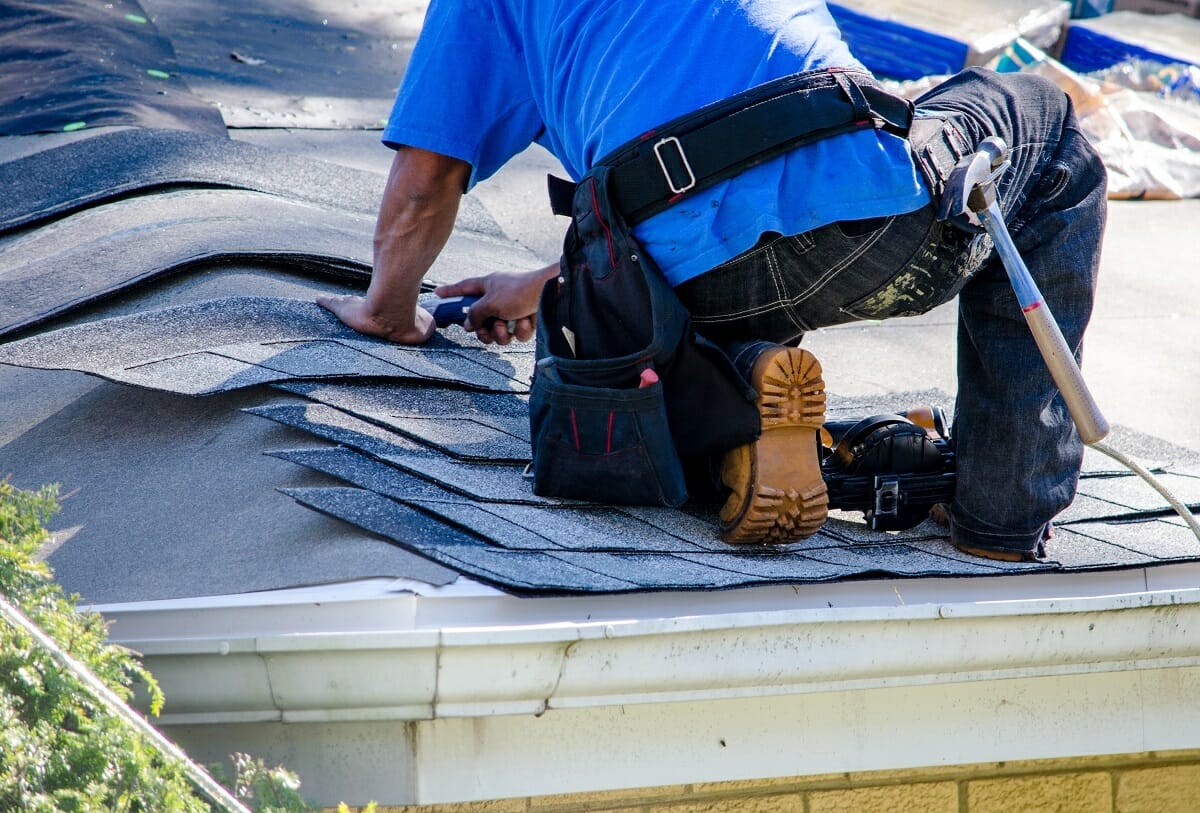
roof being repaired

A Guide to Financing Your Roof Repair or Replacement

Repairing or replacing a roof is always a big project that consumes time, energy, and money. It can affect your monthly payments when you don’t prepare for it.

According to HomeAdvisor, roof replacements cost an average of $7,796. The best way to cover a roofing project is with cash—but not everyone has the savings for this.

Thankfully, there are many ways you can go about this, even with bad credit. You can get payment plans from roofing companies in Maryland, get a loan, and more.

Here’s a guide to financing your roof repair or replacement.

Canvas First

You need to know how much your roofing project will cost before finding out how to pay for it. Get quotes from at least three roofing companies. Once you’ve collected the figures, see if there’s any significant difference between the rates and find out why.

This may be due to their service fee or the roofing materials used. Ask questions but educate yourself on the different roofing materials and how much they cost to see if their rates are fair.

For instance, an asphalt roof is a popular choice since it’s one of the most affordable materials. A 1,800 sq. ft home will cost around $4,286 to $6,429. Meanwhile, a solar panel roof will cost around $15,000 to $25,000.

How to Compare Financing Options

Most people’s first instinct is to go with the financing option with the lowest interest rate. However, when comparing financing plans, you need to consider other factors apart from the interest rate.

If your repair or reroofing project is urgent, you may not have the time to wait for some options. A loan, for instance, can take up to weeks to get approved. It would be unwise, especially if your roofer says that you risk more damage the longer you wait.

counting money for roofing budget

Roofing Financing Options

Credit Card

Many roofing companies take credit cards. However, this isn’t the best way to finance your project. You don’t have to worry if you’re confident that you can pay off the total amount in a month. If you cannot, you may be significantly paying for a higher cost due to the interest rate.

For example, your roofing project costs $7,000, and the interest rate is 15%. You pay the minimum amount of $200. This means you’ll end up paying an extra $3,000 once you’ve paid the debt off.

The exact figures depend on your credit card but paying more than the minimum will help.

Homeowners Insurance

Check if your roof damage is covered by the homeowner’s insurance policy or any limited warranties. If it does, insurance can cover part of the costs so that you need less from other financing sources.

If a storm or natural disaster damages your roof, you can process claims to ensure that part of the costs is covered.

Government Options

The FHA Title 1 loan is a financial tool used for home repair and improvement.

First-time home buyers commonly use FHA. Meanwhile, Title 1 loans are used by homeowners to fund permanent renovations and improvements. Some even use the Title 1 loan along with a mortgage to fix a home they’re purchasing.

If you’re opting to go with an FHA Title 1 loan, it’s important to note the following:

  • You get the loan from an FHA-approved lender.
  • This loan has a fixed rate for home improvements, repairs, and rehab projects. Adjusting rates isn’t an option.
  • If you’re planning to loan $7,500 and below, the loan is unsecured, and your signature will suffice. For larger amounts, your home will be used as collateral.
  • The maximum amount of time you have to pay it back is 20 years, depending on the property.

How “home improvement” is defined by an FHA Title 1 loan is broad. According to the Department of Housing and Urban Development, the loan should be used to make your house more “livable and useful.” This can mean buying appliances, like a refrigerator or making your property more accessible to people with disabilities.

Get Advice from Roofing Experts

It’s good to educate yourself with roofing materials and financing options, but nothing will replace the advice of a professional. Contact G.H. Clark Contractors, Inc. for expert roofing advice. We’ll be more than happy to help you with your home improvement project.

roof

Roofing 101: Warning signs you need to get a roof replacement

Roofs are built to last around 20 to 30 years, protecting people from rain, snow, intense sunlight, strong wind, and extreme temperature. However, unexpected incidents can occur that will damage your roof, endangering your health and home’s structural integrity.

Roof damage can be hard to find and often too late for repairs and maintenance to fix the problem when found. Search for roofing companies in Maryland offering roof replacement services immediately before the damage worsens. Watch out for these warning signs that say your roof may need a replacement.

Watch Out for Roof Leaks

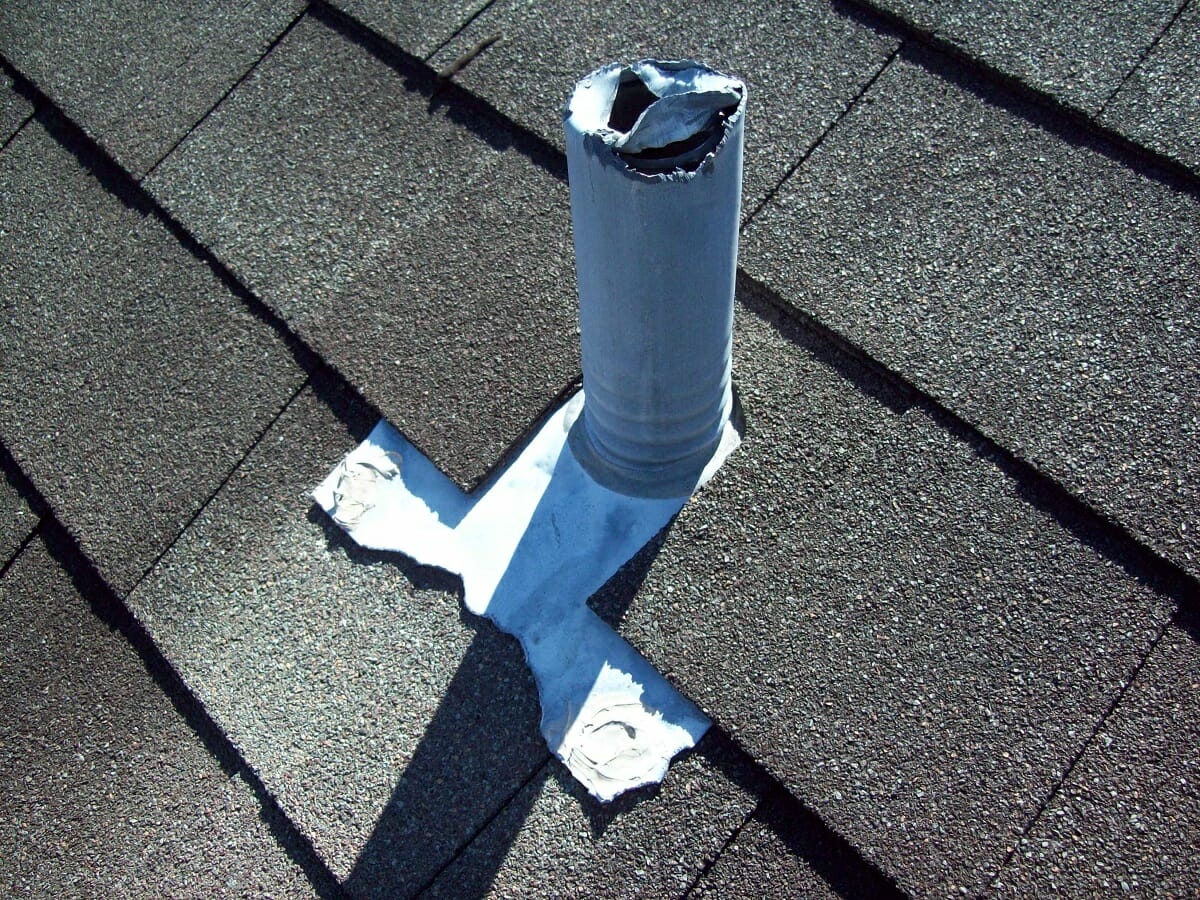
damaged roof vent

Roof leaks are an obvious sign of roof damage from your home. Check the ceiling of your home that’s nearest to the roof for leaks from time to time, especially after a rainy day. Look for water intrusions, since it is most likely the origin of the leak.

During winter or a snowy day, search the roof exterior for ice dams. It forms when the snow on the roof melts, flows down to the gutter, and freezes again. When water reaches the ice dams, it will overflow, running under the shingles and making its way into the house.

If the leak you discover is minimal and located at parts where it cannot create more damage, you won’t need a roof replacement. However, you still must call a professional to inspect it, since holding out on repairs will lead to more severe damage and costly repairs.

Stay Vigilant for Moss, Mildew, and Algae

Moss, Mildews, and Algae typically grow in moist environments, usually caused by leaks and condensation issues in your home.

Before jumping to the conclusion that you need a roof replacement, ensure your home is adequately ventilated, the insulation is dry, and plumbing lines and bathroom fixtures are not leaking. It will help determine the actual origin of the organisms and can make roof replacements cheaper if you need one.

Look for Roof Cracks and Rotting

Cracks and rotting are other signs you need to stay vigilant with your roof. Cracked shingles are often caused by strong wind, which you can easily replace if limited to only a few. However, if the cracks are spread throughout the roof, it means that you need to get a roof replacement.

You can check if you have cracks using the attic if you have one. You can determine if your roof is cracked if light easily passes through it. Assess the damage and consult with a professional if it can be repaired or must be replaced.

Look out for rotting also, especially if the foundation of the roof is made from wood. Wooden materials will rot when exposed to moisture for long periods, leading to fungi growth. It is crucial to identify this issue immediately and minimize the damage before the structure further deteriorates.

Reliable Roofing Contractors in Maryland

It is important to inspect your roof and do maintenance to fix issues that could worsen its condition immediately. G.H. Clark Contractors offer roof replacement services to keep your roof in its best condition. 

We provide our clients with various roofing styles to fit their preferences. Visit our roofing services page to learn more about our services and get a free quote. 

roofing

What You Should Know Before Starting a Roofing Project

America is experiencing a home improvement surge, with 3 out of 4 homeowners surveyed by Porch.com completing a major project since the pandemic’s start. Despite the surge, completing a home improvement project just got even more expensive.

That means it’s more important than ever to carefully plan your next home project to avoid spending too much. If you’ve been planning to work with a roofer in Maryland to replace your old roofing, we’ve compiled some of the essential things you need to know first before you start investing.

What You Need to Consider First

For some homeowners, purchasing the same type of roof as the old one is enough. While there’s nothing inherently wrong with the idea, it may cause you to miss out on the opportunity to upgrade the functionality and look of your home’s roof.

Instead of simply relying on just an updated version of your old roof, try considering the following factors first and compare them to your old roofing system. It should help you determine which aspect of roofing was already addressed and which one you can invest in this time around.

Roof Pitch

Roof pitch is the slope of a structure’s roof. Various roof designs have different roof pitches. A house with a pyramid roof has a steep roof pitch, while commercial roofs often have a low-slope roof pitch.

Roof pitch differs based on their priorities. For example:

  • Low-pitched roofs are effective in protecting structures like commercial buildings but are prone to water buildup.
  • High-pitched roofs are designed to prevent water and snow buildup.

If you’re planning to update your roof, it can be an excellent opportunity to change your roof’s pitch. If your home initially has a flat or lower-slope roof, it may be possible to upgrade it to a higher pitch. That way, you can prevent any water pooling and even provide extra space in the form of an attic.

Appearance

Your roof is generally visible to everyone on the street, making it a crucial factor in your home’s curb appeal. If you’ve been unsatisfied with your old roof’s appearance, then it may be time for an update.

You can completely change the color, texture, and aesthetic of a house by simply changing the material of your roof.

However, always be true to your house’s architectural design and style. That means if you have a classic 60’s ranch house, do not use metal roofing, and if you have a Spanish-style house, never use wood shingles.

When updating the look of your roof, always choose a roofing material that will be consistent with the original design of your home.

Weather Resistance

Your roof is a large protective barrier between you and the weather outside. Your new roof must withstand extreme weather like rain and strong wind and endure the sun’s heat for years to come.

Roof materials play a huge part when it comes to weather and climate resistance. Some materials like wood are excellent for colder climates, while metal works well in hot and cold environments.

Your roof’s color tone is also vital because it contributes a lot to energy efficiency. Light-colored roofs reflect heat, so they are perfect for hotter climates. In colder regions, dark-colored roofs work best because they can absorb and retain heat.

When getting a new roof, carefully consider which material would suit your region better. If your previous roofing materials had not protected you from the elements, then it’s time to get a different one.

Durability and Longevity

If you plan on staying in your house for several years, longevity and durability are essential factors to consider. Each roofing material has its estimated lifespan. However, it’s usually the pricier ones that last longer.

If longevity is important to you, getting inexpensive material to save money can be unwise. Getting a cheap composition roofing can get the job done for a couple of years, but you’ll eventually spend more money replacing them again.

Fire Rating

Fire rating is perhaps the most overlooked roofing factor. Some homeowners install roofs without even knowing their fire rating. The Underwriter’s Laboratories (UL) generally provide the fire rating for all roofing materials and the sheathing beneath them.

Here are the fire ratings for roofs:

  • Class A: Provides the best protection against fire. This is the highest standard fire rating for roofing materials. Some Class A material can still catch fire but spreads slowly. Metal roofs, fiberglass, and asphalt shingles are under this classification.
  • Class B: Able to withstand moderate exposure to fire but falls short of being as fireproof as Class A materials. Fire-treated shingles and sheathing fall under this classification. It’s worth noting that some communities do not allow the installation of roofs with Class B materials.
  • Class C: Resists fire damage for a short time, but it spreads quickly once the material catches fire. Plywood sheets, cedar shakes, and wood shingles are classified as Class C materials. Despite their vulnerability to fire, they are common roofing materials in most homes.

Whenever you are shopping for materials or working with your trusted roofing contractor, always ask for the fire ratings and invest in Class A materials whenever possible.

Popular Roofing Materials

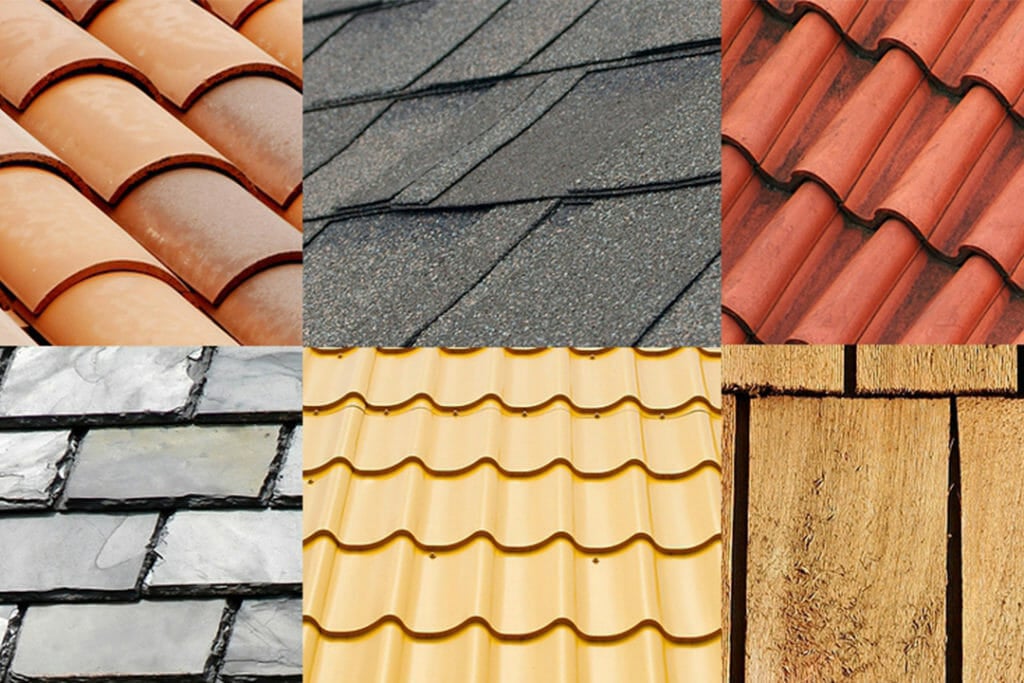
Not all roofing materials are created equal. Some have certain advantages over others. Additionally, not all materials can be used on every roof. For example, a low-slope roof demands a different surface than those commonly found in roofs with a steeper pitch.

To help you distinguish between the different roofing materials, we listed the popular types below.

Asphalt

Asphalt remains the most commonly used roofing material due to its affordability and easy installation process. It’s usually made of fiberglass, asphalt, and ceramic material. Asphalt is sold in two configurations:

  • Single-thickness: The standard and affordable variation of asphalt roofing.
  • Laminated: A thicker and more textured variation of asphalt roofing. It does a better job of looking like wood and lasts longer than single-thickness asphalt roofing.

The average cost of asphalt roofing installation ranges from $200 to $250 per square foot. Asphalt roofing is known to last for at least 20 years.

Metal

Metal roofing is known for being extremely durable, lightweight, rot-resistant, and fireproof. Metal roofing can also reflect heat and sunlight, which makes it an excellent choice for warmer climates. However, metal roofs also do an excellent job of shedding water and snow.

Metal roofs are either:

  • Steel
  • Lead
  • Aluminum
  • Copper-and-asphalt (shingles)

Metal roofs are usually made up of panels, tiles, strips, and shingles. Metal roof installations can cost $700 or more per square foot, depending on the type. Metal roofing materials can last around 50 years.

Slate

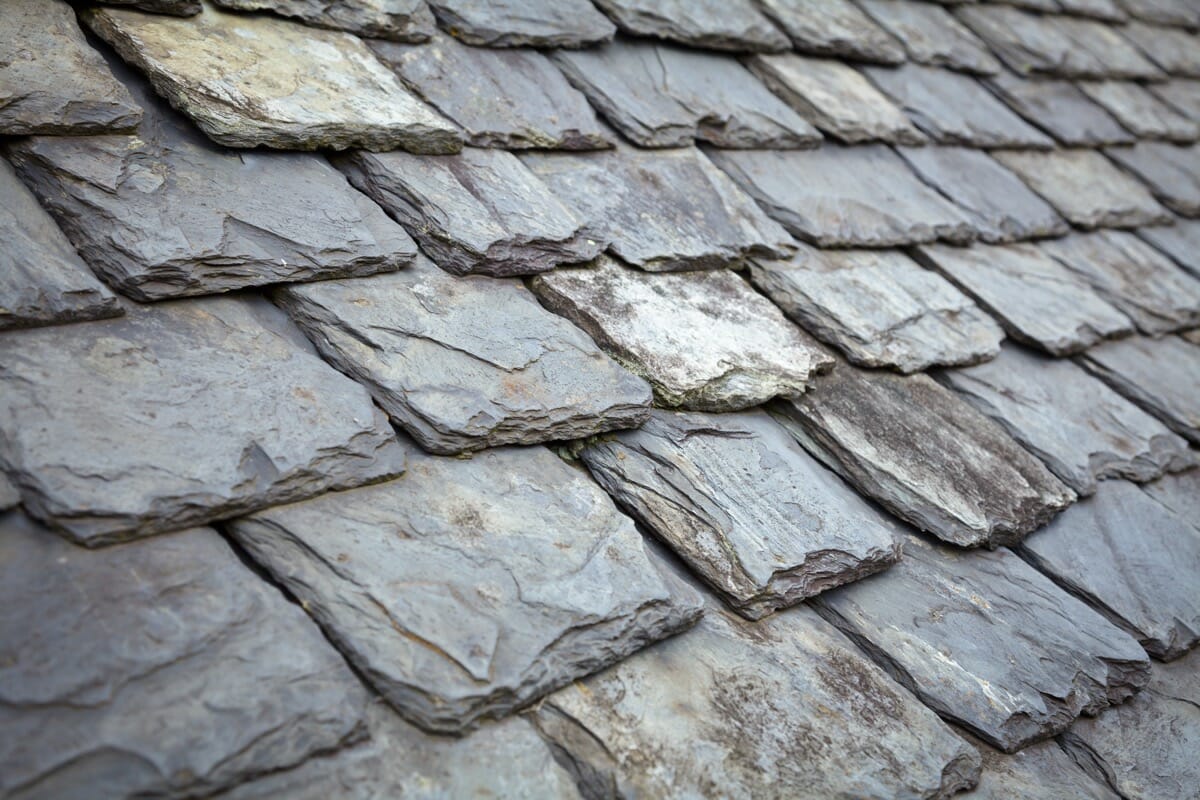
slate roofing

Slate roofs are known for their classic and gothic look. Slate roofing is technically indestructible even in the harshest climate and weather. This type of roofing is also fireproof, corrosion-resistant, and doesn’t rot. However, they are so heavy that most houses are not designed to handle the extra weight.

Slate can also be challenging to install, which could drive up the cost. You can expect to pay around $800 per square foot of slate roofing.

Slate is also known to outlast its fasteners and go beyond 100 years without breaking down.

Wood

Wood roofing remains a top choice for many homeowners due to its rustic aesthetic. They are lightweight and easy to install. Wood roofing is usually made of cedar, southern pine, and redwood.

Wood roofing’s biggest downside is its vulnerability to fire, with some areas actively forbidding its use. They also require regular maintenance to prevent rotting. An adequately maintained wooden roof can last up to 25 years.

The average installation cost for wooden roofing can range from $300 to $500.

How Much Will It Cost You 

Nationally, an average homeowner can spend around $8,460 to have a new roof installed. Most homeowners spend $5,582 to $11,547 for roof installation, with the price heavily depending on the material used, size of the house, and location.

The cost can be broken down to about 60% labor and 40% for materials.

If you are completely redoing your roofing with a different material, it can cost you around $7,000 to $12,000 and even more, depending on the material you choose. This pricing should already include the removal of your old roof.

Keep in mind that if you plan on changing to new roofing material, you will have to pay more if your current roof framing is not designed to handle the new material. For example, if you initially have asphalt roofing, you’ll have to upgrade the frame to support something heavier like slate.

Hiring a Professional Roofer

If you are ready to hire a roofing contractor, it’s best practice to shop for quotes or estimates from at least three local contractors. It will help you get the best price for your roof replacement project.

Each estimate should be within a margin of $ 2,000 to $4,500 for the same job and area. If the estimates you got are below or beyond the price range, review your estimates and make sure all costs are accounted for.

It would help if you also kept an eye out for hidden costs before choosing a contractor. The last thing you need is more unexpected costs during the project. Watch out for the following warning signs:

  • Contractors pressuring you to sign a contract immediately
  • Contractors requesting a large cash deposit and entire roof replacement charge upfront
  • Unclear or confusing project estimates
  • Estimates that have several added outliers or expenses not present in quotes from other roofing contractors

Proper Planning Is Worth It

All the planning and preparation involved in roof replacement projects can feel overwhelming. However, all efforts will be worth it, especially if you’re able to find the perfect roofing for your home at the best possible price.

G.H. Clark Contractors, Inc. is the best choice for all your roofing installation and replacement needs. If you are looking for a reliable roofer in Maryland, get in touch with us today to get a free no-pressure estimate and to discuss your project with our team of roofing professionals.

house windows

Common Culprits of Energy Leaks in Your Home

[et_pb_section fb_built=”1″ admin_label=”section” _builder_version=”4.16″ global_colors_info=”{}” theme_builder_area=”post_content”][et_pb_row admin_label=”row” _builder_version=”4.16″ background_size=”initial” background_position=”top_left” background_repeat=”repeat” global_colors_info=”{}” theme_builder_area=”post_content”][et_pb_column type=”4_4″ _builder_version=”4.16″ custom_padding=”|||” global_colors_info=”{}” custom_padding__hover=”|||” theme_builder_area=”post_content”][et_pb_text admin_label=”Text” _builder_version=”4.16″ background_size=”initial” background_position=”top_left” background_repeat=”repeat” global_colors_info=”{}” theme_builder_area=”post_content”]

If you’ve noticed that your energy bills are suspiciously high, despite having energy-efficient HVAC systems and appliances, then some parts of the home may be the culprit. Warm air may enter or exit your house through sneaky leaks and cause your HVAC system to work harder. Your energy bills climb quietly.

To find the source of the leak, check these common problem areas:

Doors

How do you know if warm air leaks through your doors? Here are a few ways to inspect:

  • If you can see daylight through the door frame, then it leaks. Air can also pass where light can.
  • If you can rattle the door while it’s closed, then it leaks. The movement means there are gaps where air may enter.

The older the door model, the higher the chance that it leaks because of the combination of outdated insulation features and wear and tear.

You may seal the leaks on the door through caulking or weatherstripping. In some cases, however, it’s much more cost-effective to replace a door rather than make repairs. Newer, high-performance doors guarantee better energy efficiency and are less likely to need repairs.

Windows

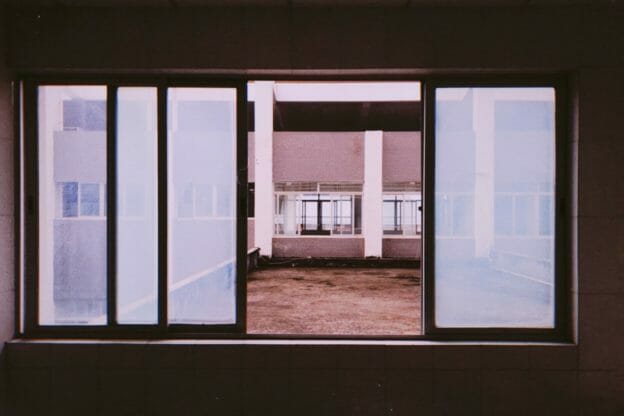
sliding windows

Windows are one of the biggest culprits behind energy loss. In fact, the U.S. Department of Energy states that the heat loss and heat gain through windows are responsible for up to 30% of heating and cooling energy use in the home.

Just like with doors, warm air escapes or enters the home through the small cracks and gaps in the window. If every window in your home leaks, the amount adds up to an expensive energy bill.

Here are a few ways to improve the energy efficiency of your existing windows:

  • Caulk and weatherstrip your windows
  • Add window treatments, such as roller shades, roman shades, shutters, blinds, curtains, drapes, and more
  • Add solar control films to the windows

In some cases, it may be more cost-efficient to replace your windows. Newer models have more air-tight features and are less likely to cause problems.

Roof

Even if you have dependable attic insulation installed properly by licensed technicians, you still contend with one factor that carries a risk of roof leaks: the gutter.

If the water in the gutter doesn’t drain properly, it finds an easier way out. The water may saturate the roof and eventually leak through the insulation. Constant exposure to moisture may be detrimental to insulation. Over time, it hampers the insulation’s function, lets warm air escape or enter, and increases the home’s cooling or heating load. In consequence, your energy bills soar.

Energy leaks are not the only domino effect that a clogged gutter causes. If water doesn’t drain, it seeps through the joints and causes water damage to your walls and the foundation of the home.

Stop these problems at the source with our G.H. Clark’s gutter protection systems in Maryland. These prevent your gutters from being clogged and protect your roof and insulation from water damage.

Make sure no part of your home will cause expensive energy leaks. Get in touch with our team for gutter protection systems or other home improvement services today.

[/et_pb_text][/et_pb_column][/et_pb_row][/et_pb_section]
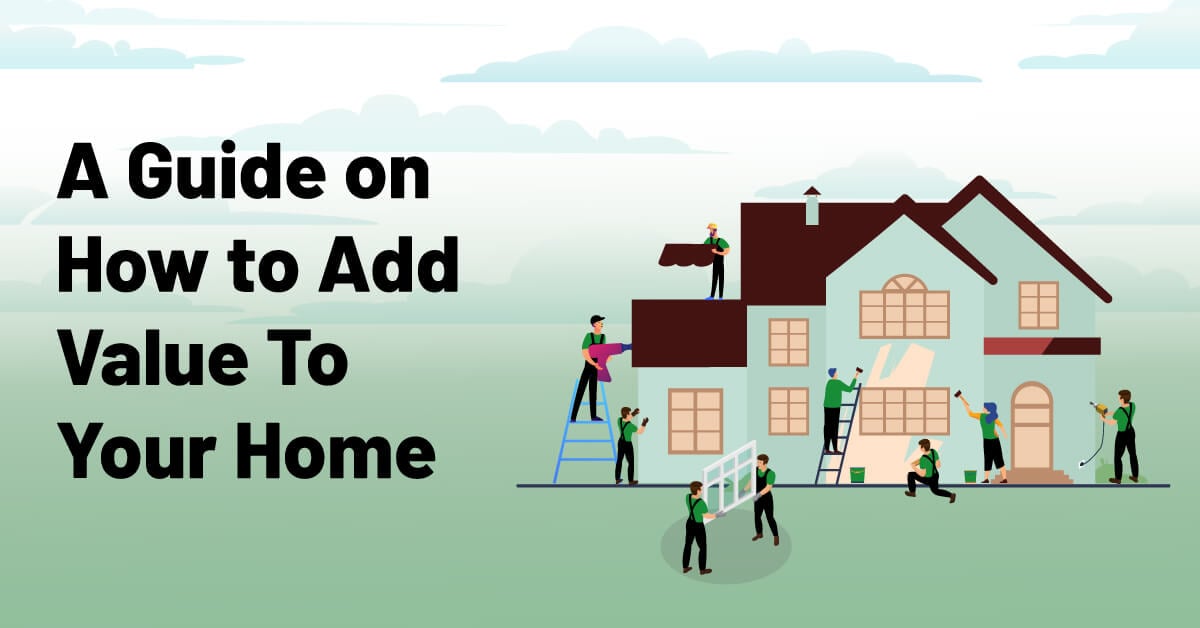
A Guide on How to Add Value to Your Home

A Guide on How to Add Value to Your Home

[et_pb_section admin_label=”section”] [et_pb_row admin_label=”row”] [et_pb_column type=”4_4″][et_pb_text admin_label=”Text”]

Learn all about some of our favorite tips and tricks for adding value to your home as we cover both big and small renovation ideas.

Introduction
Construction workers adding value to your home

Trying to add value to your home can sometimes be risky business, as it can be difficult to know what will add value to your house and what will end up being a waste of the budget. 

Depending on how much you are willing to spend on giving your home a new and updated look, there are both small projects that can be easily carried out for a quick fix or you can also choose to undertake some larger projects to really boost the overall value of your home. 

Whatever you decide is right for you and your property, we have compiled a list of all the best ways you can easily add value to your home if you are thinking of selling it someday. 


How to Add Value to Your Home

Interior designers adding value to your home

Carrying out any of the works we are about to discuss on your home will instantly add value to your property and are sure to pay off when it comes to putting the house on the market.


Convert the Basement into a Living or Storage Space

An easy way to increase the size of your property whilst still working with the space you have is to convert your basement into decent storage space or into another living area. 

One of the reasons why this is such a popular option for people who are looking to increase the value of their home is that you do not need planning permission to make these changes. Well, not unless you are planning on making structural changes to a listed building, that is. 

There are plenty of tips for turning a basement into a living space online, but if you are not particularly well versed in (or interested in, for that matter), it may be worth considering hiring a professional to do the job, although keep in mind that this will end up costing you more.


Extend the Kitchen

It is true what they say about the kitchen being the heart of the home, so why not make the heart of your home even bigger for potential buyers to see by extending the kitchen area. 

In a lot of cases with a terraced or semi-detached house, you will be able to extend the kitchen out into the side return or alleyway that runs alongside the kitchen and can lead into the garden. This will give you additional kitchen space giving you a larger layout to play with. 

However, whenever you choose to extend the perimeters of your house you will have to consider what you are giving up in return. In the above example of a side-return extension, you may lose windows which will reduce the amount of natural light you receive in this area. 

You will also need to check to make sure you comply with any planning permission rules.


Makeover the Kitchen

If it is not feasible to extend the kitchen, why not give it a makeover to update its look? 

Your kitchen area should be somewhere that people can see themselves cooking and socializing or entertaining guests, so it needs to be quite clean and aesthetically pleasing. 

Whenever you are thinking about remodelling any room in your house, you should start with the building blocks or the room’s foundations such as how you want the layout to look, whether or not it requires any structural work, or if you want to move its location entirely.

You can go big or keep it simple and you would be surprised at how similar the effect is on the outcome, no matter which end of the price scale you are choosing to look at. Even just giving the cupboards a fresh coat of paint or improving the lighting can be all the difference.


Add an Extra Bedroom

Another great way to add value to your house is to add an extra bedroom, as this is one of the largest factors that can influence the price of a property. In the majority of cases, the more bedrooms there are thrown in, the better, so it might be worth adding an extra one. 

According to an article in the Telegraph, “adding a double bedroom can add more than 10 percent to the value” of your home which would make it an excellent investment.

With that said, there is only so high the value can climb within whichever area you are living, so this will be capped at a point regardless of how many bedrooms a house has to boast.

Bedroom extensions can be costly and are not always practical depending on what style of house you are living in. If your property has beautifully large bedrooms, however, you can easily add another one by splitting one of the existing bedrooms into two separate rooms. 

This will be a much more cost-effective way of increasing the size of your property, but it is not a good idea if you would be creating two tiny box rooms that would be fit for Harry Potter.


Put Some Work Into the Garden/Patio

Every garden compliments the home, and there are a number of of things you can do to make your garden area look great, such as any of these basic garden maintenance tasks: 

  • Clean up and tidy litter and dead plants 
  • Weeding 
  • Repair and feed the lawn 
  • Cut back overgrown trees and shrubs 
  • Create interesting shapes with beds and borders 
  • Add color and interest with planting

You could also choose to add something like a shed or a garden office, as both would boost the overall value of your home and will be a great selling point for potential buyers. These, however, would obviously be a much more expensive option and would depend on the available space. 


Renovate the Bathroom

Bathrooms have come a long way since being merely a place to wash and go about your business, and in most cases these days, the best bathrooms are the ones that add a touch of elegance and luxury to your home. Plus, of course, fresh, clean, and hygienic looking.

A good change to make if you are renovating your bathroom would be to add a shower if you haven’t already got one, as most people who are buying will look for at least one in a home. With that said, if your area is a popular place for families to move into, then a bath might be a better investment as most families with young children will need a bath in their house. 

You could, of course, choose to stay away from the actual layout (and therefore the plumbing and structural design) of the bathroom and conduct purely cosmetic renovations. 

For example, you could repaint your bathroom walls, get a funky new statement mirror, or even replace the unit that you use to store your toiletries and other essentials. Why not really decide to push the boat out and treat yourself to a new toilet brush while you are at it.


Get a New Carpet

Keeping carpets clean is a nightmare, but when it comes to selling your house, this is something that can seriously affect the value of your property and what it will sell for. 

Stains, holes, and heavy wear and tear on carpets is a huge turn off for potential buyers and can detract from the rest of your house, no matter how beautiful it is from the ground up. 

This is why it can be a good idea to replace carpet that is beyond repair, but otherwise, is it really worth the cost of having the whole carpets replaced? You could save some serious cash by instead opting to hire a deep cleaning service to get it back to looking its best. 

If you are choosing to replace the carpet completely, keep in mind that the new owners may have completely different tastes to you, so it might be worth going for something simple.

It is also not a good idea to go too overboard with wall to wall carpeting throughout your home, as this can be off-putting to potential buyers, or at least it can be according to Forbes.


Fix Structural Issues

There is no room to play when it comes to structural issues with your property as these can have seriously negative consequences for your house and can cause damage down the line. 

Cosmetic issues can cause the value of a property to decrease but, more importantly, you will need to know that your house is entirely structurally sound and secure so that it is safe enough for you or the new owners to live in. This may include fixing a few things, such as: 

  • Sagging or leaky roofs
  • Rising damp 
  • Structural cracks to the walls 
  • Bowing walls
  • Rotten joists or roof timbers 
  • Insect infestation 
  • Missing or broken roof tiles (majority of all homes in the USA are shingle not tiles) 
  • An unstable chimney stack 
  • A collapsed floor/slab 

It can be difficult to follow a linear timeline with any house renovation projects or if you are undertaking work to try and increase the value of your house, but we would recommend that you get around to fixing any structural issues before moving onto decorating and renovating. 

Not only does it make more sense to do it this way around, but it also means that you will be less likely to go over budget towards the end of your project as these are some of the most expensive costs that go into renovating a house or attempting to add value to a property. 


Install a New Heating System 

Whilst this may not be the most exciting upgrade you can make to your home, updating your old central heating system and replacing it with something new and modern is yet another way to increase the value of your property, especially if it is an older property that you own. 

For example, replacing a dodgy old boiler with one that is brand new will do a lot to add on to the value of your house. Alternatively, you can stick to just changing the positioning of your existing radiators or adding new features like underfloor heating or a heated towel rail. 

The best way to add value to your house (and be kind to the environment at the same time – double win!) is to improve your central heating system as part of your efforts to improve your overall efficiency, such as sealing drafts around windows and doors and adding insulation. 

This is also a good selling point to run by any prospective buyers as it means that the energy bills for the house will be much lower than a house with a poor energy efficiency rating, which could be exactly what your buyers are looking for in a home. 


Invest in Solar Panels

If you live somewhere where your house is exposed to a decent amount of sunlight, then investing in solar panels for your home is another great way to help add on to the total value. 

Not only is this a good option for the environment (meaning it will be an excellent selling point to any potential buyers who are also environmentally conscious themselves) but it is a good move for anyone who has the foresight to think about what will appeal in the future. 

With the way recent advancements in technology have been going, it is fair to assume that having solar panels installed is only going to increase the value as it is something that more and more people are looking at when they are thinking about buying a house.

Although the costs for installing solar panels is usually pretty straightforward, they can also be quite high which is what puts a lot of people off. The good news is that there are certain subsidies available from the government or your local utility who may offer to cover up to 30 percent of the costs involved with installing the solar panels in the form of a tax credit


Decorate the House/Fix Up Defects

Aesthetic improvements are some of the easiest ways to add more value to your property without having to actually spend that much money, especially if you are doing it yourself. 

If your house is looking a little tired then it will immediately put any potential buyers off, even if the structural bones of the house hold great potential themselves. So, if that sounds a little bit like the current state of your house, then consider the following home improvements: 

  • Peeling paint 
  • Squeaking or sticking doors and windows 
  • Door latches that don’t work 
  • Moldy sealants in the kitchen and bathroom 
  • Dripping taps 
  • Loose tiles 
  • Sewer smells 
  • Broken or damaged windows 
  • Squeaky floors and stairs 
  • Cracks to ceilings and plasterwork 
  • Lifting flooring

The majority of these can be easily fixed with a bit of DIY savvy, and if ever you are in doubt, you could always check YouTube where you can find plenty of tutorials on how to do these. 

Of course, you can choose to hire someone to come in and professionally carry out these jobs to a high standard, but the increased expenses are often not very cost efficient. 


Consider Replacing the Windows With New Ones 

Windows are like the eyes that see into (and out of) your home. They are something that you will probably look out of at least once every day, therefore it is something that potential buyers will look at if and when they come to view your property. 

In some cases, it can therefore be a good idea to consider replacing some of the tired, worn looking windows with shiny new ones. If you are replacing the look and aesthetic quality of the window, why not also look for something that is going to offer improved insulation? 

Do not forget to stay in keeping with the rest of the house when you are picking out new windows, as otherwise, they can look out of place and draw the eye in a negative way. This goes for both the interior and the exterior aesthetics of your home. 


Replace Some of the Old Furniture 

Sometimes, you don’t need to touch the actual property at all when you are trying to add value, as simply replacing some of the old and outdated furniture can be enough to do it!

This can breathe new life into the rooms of your house and can give your home a more modern feel that appeals to potential new buyers. Styling a home for an open-house or a private viewing can make all the difference in how it is received and the value it is given.

If you do not want to go to the trouble or expense of replacing absolutely all of your old furniture, you could probably get away with just replacing a few major statement pieces. 

For example, you could choose a dramatic new bed to take center stage in the master bedroom or you could replace your sofa with something more chic and comfortable. 


Exterior Home Makeovers That Can Add Value

As well as paying attention to improving what the inside of your home looks like in order to increase the value, there are also a few things you can do to the property’s exteriors.

For example, any of the following work would be worth carrying out before trying to sell your home, and most of these jobs can be done yourself rather than hiring a professional to do it.

  • Repointing brickwork
  • Repainting door and windows 
  • Replacing an old garage door 
  • Changing/repairing windows
  • Repainting walls
  • Repairing cracked or broken cladding such as render or timber
  • Removing stone cladding 
  • Adding a porch
  • Adding climbing plants/trellis
  • Replacing/adding a house sign or number 
  • Renaming the property

Not all of these can be done yourself, however, so do not attempt to do anything that you could end up making worse… Even just doing a few of the things on this list yourself can reduce the overall costs to you whilst still working towards improving the property’s price.


Ways to Add a Wow Factor
Ways to Add a Wow Factor

These days, more and more people are looking for things that are going to help them stand out rather than sticking too strictly to the mainstream trends and fashions. For this reason, it is worth looking into some of the ways you can add that wow factor to your property. 

You can do this by adding a few interesting features that not everybody will have at home.


Add a Fireplace

Who doesn’t dream of having a house with a fireplace that they can cuddle up by at Christmas with their loved ones as they pass you presents under the tree? Just us? Okay. 

Even if you are not into Christmas, a fireplace can be a beautiful statement feature in any home, especially if it fits in well with the rest of the interior decor and the style of the house.

If you choose to add a log burner it can act as a double investment as this will be a good way to have an extra heat source to warm up your home during the winter months, as well as being an aesthetically pleasing addition that can help to increase the property’s value. 

Even without being used for its official purpose, a fireplace can still make an excellent focal point in any room and can be used to display plants, prints, artwork, sculptures, or candles.


Full Height Windows

Create instant drama and add that wow factor to any space by having full height windows fitted. These will allow a gorgeous amount of natural light to stream through into your home and will make it look a lot brighter as well as connecting you to your outdoor spaces. 

Don’t you remember we mentioned that indoor-outdoor flow earlier and how popular it is? Well, full height windows can help you achieve this as they will provide a brighter and wider view of the areas outside. The only downside is the costs involved with installing them.


A Staircase Makeover

Your staircase might not be at the top of your priority list when deciding what to tackle next in terms of home improvement projects, but a staircase makeover can have effective results.

It is admittedly part of the house that plays a more functional role as the thing that connects your upstairs areas and your downstairs areas (sometimes spanning across multiple floors), but that does not mean that there is anything to stop you from having fun with it either. 

A popular style in today’s society is to have a carpet runner coming down the middle of the staircase whilst each side is left with the hardwood exposed or painted to match the carpet. 


You could also simply spruce up your stairway by giving it a fresh coat of paint which can help to add drama, especially if you choose to paint it in a dark, bolder color. As Joa Studholme from Farrow and Ball explains, this “creates instant drama in the hall and a grounding backbone through the center of the house” which will definitely add a wow factor!


Add Some Nice Paintings/Artworks

If you are trying to sell your house and you want it to go for a higher price, a great tip is to fill the space with some nice paintings and pieces of artwork to compliment the property’s style.

This can be the difference between a house that looks finished and a house that some might find lacking or like it still needs a bit of work to get it to where they want it to be. In certain cases, it has even been known for the buyer to request to buy the artwork with the house! 

Even if you choose artwork that a potential buyer would not necessarily pick out for themselves, it is all about helping the buyer to visualize themselves in the space with their own artwork and belongings by helping to build up that mental image or picture in their mind.


A Nice Neat Bookshelf

Not only can a bookshelf be the perfect place to store all of your books instead of stacking them up in a random corner somewhere (unsurprisingly really, seeing as that is exactly what they were originally designed for…) but this can also be a good place to store accessories. 

For example, vases filled with fake flowers or small ornaments and decorative artefacts can be stored on a small bookshelf tucked up against one of the walls in any room. 

In fact, you can use something like this to store pretty much anything, books or no books!


Styling With Furniture, Lamps, Accessories, and Flowers

There is a reason why high-end real estate agents and brokerage agencies will spend so much money on styling a house for an open-house or a private viewing, as this can really show off the potential of a property to all of the potential buyers who come to see it. 

Styling the house with simple yet high-quality pieces of furniture, for example, can really elevate the overall look of a house without having to touch the property itself. The same can be said for accessories such as lamps or other types of lighting fixtures in the property. 

As for flowers, most people would argue that fresh is always best if you are having people come and see the house as it will give off a beautiful scent, although nothing beats the smell of freshly home baked cookies wafting towards you as you walk around the house. 

With that being said, artificial plants and flowers can have just as much of a visual effect as real flowers without anywhere near the same level of upkeep – simply arrange them in a vase and position them around the house to draw the eye (or alternatively, to draw it away).


Summary
Construction workers admiring their work

So, there you have it. These are some of the best tips and pieces of advice that we have collected over the years, both through research and through our lived experiences as well.

Remember that when you are trying to add value to a house, the goal is to keep the costs of any renovations and work to put into the property to a minimum to maximize your profits. This means that any work you do should never exceed the value it will add to your home.

Another important thing to keep in mind when you are trying to add value to a house is that time is money. You don’t want to get stuck with your house on the market for years just because you took too long to renovate it and now the market has changed or is against you. 

With all that being said, if you follow the advice that we have provided you with throughout this article then we are sure that you will be able to increase the value of your own property without any issues, and without overspending on the budget. Let us know how you get on![/et_pb_text][/et_pb_column] [/et_pb_row] [/et_pb_section]

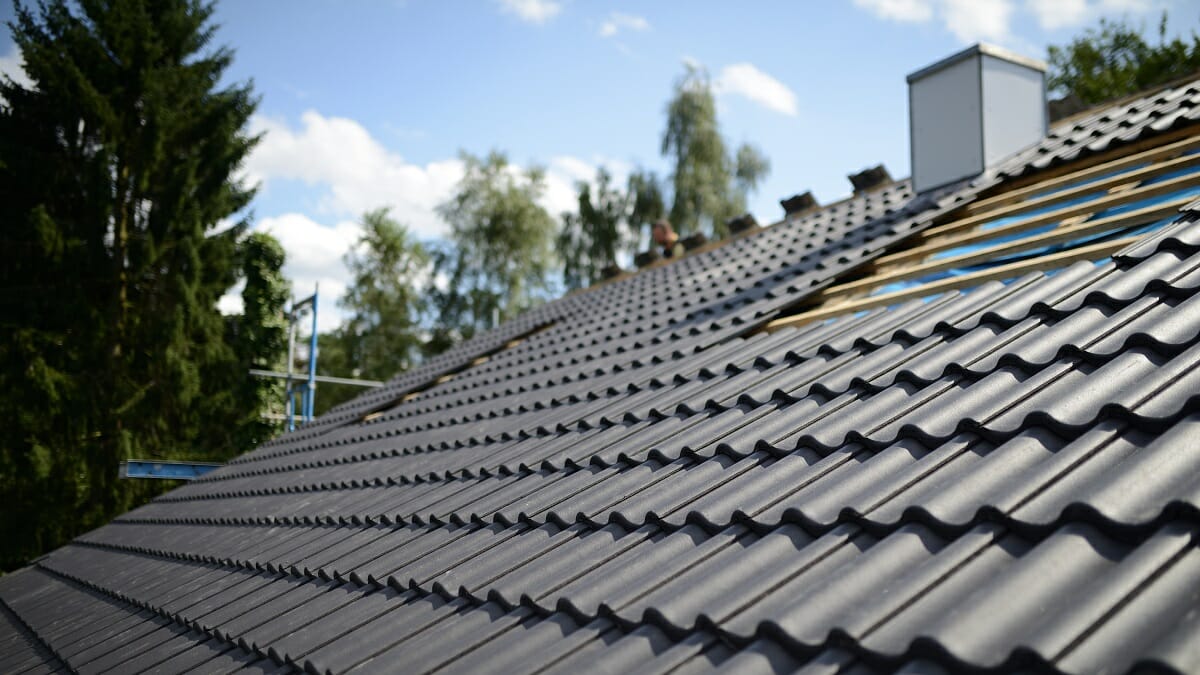
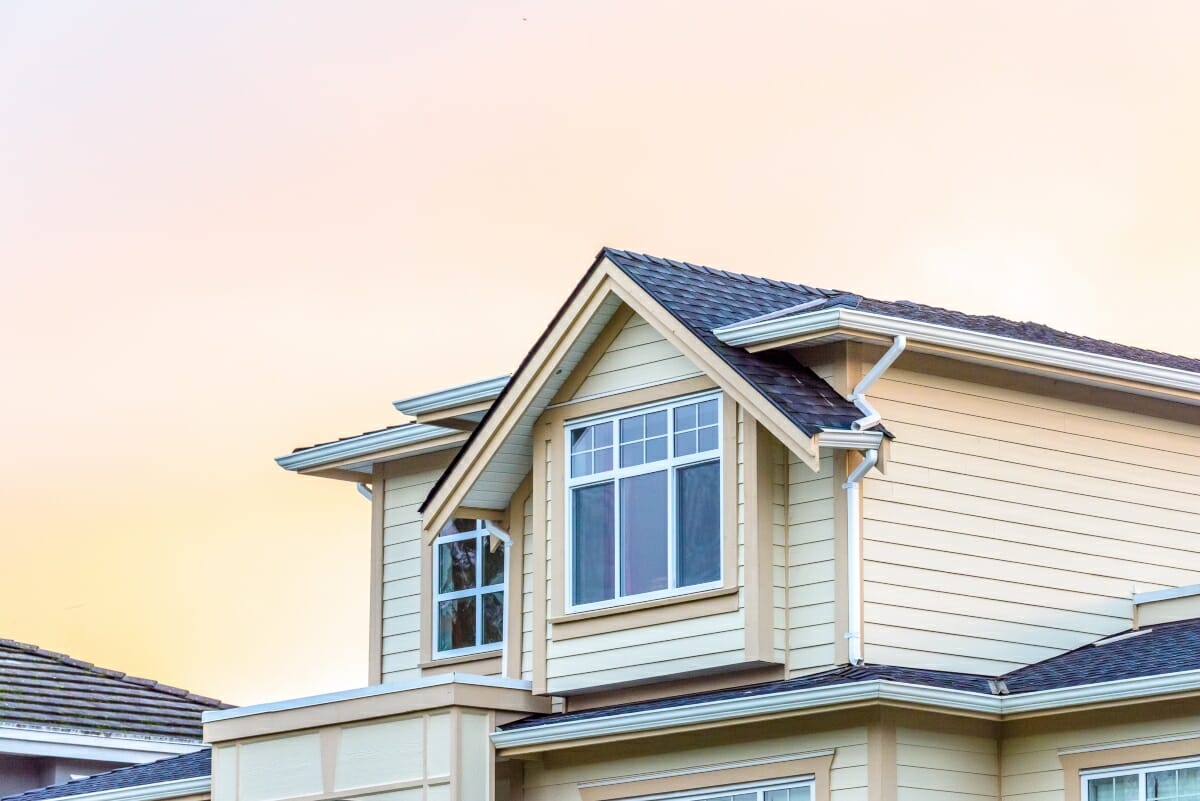
house with nice roof

4 Signs You Need a Metal Roof Repair

Having a metal roof has many benefits. They are durable, energy-efficient, and can last 40-70 years. However, they are not perfect.

According to Architect Magazine, roofs in general only last half of their designed lifetimes. It’s not because of the quality of the metal roofing but because of their constant exposure to the elements that eventually wear them down. If ignored, an old, damaged roof may cause further structural issues to your home and risk the safety of your family.

In this article, we’ll provide four helpful signs that indicate your house needs a metal roof repair.

There Are Signs of Rust and Corrosion

rusty roof

Rust is a sign that the metal is starting to tarnish, and it’s also a good indication that your roof’s protective coating has deteriorated. Once the coating is gone, moisture and water can come in contact with the metal and cause rust.

Rust and corrosion can eat away the metal, causing holes that eventually lead to leaks. Rust also weakens other metal objects. Both the leaks and rusted metal can destabilize the structure of your house.

Heavy snow, strong winds, and rain may cause your roof to collapse if there’s already significant damage to the roofing structure. At first signs of rust, it’s best to reach out to a professional to have your roof inspected and repaired.

The Roof Has Loose Seams

Temperature changes can cause the metal to expand and shrink. Over time, this movement causes the fasteners or screws to loosen, which in turn causes the metal seams to pull apart. Water can then seep into the spaces between the seams.

The pooled water can turninto a leak, damage the structure of your home, and even start a mold infestation, which can cause health problems. Small animals like rodents might find these gaps in your structure as well and settle there.

Fortunately, acting on this problem early gives your roofing contractor the option to tighten the fasteners and screws to prevent further damage.

When left unchecked, leaks can damage electrical systems and building materials and lead to unsafe mold growth.

The Metal Roof Has Water Leaks

water in roof

The moment you notice small or large leaks in your metal roof, it’s best to get in touch with your trusted roofing professional. Leaks are a sign of roof damage, but they are not the main problem—many possible reasons can cause them.

For example, roof panels may have warped, rust may have created holes, orthe roof’s sealant may be starting to fail. If these areleft unchecked, leaks can damage electrical systems and building materials and lead to hazardous mold growth.

Your trusted roofing contractor will not only stop the leak but identify and repair the primary cause of the problem.

The Roof’s Paint Looks Worn (Even When New)

roofs paint looks worn

The paint is more than just for aesthetic purposes. It also helps waterproof your roofing system. Paint can serve as an additional metal roof coating. However, they are vulnerable to chips and dents caused by hail or falling debris. Fluctuating temperatures can also cause a metal roof’s paint to fade.

If you notice signs of worn paint, have it inspected by a roofing professional. If it’s a simple paint problem, have your roof repainted to prevent rusting and make it water-resistant.

But if your roofing system is newly painted and you suspect other reasons for discoloration, such as the paint pigment reacting to water or chemicals, it’s best to have a roofing contractor check it. Your roof might be coming in contact with chemicals you’re not aware of.

Metal roofs are one of the sturdiest roofing systems available, but they still require sufficient maintenance. With proper care and repair, your metal roof can continue protecting your family for years to come.

G.H. Clark Contractors provides reliable roofing services for homes and businesses in Maryland. If you are looking to upgrade your metal roof or want it professionally assessed for repair, contact us today for a no-pressure, free estimate!

metal roofing

Types of Metal Roofing You Can Use to Improve Your Home

So, you finally decided to revamp your house. Topping your list is giving your metal roof an upgrade. Maybe it’s getting old or always leaking, or you just want to make it look better.

But you also understand that the entire roofing project can be expensive. For example, home services website Angi estimatesroofing replacement costs to be between $5,300 and $11,000.

What you don’t realize is that there are different types of metal roofing—and they vary in cost and benefits. So why stick to your old roof material if you could find a metal roof equally durable but affordable? Let this article walk you through your metal roof material options.

 What Are The Types of Metal Roofing?

metal roof

Aluminum

Aluminum is the most lightweight metal roof material available. Despite its lightness, aluminum is very durable. Its strength-to-weight ratio is higher than the other types of metal roofing for homes.

In direct definition, the strength-to-weight ratio is the ratio of a material’s strength divided by its density or mass. In simple terms, it refers to how long a piece of material can suspend on its weight when vertically placed and supported on top only.

It means that when you choose aluminum, you’ll get the same amount of strength from your roof without needing to work on heavy material.

Aluminum’s strength-to-weight ratio is higher than other metal roof materials, such as steel. You’ll get the same amount of strength without the heavy material.

The other advantages of aluminum are:

  • Long lifespan: Aluminum roofing has an average lifespan of 50 years. It is also easy to maintain. 
  • Corrosion resistance: Roofs made from aluminum do not rust, making them perfect for homes in coastal climates. Heavy rainfall or sea salt sprays do not affect them. 
  • Malleability: Aluminum can be configured into different profiles quite easily. It also comes in different colors, providing you with many design ideas for your roof.

In terms of disadvantages, aluminum is prone to denting. Because of its highly malleable nature, it’s softer than other metal materials. If you install aluminum roofing, you might notice visible damage after a hailstorm or from fallen debris.

Aluminum roofing may also be hard to find, especially if you’re not located along the coast. This is because fewer suppliers are offering this type of roofing today. The lack of availability is what makes it more expensive than most roofing materials.

To give you an idea, here are the cost estimates of two popular aluminum roofs:


Corrugated Aluminum Roofing

  • Cost per square foot: $2 to $4
  • Installation cost: $4 to $6 per sq.ft.
  • Estimated total cost (materials and labor): $6 to $10 per sq.ft.

Standing Seam Aluminum Roofing

  • Cost per square foot: $4 to $6
  • Installation cost: $6 to $8 per sq.ft.
  • Estimated total cost (materials and labor): $10 to $14 per sq.ft. 

red roof

Galvanized Steel

Steel is made from iron and other elements. For galvanized steel, it is iron-coated in a protective layer of zinc. Galvanized steel is one of three steel roof types:

  • Galvanized Steel – The most common steel roofing material
  • Galvalume Steel – A highly corrosion-resistant version of steel
  • Weathering Steel – Primarily used in heavy steel industries like bridge construction

Galvanized steel is often used on commercial buildings but is gaining popularity in residential properties due to its:

  • Low Maintenance: Compared to the other types of metal roofs, steel roofs require minimal maintenance. At most, you can have it checked and cleaned once a year or after major weather events.
  • Durable Material: If installed properly, you can expect your steel roof to withstand physical damage, hail, and even winds reaching 140 mph. Steel will not rot or have any problems with mildew. It is also very resistant to fire.
  • Cost-Effectiveness: Despite having an average lifespan of 40 years, steel roofing is the cheapest roof material available in the market. It usually carries longer warranties as well.

Galvanized steel is inexpensive and is usually an ideal choice for remodels and restoration.

Here are the average prices of two types of steel roofing:


Exposed Fastener Roofing Panels

  • Cost per square foot: $1 to $2
  • Installation cost: $2 to $4 per sq.ft.
  • Estimated total cost (materials and labor): $5 to $8 per sq.ft.

Standing Seam Roofing Panels

  • Cost per square foot: $2 to $4
  • Installation cost: $6 to $8 per sq.ft.
  • Estimated total cost (materials and labor): $8 to $12 per sq.ft.

Galvanized steel does come with some disadvantages. For one, it’s a lot heavier than the other metal roofing types. It can add more load to your house and increase stress on the structure, so make sure your foundation is strong.

It’s also not as corrosion-resistant as other metal roofs. This makes steel roofing less effective and less durable near the coast or in an area with excessive moisture.  

roof

Copper

Copper is considered the grandfather of metal roofing. It’s been used around the world for centuries because of its unique and striking appearance.

Most houses use copper as an accent design feature instead of being the actual roof.

This kind of metal roofing is very lightweight and easy to install. It’s also 100% recyclable, making it an excellent green roof option. Some of its advantages are:

  • Long lifespan: Copper roofing can outlast any other type of roof. It can last for 60 to 100 years and more, depending on the environment.
  • Attractive: Copper roofing changes its color over time based on the climate it is exposed to. Typically, it changes from its original copper color to blue-green. If you’re looking for a traditional-looking roof, then copper is a wonderful choice.
  • Corrosion-resistant: It naturally develops a layer of protection against rust and corrosion. It makes this type of metal roofing safe to use near the ocean.

Copper is an extremely soft metal, making this type of roofing vulnerable to dent and other forms of damage caused by hail or falling debris. It is also one of the more expensive metal roofing options. This is why many houses use copper as an accent design feature instead of being the actual roof.


Corrugated Copper Roofing

  • Cost per square foot: $7 to $9
  • Installation cost: $5 to $7 per sq.ft.
  • Estimated total cost (materials and labor): $12 to $16 per sq.ft.

Standing Seam Copper Roofing

  • Cost per square foot: $9 to $12
  • Installation cost: $7 to $9 per sq.ft.
  • Estimated total cost (materials and labor): $16 to $21 per sq.ft.

Zinc

Zinc roofing is similar to copper in almost every way. It’s a beautiful and dependable type of roof material with a very high price tag. It’s a favorite among commercial projects because it can be transformed into various shapes. It’s also highly lightweight, with some contractors installing zinc on top of an existing roof as added protection.

Zinc roof has the unique ability to heal itself from minor damage like scratches.

Zinc roofing also changes color over time. An unpainted zinc roof will naturally turn from dark grey into a bluish-grey color. This can provide your home with a modern and striking aesthetic.

Some of the advantages of zinc roofing include:

  • Long lifespan: Similar to copper, zinc roofing is referred to as a “lifetime roof”. It has a lifespan of 80 to 100 years.
  • Corrosion-resistant: It creates a protective layer that prevents any form of corrosion and rust. This makes it another great choice for houses close to the beach.
  • Ability to self-heal: Zinc roof has the unique ability to heal itself from minor damage like scratches. It forms a layer called zinc hydroxyl-carbonate that allows it to recover over time.

One of its major disadvantages is its limited availability in the United States. Zinc roofing panels are difficult to find and purchase due to the limited number of suppliers in the country. Most of these suppliers have to import the material from Europe, where zinc roofing is more commonplace.

Due to its limited availability, it is the most expensive material available. It is not the right choice if you are on a strict budget.


Corrugated Zinc Roofing

  • Cost per square foot: $9 to $12
  • Installation cost: $5 to $7 per sq.ft.
  • Estimated total cost (materials and labor): $14 to $19 per sq.ft.

Standing Seam Zinc Roofing

  • Cost per square foot: $12 to $14
  • Installation cost: $7 to $9 per sq.ft.
  • Estimated total cost (materials and labor): $19 to $23 per sq.ft.

Popular Roofing Systems for Metal Roofs

Many roofing styles are popular in residential properties, such as asphalt shingles or fiberglass sheets. You may choose them if aesthetics is your main purpose.

However, these roofing materials are not as long-lasting and sustainable as metal. So, many contractors are now using metal to recreate traditionally well-loved roofing systems. Check out the different types of metal roofing systems you can opt to install.

Metal Roof Shakes

Metal roof shakes mimic the warm and wooden aesthetic of cedar roofing, but with added durability. It also provides more fire and insect resistance than regular cedar and will never split.

Metal shake roofing comes with a variety of designs and colors that will suit various architectural styles.

Metal Roof Tiles

Metal tile roofing is a lighter and sturdier alternative to concrete or clay tiles. It also comes in a variety of tile profiles and colors that fit any modern architectural style.

Metal roof tiles are more weather resistant than concrete or clay tiles. They are less likely to detach during high wind or lease during heavy rain. They are also earthquake resistant.

Metal Roof Slates

Metal slate roofing is the metallic version of the classic slate roofing. One of the main drawbacks of classic slate roofing is its extreme weight, especially if it’s made from asphalt or concrete.

Metal slate roofs have the advantage of classic slate roofs, such as energy efficiency and attractiveness, but without the weight.

Corrugated Metal Roofs

Corrugated metal roofing is a sheet that is roll-formed into panels. It provides the iconic “wavy” look you’re familiar with in traditional metal roofs. It is often called the quintessential American metal panel due to the many homes that have it.

This metal roofing system is known for its durability and structural stability. It’s also flexible and adaptable, making it the favorite of many builders.

Metal Roof Shingles

Metal shingles are a popular type of residential roofing. It offers an authentic and traditional look while providing a high level of protection, longevity, and durability.

It comes with different metal shingle styles and colors. Galvanized steel and aluminum are often used in this type of roofing system.

Galvalume Roofs

Galvalume roof sheets are an enhanced version of galvanized steel. Galvalume is an alloy made from zinc, aluminum, and silicon. It is designed as corrugated roofing sheets.

This type of metal roof has enhanced corrosion and heat resistance. It can also resist rust, harsh weather, and fires. It has self-healing properties as well, like copper.

Black Metal Roofing

Black metal roofs are a growing trend in modern house design and architecture. It offers the same level of protection and durability as most metal roofing systems but offers a sleek design. The unique and striking appearance of trendy black roofs will make your home stand out. It will also highlight details of your roof, like ridgelines and valleys.

Conclusion

metal roof

There are several material options available when it comes to metal roofing and a wide variety of popular roofing systems to choose from. Each material or style has its advantages and drawbacks. At the end of the day, the secret to improving your home effectively is your ability to plan.

Choosing the right metal will depend on how you want your home to look, how much you are willing to spend, and how competent your roofing contractor will be. With the right amount of planning and hard work, your home can look and feel like the best one in your neighborhood.

If you want to learn more about current metal roofing styles and other roof materials, get in touch with G.H. Clark Contractors. We offer reliable home improvements and roofing services in Maryland for any home design, preference, or budget.

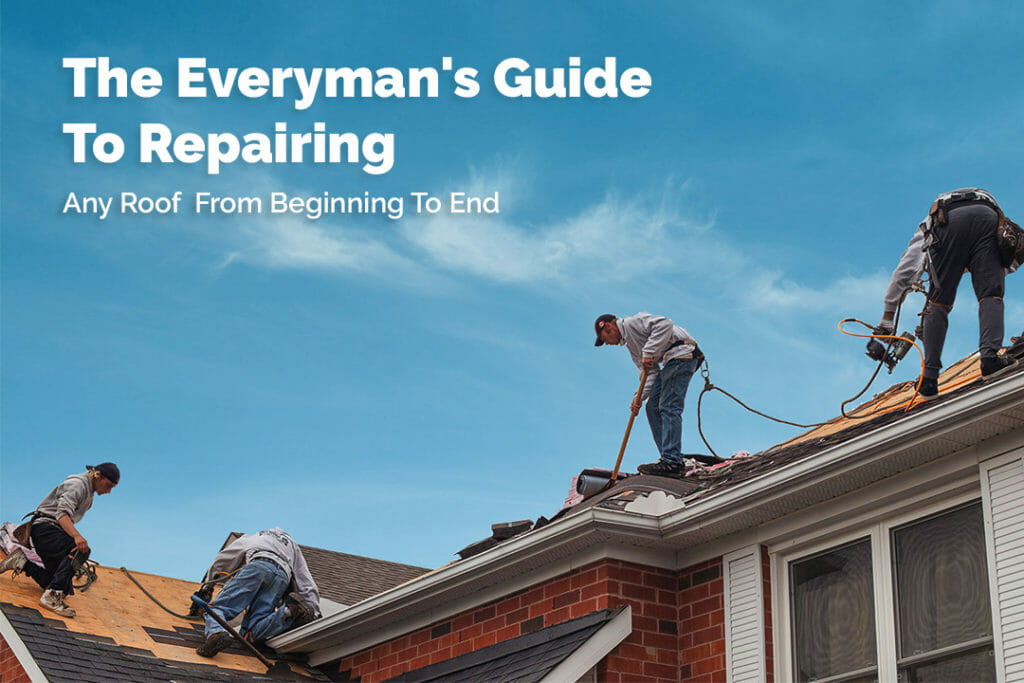
The Everyman’s Guide To Repairing Any Roof From Beginning To End

[et_pb_section fb_built=”1″ admin_label=”section” _builder_version=”4.16″ custom_padding=”0px|||||” global_colors_info=”{}” theme_builder_area=”post_content”][et_pb_row admin_label=”row” _builder_version=”4.16″ background_size=”initial” background_position=”top_left” background_repeat=”repeat” width=”100%” custom_padding=”0px||0px|||” global_colors_info=”{}” theme_builder_area=”post_content”][et_pb_column type=”4_4″ _builder_version=”4.16″ custom_padding=”|||” global_colors_info=”{}” custom_padding__hover=”|||” theme_builder_area=”post_content”][et_pb_text admin_label=”Text” _builder_version=”4.16″ background_size=”initial” background_position=”top_left” background_repeat=”repeat” global_colors_info=”{}” theme_builder_area=”post_content”]

If your shield is broken – if your roof is not in tip-top condition – nothing in your house is as safe as you think it is. Fall rains? Winter snows? Flying and crawling insects, looking for somewhere to hide, to nest, and to call home? Birds, even, finding themselves a sheltered indoor space to hatch their eggs, to eat, and to leave their waste behind. Without a well-maintained roof, everything else in your house is on borrowed time.


Why Would You Need To Repair Your Roof?

[/et_pb_text][et_pb_image src=”https://www.ghclark.com/wp-content/uploads/02-1024×683-2.jpg” title_text=”02-1024×683″ _builder_version=”4.16″ _module_preset=”default” global_colors_info=”{}” theme_builder_area=”post_content”][/et_pb_image][et_pb_text admin_label=”Text” _builder_version=”4.16″ link_text_color=”#2e41ab” background_size=”initial” background_position=”top_left” background_repeat=”repeat” global_colors_info=”{}” theme_builder_area=”post_content”]

Almost anything can damage your roof and make it lose its integrity. The list of potential sources of roof-damage can seem daunting, but don’t panic – there are solutions to them all, and we’ll cover them here. But you have to know what the problems could be before the solutions make any sense. So here’s just a whirlwind (or on land a tornado) tour of some of the things that can mess with your roof. Oh, and yes – whirlwinds and/or tornadoes are definitely roof-damagers, though if they hit, chances are the roof will be the least of your repair worries.

Wind

High winds have a way of getting under your roof tiles, shingles or other coverings and acting like a lever, prizing them free and opening up weak spots in your roof’s defences. You know the saying: you’re only as good as your weakest link. Strong winds can give you a weak link in your roof’s weather defences. And as if that’s not annoying enough, once there is a weak link or gap, it works like tooth decay – wind and anything else has a greater likelihood of loosening or attacking surrounding slates or shingles. Once you have a weak spot, you’re going to have to act fast to stop the rot.

Rain

Rain is a classic enemy of roofs. Seems harmless. Seems the very thing your roof is there to protect you from.

Get enough rain and heavy winds together though and what you have is a recipe for erosion. Erosion at cements, tars, sealants, you name it rain will weaken it, given enough time and persistence. Never underestimate the power of rain to damage your roof – it’s the bird that sharpens its beak on the mountain. Leave it to do its thing for long enough, and you have no more mountain. Likewise, if you don’t check your roof after really heavy downpours, you’re practically putting a neon sign on the roof, saying “That’s OK, dryness and security are overrated.”

Snow And Ice

Where rain and wind do damage by attrition and erosion, snow and ice are rather more heavyweight in their action. Snow that settles heavily on a roof can be a risk to roof tiles and shingles if too much snow accumulates, as it can then cause a mini-avalanche – and take tiles with it. Ice works on a different level, chilling down any latent moisture in the surface of the roof. The chilling to ice has an odd but technical expansion effect, meaning anywhere that was just wet can be forced open, forced to crack, or even forced in two. All of which is potentially bad news for your poor roof.

Sunshine

Sometimes, it feels like your roof just can’t win. If it’s not under attack from the insidious, gap-finding, hole-enlarging, tile-loosening rain, it’s snow, putting it under undue pressure. And if it’s not the snow, it’s the sun.

Wait, what damage can the sun do, right? It’s 96 million miles away, it’s going to send energy all the way to Earth just to mess with your roof?

It’s not personal, it’s strictly business. Ultraviolet light coming from the sun has no vendetta against your roof or your house, but nevertheless, its nature is such that it can cause the materials in your roof to heat up during ultra-hot days. Then, at night, when the cool down comes, the contraction that mirrors the expansion in the heat can crack your roof like a spoon through eggshell.

If you have a flat roof, it can also cause a condition called ‘alligatoring’ – the same stretch and contraction action leaving your flat roof with the texture of alligator hide – complete with weak spots. Leave it to its own devices for too long and what you have is a chronically compromised roof.

Sunshine as a type of weather is usually equated to happiness, but if your UV protection isn’t up to its job, sunny days can be smiling assassins for your roof.

Moss

What now? That fuzzy green stuff that can give a lovely lived-in look to your property? That’s a danger to your roof somehow?

You’d better believe it. Moss may look pretty in certain circumstances, it’s soft to the touch, which means it absorbs water more or less like a sponge. A sponge which, under the right circumstances, doubles as a water balloon, creating small but powerful water bursts to add to any existing water damage.

The thing you have in your favour with moss is that it’s the sloth of the plant world. It’s non-vascular and non-flowering, which means the energy it has to do anything at all other than be alive and mess with your roof is very small. So, like annoying coughs and rumors, deal with moss early and it will never gain the size or momentum to damage your roof.

Yes. Yes, we’re recommending you get regularly on ladders and scrub moss off your roof. Before the big green carpet of roof-death explodes and takes your house with it.*

*Moss may not actually explode. Sequences may have been dramatized for effect. It can still damage your roof though, honest.

Algae

Seriously?

Yep, seriously. Blue-green algae, the most common form found on roofs, is mostly an unsightly thing while it’s alive.

When it dies, and unless you get rid of it, it creates patches of darkness on your roof.

So what, right?

So those dark patches make your UV reflection less effective, which means…you read the thing about the sun, yes? Giant sky-ball of roof-killing UV beams? Think of algae as the guard the sun pays off to break into your castle.

While we’re here, let’s talk about roof-mold. Go on, you know you want us to.

Mold is more the result of pre-existing roof problems. At least, it is in the beginning. But when it gets in, this moisture problem is the herald of decay. It can slime its rancid, noxious, potentially dangerous way through any and all wood it comes into contact with. It will seep and slime on down from exposed or vulnerable roof beams into every room unless it’s stopped.

Mold is one of the many insidious things that can damage the framing of your roof, rather than just the outside coverings.

Trees

Yes, we know – we love trees too, in their own place. Trees overhanging your roof are not in their right place, because wind, rot, lightning, even sometimes simple gravity can snap a branch off and send it hurtling through your roof at an alarming speed and leave you with a hefty repair bill – or a hefty repair job.

You’re getting the picture, aren’t you? It’s absolutely a privilege to have your own room, but like all privileges, a roof also comes with responsibilities. Each issue we’ve mentioned can be fixed – but whether you call a professional roofer in to repair your roof for you, or whether you do it yourself is a matter between you, your toolbox and your bank balance.

Let us help you out with that decision.


How Much Does Roof Repair Cost?

[/et_pb_text][et_pb_image src=”https://www.ghclark.com/wp-content/uploads/03-1024×683-1.jpg” title_text=”03-1024×683″ _builder_version=”4.16″ _module_preset=”default” global_colors_info=”{}” theme_builder_area=”post_content”][/et_pb_image][et_pb_text admin_label=”Text” _builder_version=”4.16″ link_text_color=”#2e41ab” background_size=”initial” background_position=”top_left” background_repeat=”repeat” global_colors_info=”{}” theme_builder_area=”post_content”]

Ever wondered what it would cost to totally re-cover your roof? How much are we talking about for materials and professional labor.

Complete Replacement Cost

Figures will vary of course, depending on the size of your roof, but these are fairly typical costs for different roofing options:

  • Three-tab asphalt shingles: $7,000 to $12,000
  • 30-year shingles: $9,000 to $15,000
  • 50-year shingles: $11,000 to $20,000
  • EPDM rubber: $8,000 to $14,000
  • TPO or PVC membrane: $10,000 to $15,000
  • Wood shingles: $14,000 to $25,000
  • Steel shingles: $14,000 to $25,000
  • Aluminum shingles: $15,000 to $28,000
  • Standing-seam steel roofing: $23,000 to $30,000
  • Natural slate: $25,000 to $50,000
  • Concrete tile: $20,000 to $40,000
  • Clay tiles: $25,000 to $50,000


This is why we argue for remedial roof repair, piece by piece, tile by tile, rather than putting it off until there’s a big enough problem to require a whole new roof. Even if you’re only talking three-tab asphalt shingle, nobody wants to suddenly face a bill for $7,000 for materials.

Professional roofers though are surprisingly reasonable for their time and the potential hassle they take out of your life.

The national average cost for a roof repair is around $900 (with highs and lows between $300-$1,500). Again, the average costs reflect the wisdom of dealing with roof repairs as and when they’re first noticed, rather than waiting until there’s more to do.

If you’re replacing a full asphalt roof on a typical 2,000 sq. ft. single story ranch house, with materials and labor, you’re looking at between $8,500-$16,500 fully installed. The larger your property and the more complex the roof, not to mention the more expensive the roofing material of course, the more you’ll pay.

If you know what you’re doing, that’s a solid incentive to try and fix your roof yourself, though it’s obviously less daunting to fix small problems as they arise than it would be to fix or replace a whole roof by yourself. There’s also the matter of time – on your own, you’re more at the mercy of daylight and seasonal safety, and you’re in a race with the potential issues of all those sorts of weather we mentioned. Which brings us to another question.


When Should You Repair Your Roof?

[/et_pb_text][et_pb_image src=”https://www.ghclark.com/wp-content/uploads/04-1024×683-1.jpg” title_text=”04-1024×683″ _builder_version=”4.16″ _module_preset=”default” global_colors_info=”{}” theme_builder_area=”post_content”][/et_pb_image][et_pb_text admin_label=”Text” _builder_version=”4.16″ link_text_color=”#2e41ab” background_size=”initial” background_position=”top_left” background_repeat=”repeat” global_colors_info=”{}” theme_builder_area=”post_content”]

It probably doesn’t take a genius to work out that some times are better than others for roof repair. Nobody wants to be repairing a roof in howling gale force winds, a torrential downpour or an incoming blizzard. Sure, there might be an extra satisfaction in battling against the odds and getting it done.

But the negative experience of actually having to be up on a roof, making adjustments and repairs, in unremittingly unpleasant weather is quite enough to make most people huddle indoors with a hot chocolate. The same is true whether you fix your roof yourself, or get professionals in. Sure, they’d love to take the money for fixing your roof in extremis – but you may well need to pay a consideration for their greater danger while they do it.

You might think it would be natural then for summer to be the best time of year to tackle your roof repair. The truth of that depends where you live. In some parts of the US, high summer is as dangerous a time as midwinter to be up on a roof, relentless glaring heat being less fun than you might imagine.

For most of the continental US though, late spring through summer to early fall is optimum roof repair time. If nothing else, they’re the months when you can be most certain that your roof having gaps in it, or even being completely absent, won’t leave you open to sudden rainstorms and snowstorms.

Nobody wants to take a roof off only to have the rains come down – it’s a soulcrusher, not to mention a roof-ruiner and a potentially doubled expense.

So, late spring, all summer and early fall give you the best chance of successfully fixing your roof.

That said, this is a reckoner that depends on there being a large amount of work to do. If you have a few tiles or slates or shingles blow off in late fall, don’t wait till the spring sunshine before you tackle it – every day of bad weather between the first and the fix will do more damage to the roof covering, and potentially the timbers and rooms underneath.

That’s perhaps one of the most important differences between doing it yourself and getting a professional roofer out to do the work for you. Professional roofers will come during the off-season, they’ll come perfectly equipped, and they’ll come with far more perfect knowledge than even we can give you about how to effect the repair. So unless you’re very sure of yourself, if you get roof damage in the off-season, it may well be in everyone’s best interests for you to call a professional roofer in.

Also, consider that speed factor again. If you call professionals in during the off-season, the likelihood is that there will be whole teams available, due to the relatively slim pickings for business in that season. Two or three professional roofers working on a job will get it done far faster than you alone will be able to do. The faster the job is done, the less damage the initial issue will cause, and the less remedial work you’ll be called on to do as the year rolls around.

When looking at roof repair of course, you might as well be a zookeeper, tasked with feeding the animals in a zoo. How you repair a roof will depend entirely on what roof you have, just as feeding the animals in a zoo (or at least, doing it correctly without getting your hand bitten off) depends on understanding what each animal eats.

Let’s take a look at the different kinds of roofing materials in common use across the US.


A Material World: A Word On Roof Materials

[/et_pb_text][et_pb_image src=”https://www.ghclark.com/wp-content/uploads/06-1024×683-1.jpg” title_text=”06-1024×683″ _builder_version=”4.16″ _module_preset=”default” global_colors_info=”{}” theme_builder_area=”post_content”][/et_pb_image][et_pb_text admin_label=”Text” _builder_version=”4.16″ link_text_color=”#2e41ab” background_size=”initial” background_position=”top_left” background_repeat=”repeat” global_colors_info=”{}” theme_builder_area=”post_content”]

The thing about your choice of roofing material is that sometimes it…isn’t…your choice. Or not wholly your choice, at any rate.

Geography counts for something in roof-choices – if every house around you has one style and you decide to go completely against that grain, there may be city ordinances you’ll run into. If the nature of the area calls for a classic Spanish look, and you try to go with an ultra-modern vibe, you may not be allowed to go for the roof of your choice. There may also be practical concerns – roofs might all look the same in certain areas due to the presence of common hazards – fire-retardation might be must-have in some areas, for instance. The pitch of your roof angle will affect which coverings you can use too. Wood shake shingles, for example, are good on steeper roofs, but get you nowhere if you have a lower-pitched, flatter roof.

With all that said, you can probably find your roofing material somewhere in this list:

[/et_pb_text][/et_pb_column][/et_pb_row][et_pb_row column_structure=”3_5,2_5″ use_custom_gutter=”on” gutter_width=”2″ _builder_version=”4.16″ _module_preset=”default” width=”100%” custom_padding=”||0px|||” global_colors_info=”{}” theme_builder_area=”post_content”][et_pb_column type=”3_5″ _builder_version=”4.16″ _module_preset=”default” global_colors_info=”{}” theme_builder_area=”post_content”][et_pb_text _builder_version=”4.16″ _module_preset=”default” global_colors_info=”{}” theme_builder_area=”post_content”]

Asphalt composition shingles

These are your entry-level roof coverings – unfussy and inexpensive.

Available most everywhere, they’re probably the most recognizable kind of roof covering, because they often come as standard on new houses to keep the build and sale price low, and you frequently have to actively dislike them with a passion to make them worth the expense and hassle of replacing entirely.

[/et_pb_text][/et_pb_column][et_pb_column type=”2_5″ _builder_version=”4.16″ _module_preset=”default” global_colors_info=”{}” theme_builder_area=”post_content”][et_pb_image src=”https://www.ghclark.com/wp-content/uploads/07-300×200-1.jpg” title_text=”07-300×200″ _builder_version=”4.16″ _module_preset=”default” custom_margin=”35px||||false|false” custom_margin_tablet=”0px||||false|false” custom_margin_phone=”” custom_margin_last_edited=”on|desktop” global_colors_info=”{}” theme_builder_area=”post_content”][/et_pb_image][/et_pb_column][/et_pb_row][et_pb_row column_structure=”3_5,2_5″ use_custom_gutter=”on” gutter_width=”2″ _builder_version=”4.16″ _module_preset=”default” width=”100%” custom_padding=”||3px|||” global_colors_info=”{}” theme_builder_area=”post_content”][et_pb_column type=”3_5″ _builder_version=”4.16″ _module_preset=”default” global_colors_info=”{}” theme_builder_area=”post_content”][et_pb_text _builder_version=”4.16″ _module_preset=”default” global_colors_info=”{}” theme_builder_area=”post_content”]

Wood shakes or shingles

On the other end of the spectrum, you’ll pay handsomely for wood shingles, but they’ll give an unusual, classic look to your roof. They’re perhaps surprisingly durable in most weather conditions. Fire danger areas though – nnnnnot so great. With the whole…made of wood…thing.

[/et_pb_text][/et_pb_column][et_pb_column type=”2_5″ _builder_version=”4.16″ _module_preset=”default” global_colors_info=”{}” theme_builder_area=”post_content”][et_pb_image src=”https://www.ghclark.com/wp-content/uploads/08-300×200-1.jpg” title_text=”08-300×200″ _builder_version=”4.16″ _module_preset=”default” custom_margin=”||||false|false” custom_margin_tablet=”0px||||false|false” custom_margin_phone=”” custom_margin_last_edited=”on|desktop” global_colors_info=”{}” theme_builder_area=”post_content”][/et_pb_image][/et_pb_column][/et_pb_row][et_pb_row column_structure=”3_5,2_5″ use_custom_gutter=”on” gutter_width=”2″ _builder_version=”4.16″ _module_preset=”default” width=”100%” custom_padding=”||0px|||” global_colors_info=”{}” theme_builder_area=”post_content”][et_pb_column type=”3_5″ _builder_version=”4.16″ _module_preset=”default” global_colors_info=”{}” theme_builder_area=”post_content”][et_pb_text _builder_version=”4.16″ _module_preset=”default” global_colors_info=”{}” theme_builder_area=”post_content”]

Metal roofs

For the longest time, metal roofs existed in two extremes – urban farm housing, and commercial buildings. Then they caught on in high-end, architecturally-designed homes, giving them a certain gunmetal chic.

But metal roofs have come on a lot in the last decade, in style, accessibility and popularity. Fireproof, durable and now stylish too, they’re a viable option for your home. What they’re not however is either easy or cheap. They need specialty contractors to put them on, and the chances are, they’ll need specialty contractors to repair them too.

[/et_pb_text][/et_pb_column][et_pb_column type=”2_5″ _builder_version=”4.16″ _module_preset=”default” global_colors_info=”{}” theme_builder_area=”post_content”][et_pb_image src=”https://www.ghclark.com/wp-content/uploads/09-300×200-1.jpg” title_text=”09-300×200″ _builder_version=”4.16″ _module_preset=”default” custom_margin=”40px||||false|false” custom_margin_tablet=”0px||||false|false” custom_margin_phone=”” custom_margin_last_edited=”on|desktop” global_colors_info=”{}” theme_builder_area=”post_content”][/et_pb_image][/et_pb_column][/et_pb_row][et_pb_row use_custom_gutter=”on” gutter_width=”2″ _builder_version=”4.16″ _module_preset=”default” width=”100%” custom_padding=”7px||0px|||” global_colors_info=”{}” theme_builder_area=”post_content”][et_pb_column type=”4_4″ _builder_version=”4.16″ _module_preset=”default” global_colors_info=”{}” theme_builder_area=”post_content”][et_pb_text _builder_version=”4.16″ _module_preset=”default” global_colors_info=”{}” theme_builder_area=”post_content”]

That said, they can be laid over existing roofs – think of them as a bike helmet for your house, if you like. And with relatively few weak points, the likelihood of having to repair them with any frequency is much smaller than with some other roof-coverings. Metal roofs come in a range of types, including raised-seam panels. Oh, and no, before you think it – you’re no more likely to be struck by lightning if you have a metal roof.  

[/et_pb_text][/et_pb_column][/et_pb_row][et_pb_row column_structure=”3_5,2_5″ use_custom_gutter=”on” gutter_width=”2″ _builder_version=”4.16″ _module_preset=”default” width=”100%” custom_padding=”||0px|||” global_colors_info=”{}” theme_builder_area=”post_content”][et_pb_column type=”3_5″ _builder_version=”4.16″ _module_preset=”default” global_colors_info=”{}” theme_builder_area=”post_content”][et_pb_text _builder_version=”4.16″ _module_preset=”default” global_colors_info=”{}” theme_builder_area=”post_content”]

Slate roofing

Slate is some seriously high-end roofing with a price-tag to match. And guaranteed, while you have it, it will look entirely awesome. With slate though, it’s a case of six of one, half a dozen of the other – there are downsides to take into account. Slate is like buttered ice to stand on, especially if it happens to be wet. It’s also uber-heavy compared to some other roof coverings.

[/et_pb_text][/et_pb_column][et_pb_column type=”2_5″ _builder_version=”4.16″ _module_preset=”default” global_colors_info=”{}” theme_builder_area=”post_content”][et_pb_image src=”https://www.ghclark.com/wp-content/uploads/10-300×200-1.jpg” title_text=”10-300×200″ _builder_version=”4.16″ _module_preset=”default” custom_margin=”||||false|false” custom_margin_tablet=”0px||||false|false” custom_margin_phone=”” custom_margin_last_edited=”on|desktop” global_colors_info=”{}” theme_builder_area=”post_content”][/et_pb_image][/et_pb_column][/et_pb_row][et_pb_row use_custom_gutter=”on” gutter_width=”2″ _builder_version=”4.16″ _module_preset=”default” width=”100%” custom_padding=”7px||0px|||” global_colors_info=”{}” theme_builder_area=”post_content”][et_pb_column type=”4_4″ _builder_version=”4.16″ _module_preset=”default” global_colors_info=”{}” theme_builder_area=”post_content”][et_pb_text _builder_version=”4.16″ _module_preset=”default” global_colors_info=”{}” theme_builder_area=”post_content”]

Heaviness and slipperiness – it’s an interesting combination when it comes to something in which to cover your roof. What it means is that while slate looks beautiful on your roof, if and when you get damage to a slate roof, it’s more difficult to repair than most others. 

[/et_pb_text][/et_pb_column][/et_pb_row][et_pb_row column_structure=”3_5,2_5″ use_custom_gutter=”on” gutter_width=”2″ _builder_version=”4.16″ _module_preset=”default” width=”100%” custom_padding=”||0px|||” global_colors_info=”{}” theme_builder_area=”post_content”][et_pb_column type=”3_5″ _builder_version=”4.16″ _module_preset=”default” global_colors_info=”{}” theme_builder_area=”post_content”][et_pb_text _builder_version=”4.16″ _module_preset=”default” global_colors_info=”{}” theme_builder_area=”post_content”]

Composition slate

When you love the look of slate, but don’t want to slip, fall and die while repairing it, Composition Slate might be made with your name on it. Looks like slate, but synthetic, it’s made from up to 95% recycled materials.

So – eco-slate, if you like. Extra bonus? It’s much lighter, less susceptible to damage in the first place and – with the whole ‘not feeling like buttered ice’ thing, easier to repair if and when you do get damage.

[/et_pb_text][/et_pb_column][et_pb_column type=”2_5″ _builder_version=”4.16″ _module_preset=”default” global_colors_info=”{}” theme_builder_area=”post_content”][et_pb_image src=”https://www.ghclark.com/wp-content/uploads/11-300×200-1.jpg” title_text=”11-300×200″ _builder_version=”4.16″ _module_preset=”default” custom_margin=”35px||||false|false” custom_margin_tablet=”0px||||false|false” custom_margin_phone=”” custom_margin_last_edited=”on|desktop” global_colors_info=”{}” theme_builder_area=”post_content”][/et_pb_image][/et_pb_column][/et_pb_row][et_pb_row use_custom_gutter=”on” gutter_width=”2″ _builder_version=”4.16″ _module_preset=”default” width=”100%” custom_padding=”||0px|||” global_colors_info=”{}” theme_builder_area=”post_content”][et_pb_column type=”4_4″ _builder_version=”4.16″ _module_preset=”default” global_colors_info=”{}” theme_builder_area=”post_content”][et_pb_text _builder_version=”4.16″ _module_preset=”default” global_colors_info=”{}” theme_builder_area=”post_content”]

Clay or ceramic tile

Hello, the surface of the sun! Or more specifically, hello, Southern California and Florida, you gorgeous hot people with your gorgeous hot houses. Spanish-style red tile roofs are the signature style of houses in these states, and there’s something historic and glorious about that.

[/et_pb_text][/et_pb_column][/et_pb_row][et_pb_row column_structure=”3_5,2_5″ use_custom_gutter=”on” gutter_width=”2″ _builder_version=”4.16″ _module_preset=”default” width=”100%” custom_padding=”15px||0px||false|false” global_colors_info=”{}” theme_builder_area=”post_content”][et_pb_column type=”3_5″ _builder_version=”4.16″ _module_preset=”default” global_colors_info=”{}” theme_builder_area=”post_content”][et_pb_text _builder_version=”4.16″ _module_preset=”default” global_colors_info=”{}” theme_builder_area=”post_content”]

But this far into the 21st century, clay and ceramic tiles are more and more often being replaced by metal or composite materials that look like Spanish tile, but are less likely to crack, don’t put as much weight or stress on the roof, but still retain the fire retardant grooviness of the original

[/et_pb_text][/et_pb_column][et_pb_column type=”2_5″ _builder_version=”4.16″ _module_preset=”default” global_colors_info=”{}” theme_builder_area=”post_content”][et_pb_image src=”https://www.ghclark.com/wp-content/uploads/11-300×200-1.jpg” title_text=”11-300×200″ _builder_version=”4.16″ _module_preset=”default” custom_margin=”||||false|false” custom_margin_tablet=”0px||||false|false” custom_margin_phone=”” custom_margin_last_edited=”on|desktop” global_colors_info=”{}” theme_builder_area=”post_content”][/et_pb_image][/et_pb_column][/et_pb_row][et_pb_row use_custom_gutter=”on” gutter_width=”2″ _builder_version=”4.16″ _module_preset=”default” width=”100%” custom_padding=”||0px|||” global_colors_info=”{}” theme_builder_area=”post_content”][et_pb_column type=”4_4″ _builder_version=”4.16″ _module_preset=”default” global_colors_info=”{}” theme_builder_area=”post_content”][et_pb_text _builder_version=”4.22.2″ _module_preset=”default” global_colors_info=”{}” theme_builder_area=”post_content”]

The Spanish-style tile is known as a half-barrel style, for the logical reason that it’s basically a cylinder (or barrel) cut in half lengthwise. Is it a shame that Florida and SoCal are gradually ditching real Spanish tile? Sure, but on the other hand, the Hot Zones have rarely been sentimental about their history.

Unlike New Orleans or Boston, they’re places that have always seen fit to tear down and rebuild for the needs of today, rather than preserving the vibe of days gone by.

For information on fibreglass shingles check out redriverroofing.com’s guide.

[/et_pb_text][/et_pb_column][/et_pb_row][et_pb_row use_custom_gutter=”on” gutter_width=”2″ _builder_version=”4.16″ _module_preset=”default” width=”100%” global_colors_info=”{}” theme_builder_area=”post_content”][et_pb_column type=”4_4″ _builder_version=”4.16″ _module_preset=”default” global_colors_info=”{}” theme_builder_area=”post_content”][et_pb_text admin_label=”Text” _builder_version=”4.16″ link_text_color=”#2e41ab” background_size=”initial” background_position=”top_left” background_repeat=”repeat” global_colors_info=”{}” theme_builder_area=”post_content”]

 The Process Of Roof Repair

Your roof is one of the most important areas of your home. There are things you should be doing to ensure you have as few repairs to do as possible.

  • Make regular inspections, inside and out.
  • Check your gutters after rain, and more often during the fall.
  • Ensure there’s good ventilation of your roof space or attic, so any moisture that does come through into the house is quickly evaporated before it has the chance to do damage.
  • Regularly inspect your flashings – around chimneys, roof windows, etc. They’re potential weak spots in the integrity of your roof, but they’re also potentially easy to fix when they’re compromised – as long as you know you need to fix them.
  • If you spot any issues, act immediately, don’t wait.

Identifying Problems With Your Roof

First, find your problem. Any roof repairer, electrician, plumber or accountant will tell you that before you can set to and solve a problem…you have to know it’s there, and what it is, and the extent of what you’re dealing with.

This might sound like an oversimplification, but it’s really the bones of what you need to do.

First, check outside.

If you have any reason to suspect you might have roofing issues – after severe weather, for instance, or just because you know it’s good practice to check the roof semi-regularly – check outside.

Any fallen tiles or shingles? Red alert!

Beyond that though, step as far back as you can, take pictures with your super-duper 21st century smartphone. Use the selfie stick your millennial relative got you two years ago, that’s been buried in a junk pile ever since. Get as wide a shot as you can of the roof. The joy of this is that you can plug it in to your computer, and zoom, baby, zoom.

Another expert tip, If you still can’t see it with your zoomed in smartphone camera try looking at your roof from the ground with binoculars.  You’ll have a smaller field of view but you may be able to see super details.

Get high quality images of the roof and scan it inch by inch if you need to, looking for irregularities, dark spots, moss, algae, missing or broken tiles. Again, the things you’re looking for will depend on the type of roof you have.

But the golden rule of outside inspection is the rule that Sesame Street taught you – one of these things does not belong here. Look for anything out of the ordinary. Chances are, where there’s irregularity, there will be roof trouble.

While you’re there, check out your gutters for rust, holes, decay or clogging, because while they’re there to help siphon off rainwater, if they get clogged or rusted, they can become an issue in themselves.

Imagine them filling up with water that can’t go anywhere. Imagine the weight. Imagine the weight pulling at the roof, and eventually ripping free. Instant repair job right there. Ignore your gutters at your peril.

If you complete your outdoor inspection and find nothing that needs your further attention, congratulations! Now it’s time to get up close and personal – from the inside.

Get up into the attic, crawlspace, whatever you have that’s closest to the inside of your roof. Take your phone with you. You know the deal – take as many high-res pictures as you can, but make sure there’s a sequential sense to them. You should be able to instantly identify what you’re looking at. And as with the outside examination, you’re looking for anything out of the ordinary – damp stains, peeling paint, any sign of standing water? Red alert. Damp beams? Red alert – they didn’t get that way from the intense workout they’ve been doing to get fit for Christmas. They got that way because water from outside has somehow found its way inside. Verdict? Roof repair!

Don’t. Wait.

Whatever you see, whatever your images reveal, as bad as it is when you see it is as good as it’s going to get. Waiting gains you nothing. In fact, you could think of it as the start of a stopwatch. If you’ve got a compromised roof, every day it’s not getting better, the likelihood is that it’s getting worse. More moisture equals more trouble. More trouble equals probably less money in the value of your property.

Get it fixed, and do it now.

Whether you do it yourself or get a professional crew in, you need to understand the hows, whys and wherefores of roof repair.

The Work It Takes

Let’s take a medium-sized roofing job. The sort of thing a pro crew could complete in 2-4 days, but which would take you on your own a week or more, praying every day for good weather. What might that involve?

  1. Hire a dumpster for the job. You’re going to need one in all probability, to throw the damaged or worn material into, and for convenient storage of undamaged roof material while you do the job.
  2. Take off all the existing shingles. Yes, all of them. If you don’t do this, roof repair becomes similar to trying to change your bedsheets while keeping the comforter on the bed. Doable, but time-consuming, delicate and an ultimately uncertain prospect. Take them off for now, so you can see what you’re dealing with. Hey, luckily you hired that dumpster – you can put the existing shingles in there for now. Exhausted yet? No? OK, keep going.
  3. Check out the valley flashing and drip edging. Any that’s old, worn, thinning or actively damaged, you can get rid of. Again, how fortunate that there’s a handy dumpster right there. It’s worth noting that a pro crew would be using tarps right about now to protect any foundation plantings and shrubs down below. Oh, they’d also have magnetic tools to pick up any discarded nails and metal objects from the lawn, so go ahead and get yourself all that – tarps, magnetic gear, all that fun stuff. You can figure out where to store it later. In your attic, maybe, close to the newly repaired roof.
  4. Assess, assess, assess. Does it look like the roof is in basically good condition? If so, make any minor repairs you can see need making. Of course technically, we’re assuming this isn’t what you do for a living, so you have to be fairly confident in your judgment here, and fairly sure you know how to make the repairs so they’re up to code. But go ahead and do that.
  5. If the roof doesn’t look like it’s basically sound…well, then you’re in the business of replacing the bad wood with new plywood sheathing or 1 x 6 sheathing boards, whichever is applicable to your type of roof. You’ll know which is applicable to your type of roof. Right? OK, pause here for a quick trip to Home Depot or your local equivalent, to pick up all the plywood sheathing or sheathing boards you need. How’s the weather looking? Just curious.
  6. Oh, we’re also curious – do you live in a region where you need an ice guard to be up to code? Again, you know that, right? If you just asked “What’s an ice guard,” get a roofer in, this is beyond your level of expertise, caveman. As it happens, an ice guard membrane is a synthetic waterproof barrier, used to stop ice melt from collecting and getting into your home. You knew that? And you knew whether or not you needed one? Cool – onward.
  7. Bring on the asphalt roofing paper. The paper creates an extra inner barrier to stop outside water getting in. You’re probably going to need to overlap layers of the asphalt paper the closer you get to the peak of the roof, then tack them or staple thin into position, so the whole thing doesn’t unravel like a badly-wrapped Christmas present the moment you step away from it. Now you’re getting somewhere.
  8. Next, you’re going to need to apply metal drip edging all the way around the edge of the roof. Yes, all sides of it, otherwise you’ll have weak links in your roof’s defences.  Got your nail gun handy, with the extra-long extension cord? You’ll need to nail the edging in place, or it’ll be attached too flimsily to stand up to the weather.
  9. If you need to at this stage, add new valley flashing where two or more roof planes meet. Again, a job for the nail gun, but also, you’ll be sealing that flashing up with roofing caulk. You picked up the roofing caulk at Home Depot when you got the plywood sheathing, right?
  10. Ok, let’s assume you’re back from Home Depot. All caulked up and ready to go? Cool. Time to apply your tab shingles, then. Start at the eaves and work upward toward the peak. Easy.
  11. Got roof vents? Install as you go with the tab shingles.
  12. Identify every area where you might have leaks. Apply flashing everywhere it’s needed. Pay particular attention around chimneys, skylights, vents and the like. against the chimney, around skylights and stack vents, etc. If you want to do it this way, you can install flashing as part of the shingle application.
  13. Nearly there. Going to need a ridge vent around the peak of the house, so your attic gets the ventilation it needs, and is able to vent hot air to combat winter ice dams.
  14. Congratulations – you just did your own roof repair. Finish with a thorough cleanup, get the debris hauled away.
  15. Now you pray, call a building inspector and hope you don’t have to do any or all of it again.
  16. Or, if you’re not confident with any element of the process, you could always bite the bullet and call a professional roofing crew for significantly less hassle and a lot more certainty when it comes to the inspection.

The Onion Principle

In previous decades, you were allowed to lay whole new shingle roofs over pre-existing layers. Sometimes, you were even allowed to do it more than once, layering up the roofing shingles like levels in an onion.

There are some places which still allow you to do that, and some that don’t. In those areas, you now have to completely tear-off the previous roofing every single time you want to lay down a new roof.

Even in the areas where you’re still allowed to layer shingles, you still have to consider the pros and cons very carefully before you go for it, because not only do all the layers have to pass inspection, but layering gives you whole new ranges of things to think about.

Remember – the more layers of shingle you add, the more weight is lying on your roof, making it vulnerable to snow. It’s also an inherently dangerous thing to do if your framing is older, simply because putting excess weight on older or weaker framing is pressurising on the structure.

Then there’s telegraphing.

What’s telegraphing? Anyone remember the story of the Princess and the Pea? Put a pea under a mattress, and imagine you can still feel it through the cushioning.

Now imagine you can still see it through the mattress, the shape of the coming through, visible through however many layers you add. That’s telegraphing.

If your existing roof has issues, putting new shingles on top won’t disguise those issues well enough to give you the effect you want. What you’ll end up with is a heavier, more highly strained roof, that still shows the issues with the original roof to the world.

Correct as many of the original roofing issues as you possibly can before adding a new layer of shingle to minimize the telegraphing issue.

Naturally of course, one of the big pluses of adding layers is that you don’t have the work, the waste and the haul-away expense of stripping out the existing roof. Of course, if you get professionals in, you don’t have to worry about that at all, and it’s simply factored into the invoice.

DIY Or Go Pro?

If you have the skills, the tools and the confidence to do it safely, you can absolutely do your own roof repairs. It’s not by any means mystic sorcery.

But it is a lot of learning, theoretical knowledge, practical skill, confidence and structural understanding. If you can do it effectively, by all means do it and save yourself a lot of cash over time.

But most people who need roof repairs will undoubtedly go with a professional roofing crew. They’ll go that way because learning how to do roof repair is time-consuming, physically demanding, and only gets tested in the field, when the need is raw.

Many of the material manufacturers (like shingle manufacturers) require certain installation parameters to be met for the warranties to be valid. If there are any questions about performing installation of your particular materials it is best left to a professional.  In addition, many of the professionals like our company are continually certified to ensure the highest quality of installation and extended warranties are added as a result of our continuing certifications.

Most people don’t have the necessary skills, and it’s not worth them investing the time they need to do it. Getting a team of professional roofers in takes the responsibility off your shoulders, and demands only that you pay the invoice.

[/et_pb_text][/et_pb_column][/et_pb_row][/et_pb_section]

deck

How Long Does a Pressure-Treated Deck Last?

Empty upper level deck boasts redwood railings overlooking the lower level deck.

A wood deck can transform an ordinary home into an extraordinary destination for families and special events. The right pressure-treated deck will provide years of enjoyment.

Moreover, a well-designed deck made from pressure-treated wood can add significant resale value to your home. So how long does a pressure-treated deck last?

Here are things to consider selecting a deck contractor in Maryland’s Calvert and Anne Arundel counties.

Choose a Reputable Deck Builder

You are adding a significant investment to the enjoyment and value of your Maryland home. Make sure you find a contractor who specializes in high-quality workmanship and customer service. And look for a partner with extensive deck-building experience.

G.H. Clark Contractors is licensed and bonded with references from more than 3,000 homeowners. They use high-quality pressure-treated lumber and back their work with a leading warranty for added peace of mind. They also offer free estimates and fast three-week turnaround time on most projects.

Selecting the Right Type of Materials for Your Deck

There are many types of materials for your new deck, including composites, “plastic lumber,” and steel or aluminum. Each of these materials have their own benefits, but nothing complements the style of your home like natural wood.

Two of the most popular woods for decking are cedar and pressure-treated pine. Cedar is an affordable wood species. It does not absorb moisture, and is rot resistant. But cedar is a softwood that is susceptible to significant scratches with regular use.

Pressure-treated pine uses a chemical preservative to prevent termite attacks and other elements of decay. Pressure-treated pine is budget-friendly and has a long life. It’s also stainable, paintable and provides better resistant to typical wear and tear.

Create the Deck that’s Right for Your Home and Family

When planning a new deck, many people replace an aging deck or opt for a simple design without considering the wide range of options available. A pressure-treated wood deck can create a whole new level of enjoyment for your family. Let’s look at some considerations:

Look at the View

Are you adding a deck for a simple outdoor seating space, or do you want to maximize a view of beautiful vista outside your home? Maybe you are adding a deck to connect to a pool area or to take advantage of natural shade trees. These are all questions to ask when you plan your new deck with G.H. Clark Contractors.

Think Outside the Square

It might be fast and easy to construct a simple square wooden platform attached to your house. But take a look at the surroundings and see how your deck can complement them.

Use the natural landscape to inform the design of your deck. Build around large trees or next to flower gardens for a peaceful oasis. Use your imagination and the creative skills of G.H. Clark contractors to design the right style of wood deck for you.

Be a Great Host

If you frequently invite friends and family over for cookouts, plan a space on your deck for a grill or outdoor kitchen. Make sure you have spaces for people to gather and snack while you prepare the meal. Consider where people will gather to socialize versus where people will gather to eat.

Connect the Lawn and Garden

If your home has a sizeable lawn or garden area, incorporate the deck design to showcase these areas. The stairs from your deck may lead into a garden seating area or a ground-level patio. Some homeowners like to include a fire pit or secondary seating area. This give you the option to expand your entertainment areas.

Don’t Limit Yourself to One Level

Think about ways to make your deck visually interesting with multiple levels. Different levels also provide more capacity for your friends and family. Think about underdeck gathering areas and awnings to protect against sun and wet weather. These additions can increase the enjoyment of your pressure-treated wood deck.

Increase the Resale Value of Your Home

The average nationwide cost of a new deck for your home is around $10,000. A recent study from the National Association of Realtors finds a new wood deck recovers 106% of the value when the house is sold. Adding a deck to your home is a great investment for now and the future.

How Long Does a Pressure-Treated Deck Last with Regular Maintenance?

Committing to maintenance of your deck is essential to prolonging the life of your outdoor wood deck. Direct sunlight, rain, and insect infestation all affect the life of your wood deck. 15 to 20 years is the average life of a pressure-treated pine deck.

But without regular maintenance, the life of your deck can be reduced significantly. Plan to apply water-resistant stains, sealants, and preservatives each year. This will prolong the safety and usefulness of your deck.

Increase the Value and Family Enjoyment of Your Home

A pressure-treated wood deck can be the centerpiece of your home. It can also be your family’s favorite gathering spot year-round. Since it is an essential part of your home, it’s important to ask how long a pressure-treated deck will last.

So, how long does a pressure-treated deck last? If you work with a reputable contractor, and perform regular maintenance, you can expect your pressure-treated deck to last 15 to 20 years. If you’re ready to design the perfect deck for your home, contact G.H. Clark Contractors for a consultation and quote. Together, we can create an outdoor space you will be proud of for years to come.

6 Mistakes to Avoid When Hiring a Roofer in Southern Maryland

6 Mistakes to Avoid When Hiring a Roofer in Southern Maryland

Are you looking to hire a roofer in southern Maryland? If so, then you might be interested in learning how to find the right one for the job.

Many people make the mistake of hiring the first company they come across without putting much thought into it. Unfortunately, in doing so, they wind up experiencing further complications and poor customer service.

If you’re looking to avoid those setbacks, then you can do so by avoiding all the common mistakes people make when hiring a roofer.

See below for many of the mistakes you’ll want to avoid when talking to contractors about your roof.

1. Not Factoring In References and Reviews

Your home is your shelter. It’s a place where you and your entire family can be and feel 100-percent safe from the outside world! However, if there are problems with your roof, it might feel as if you aren’t safe at all.

For that reason, you need someone that you know is going to be equal to the task. To find a trusted roofing company, you should rely on references and reviews.

Start by checking the online reviews of any roofing contractor you’re thinking of reaching out to. While you should certainly take most glowingly positive or extremely negative reviews with a grain of salt, you can still pay attention to the overall theme.

If the reviews are positive overall, then you can trust they’re a company worth reaching out to. Also, be sure to ask the roofing contractors you’re talking to for a reference or two that you can call about their services.

That way, you’ll be able to discuss the company’s services with previous and current clientele. They’ll give you modest feedback you can use to find the right roofing contractor in southern Maryland.

2. Hiring Someone That Uses Low-Quality Material

Ideally, you’ll want to invest in your roof and not have to mess with it for another 15 to 30 years, other than performing proper upkeep along the way, of course.

For that reason, it’s vitally important that you invest your money in a company that uses high-quality materials for their service. If a contractor is giving you a price that seems extremely low, it’s probably due to the poor materials they’re going to use.

What you want is a roofing contractor that balances both quality and price. Do you need the most expensive shingles that money can buy to place on your roof?

Probably not. An expert contractor will use materials that are high-quality, but won’t break the bank.

3. Using an Uninsured Roofing Contractor

Insurance plays a very important role in the roofing contractor that you should hire for your needs.

Imagine the horror of experiencing damage to your home due to the poor installation of your new roof, then finding out the contractor you used isn’t insured. You’ll be left with thousands of dollars in losses.

To avoid this catastrophe, be sure to ask every contractor that you talk to whether they’re insured or not. If they say yes (which they should), then be sure to ask what type of insurance they have.

4. Purchasing the Contractor With the Lowest Price

Just to clarify: there’s nothing wrong with coming across an incredible deal for your roofing needs. However, if the price is significantly lower than all other quotes you’ve received, then there’s room to be concerned.

It might be a feeble attempt for low-quality roofing services to win you over in order to compensate for their lack of customer satisfaction.

When it comes to hiring a roofing contractor, you just want to make sure the contractor’s expertise and reputation justify the price. If price is of particular concern, then be sure to set a budget and hiring someone that fits within your price range.

5. Not Hiring an Actual Roofing Company

Many people make the mistake of electing to leave their roofing needs in the hands of someone other than a trusted roofing company.

Doing so can lead to you making many other mistakes on this list, such as hiring someone that’s uninsured or someone that doesn’t use materials of high-quality.

Hiring a superior roofing company will ensure that you’re hiring someone with the experience and know-how that you need. Whether it’s something like fixing a roof leak or replacing your roof, they’ll be able to produce the results you’re looking for.

6. Not Having Them Inspect It Beforehand

Unless you have prior experience in roof contracting yourself, you might be reaching out for quotes on the wrong service.

For example, while you might think you need an entire roof replacement, a trusted roofing contractor might inform you that you only need a few leaks repaired instead.

For that reason, it’s very important to have your roof diligently inspected before you receive quotes on the service. Doing so will help ensure that whatever service you hire will eradicate the problems you’re having.

If you choose not to have it inspected before having a service performed, you might end up spending money on a repair that didn’t fix the issue.

Use These Tips When Hiring a Roofer

Now that you’ve seen several helpful tips and mistakes to avoid, be sure to consider them when hiring a roofer for your needs.

Be sure to read this article on the different types of roofing systems for more information on which ones would best suit your home.

For more inquiries, please feel free to reach out via our contact us page and we’ll be happy to assist you further!