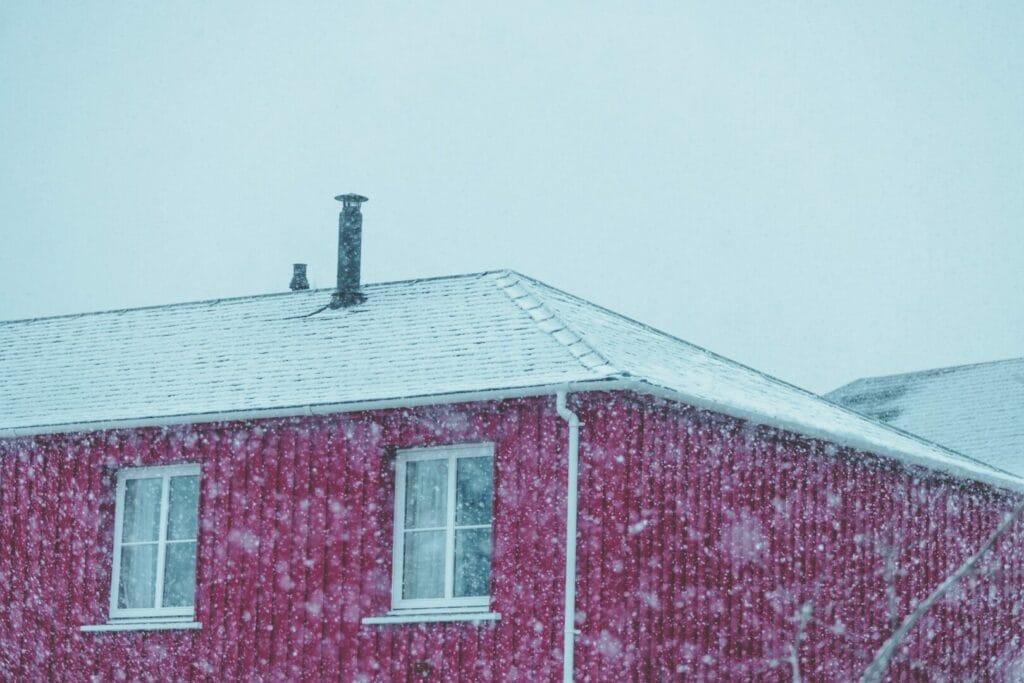
How Snow and Ice Can Affect Your Roof’s Health
Winter brings beautiful snowy landscapes, but it also poses challenges for your roof. When snow piles up on top of your house, it can add a lot of weight that your roof isn’t used to supporting. If the weight becomes too much, it might cause parts of your roof to sag or even collapse.
Understanding the Impact of Snow and Ice on Roofs
During winter, snow can collect rapidly on your roof, leading to excess weight that your roof structure needs to support. This load can be heavy, especially after several days of snowfall. If the weight becomes too much, it might lead to stress on the roof’s structure, causing it to sag or potentially collapse. It’s crucial to regularly assess snow levels on your roof to prevent this kind of damage.
Ice dams are another common problem during cold months. When the heat from your home escapes through the roof, it melts the snow, which then flows down to the colder edges where it refreezes, forming ice dams. These dams block the melted water from draining properly. This water can seep under shingles and into your home, causing leaks and water damage. Beyond leaks, these ice blockages could also lift shingles, which further increases the chance of water infiltration.
The freeze-thaw cycle is a key factor that affects the durability of roofing materials. When water infiltrates small cracks or imperfections in the shingles and then freezes, it expands, widening these gaps. This repeated cycle can cause shingles to crack, break, or become dislodged over time. Understanding these risks and addressing them is vital to maintaining a healthy roof throughout the winter.
Identifying Signs of Snow and Ice Damage
Recognizing the signs of damage from snow and ice early can save you from costly repairs. A primary indicator of snow and ice-related damage is sagging in certain parts of the roof. This sagging suggests that the roof is carrying too much weight. If you notice areas of your roof dipping, it’s crucial to address the issue promptly.
Ice formations, such as icicles along the gutters, are another sign of potential trouble. While icicles might look pretty, they often indicate that ice dams are forming. This can lead to blocked drainage and increased risk of leaks. Carefully observing your roof’s eaves can alert you to developing problems.
Water stains on ceilings and walls inside your home suggest that there might be leaks caused by ice dams. These stains usually appear as discolored patches and might be accompanied by drips and indoor water leakage. Such signals should motivate immediate investigation to prevent further damage.
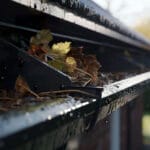
Another sign to watch out for is roof granule loss, visible in your gutters and downspouts. Granules protect the roof shingles, and their loss indicates that harsh weather is eroding the roof material. This makes shingles more vulnerable to further damage. If you notice granules washing away, consider it an early warning and take action to address it.
Prevention Tactics for Snow and Ice Damage
Taking proactive steps to protect your roof from snow and ice damage is key to maintaining its health. Regular roof inspections and maintenance form the cornerstone of prevention. By scheduling routine checks, you can identify minor issues before they become major problems. These inspections help ensure your roof can withstand the winter elements.
Adequate attic insulation and ventilation play a critical role in preventing ice dams. Proper insulation keeps warm air from escaping into the attic, which can melt the snow on your roof. Ventilation allows any warmth that does escape to be evenly distributed, reducing the likelihood of snow melting and refreezing. Together, insulation and ventilation help maintain a stable roof temperature that prevents the formation of ice dams.
In addition to these measures, consider professional assistance for snow removal. Attempting to clear snow and ice on your own can be risky and might cause more harm than good if not done correctly. Professionals have the tools and experience to remove snow safely, reducing the burden on your roof and preventing potential damage. Engaging expert services can provide peace of mind and preserve your roof’s integrity through harsh winters.
The Role of Professional Help in Maintaining Roof Health
Professional help is invaluable in maintaining your roof’s health, especially during snowy and icy conditions. Expert assessments can uncover hidden damage that might not be visible to the untrained eye. These professionals use their expertise to pinpoint issues like weakened shingles, ice dam formation, and potential leak sources.
Having access to specialized tools and skills is another advantage of hiring professionals. They have the knowledge and equipment to perform safe and effective repairs. Whether it’s replacing damaged shingles or ensuring that gutters facilitate proper drainage, professionals can tackle these tasks efficiently, helping to extend your roof’s lifespan.
To ensure your roof remains in top condition, consider scheduling routine check-ups. These regular evaluations provide ongoing oversight and maintenance of your roof’s health. Regular professional attention helps catch small problems before they escalate, ensuring that your roof continues to perform well year after year, regardless of the weather conditions it faces.
Conclusion
Caring for your roof during winter is essential for keeping your home safe and comfortable. Snow and ice can put a real strain on your roof, but with the right precautions, you can protect it from damage. Recognizing the signs of potential trouble, like ice dams and sagging, allows you to act quickly to prevent more serious issues. Proper insulation, regular inspections, and professional help play key roles in maintaining your roof’s health.
You’re not alone in this effort. Let us be your trusted partner. At G.H. Clark Contractors, we provide expert services that ensure your roof withstands the toughest winter challenges. Schedule an inspection with us today, and let our experienced team protect your home with top-notch roofing services in Maryland. Your roof’s health and your peace of mind are our priority.