
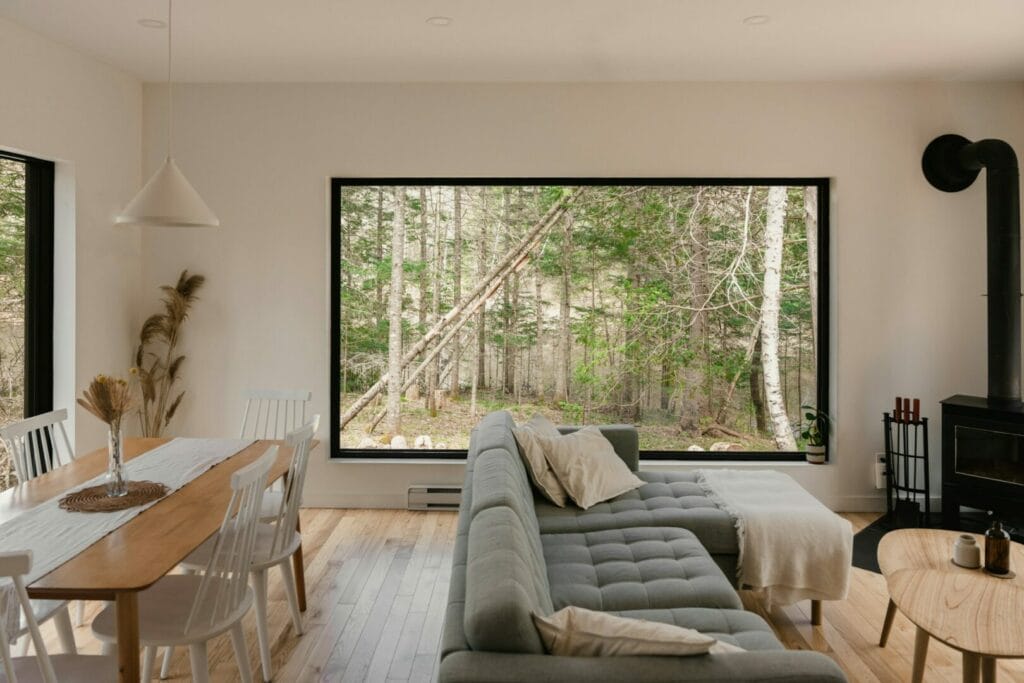
How to Install Energy-Efficient Windows in Your Home With Ease
Installing energy-efficient windows is a smart way to enhance your home’s comfort while also saving money. These windows are designed to keep your house warm in the winter and cool in the summer, helping to reduce energy bills. They also add a modern touch, boosting your home’s appeal and potentially even its value.
Beyond cost savings, energy-efficient windows have a positive impact on the environment. By improving insulation, they decrease the amount of energy used by your heating and cooling systems. This contributes to a smaller carbon footprint for your household, making it an eco-friendly upgrade.
Embarking on the journey to install energy-efficient windows might seem daunting at first. However, with the right approach and understanding, you can make the process smooth and rewarding. Learning how to select, install, and care for these windows ensures you get the most out of your investment in both time and money.
Benefits of Energy-Efficient Windows
Energy-efficient windows offer several key advantages that make them a worthy investment for any homeowner. One of the primary benefits is the reduction in energy costs. These windows are designed to provide excellent insulation, helping to maintain the desired temperature inside your home. This reduces the load on heating and cooling systems, leading to lower utility bills. As a result, energy-efficient windows pay for themselves over time.
These windows also enhance comfort by minimizing drafts and maintaining consistent indoor temperatures. This means fewer cold spots in winter and cooler indoor air during summer, providing a more pleasant living environment regardless of the season.
Energy-efficient windows contribute positively to the environment by reducing energy consumption. They help decrease the carbon footprint of your home by limiting the amount of energy your HVAC system needs to maintain comfortable temperatures. This makes them a great choice for environmentally conscious homeowners.
Investing in energy-efficient windows can also increase your home’s value. Many buyers look for energy-efficient features when purchasing a new home, and upgrading your windows can make your property more attractive. These windows can modernize your home’s appearance, reflecting a commitment to sustainability and cost savings which in turn can lead to a higher selling price if you decide to move.
Choosing the Right Windows for Your Home
Selecting the right energy-efficient windows involves considering several important factors. First, think about the window type. Different styles, such as double-hung, casement, or sliding windows, offer various mechanisms and appearances. Choosing a style that complements your home’s design while offering energy efficiency is crucial.
Next, consider the materials used for the window frames. Vinyl, wood, and fiberglass are popular choices, each with its own benefits regarding insulation, maintenance, and aesthetics. For instance, wood provides excellent insulation but requires more upkeep, whereas vinyl offers a maintenance-free option with good energy performance.
Energy ratings and certifications are essential when choosing windows. Look for the ENERGY STAR label, which indicates that the window meets strict energy efficiency guidelines set by the U.S. Environmental Protection Agency. Additionally, examine the window’s U-factor and Solar Heat Gain Coefficient (SHGC). Lower U-factor values indicate better insulation properties, while lower SHGC values are beneficial in warm climates for reducing heat gain.
Lastly, consider your budget and long-term savings. While energy-efficient windows may have a higher initial cost, the savings in energy bills and the increased home value can outweigh this expense over time.
By evaluating these factors, you can choose windows that not only fit your home’s needs but also enhance its energy efficiency and overall comfort.
Step-by-Step Guide to Installation
Installing energy-efficient windows yourself can be a rewarding project if done carefully. Start by preparing the site, which involves clearing the area of any obstructions and removing old windows. Clean the space thoroughly to ensure a smooth installation.
Accurate measurements are crucial, so double-check them before making any purchases. Measure the width, height, and depth of the window opening and note any irregularities that might require adjustments. Getting these precise will ensure that your new windows fit perfectly and function properly.
Next, remove the old window carefully to avoid damaging the surrounding structure. Once the old window is out, check the frame for any signs of damage or rot. Repair or reinforce the frame if needed to ensure it can support the new window effectively.
Install the new window frame into the opening. Use shims to make sure it is level and square. Secure it with screws in the pre-drilled holes. Afterward, apply insulation around the window frame to enhance energy efficiency. This helps seal any gaps and keeps unwanted air out.
Finish the installation by adding interior and exterior trim. The trim not only holds the window in place but also gives it a polished look. Make sure to test the window’s functionality, ensuring it opens and closes smoothly without any obstructions.
Maintenance Tips for Longevity
To extend the lifespan of your energy-efficient windows, regular maintenance is key. Start by developing a cleaning routine. Dust and dirt can accumulate on window surfaces, so clean them with mild soap and water. Avoid using harsh chemicals as they can damage the glass or frame.
Check the seals around your windows seasonally. Over time, seals can wear out, leading to drafts and energy loss. Reapply caulk or replace weatherstripping if needed to maintain proper insulation and energy efficiency.
Inspect the hardware, like locks and handles, to make sure they work smoothly. Tighten loose screws and lubricate moving parts to prevent rust and ensure long-term operation.
During your seasonal checks, examine the windows for any signs of damage. Look for cracks in the glass or warping in the frames. Early detection of issues allows for timely repairs, preventing them from escalating into bigger problems.
Finally, keep an eye out for condensation between glass panes. This could indicate seal failure, which requires professional assessment. Addressing such problems promptly helps you avoid potential energy loss and assures continued efficiency.
Conclusion:
Installing energy-efficient windows is a practical way to enhance your home’s comfort while lowering energy costs. With the right choice of materials and proper installation, these windows offer valuable benefits for both your wallet and the environment. Regular maintenance ensures they perform at their best, providing lasting value.
Whether you’re motivated by savings, environmental concerns, or improved comfort, energy-efficient windows represent a smart home upgrade. They help reduce energy consumption, which is not only good for the planet, but also eases the strain on your household budget. By maintaining them well, you can enjoy these benefits for many years to come.
For those who prefer expert installation and maintenance, consider reaching out to G.H. Clark Contractors. With our expertise in exterior home improvements, we can handle the process efficiently, ensuring that your windows maximize their energy-saving potential. Contact us today to learn more about how we can assist you with your window installation in Maryland.