Tag Archive for: Annapolis

Roofing Repair

Roof Basics From Roofers Annapolis: What All Homeowners Should Know About Roofing Replacement

You depend on your home’s roof to protect your house from damage. Luckily, they’re durable, lasting between 20 and 50 years depending on the type of materials used. But the time will come when you need to schedule a roof replacement.

Installing a new roof is a relatively simple process. But if you’ve never replaced your roof before, you likely aren’t sure what to expect.

Here are some of the key replacement roof basics you should familiarize yourself with ahead of time.

Always Work with a Professional Roofing Contractor

The best thing you can do is work with a licensed and insured roofing contractor. These professionals know how to install roofing materials the right way to prevent costly leaks and damage. Even better, they can inspect the underlying roof structure to make sure everything is in good shape.

If they notice anything out of place, they’ll be able to fix the damage quickly.

Installing a roof on your own or with the help of an inexperienced handyman almost guarantees that the project will cost more. Not only do you have to pay full retail price for the roofing materials, but you’ll also have to sacrifice a few days of your time to the project.

Assuming everything goes well and the roof installation gets done correctly, the manufacturer warranty won’t be in effect. Most manufacturers require that the materials get installed by a professional roofing contractor. If you do it yourself, you’ll miss out on the added protection the warranty provides.

It Pays to Get Quotes from Different Contractors

Roofers charge different rates for their services and what one company says will be an easy job, another might struggle to complete on-budget. That’s why you always need to shop around before choosing a roofing contractor.

Get written estimates from several companies and compare what they say. Remember, choosing the cheapest contractor isn’t always the best option. You want to choose a company that provides the most extensive services at a price that you can afford.

If you base your decision solely on price, you’ll often end up with sub-par roofing materials and experience roof maintenance issues down the road.

The Old Roof Should Always Get Removed

In most areas, you’re allowed to have two layers of asphalt shingles (the most common roofing material) in place. But that doesn’t mean you should ask your roofing contractor to install a new layer of roofing materials on top of the old ones.

The key to a long-lasting roof replacement is to completely remove the old materials first. This lets your contractor inspect the support structure for damage and makes it easy to take care of minor repairs that impact the structural integrity of your roof.

If a contractor tells you that installing a new layer of shingles is all you need to do, get a second opinion.

Quality Materials Are Worth the Investment

When it comes to roofing, you really do get what you pay for. Higher quality materials will cost more than low-grade products. But they’ll also last far longer and have fewer repair issues in the future.

Remember, you don’t have to stick with the same type of roofing materials you had previously. It’s possible to upgrade from shingles to metal roofs or to switch from expensive wooden shakes to affordable and durable asphalt shingles.

If you’re not sure what’s best for your home, don’t hesitate to ask. Roofers want to do what’s right for your house and can break down the costs of each material for you during the estimate.

Your HOA Will Have a Say

Homeowners who live in neighborhoods without homeowners’ associations (HOAs) can choose whatever roofing materials and colors they like. But if you live in a neighborhood with an HOA, you’ll need to discuss your roof replacement with them.

HOAs often like to keep the neighborhood’s aesthetics consistent. This means they have a set list of colors and roofing materials that they’ll approve for installation on your home.

If you choose a color or type of roofing that’s not on their approved list, you could violate their rules. At best, the violation will lead to a fine, but you may also get asked to remove the roofing materials completely, forcing you to effectively pay for two new roofs.

Before you decide on the materials, always doublecheck with your HOA. Choose materials that are in compliance with their regulations and you’ll be fine.

Replacements Aren’t Substitutes for Maintenance

New roofs often solve ongoing maintenance issues you’ve coped with for the last few years. But that doesn’t mean you’ll be able to forego roof maintenance after the new roof gets installed.

In fact, doing so can void your manufacturer’s warranty.

After you get your new roof, set up a regular maintenance plan with your contractor. This will help prevent the most extensive damage from happening in the first place.

You’ll also want to notify them of any issues, leaks, or missing roof materials as soon as you notice them. The sooner those minor problems get fixed, the better off your roof will be.

Expect the Work to Be Loud

Unfortunately, nearly all roof replacements are noisy. After all, your contractor has to remove the old materials and hammer the new ones into place.

If you’re at work during the day, this shouldn’t cause much disruption to your routine. But if you typically spend the day at home or work out of a home office, you may want to get away for a few days.

The same is true for your pets. Remember, animals are more sensitive to loud noises and the sounds of the roof replacement may scare them. It might be worth boarding your pets for a few days until work wraps up.

These Replacement Roof Basics Are Just the Beginning

Installing a new roof can be stressful. But once it’s done, your home will have a new layer of protection against the elements. These replacement roof basics will help you know what to expect from the process.

If you’re ready to get your new roof installed, don’t wait. Contact us today to schedule an estimate and let our team help you keep your home in great condition for years to come.

Why Asphalt Shingles Are the Best Shingles for Your Annapolis Home

[et_pb_section fb_built=”1″ admin_label=”section” _builder_version=”4.16″ global_colors_info=”{}” theme_builder_area=”post_content”][et_pb_row admin_label=”row” _builder_version=”4.16″ background_size=”initial” background_position=”top_left” background_repeat=”repeat” global_colors_info=”{}” theme_builder_area=”post_content”][et_pb_column type=”4_4″ _builder_version=”4.16″ custom_padding=”|||” global_colors_info=”{}” custom_padding__hover=”|||” theme_builder_area=”post_content”][et_pb_text admin_label=”Text” _builder_version=”4.16″ background_size=”initial” background_position=”top_left” background_repeat=”repeat” global_colors_info=”{}” theme_builder_area=”post_content”]

Your roof may be the most expensive part of your home that you never think about. On a normal day, it runs under the radar, but when it needs to be replaced, it’s a serious blow to your wallet.

Whether you’re building a new home or re-roofing an existing house, the journey starts with learning your options. It’s no secret that asphalt shingles are among the most popular and best shingles for your roof. As it turns out, there are many reasons they’re so beloved.

Affordability

No matter how you slice it, a roof is an expensive repair for your home. This is why asphalt shingles are so popular for their affordability.

Asphalt shingles are typically the lowest-cost choices for your roof. This makes it an especially practical choice for homeowners who plan to sell their homes soon.

Not only are the shingles themselves affordable, but the installation is as well. Some roofing options like metal roofs can only be installed by specialty-trained professionals who are experienced with those materials. Those people tend to charge more because they’re in limited supply.

With asphalt shingles, on the other hand, we can install them at a more manageable price.

Range of Choices

Your home is more than a structure that keeps you out of the elements. It also needs to embody your style and have loads of curb appeal.

That’s where asphalt shingles come in. They’re available in a wide range of colors, from popular black or gray to more unique colors. You can choose the one that fits best with your home’s look.

On top of the colors, asphalt shingles come in several shapes as well. For example, you may prefer the standard three-tab shingles or the more artistic architectural shingles.

Long Life

No homeowner wants to shell out money for a new roof every few years. When you install your shingles, you expect them to last.

Asphalt shingles can meet or exceed those expectations. In most cases, they last between 15 and 30 years.

Keep in mind that you will play a part in making your roof last. It depends on how well you maintain your roof as well as the quality of your shingles, your climate, how well the installers performed, and more.

Popular Aesthetics

No matter what your plans are for your home in the future, you want to consider resale value when you replace your roof. After all, who knows where they’ll be in 30 years?

Some types of roofs have unique looks. Take metal roofing, for example. Some people love them and some people hate them.

Asphalt shingles, on the other hand, are people-pleasers. They have a neutral look that makes your home look clean and desirable to any buyers.

Specialty Options

You already know asphalt shingles come in different colors and shapes. Did you know they also come in a variety of other options?

For example, some shingles are made with higher impact resistance ratings. They’ll be more durable against hail and other impacts on your roof.

Another weather-fighter is the wind-resistant shingle, which stays in place even better than standard shingles in high winds.

If you’re concerned about your roof keeping its clean look, you might opt for stain-resistant asphalt shingles. Aglae, leaves, and other staining materials won’t stand a chance.

Finally, there are cooling shingles. These asphalt shingles reflect more light so less heat from the sun seeps into your home. It helps you save energy during warmer months.

Fixability

As we mentioned above, asphalt shingles are durable against the elements. They aren’t indestructible, though. There is always a chance that wind will blow off some of your shingles.

Unlike some other roofing materials, it’s easy to fix asphalt shingles when that happens. All you need to do is call a roofer to replace the broken shingles. Some types of roofing would require you to replace larger sections, making the repairs more expensive.

Natural Durability

The weather can be a powerful enemy for your roof. It isn’t the only one, though. Fortunately, asphalt shingles can stand up for themselves.

These shingles are naturally non-flammable. This makes fires less likely to spread to your home from other houses and trees. After all, the fewer flammable parts you have in your home, the better.

Note that each type of shingle has its own flammability rating, though, so it will vary from one to another.

Asphalt shingles also have a low risk of insect damage. Cedar shakes and cedar shingles may look great but if termites or other wood-affecting insects get into them, you could have expensive damage. Asphalt shingles don’t have that problem.

Sound Protection

Your roof does more than keep you safe from the elements. It also plays a vital role in your privacy and your ability to enjoy your home.

Asphalt shingles have a natural ability to block and dampen sound.

This allows you to enjoy your quiet time without excess noise from a nearby construction site, highway, or other noisy area.

On the flip side, sound blockage also makes for a happier neighborhood if you enjoy playing loud music. They get peace and quiet while you get privacy and the freedom to play as loudly as you want.

Choosing the Best Shingles for Your Annapolis Home

If you’ve lived in Annapolis for more than an hour, you know that our roofs have a lot to stand up against. Every season presents its own challenges, from storms rolling in via the Atlantic to the occasional snowstorm.

As you choose the best shingles for your home, consider all the unique benefits that asphalt shingles can provide. If you want to be sure you’re making the right choice, you need the help of a professional.

Call our roofing specialists to talk about all your options, the pros and cons of each, and which one is the best fit for your house.

[/et_pb_text][/et_pb_column][/et_pb_row][/et_pb_section]
Deck

Roofing Basics All Annapolis Homeowners Should Know

Every year, around 5 million existing homes are sold in the United States.

Are you someone who’s recently purchased a house?

Then you’ll want to know how to take the right measures to ensure your home is not only safe but also robust when it comes to weathering.

One important part that many homeowners skip over is their roof. But if you don’t take care of it, your roof can end up being your financial downfall.

As an Annapolis homeowner, here are some roofing basics you should know.

How Your Roof Works

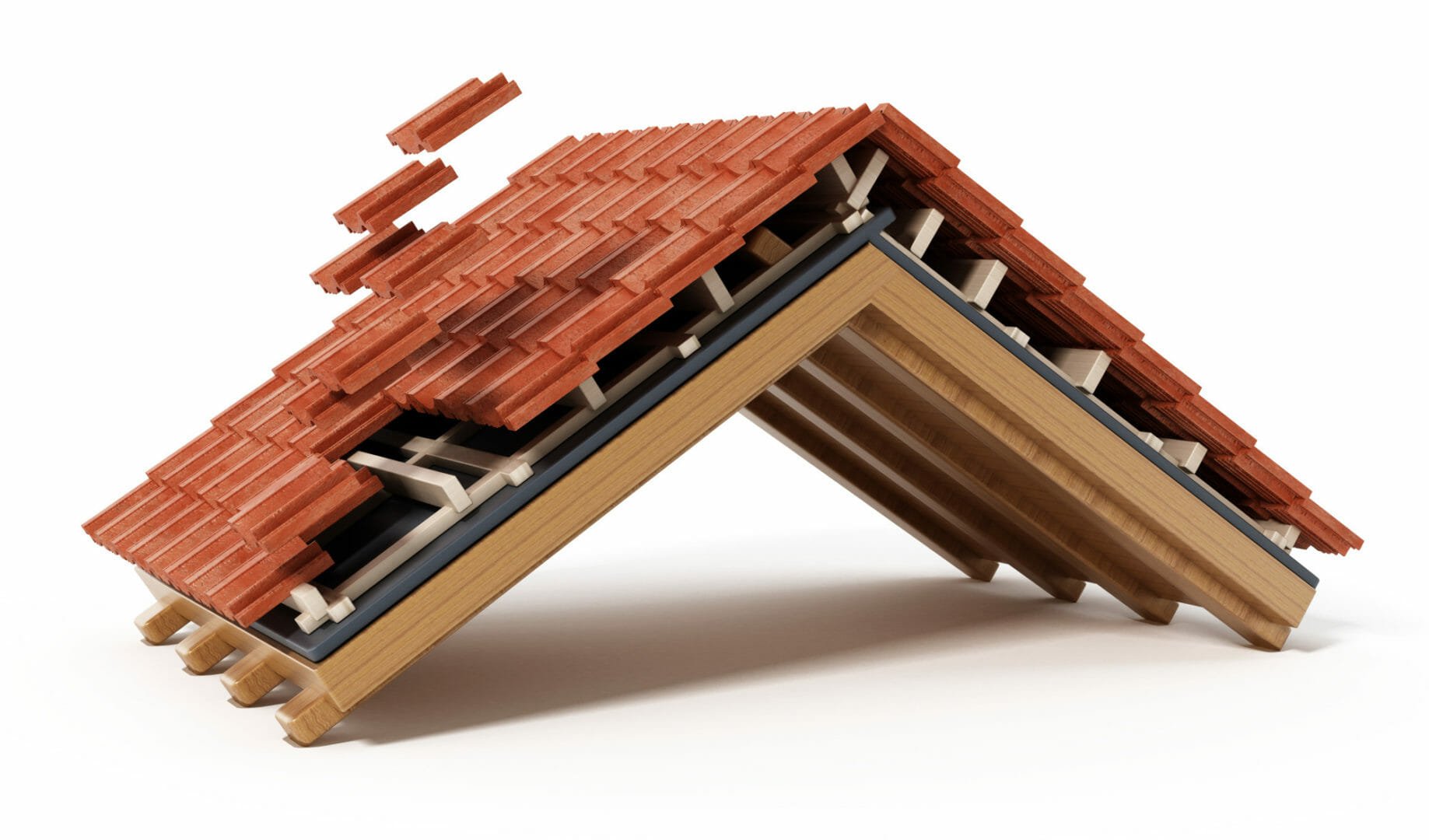
A roof is generally comprised of 5 parts — the structure, sheathing, covering, flashing, and drainage.

We explain each one in detail below.

Structure

You can think of the structure as the skeleton of your roof.

They’re made of rafters and trusses, which work together to support the roof’s sheathing.

Find out more about sheathing below.

Sheathing

These are the parts that are attached to your house’s rafters.

They’re made of either boards or sheet material.

The sheathing provides a smooth surface for the covering to go on.

Covering

The covering is what goes on top of the sheathing.

Typically, you’d choose either metal, shingles, slate, or tiles. The roof covering protects your sheathing from weathering, such as hail and big gusts of wind.

Flashing

Your roof is what stands between the outside elements and your home’s interior.

The flashing is what prevents water from seeping into your house.

It’s usually made of sheet metal, but it can also be made from other material, so long as it fits into your roof’s joints and valleys.

Drainage

This is also another feature of your roof that keeps water away from the inside of your home.

But it’s not just one thing — instead, it consists of multiple design features.

For example, your home’s drainage system may incorporate the roof’s slope, shape, and layout. Altogether, they work to efficiently transport water away from your home so your roof doesn’t leak.

Now that you know the parts of your roof, here’s some advice on how you can take better care of it.

Have It Inspected

If possible, have the roof inspected before you even close on your home.

If this isn’t feasible, then at least schedule an inspection at your earliest convenience once the deal is sealed.

While your roof might look fine, it may actually be hiding a lot of problems. You won’t be able to tell unless a professional takes a look at it. The earlier they find small problems, the easier, quicker, and cheaper it is to fix them.

Don’t just get one roof inspection, either.

The best course of action is to schedule one every year. Just as you schedule an annual checkup for your health, you should do the same for your roof.

Again, prevention is key — if a roofer gives your home a yearly inspection, minor problems can be caught and remedied before they grow into something inconvenient and unruly.

If you do this, it’ll be an investment into the lifespan of your roof.

Don’t Forget About Your Gutters

Remember how we said your roof has a drainage system?

Well, it won’t work efficiently all on its own.

As we said above, leaves, branches, and other debris will build up over time. It’ll slide down from your shingles onto your gutter system. As a result, it may become clogged.

If this happens, future rainwater can overfill and pool near your foundation, which can damage it. And because the pooled water makes the debris heavier, it can also cause your gutter system to break.

If you aren’t able to clean out your gutter on your own, have the roofing professional do it during your yearly inspections.

Get a Replacement When You Need One

Even if the roof is brand new when you move in, there comes a time when it eventually breaks down.

This is true even with yearly inspections and repairs.

On average, a roof will last about 20 to 25 years; this number varies depending on the type of roof you have.

If you’re coming up on the two-decade mark, then you should know it’s probably time to replace your roof.

If you’ve been keeping up with your yearly inspections, then your roofer should’ve let you know if your roof’s coming up on its expiration date. If they do, don’t ignore their advice — they’re not just saying this to make an extra buck.

Know the Roofing Basics to Save Yourself Time and Money

When you know the roofing basics, this can save you lots of time, money, and trouble in the future.

If you ever notice anything that’s strange or out of place on your roof, make sure you call some experts straight away.

The longer you leave it, the more of a hassle it’ll be to fix. So make sure you take immediate action if you think something’s up with your roof!

Does your roof need repair or maintenance? Then get in touch with us today to schedule an appointment!

What's Right for Your Home and Budget Understanding the Different Types of Windows

What’s Right for Your Home and Budget? Understanding the Different Types of Windows

Different types of windows suit different functions such as light, security, ventilation, and airflow. There is no limit to what is right when it comes to windows, as long as it fits your requirements, complements the house design, and is within your budget.

What Determines the Window Type?

A suitable window selection depends on;

  • Room location
  • Room size
  • Room utility
  • Architectural point of view
  • The direction of weather elements, especially wind

What are the Different Types of Windows?

The mentioned factors guide your contractor on selecting the suitable window type for your house design and budget. However, filtering through the many options starts with identifying the most common types of windows.

1. Hung Windows

Widespread across the country, hung windows consist of sashes or shutters attached to a rigid frame. Single-hung windows have a movable upper section, and a fixed lower sash.

The double-hung type has a pair of shutters, each arranged on top of the other, and attached to one frame. By either pulling an attached cord or through manual effort, each sash slides along the frame vertically to open up space at the top or bottom to your required level.

Hung windows offer adequate airflow and ventilation. For the double-hung type, warm air flows out through the upper opening as fresh air gets into the house through the lower section. Also, you don’t need a ladder to clean the outside part. Just slide the sash and clean while inside.

However, the design is prone to air leakage and offers less open area than other window types. Also, if inadequately maintained, the movable stash sticks or slips on the frame, especially for the upper stash.

2. Casement Windows

Also common across the country, casement windows have shutters attached to a frame that opens and closes like regular door shutters. Rebates on the frame secure the shutters. You use an attached crank to open the window outwards from either the right or left side.

The hinge enables you to regulate how the extent the windows open outwards, depending on your required air circulation and light. When adequately sealed, casement windows are energy efficient.

However, you might need to clear nearby shrubs and trees. Engage your contractor on hinge placement, either right or left, depending on the house design to maximize air and light flow into the house.

3. Bay Windows

Bay windows are a darling of architects due to the angles and projections. The projection from the wall increases the surface area for air and light flow. Traditional bay window designs are triangular, rectangular, and polygonal.

Though fixed like the picture windows, two casement fixtures on the side allow airflow into the house from different angles. Common installation areas are the kitchen and family rooms, as the large sill from the arch suits plant placement or window seats.

4. Sliding Windows

Like hung windows, sliders have sliding sashes, though the movement is horizontal. Sliders are prevalent in contemporary and ranch style house designs, especially for egress windows in below-grade bedrooms and basements.

The sideways movements, simple locking mechanism, and basic seals make opening and closing easy and offer a handy emergency exit point. Also, the simplistic design and minimal mechanical parts make them durable, affordable, and low maintenance. You can open the windows as far as the sliding rail allows for fresh air and light. For bug-prone areas, a light screen fits in the opening to keep bugs out while letting in the fresh air.

However, cleaning the outside section of the sliders can be challenging, as the panes do not tilt or lift. Dirt and debris also accumulate on the railing, hindering practical functionality if not adequately cleaned. Also, especially during the winter months, cold air and wind get into the house through the gap between the center seam.

5. Louvered Windows

Also called jalousie windows, this type is similar to louvered doors and offers ventilation, vision, and light regulation while keeping the rain out. Common louver materials are metal, glass, or wood.

An attached cord alters the slope for airflow and privacy. Experts recommend a louver slant of 45 degrees during rain to cater for runoff. Typical applications for jalousie windows are bathrooms and outside-facing rooms that need privacy.

However, the louvers are easy to pry open, thus posing a security risk. For this reason, some building codes prohibit installation, especially in crime-prone areas. Consult your contractor on compliance before you settle on this window type.

6. Picture Windows

Picture windows are large single uninterrupted glass panes, overlooking broad views. The planes are fixed, thus applicable for areas requiring minimal airflow but ample light.

However, though less prone to air leakage than hung windows, temperature fluctuation is inevitable in extreme climates, even for the energy-efficient double-glazed variants.

Engage your contractor on a complimenting energy-saving installation, such as an efficient HVAC system. A handy recommendation is installing small casement windows on the side or top to improve airflow.

7. Awning Windows

Awning windows open outwards as the hinge is placed at the top. Common installation places are basements due to the limited above-ground space, bathrooms for privacy, and alongside picture windows for airflow.

However, due to the outward opening mechanism, do not install awning windows in high traffic areas or walkways.

8. Dormer Windows

By practice, dormer windows are custom made. Proportionality dictates the final results, such as curb appeal and balance with other house features.

Common benefits are energy efficiency, aesthetics, and improved airflow in the upper house sections. Professional installation of the dormer windows also opens up the attic area for extra living spaces and storage.

Installing dormer windows need a professional contractor. Avoid DIY attempts. Lack of the necessary technical skills and knowledge jeopardizes the roof’s integrity or culminates in an unbalanced final look.

Get in Touch

Other than the apparent functions such as energy savings, windows complement your house design. With informed advice, a fitting selection also adds value to your house at a fraction of the cost. Contact us for consultation, selection, sourcing, installation, and maintenance of the different types of windows.

4 Things to Consider Before You Go for Flat Roof Replacement

4 Things to Consider Before You Go for Flat Roof Replacement

Your roof can last over 30 years.

Some flat roofs can last even longer.

Because of this, you might not have had to deal with a roof replacement before. There are a few things you should consider before you start looking for a roofing contractor.

Here’s what you need to know about flat roof replacements.

1. What Flat Roof Materials Can You Choose From?

There are several different types of flat roof material you can choose from, but it’s important to remember this material isn’t always the same as other roof types.

We’ve created a short list of the most popular options.

  • Modified Bitumen Roofing

This roofing material can be made of a number of different compounds.

It’s rolled onto the roof in a single layer, and with a layer of polymer on top, it is a durable choice.

But this option does have a few downsides.

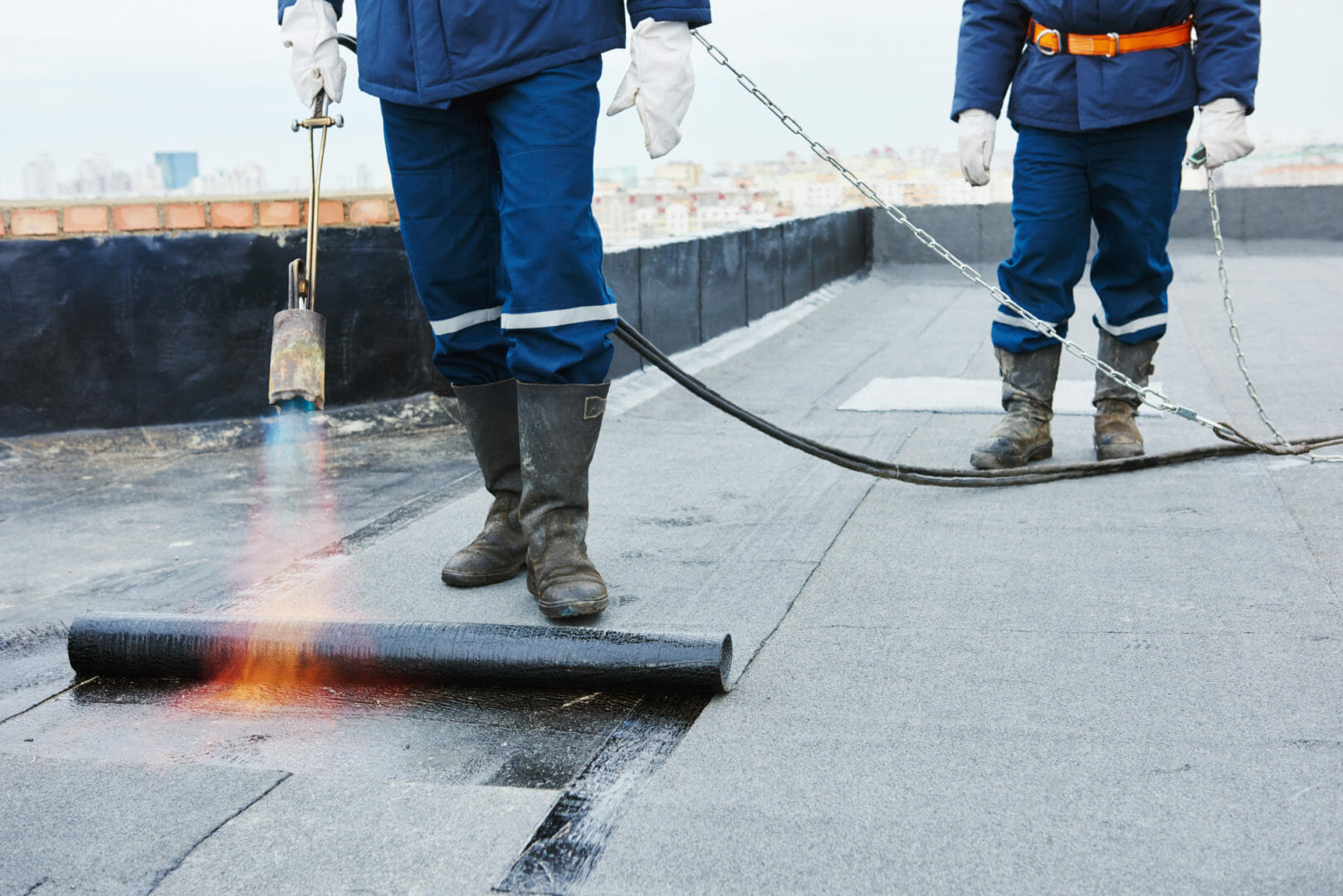
It is traditionally applied by a torch, which can produce a bad smell and create safety hazards. Make sure your roofer is experienced with this type of roofing application if you choose it.

  • Built-Up Roofing

This type of roof is made of tar and gravel.

Built-up roofs are resistant to damage, good at insulating your home, and a beautiful home feature.

This is the most traditional flat roof material.

  • Single-Ply Membrane Roofing

Single-ply membrane is a polymer membrane roof made of recycled rubber.

While this material is lightweight, it is also durable. You won’t have to worry about debris denting or scratching the surface.

If you’re looking for an environmentally-friendly option, this is a good choice.

  • Metal Roofing

Metal has become a popular flat roof material choice in recent years.

These roofs can be made of several different types of metals, but the most common option is aluminum.

Metal roofs are much more durable than other flat roof options, but they can rust if they get and stay wet for too long.

2. How Much Do They Cost?

Before you can choose your favorite roofing material, you have to consider a few other factors, such as the cost.

If a metal roof is outside your budget, you may want to stick to something cheaper instead.

  • Modified Bitumen Roofing

Modified bitumen roofing is one of the cheapest flat roof materials out there.

The cost can be as low as $3 per square foot, but it depends on who you work with. You might have to pay closer to $6 per square foot.

However, the installation process is quick and easy.

Since the professionals won’t have to spend too much time working, you’ll save money on labor costs.

  • Built-Up Roofing

This roofing material is slightly more expensive than modified bitumen.

You can spend anywhere from $3.50 to $7 per square foot.

The cost of installation is also much higher than most other methods.

  • Single-Ply Membrane Roofing

Again, the installation cost for single-ply membrane roofing is higher than modified bitumen roofing.

But the average price for the material is about the same, anywhere from $4 to $6 per square foot.

  • Metal Roofing

This is the most expensive flat roof material.

It can cost up to $8 or even $10 per square foot. The installation can also be quite pricey.

3. How Long Do They Last?

To justify the cost of a roof replacement, you’ll want your new roof to last a long time.

Here’s a quick breakdown of each option.

  • Modified Bitumen Roofing

This roofing material can last up to 30 years.

If you choose this option, you might not have to worry about replacing it again.

  • Built-Up Roofing

While these roofs don’t last as long as modified bitumen roofing, they’ll stay in good shape for close to 20 years.

However, they might require a bit more maintenance.

  • Single-Ply Membrane Roofing

This roofing material is extremely long-lasting.

Once you install this roof, you won’t have to worry about a replacement for another 50 years.

  • Metal Roofing

A metal roof can last 35 years if you keep it in good condition.

But if it rusts, you’ll need to replace it right away.

4. Can They Withstand Heat and Cold?

A roof will only stay in good condition for 30+ years if it’s in the right environment.

Otherwise, you might end up replacing your roof again a lot sooner than you planned.

  • Modified Bitumen Roofing

This roofing material can hold up in almost any weather.

Whether you live in an area that gets snow or heat waves, this roof should do fine.

  • Built-Up Roofing

Built-up roofing can develop leaks and water damage over time.

Because of this, you shouldn’t have this type of roof if you live in a wet or snowy environment.

  • Single-Ply Membrane Roofing

Single-ply membrane is waterproof.

This means it’s a good option for places that get a lot of rain or snow.

It also withstands heat, and it can even survive fires.

  • Metal Roofing

Metal roofing reflects heat away from the structure.

Because of this, it’s a good option for hot areas.

Finding a Professional Contractor for Your Flat Roof Replacement

After you find the best flat roof material for your home, you need to find a contractor who can help you through the installation process.

That’s where we come in!

We are both certified and have a lot of experience with flat roof replacement.

If you need a new roof, don’t hesitate to reach out to us today!

9 Reasons Annapolis Residents Prefer Asphalt Roofs

9 Reasons Annapolis Residents Prefer Asphalt Roofs

[et_pb_section fb_built=”1″ admin_label=”section” _builder_version=”4.16″ global_colors_info=”{}” theme_builder_area=”post_content”][et_pb_row admin_label=”row” _builder_version=”4.16″ background_size=”initial” background_position=”top_left” background_repeat=”repeat” global_colors_info=”{}” theme_builder_area=”post_content”][et_pb_column type=”4_4″ _builder_version=”4.16″ custom_padding=”|||” global_colors_info=”{}” custom_padding__hover=”|||” theme_builder_area=”post_content”][et_pb_text admin_label=”Text” _builder_version=”4.25.0″ background_size=”initial” background_position=”top_left” background_repeat=”repeat” hover_enabled=”0″ global_colors_info=”{}” theme_builder_area=”post_content” sticky_enabled=”0″]When looking for a new roof in Annapolis, there are several different options to choose from. The selection can be quite overwhelming, as each type of roofing material has a different set of characteristics to offer.

Asphalt shingles are one of the most common roofing materials for both residential and commercial properties, and for good reason. These thin shingles have many distinct features that can benefit your property.

Understanding a few of the largest advantages of choosing to install an asphalt roof can help you determine if asphalt shingles are the right choice for your home.

Affordable Pricing

One of the largest benefits of asphalt shingles is their cost. Since it is so widely available, you can easily find a style within your budget. This makes asphalt shingles the ideal choice for homeowners with a tight roofing budget.

Of course, if you want thicker shingles or a specialized appearance, more expensive options do exist. This means that asphalt shingles will always be able to fit the needs and budget of your project.

Speedy Installation

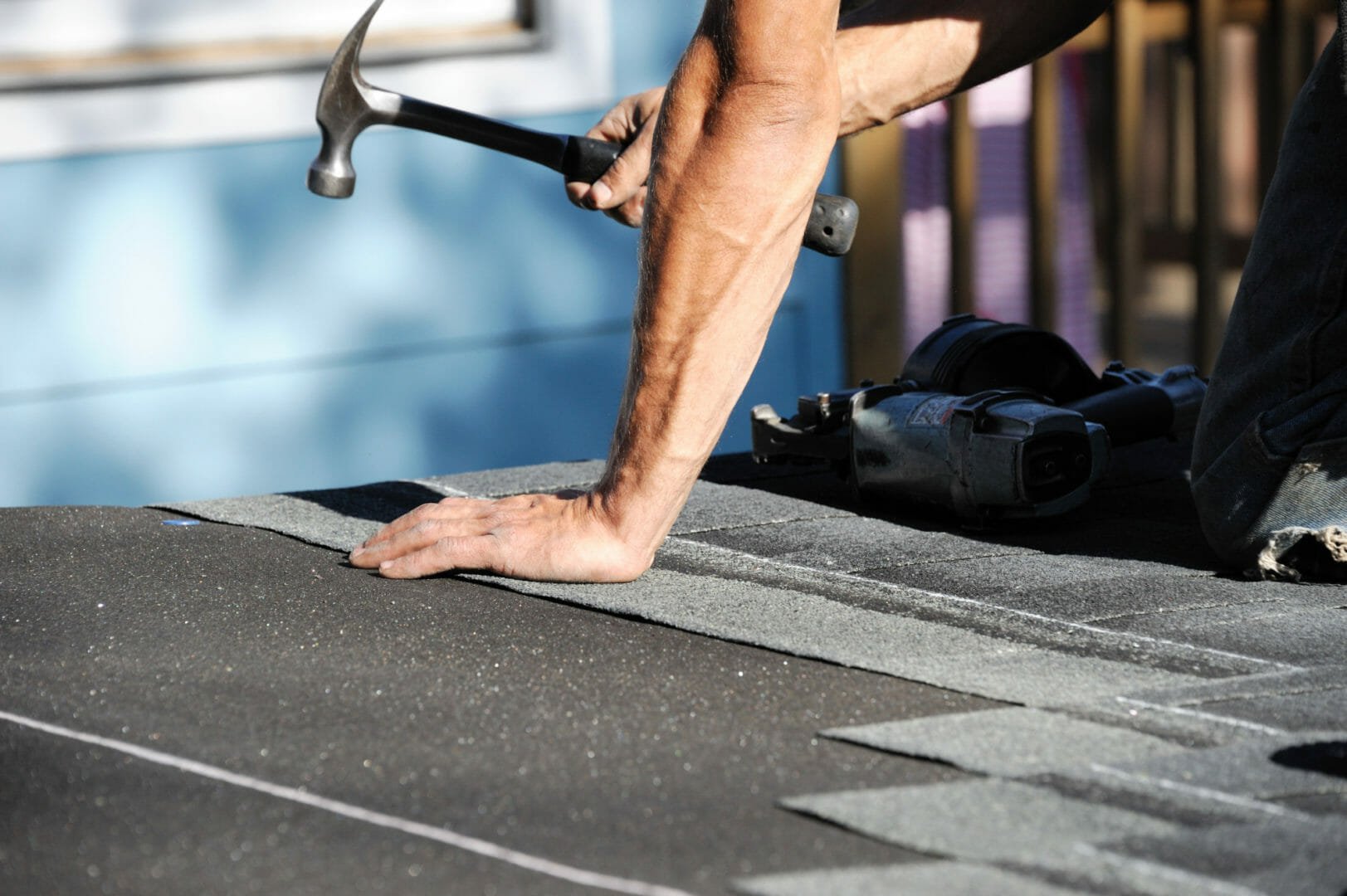
Another thing to note about asphalt shingles is that they are easy to install. In fact, they need no specialized equipment besides a hammer and nails. This makes it easy to install asphalt shingles on flat or sloped roofs, no matter their size.

This makes it easy to repair or replace damaged shingles yourself in a pinch. It also shortens the installation time for your roof and reduces associated labor costs and the disruption to your property.

The light weight of asphalt shingles also means that your roof does not need extra support. This is a problem that can drive up the costs of heavier roofing materials like slate.

An Asphalt Roof is Sustainable

Unlike other types of roofing materials, you can choose asphalt shingles made from recycled materials. While this does represent an added expense, it improves the environmental friendliness of your property.

Further, you can recycle all your asphalt shingles if you ever remove them in the future. They will be melted down and turned into pavement or similar material. In 2017, just under a million tons of asphalt shingles were recycled into pavement.

Aesthetic Appeal

Asphalt shingles come in many different colors and shades. This gives you the chance to customize the appearance of your roof. You can decide to make it unique or blend it into the appearance of your siding and other exterior surfaces.

You can also choose laminated asphalt shingles, which are thicker than traditional shingles. They can provide visual texture to your roof, and offer a more durable protective layer to your property. Laminated shingles can even mimic the appearance of wood, clay tiles, and other roofing materials.

Sound Insulation

Another thing to note about asphalt shingles is that they are very good at muffling sound. Unlike metal roofing, they will not make noise when rain, snow or hail hits them.

This is even more relevant if you choose to install laminated shingles. The added material will muffle noise even further. This makes asphalt shingles a great choice if you live near a major source of noise, like a school or highway.

Reduce Energy Bills With a Cool Roof

Asphalt shingles come in a range of different colors. Lighter shades and shingles made to be reflective will prevent your roof from absorbing sunlight. This can help keep your home cool during the summer.

By keeping your home’s interior cool, asphalt shingles can reduce how long your air conditioner needs to run for. This can translate into large savings on your energy costs each month and can pay against the cost of your roof.

Wind Resistance

Asphalt shingles are resistant to wind damage if properly maintained. While each manufacturer will offer a different warranty length, in general, you can expect your roof to be covered for at least 15 years.

There is even evidence of shingles older than 30 years standing up to Hurricane Ivan in 2004 – though they were properly maintained and repaired as necessary beforehand.

Fire Resistance

Another benefit of asphalt shingles is that they come in fire-resistant variants. You should look for shingles that come with a Class A fire rating, which means that fire will not easily ignite the shingles and will spread slowly over their surface.

Most of the time, Class A shingles will be reinforced with another material, like fiberglass, that won’t burn. While this does represent an added cost when compared to regular shingles, it is well worth the peace of mind – especially if you live in an area that

Low Maintenance

Additionally, asphalt shingles are a low maintenance roofing material. Regular cleaning once or twice a year, usually before and after winter, and a professional inspection once a year is more than enough to stay ahead of any potential issues or leaks.

As already mentioned, it is very easy to replace damaged or torn shingles. The repair process consists of removing the shingle above the damaged shingle, taking the nails out, and nailing a new shingle into place. The entire process can be completed in a few minutes, and you can even do it yourself if you have basic tools and construction knowledge.

Get a Roofing Quote

If you have any questions about installing or maintaining an asphalt roof, don’t hesitate to get in touch with us. Our team of roofing professionals are the best in Annapolis and can provide you with the information you need to make an informed decision.[/et_pb_text][/et_pb_column][/et_pb_row][/et_pb_section]

Hiring The Best Roofing Contractor In Annapolis MD, Best House Repair

The Ultimate in House Repair: Hiring The Best Roofing Contractor in Annapolis MD

[et_pb_section fb_built=”1″ admin_label=”section” _builder_version=”4.16″ global_colors_info=”{}” theme_builder_area=”post_content”][et_pb_row admin_label=”row” _builder_version=”4.16″ background_size=”initial” background_position=”top_left” background_repeat=”repeat” global_colors_info=”{}” theme_builder_area=”post_content”][et_pb_column type=”4_4″ _builder_version=”4.16″ custom_padding=”|||” global_colors_info=”{}” custom_padding__hover=”|||” theme_builder_area=”post_content”][et_pb_text admin_label=”Text” _builder_version=”4.16″ background_size=”initial” background_position=”top_left” background_repeat=”repeat” global_colors_info=”{}” theme_builder_area=”post_content”]

As many as 40% of all American homeowners claim to have experienced some kind of loss as a result of water damage. Needless to say, leaky roofs are a leading cause of this destruction.

So, if you think your roof needs repairs, don’t delay. Here are a few things you need to know if you want to hire the best house repair, contractor. Let’s dive in!

Why’s Roof Repair so Important?

A decent roof does more than just keep the rain out; it also helps to regulate the overall temperature of your home and protect its structural integrity.

Leaks no matter how small can eventually cause long-term structural damage. By this we mean you could suffer from issues like:


  • Mold
  • Warped drywall
  • Warped wood
  • Unsound walls


If this gets out of hand, your home could eventually be declared as structurally unsound and unfit for human habitation.

How to Hire the Best Roofing Contractor

When it comes to finding and hiring the best possible roofing companies, you need to have a look at their previous experience. For instance, have they completed projects similar to yours? If so, what was the quality of their work like?

Answering these questions is essential for ensuring you get value for money and more importantly a roof that protects and shields your home from the elements.

Take a look at their website and get a feel for the kind of work they specialize in. Most top-quality roofing companies will be able to help you with all of the following repairs:


You get the idea!

Keep all this in mind as you create a short list of potential contractors. Make sure you get at least three potential businesses to take a look at the job and provide you with an estimate. This will give you a more accurate feel for the sort of price you should be paying.

Ideally, you’ll have a recommendation from someone you trust or a reputable trade association. Neighbors tend to be the best port of call for proposals because you’re likely to have a similar kind of roof.

Failing that, head to Google and see if you can find any online reviews. If people have had a bad experience, there’s a good chance they’ll have posted about it on the internet somewhere!

Unless you’re seeking a quote for smaller emergency repairs, make sure your quote is sent to you in writing (an e-mail will suffice). This limits the chances of getting lumped with a significantly larger bill once the work is completed.

However, you should note that most ‘estimates’ for repair work can fluctuate once the main covering is removed. This exposes the structure beneath and gives the contractor a clearer picture of what they have to work with. Once they have that info, they’ll be in a better position to provide you with a more accurate final cost.

Should I Accept the Cheapest Quote?

The short answer to this is; maybe. Our advice to homeowners is that you shouldn’t automatically go for the cheapest option. Instead, center your decision on whether the company has a proven track record of producing top-notch work.

Questions to Ask a Potential Roofer

Here are three questions to ask any potential roofer before hiring them. Again, this will help to ensure you pick someone who won’t let you down.

Q: Are You Part of the Maryland Home Improvement Commission (MHIC)?

You want to find out whether your potential contractor is part of the MHIC; this is required of all licensed contractors in Maryland including Annapolis. If your chosen contractor is not part of this organization and can’t provide you with their MHIC #, RUN THE OTHER WAY.

You can be confident that members of the MHIC will compensate you in the event you suffer the effects or poor workmanship. The same is true if your contractor refuses to execute work as per an agreed contract.

Q: Do You Offer a Warranty?

A good quality roofer will take pride in their work and therefore have confidence their repairs will stand the test of time. So, they should always offer their clients a warranty (because there’s no reason for them not to!) If they don’t, it’s a major red flag!

Some roofing companies offer warranties as long as 15 years. Obviously, the longer the guarantee, the higher the chance you can rely on their service.

Q: What Hours Will You Work?

This question is key to getting a better idea of your contractors schedule. You want to establish how many hours a week they can dedicate to your project so you can get a reasonable understanding of when the repairs will be finished.

Want to Find the Best House Repair Contractor?

We hope this blog post helps you find and hire the best house repair, contractor.

If you think we could help you with your upcoming project, then please feel free to reach out and contact us. We’d love to help point you in the right direction and provide you with professional advice.

[/et_pb_text][/et_pb_column][/et_pb_row][/et_pb_section]
roofing installation and maintenance

A Roof For A Lifetime: The Ultimate Guide To Preventative Roof Maintenance For Annapolis Homeowners

You’re enjoying a nice evening of TV when you hear a noise come from your roof. When you go outside to inspect you see that a shingle fell off. This sadly hasn’t been the only one this week.

It might be time for you to have your roof inspected. Your roof is one of the largest investments when it comes to your home because if you don’t take care of it, it can lead to several different problems in your house later on down the road. You can’t just wait around and hope that it takes care of itself, you have to act.

Here are a few roof maintenance steps that you’re going to want to perform regularly in order for the roof to keep doing its job.

1. Check the Shingles

You need to grab a pair of binoculars or climb a ladder to check your shingles after a big storm has brushed through your area. The main things that you need to be looking for when you’re checking over your roof are cracked shingles, missing shingles, curling shingles, peeling shingles, peeling flashing, and missing granules.

If you notice any of these things your roof will be vulnerable to further damage until the problem is fixed. While you can certainly check for the problem, it’s best to call out a professional to actually fix it.

2. Get an Inspection Done

Again, you can look over your roof and try to detect problems but if you aren’t a professional there are many things that you could miss that only an inspector would notice. They can also give you a rough estimate of how much life your roof has left.

The average cost for an inspection is around $300 or more which sounds like a lot but it’s cheaper than some of the repairs that you would have to make to fix problems on down the road.

It’s recommended to have one of these inspections done around twice a year but if you really want to be through, you might want to bump that up to once a year.

3. Look for Leaks

Water damage can lead to some of the most serious roof problems and the most costly repairs. That’s why you want to look for leaks on a regular basis to try and catch the damage before it’s too late to fix it.

One of the largest signs is water stains on your ceiling or in your attic. You may also notice a musty odor, or spots and bulging patches on your interior and exterior walls. Once you’ve identified a leak you can call a professional in to locate it and patch it up or if you feel comfortable with it, this is a repair you can make yourself as well.

4. Wash the Roof

If you leave dirt and algae on your roof it can cause your shingles to rot after a little bit. Rot is harder to deal with than just cleaning your roof on a regular basis. The good news is, it’s really not hard to clean it.

All you have to do is spray it with a mixture that’s half water and half bleach. The bleach will kill anything that causes rot. So, next time you’re able to set aside a day to just clean your home, incorporate your roof into the equation.

5. Clean the Gutters

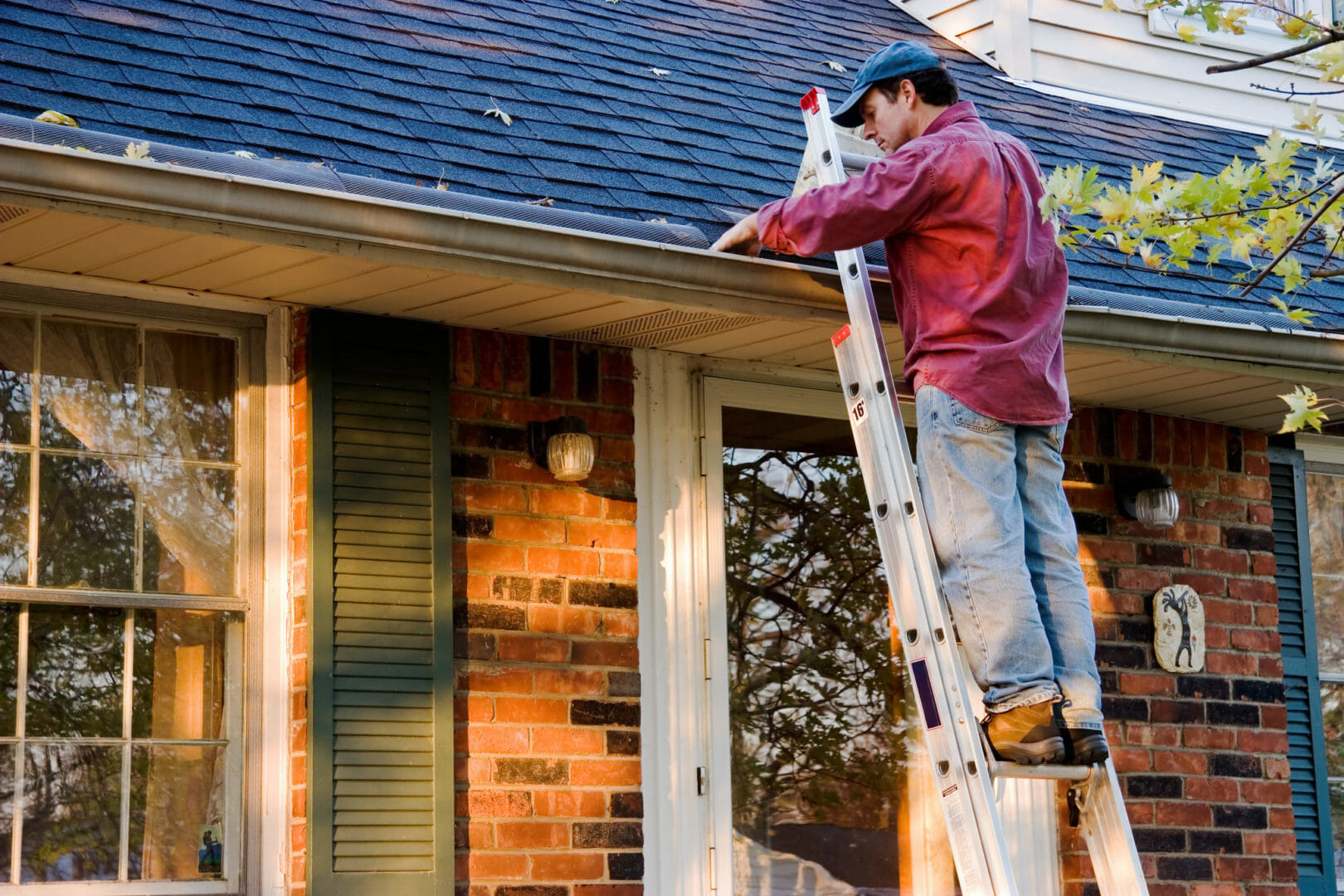
Cleaning your gutters is disgusting but necessary if you want to extend the life of your roof. Fortunately for you, it only needs to be done twice a year, once in the Fall, and once in the Spring.

If you skip this step of roof maintenance then the gutter will get clogged and the water will back up into the roof. This will cause water damage and rot throughout your roof and home which is the last thing you want.

6. Trim Branches

Trimming branches that are hanging over your roof is a good idea for quite a few reasons. The most obvious one is that when a bad storm hits these branches can fall off and cause serious damage to your roof.

The other, less obvious reason is animals. Animals can and will jump from a hanging branch to your roof and either nest in the crevices or get into your attic and be difficult to get rid of. Either way, they can cause quite a bit of damage to both the inside of your home and out.

7. Patch the Chimney

No maintenance list would be complete without checking around your chimney. You’re going to be checking for any cracks or missing mortar. If you see anything you need to call out a contractor out right away to fix it.

Falling bricks can damage your roof. Also, a crumbling chimney causes structural problems to your home and roof. Trust us, fixing a few cracks is a lot easier and cheaper than having an entire collapsed chimney repaired or rebuilt.

Your Guide to Roof Maintenance: Extend the Life of Your Roof

Your home isn’t complete without your roof. It’s essential for protecting you and your family from the elements so, it only makes sense that you return the favor by taking care of it.

Use these roof maintenance steps to extend the life of your roof. After all, replacements are expensive.

No matter how many repairs you make and how hard you try to fight off the inevitable, your roof will eventually need to be replaced. Contact us to see what we can do for you.

Roof Damage on Shingle Asphalt Roof

8 Common Signs of Roof Damage Home Owners Often Ignore

When was the last time you had your roof inspected?

If you’re a Maryland homeowner, chances are you haven’t checked your roof in a little while. It’s the middle of winter and conditions aren’t exactly ideal for climbing up onto your roof right now.

But with spring right around the corner, you’ll want to make checking your roof a top priority. The average lifespan of a roof varies but many factors can cause premature roof damage.

The earlier you can spot damage on your roof, the better. Because should you need to replace it in the next few years, you can avoid and spot early damage in the meantime.

Here are 8 common warning signs of roof damage you won’t want to ignore.

1. Shingle Damage

Have you noticed that your roof is missing a number of shingles? Or, does it appear that your shingles are curling or have cracks in them?

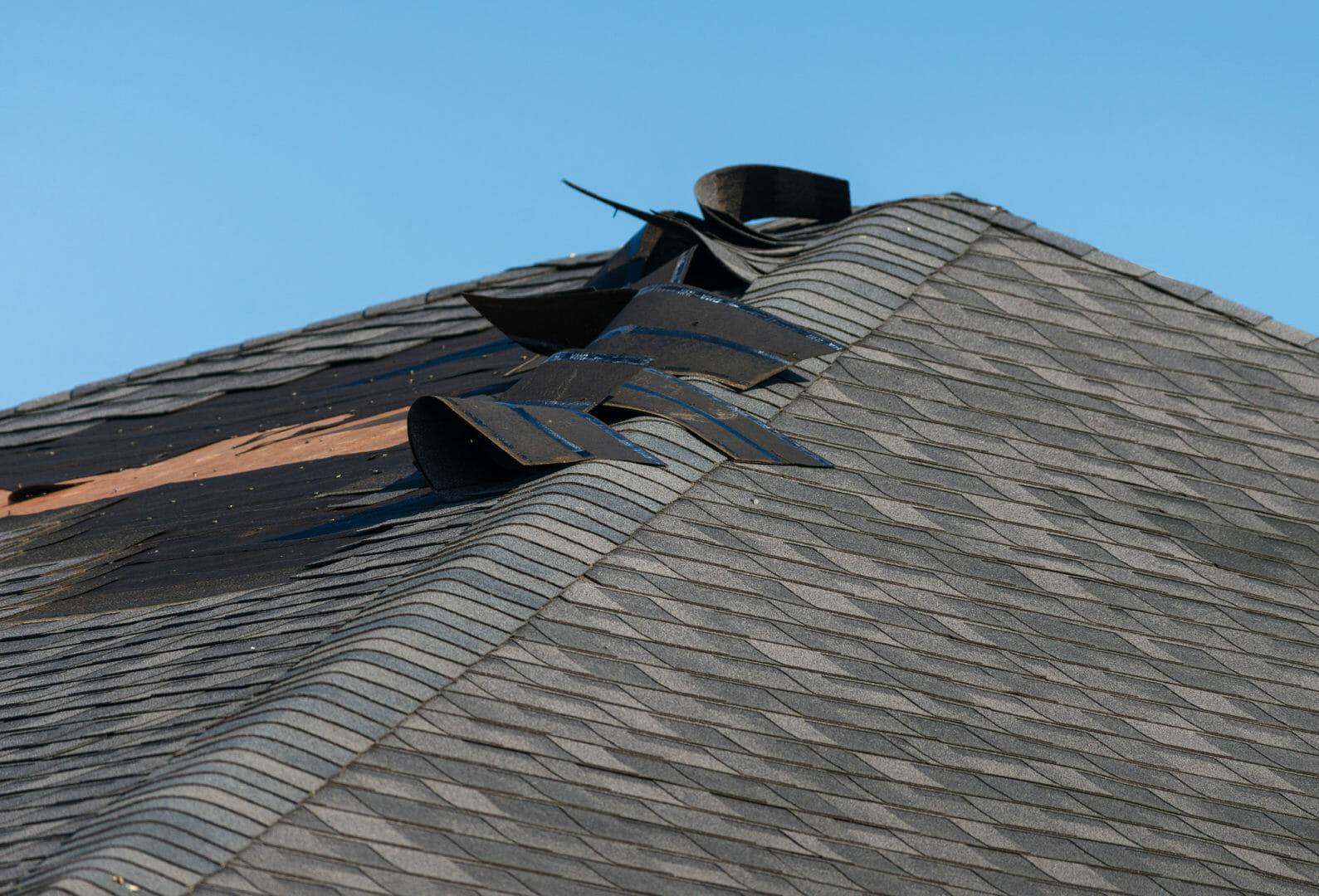
Missing or damaged shingles are one of the tell-tale signs of roofing damage. Over time, they wear down and lose their resistance to external conditions.

High winds are often the leading cause of shingle damage. If your shingles weren’t properly installed, your roof is more susceptible to damage. Fix loose, missing, or damage shingles as soon as you spot them.

2. Water Stains & Leaks

Have you recently spotted water stains or leaks on your ceilings? Are any of your ceilings or walls currently forming water bubbles or mold?

If you’re experiencing one or both of these problems, there is likely a roof leak. Leaks are especially common in the wintertime when lots of snow can accumulate on your roof.

The weather itself is not exactly the cause of the problem. Leaks suggest that there is a problem with your roof that is allowing water and air to seep through.

You don’t have to wait for the signs of a roof leak to show up, either. You can check for frosted nails in your attic, holes, and cracked caulking on your windows.

There are lots of other ways to check for a leaking roof. You may be able to fix them yourself, but it’s better to have a professional do the job.

3. Poor Ventilation

When something is amiss with your roof, your home’s ventilation will take an immediate hit. What are some signs that indicate you may have poor roof ventilation?

Do your energy bills seem much higher than usual? If air is getting trapped in your attic, your HVAC system has to work harder to heat or cool down your home.

Trapped air in your attic can lead to moisture buildup. You should check for mold growth, condensation, and damaged insulation.

Mold and fungi growth can cause excessive dirty spots to accumulate on your roof, as well. Your roof may also exhibit signs of rust, or the paint and wallpaper in your home may even be peeling.

4. Tree Branches

Anytime there are periods of high winds, you may notice a lot of tree branches finding their way onto your roof. A roof that’s properly installed should be able to handle small tree branches. But you’ll want to pay attention to the trees in your yard nonetheless.

If tree branches are close enough to your home that they can rustle and rub against your roof, this is a problem. This can cause cracked and chipped tiling and damage to the fascia boards.

5. Moss Spores

Areas of your roof that aren’t always exposed to the sun can develop pockets of moss spores. While moss may seem harmless, it can disrupt the matting under and between your shingles. When this occurs, your home is more susceptible to leaks, damaged shingles, and wood rot.

You may be wondering how to remove moss from your roof. If moss spores have only recently developed, you can easily remove them with a scrub brush and water.

If there is an excessive amount of moss, you may need to use a chemical treatment. You may need to use a pump sprayer and scrub each shingle and tile individually.

6. Curled/Corroded Flashing

When assessing your home for roof damage, you should pay attention to the roof flashing.

The flashing is the thin layer of metal that’s often connected from your roof to your chimney. Your roof may have flashing near any vents, skylight windows, valleys, or against the walls.

The purpose of flashing is to redirect water away from being able to pool and collect. This helps to prevent moisture growth and roofing damage.

But sometimes the roof flashing is susceptible to curling, cracking, or corrosion. If any areas of the flashing aren’t intact, you’ll need to replace them. When checking the flashing, you should check any nearby tiling, as well.

7. Gutter Problems

Checking your gutters is an important project to do come springtime. But on the next clear day, you can easily check your gutters for the following:

  • Twigs/branches
  • Foreign objects
  • Leaves

It’s natural for objects to accumulate in your gutters. The problem is when clogged gutters block water and prevent it from flowing away. Be sure to check your gutter’s downspout cage and any hangers, elbows, and seams.

Should there be a light rainy day in Maryland soon, you can observe how the water flows out of your gutters. If water seems to be pooling and overflowing on the roof, there may be a clog.

8. Animal Infestation

If it seems like a critter has joined your household, there could be a hole somewhere in the roof.

Before inspecting the roof, check your attic for rodent feces or other signs of wildlife. You may be able to spot their point of entry and exit.

Lay out a couple traps and check back the following day. If nothing turns up but you still suspect an infestation, check your roof. You’ll need to seal off any points of entry.

Depending on the extent of the infestation, you may need to call a professional to remove them.

Is Your Home Showing Signs of Roof Damage?

If you suspect that your home has roofing damage, checking for these 8 signs is a good place to start. They’re certainly indicative that you’ll need to invest in the necessary repair work. But they could also mean that you need a new roof altogether.

To know for certain, it’s important to have a professional assess the extent of your roof damage. That way, you can determine exactly what your roof needs to function at its finest.

Do you live in Annapolis, Maryland or in the surrounding areas of Southern Maryland? If so, contact us to schedule repairs, roof replacing, or an assessment.

The Best Roofers Annapolis Maryland 21401

The Search Is Over: How to Find the Best Roofers Annapolis

Each year, hail causes more than $1 billion in damages to property and crops. While hail isn’t a huge issue in Annapolis, it is a concern that strikes a few times a year. When hail falls, damage to homes is inevitable.

If you have noticed roof damage, due to hail, or any other cause, then finding quality roofers in Annapolis is a must. However, when you begin the search for this professional, you are going to discover just how many options there are.

To help ensure you find the right roofer for your needs, use the tips and information here.

Go Local

There are more than a few roofing companies out there. In fact, this industry is growing by 11 percent year over year, which is much faster than other service-based industries.

However, this doesn’t mean you should choose the roofing service with the most memorable advertisement, or most well-known name – especially if they aren’t headquartered locally. Finding a local roofer means you can verify their credentials and have confidence they will be there tomorrow.

Find Out How Long a Roofers in Annapolis Have Been in Business

Chances are, you wouldn’t even consider taking your vehicle to a mechanic who had only been on the job for a few weeks. As such, you shouldn’t hire a roofing contractor that doesn’t have a track record of high-quality work.

There are too many times homeowners allow the price to be the deciding factor when it is time to hire a contractor. However, just like many other things in life – you get what you pay for. Chances are, you can’t get a bargain basement price and a list of happy and satisfied customers.

Ask About Insurance

It’s also important to find out if the contractor you are considering hiring is properly insured. They should have two types of insurance – liability coverage and workers’ compensation insurance.

Before the roofer starts any work, be sure you see their insurance certificates. It’s also a good idea to contact the roofer’s insurance carrier to ensure they are valid. This can help protect you from liability if an accident were to occur.

Take a Look at the past Work the Roofer Has Done

For the majority of businesses that offer a service, their reputation is everything. Think about the last time you went to a new dentist, visited a new restaurant or anything else for that matter. Chances are you asked others for recommendations.

Today, you can also find reviews for service providers online. Before you spend money on roof repairs or replacement, it’s going to pay off for you to do your homework.

Take time to see what other people have to say about the contractor being considered. Also, as a company representative for any homeowners, you can call for a reference. By getting real, honest reviews from other people, you can feel confident in the roofer you ultimately hire.

Don’t Base Your Decision on Price Alone

If you have ever had any type of renovation project done on your home in the past, then you may have heard that getting three estimates is a good idea. However, there’s no real “rule” in place about how many estimates you should get.

In all reality, there’s no reason to just limit yourself to a specific number. Get as many as you need to feel comfortable. This number may be different for everyone. Take time to find a roofing company that is going to provide the services needed, and that offers a fair price.

Find out Who’s Going to Handle the Installation

It’s important to find out who is going to come to your home to perform the roof repairs or replacement. After all, the last thing you want to worry about is never knowing who is going to be at your house, day after day.

The fact is, though, there are some roof companies that outsource their work to subcontractors. This isn’t a good company to work with. Instead, find a company that has its own crew to provide the services need.

Make Sure Everything is Put in Writing

A good way to protect you and the roofing company you hire is by making sure that all aspects of the job are clear and understood by all parties involved. Also, make sure that everything is put in writing.

When everything is in writing, both parties will have a contract to refer to if questions ever arise. Be sure this contract includes things like the cost of the job, timeline, warranty information, when payments are due for the work, and more. This will ensure you get what you pay for.

Ask About a Warranty

Any quality roofing company is going to provide customers with a warranty that protects the investment they have made. If the roofer doesn’t come out and let you know what this warranty is, be sure to ask.

If the roofer you are thinking about hiring doesn’t offer a warranty, then you need to look for services elsewhere. Essentially, this is the company stating that they don’t stand behind their work.

Finding the Right Roofer: Now You Know

As you can see, there are more than a few factors to consider when it comes to hiring roofers in Annapolis. Use the tip and information here to find the roofer that will suit your needs and provide the services that will restore the integrity of your roof.

If you need more information about the type of roof repairs that you need to be done, feel free to reach out to us. We can provide a free and fair estimate for your specific situation.