What Is A Roof Drip Edge And Why Do You Need It

What is a Roof Drip Edge and Why Do You Need It?

[et_pb_section fb_built=”1″ admin_label=”section” _builder_version=”4.16″ global_colors_info=”{}” theme_builder_area=”post_content”][et_pb_row admin_label=”row” _builder_version=”4.16″ background_size=”initial” background_position=”top_left” background_repeat=”repeat” global_colors_info=”{}” theme_builder_area=”post_content”][et_pb_column type=”4_4″ _builder_version=”4.16″ custom_padding=”|||” global_colors_info=”{}” custom_padding__hover=”|||” theme_builder_area=”post_content”][et_pb_text admin_label=”Text” _builder_version=”4.16″ background_size=”initial” background_position=”top_left” background_repeat=”repeat” global_colors_info=”{}” theme_builder_area=”post_content”]

Did you know the edge of your roof not only affects your whole roof but many additional parts of your home?

That’s right.

A poorly designed roof-edge can compromise the condition of your roof, damage your fascia board, decking, siding, and even erode your home’s foundation. That’s why roof conditions and design influence your home insurance rates and the value of your home.

But don’t worry.

We’ve got the secret edge to protecting your roof and your home exterior. Keep reading to learn about roof drip edges and why you need one.

What is a Roof Drip Edge?

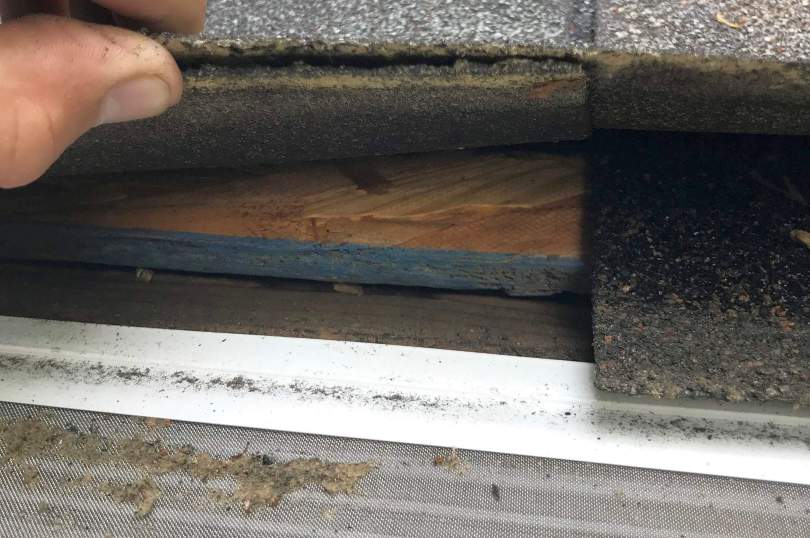
A roof drip edge is a type of metal flashing designed to protect your roof from water damage. It is installed at the edge of the roof beneath the roofing and overhangs the sides of the roof.

The bent design allows the drip edge to keep water flowing away from the roof and the fascia. This prevents erosion of the fascia board by keeping it dry and keeps water from getting under your roofing.

One of the best things about roof flashings is they are extremely durable. They are waterproof and made of non-corroding and non-staining components such as copper, aluminum, or steel.

Types of Drip Edges

There are three main types of drip edges.

  • Hemmed drip edge or D-Metal: A hemmed drip edge also called D-metal or T-Style, have an opened hemmed edge at the bottom of the flashing that folds backward toward the house. It uses capillary action to keep water moving downward and ultimately keeping water away from the fascia more effectively. Hemmed drip flashings are primarily used for standing seam and metal roofing.
  • L-Shaped Drip or L-Style: This drip edge has a classic L shape bent at 90 degrees and a shorter flange at the bottom. It is typically used with lower incline roofs and is the most simplistic and short design.
  • F-Style or Gutter Apron: The F-style, also called the gutter apron, is similar to the L-shape but has a longer leading edge. It drips farther away from the existing roof and often over the gutter (hence the name).

No matter the type you choose, each roof flashing will get the job done and provide extra protection.

Why Should You Invest in a Drip Edge for Your Roof?

Drip edges do more than keep water away from your roof and fascia. They offer many protective advantages for your home.

1. They Cover Gaps

The design of drip edges allows it to completely cover any gaps that lay between the fascia and your roof. This keeps water, especially wind-driven water, from your roof foundation. It also keeps out insects and small animals that could harm your decking, roof, or get into your attic.

Nobody wants to find mice in their home due to a gap in their roofline. Luckily with a drip edge, you won’t have to.

2. They Safeguard the Edges of Your Home

Keeping water away from the fascia board as well as the edges of your deck or patio adds additional protection and longevity. Drip edges will keep your railing, posts, and outdoor surfaces protected from water damage.

Roof flashings will also protect your home’s foundation. Over time, standing water near your foundation can cause the foundation to erode and lead to some major problems.

Keeping water away from your home’s exterior parts and foundation means saving you money in future repairs.

3. They Extend the Life of Your Roof

Obviously, protecting your roof and roofline from water damage and erosion will greatly increase the lifespan of your roof. In addition, having consistent water flow away from the roof will help keep it clean of dirt and algae, things that can cause rotting.

Protecting your roof from the elements means extending the life of your roof, saving you money, and maintaining your home’s value.

4. They Provide Extra Winter Protection

Snow and ice are hard on your roof. With roof flashings, you have extra protection for your roofline during the winter months.

For example, ice cycles will build on the sturdy drip edge rather than the less sturdy fascia board or shingles. Heavy snow won’t be sitting on your roof edge and weighing it down.

5. They Improve Gutter Performance

With the assistance of the drip flashing, water moves more easily into the gutter and maintains a continuous flow. This means your gutters get to do their job more efficiently and effectively.

It also helps means less clogging of the gutters because the water will help keep things moving along. Hooray for less time spent cleaning out those gutters!

6. They Provide Additional Constructive Support

The drip edge is nailed into the roof decking at the edge of your roof and then connects to the fascia board below. This helps provide extra support to prevent movement of the deck boards and fascia.

Because the foundation of your roof is essentially the heart of your roof, having sturdy roof decking is of extreme importance to prevent malfunctioning. With a roof flashing, you’ll have extra stability and less worry.

7. Adds Backup Protection if Shingles Fail

Many may think if their shingles extend over the edge by a few inches this will be enough to keep water away from the fascia and home. However, roofline shingles wear and tear easily, meaning they are prone to breakage especially in stormy or wintery weather.

Having a drip edge will provide additional protection under the shingles to ensure water, snow, and ice stay away from the foundations of your home.

Ensure Your Roof Has the Edge It Needs

A roof drip edge protects your roof and fascia from water damage, extends the life of your roof and decking, and protects the exterior parts of your home. With the right drip edging, you can enjoy your home and the outdoors without having to worry about weather damage.

To learn more about roof edge installation in Southern Maryland and Annapolis, check out our roofing products and services. We can install a roof drip edge that will fit the design of your desire and the budget you need.

Contact us today to learn more and schedule a free no-pressure estimate.

[/et_pb_text][/et_pb_column][/et_pb_row][/et_pb_section]
What Roof Underlayment Should I Use A Guide For Southern Maryland Home Owners

What Roof Underlayment Should I Use? A Guide For Southern Maryland Home Owners

Roof repairs don’t come cheap.

For instance, the national average for repair work is $815 each time. However, according to the same source, the cost can reach in excess of $4,500 in serious cases.

That’s a lot of money, especially for an unexpected expense! Clearly, it pays to take the time to properly construct and maintain your roof.

The most common problems tend to involve missing shingles and leaks caused by bad weather conditions. Don’t repair it, and the problems can escalate! Thankfully, one way to prevent such leaks and minimize damage is with quality roof underlayment. The right underlayment can make all the difference.

But you might never have even heard of it! How on earth can you expect to know which is best for your home?

Keep reading to learn all about underlayment and how to choose it for your Southern Maryland property.

What is Roof Underlayment?

Your roof is what keeps your home safe from the elements every day, right?

You already know that.

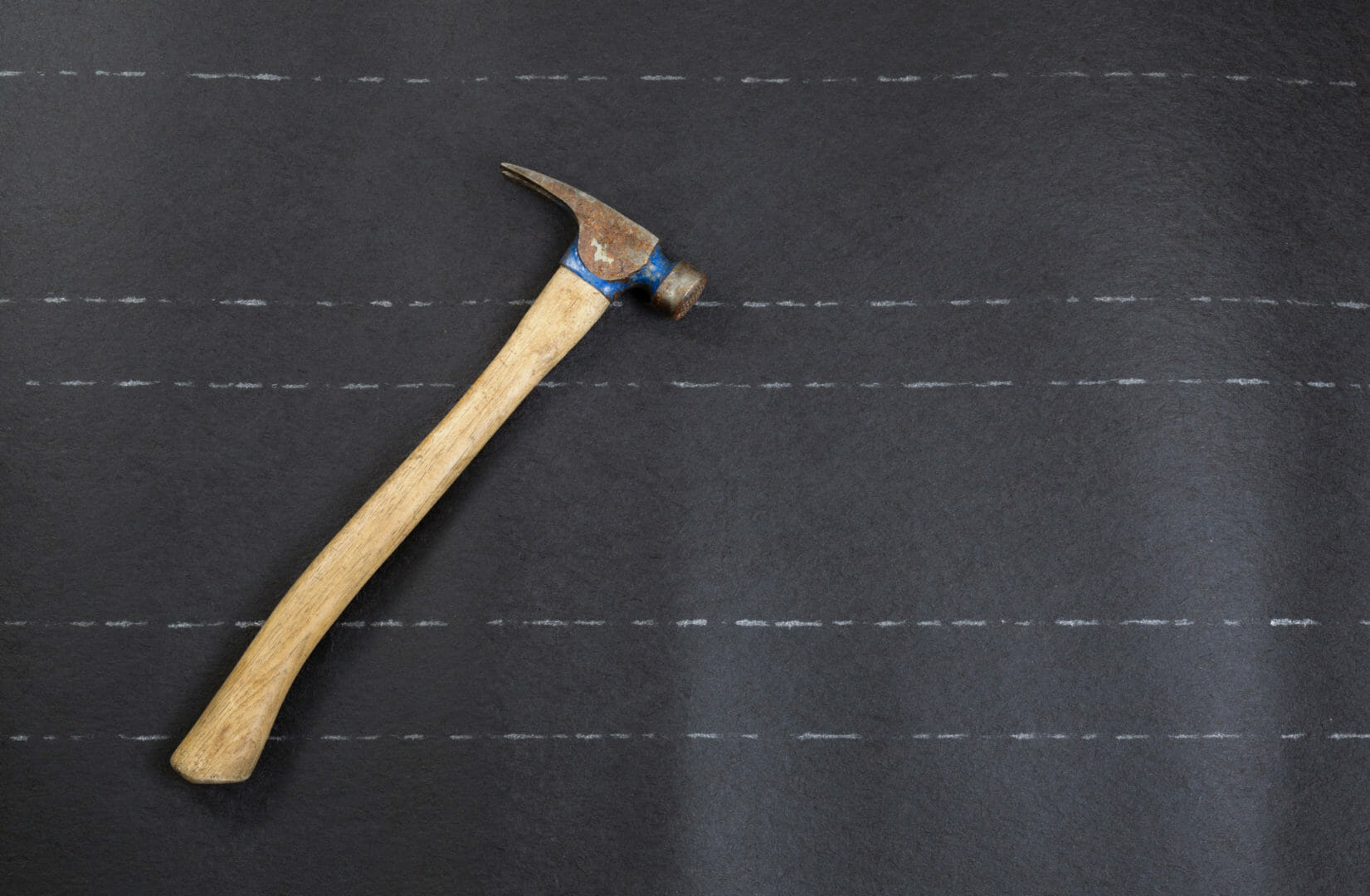
But you might not know that what’s known as the ‘underlayment’ plays a key role in that process too. This vital element is placed beneath your main roofing material (known as the shingle). It’s a semi-breathable waterproof (or resistant) barrier that gets laid directly upon the deck of your roof.

Think of it as an extra layer of defense. It protects you from particular harsh weather conditions when the shingle fails somehow. It also allows the house to breathe- humidity and air can still leave the roof as required.

You can’t afford not to have underlayment.

That’s especially true in places like Southern Maryland, where the weather can be particularly extreme. Likewise, it’s important to have the right type fitted.

Indeed, not all underlayment is created equal. Some are better than others for meeting specific housing needs.

The Different Types of Underlayment

Below you’ll find the different types of underlayment available.

Felt Underlayment

Also known as ‘felt paper’, this option is usually a cellulose-based sheet of felt that’s been coated in asphalt. Think felt that’s saturated in asphalt to provide a level of water-resistance. An adhesive coating on one side assists installation.

Felt was the go-to underlayment for many years.

Indeed, it’s generally inexpensive versus other types. But it’s thicker and heavier, and generally less water-resistant too. Water absorption can be a problem.

Synthetic Underlayment

Synthetic underlayment is a plastic sheet that combines polymers and polypropylene. It’s also saturated in asphalt to satisfy its waterproofing requirements. A fiberglass addition is sometimes included to increase its durability.

It’s more expensive. But it’s lightweight, better at resisting moisture, and generally offers increased water-resistance.

Rubberized Asphalt Underlayment

Combine greater levels of asphalt and rubber polymer to create this type of underlayment.

The most expensive option, compared to the aforementioned options, rubberized asphalt isn’t a ‘whole-roof’ design. It isn’t usually used to cover the entire roof. Instead, it’s best used in certain places. These include valleys and at roof bulges and bumps.

Rubberized asphalt is a fully waterproof and useful addition to homes in places that have extreme winters.

How to Choose the Best Underlayment

Now you know what it is and the different options out there. Let’s turn to 5 considerations when choosing it for your Southern Maryland home.

1. Speed of Installation

Sometimes you need to build or repair your roof fast.

In these situations, felt underlayment is a decent bet. Roofers can’t afford to leave it exposed to potential bad weather, so shingle is generally attached as soon as possible. Moreover, by nature, it’s easy to install and requires less labor than other types.

Indeed, synthetic underlayment is more challenging to install. That amounts to higher labor costs and general expense all-around.

2. Longevity

However, longevity should be of paramount importance too.

You don’t want to require frequent repairs and replacement.

And that’s where felt can let you down. It’s true that in the right conditions, quality felt can last over a decade. But that isn’t always the case.

If you have time at your disposal, then synthetic options are generally preferable. They fit better, are of greater durability and are less likely to struggle with inclement weather.

3. The Climate

Climate always plays an important role when deciding the best underlayment.

Synthetic materials tend to be suited to hotter areas, as well as those that receive large quantities of rainfall. Similarly, synthetic options offer good UV protection, which is a boon in sunny
climates. Heavy-duty felt is sometimes preferred in locations known for snow and wind.

4. Primary Roofing Material

The material of your shingles should also be taken into consideration.

This top layer has an impact on the effectiveness of the underlayment. For instance, metal roofing may demand synthetic styles of underlay. That’s because heat is trapped more easily and synthetic underlayment is known for its heat resistance.

Traditional shingles, such as tile, may be better-suited to felt.

5. Price

Housing costs are normally front and center of home-owner decision-making.

After all, housing repairs and construction never come cheap. If the price is your foremost concern, then felt is typically a better bet. Generally speaking, synthetic underlayment is the more expensive option. Rubberized asphalt is the most costly.

That said, rates do vary depending on the specific materials and the labor costs involved.

Likewise, a more expensive option upfront can save you money long-term. Going for an expensive underlayment that’s better suited to your location (compared to cheaper options) is an investment.
It will save you money in ongoing repair work down the line.

Time to Wrap Up

There you have it: a complete guide to buying the best roof underlayment for homes in Southern Maryland.

Roofing repairs don’t come cheap. It’s in the interest of every homeowner to take proactive steps in avoiding them wherever possible.

Of the numerous ways of doing that, fitting quality roof underlayment is of utmost importance. This protective barrier can make all the difference when the weather turns. Which, as we all know, can often be the case in Southern Maryland!

Hopefully, the information above will help you choose the best material for your particular roofing needs.

Want help with your roofing needs? Be sure to contact us today to see how we can be of assistance, and for a no-pressure estimate.

Hiring The Best Roofing Contractor In Annapolis MD, Best House Repair

The Ultimate in House Repair: Hiring The Best Roofing Contractor in Annapolis MD

[et_pb_section fb_built=”1″ admin_label=”section” _builder_version=”4.16″ global_colors_info=”{}” theme_builder_area=”post_content”][et_pb_row admin_label=”row” _builder_version=”4.16″ background_size=”initial” background_position=”top_left” background_repeat=”repeat” global_colors_info=”{}” theme_builder_area=”post_content”][et_pb_column type=”4_4″ _builder_version=”4.16″ custom_padding=”|||” global_colors_info=”{}” custom_padding__hover=”|||” theme_builder_area=”post_content”][et_pb_text admin_label=”Text” _builder_version=”4.16″ background_size=”initial” background_position=”top_left” background_repeat=”repeat” global_colors_info=”{}” theme_builder_area=”post_content”]

As many as 40% of all American homeowners claim to have experienced some kind of loss as a result of water damage. Needless to say, leaky roofs are a leading cause of this destruction.

So, if you think your roof needs repairs, don’t delay. Here are a few things you need to know if you want to hire the best house repair, contractor. Let’s dive in!

Why’s Roof Repair so Important?

A decent roof does more than just keep the rain out; it also helps to regulate the overall temperature of your home and protect its structural integrity.

Leaks no matter how small can eventually cause long-term structural damage. By this we mean you could suffer from issues like:


  • Mold
  • Warped drywall
  • Warped wood
  • Unsound walls


If this gets out of hand, your home could eventually be declared as structurally unsound and unfit for human habitation.

How to Hire the Best Roofing Contractor

When it comes to finding and hiring the best possible roofing companies, you need to have a look at their previous experience. For instance, have they completed projects similar to yours? If so, what was the quality of their work like?

Answering these questions is essential for ensuring you get value for money and more importantly a roof that protects and shields your home from the elements.

Take a look at their website and get a feel for the kind of work they specialize in. Most top-quality roofing companies will be able to help you with all of the following repairs:


You get the idea!

Keep all this in mind as you create a short list of potential contractors. Make sure you get at least three potential businesses to take a look at the job and provide you with an estimate. This will give you a more accurate feel for the sort of price you should be paying.

Ideally, you’ll have a recommendation from someone you trust or a reputable trade association. Neighbors tend to be the best port of call for proposals because you’re likely to have a similar kind of roof.

Failing that, head to Google and see if you can find any online reviews. If people have had a bad experience, there’s a good chance they’ll have posted about it on the internet somewhere!

Unless you’re seeking a quote for smaller emergency repairs, make sure your quote is sent to you in writing (an e-mail will suffice). This limits the chances of getting lumped with a significantly larger bill once the work is completed.

However, you should note that most ‘estimates’ for repair work can fluctuate once the main covering is removed. This exposes the structure beneath and gives the contractor a clearer picture of what they have to work with. Once they have that info, they’ll be in a better position to provide you with a more accurate final cost.

Should I Accept the Cheapest Quote?

The short answer to this is; maybe. Our advice to homeowners is that you shouldn’t automatically go for the cheapest option. Instead, center your decision on whether the company has a proven track record of producing top-notch work.

Questions to Ask a Potential Roofer

Here are three questions to ask any potential roofer before hiring them. Again, this will help to ensure you pick someone who won’t let you down.

Q: Are You Part of the Maryland Home Improvement Commission (MHIC)?

You want to find out whether your potential contractor is part of the MHIC; this is required of all licensed contractors in Maryland including Annapolis. If your chosen contractor is not part of this organization and can’t provide you with their MHIC #, RUN THE OTHER WAY.

You can be confident that members of the MHIC will compensate you in the event you suffer the effects or poor workmanship. The same is true if your contractor refuses to execute work as per an agreed contract.

Q: Do You Offer a Warranty?

A good quality roofer will take pride in their work and therefore have confidence their repairs will stand the test of time. So, they should always offer their clients a warranty (because there’s no reason for them not to!) If they don’t, it’s a major red flag!

Some roofing companies offer warranties as long as 15 years. Obviously, the longer the guarantee, the higher the chance you can rely on their service.

Q: What Hours Will You Work?

This question is key to getting a better idea of your contractors schedule. You want to establish how many hours a week they can dedicate to your project so you can get a reasonable understanding of when the repairs will be finished.

Want to Find the Best House Repair Contractor?

We hope this blog post helps you find and hire the best house repair, contractor.

If you think we could help you with your upcoming project, then please feel free to reach out and contact us. We’d love to help point you in the right direction and provide you with professional advice.

[/et_pb_text][/et_pb_column][/et_pb_row][/et_pb_section]

8 Signs You Need A New Roof

Don’t Leave It ‘Til it’s Too Late: The Dangers Of Not Repairing A Leaky Roof

[et_pb_section fb_built=”1″ admin_label=”section” _builder_version=”4.16″ global_colors_info=”{}”][et_pb_row admin_label=”row” _builder_version=”4.16″ background_size=”initial” background_position=”top_left” background_repeat=”repeat” global_colors_info=”{}”][et_pb_column type=”4_4″ _builder_version=”4.16″ custom_padding=”|||” global_colors_info=”{}” custom_padding__hover=”|||”][et_pb_text admin_label=”Text” _builder_version=”4.16″ background_size=”initial” background_position=”top_left” background_repeat=”repeat” global_colors_info=”{}”]

Does your home’s roof have a tiny leak in it? If so, you might be tempted to hold off on making repairs to it since it might not seem like it’s having much of an impact on your home.

After all, the average cost of a roof repair is right around $800. So why pay that much money to make a repair to a leaky roof when the leak might not be that bad yet?

This is the wrong attitude to have. While you might not love the sound of spending hundreds or even thousands of dollars to repair a leak in your roof, it’ll prevent you from encountering all kinds of problems down the line.

Here are 5 dangers you could face if you choose not to repair a leaky roof right away.

1. Leads to Further Damage to the Roof

If you have a tiny leak in your roof right now, it means you have a small hole in the roof that’s allowing water to enter your home. But if you don’t do anything about that small hole, it’ll only be a matter of time before it grows larger.

It’ll also only be a matter of time before water is able to seep into the lower levels of your roof and cause them to rot. When this happens, it’ll make portions of your roof weak—and it could even cause them to collapse at some point.

What was once a small problem with your roof will suddenly be a big problem that’ll force you to either make major repairs to your roof or replace it altogether. And roof replacement will cost you a whole lot more than it would have cost to repair your roof in the first place.

2. Damages Everything in an Attic Space

At first, a tiny leak in your roof won’t allow much water to work its way into your home. But as the leak intensifies, more and more water will be able to find a way into the upper levels of your house.

If you have an attic in your home, the water that sneaks in through the hole in your roof will start to do damage to it right away. It’ll cause damage to:

  • Rafters
  • Ceiling joists
  • Insulation


In some cases, water can also get down to your wall framing and do damage to that as well. If and when that takes place, it could make your entire home structurally unsound.

Water will also ruin almost everything that you keep up in your attic. From your Christmas decorations to the family heirlooms that you have stored up there, they’ll all be at risk when they’re exposed to water.

It’s why it’s a good idea for a homeowner to poke their head up into an attic space every now and then to inspect their roof from the inside. If you see sunlight shining through any portion of your roof, it’s reason enough to call on a roofing company to come and inspect your roof.

3. Creates a Fire Hazard in an Attic

Most homes have electrical wiring running through their attic spaces. This is one of the most practical places for electricians to put wiring when they’re first installing an electrical system in a home.

The problem with this is that it could put electrical wiring into harm’s way if there is ever a leak in a roof. When electrical wiring is exposed to water on a regular basis, there is a chance it could short circuit and cause a fire to start.

If you ever have a leak in your roof and suspect it may have led to electrical wiring getting wet, it’s smart to get in touch with both a roofer and an electrician. The roofer can make repairs to your roof to stop water from coming into your home while the electrician works to make repairs to your electrical system.

4. Causes Damage to Ceilings

When water first starts leaking into your home as a result of a tiny hole in your roof, most of it will end up in your insulation. But eventually, the insulation won’t be able to hold it back anymore, at which time it’ll come into contact with your home’s ceilings.

You’ll be able to tell that this is happening by looking at the ceilings located right under your attic. When they get wet, you’ll see dark spots on them that will indicate an issue.

Believe it or not, there are some homeowners who will try to “fix” this problem by painting over the spots. But this won’t take care of the root of the problem. Water in your attic space will continue to damage your ceilings until they give way and collapse.

5. Promotes the Growth of Mold and Mildew

If you allow a leaky roof to spiral out of control, it’ll do more than cause damage to the rafters, insulation, and ceilings in your home. It’ll also promote the growth of mold and mildew.

Mold and mildew will often begin by growing in your attic space. But over the course of just a few months, they can also spread to other parts of your home.

Once you have mold spores in your home, your HVAC system can take them and move them throughout it. It won’t be long before you have mold and mildew growing in various parts of your house and causing a whole host of health problems for you and your family.

Repair Your Leaky Roof Today

Repairing a leaky roof might sound like the last thing you want to do right now. But if you don’t do it, there will be consequences.

Failing to fix a leaky roof could put your entire home in jeopardy and lead to serious health issues if you’re not careful. It could also force you to do roof replacement way sooner than you may have hoped.

Contact us today to have roofers come out to your home to fix the leak that you have in your roof.

[/et_pb_text][/et_pb_column][/et_pb_row][/et_pb_section]
The Ultimate Spring Cleaning Checklist For Your Roof

Hello, Spring! The Ultimate Spring Cleaning Checklist for Your Roof

[et_pb_section fb_built=”1″ admin_label=”section” _builder_version=”4.16″ global_colors_info=”{}” theme_builder_area=”post_content”][et_pb_row admin_label=”row” _builder_version=”4.16″ background_size=”initial” background_position=”top_left” background_repeat=”repeat” global_colors_info=”{}” theme_builder_area=”post_content”][et_pb_column type=”4_4″ _builder_version=”4.16″ custom_padding=”|||” global_colors_info=”{}” custom_padding__hover=”|||” theme_builder_area=”post_content”][et_pb_text admin_label=”Text” _builder_version=”4.16″ background_size=”initial” background_position=”top_left” background_repeat=”repeat” global_colors_info=”{}” theme_builder_area=”post_content”]

Spring is fast approaching. Are you ready?

When you think of spring cleaning, most people think about dusting, decluttering, cleaning out closets, and so forth. The outside of the home usually gets neglected. But it’s so important to care for the outside of your home as much as the inside.

Have you added cleaning the roof to your spring cleaning checklist? If not, you should. Cleaning the roof is one of the most important things you can do to keep your home in shape.

Why Should You Clean Your Roof?

A roof takes the brunt of the winter. From icicles, cold winds, and heavy snows there’s plenty of chances for your roof to suffer.

Cleaning and checking it in the spring can catch problems before they become larger issues and patch up some of the damage left behind by winter. Even more so, it gets your house for spring months.

Without proper inspection and care of your roof, many other parts of your house could deteriorate including the foundation.

6 Tips To A Cleaner Roof This Spring

Ready to head to the roof? Add these tasks to your spring cleaning guide to make sure your roof is good as new.

1. Gutters

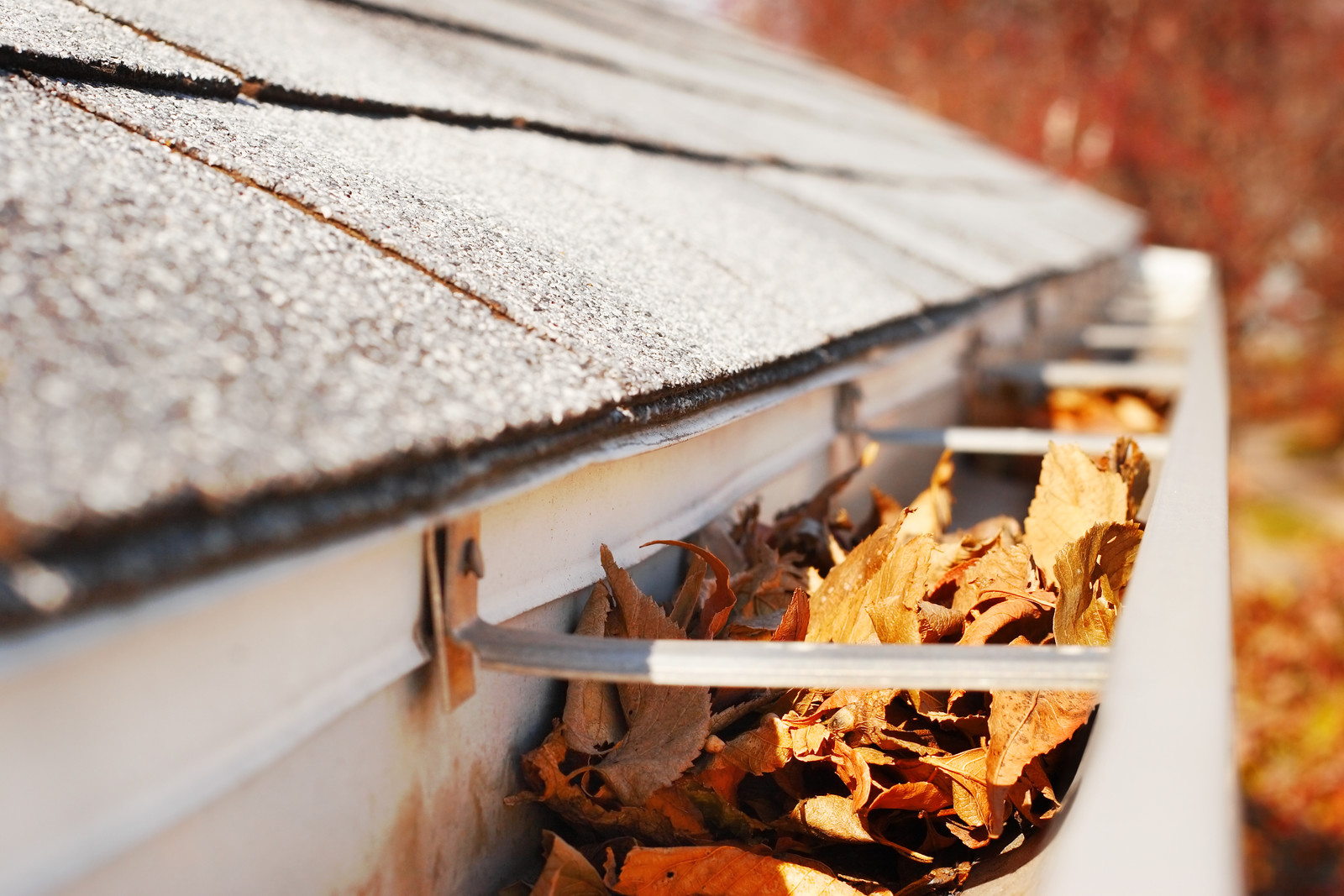
Winter is a prime time for gutters to collect much debris such as leaves, dirt, or twigs from nearby trees. Having clear gutters is essential to the health of your roof. Clogged gutters can be the cause of foundation problems and other roofing issues.

The best way to ensure clear, clean gutters is by hiring a professional. They remove all the waste and flush out the gutters. Also, ask them to check for signs of wear and tear.

2. Look For Damage

It’s possible that winter could wreak havoc to your home, depending on the severity. Be on the lookout for broken shingles, heavy branches that may have been frozen and fell, rotting, or other signs of damage.

If you notice anything strange, or just seems out of place, or notice significant roof damage, always call a professional because they know how to safely handle damages.

3. Remove Twigs and Branches

If you find several branches or twigs on your roof, you may want to consider trimming them back. As branches freeze and harden in the winter they have the capacity to hurt your roof severely.

Take a look at the surrounding trees outside your home and evaluate whether or not they’re potentially damaging to your roof. It’s important to take care of them soon to save your roof.

4. Don’t Forget the Inside

Water can leak into your home or attic and condensation can cause rooting wood. If left unchecked, it’s breeding ground for mold or mildew which cannot only ruin your home but offers serious health concerns.

It’s also possible that bugs found their way into your home during the cold months, so be on the lookout for possible signs of infestations.

5. Fix Shingles if Broken

Winter winds can be harsh. They can loosen shingles or even blow them off. Missing shingles exposes your roof to serious damage from wind or other weather.

While jumping on the roof to check your shingles is not recommended, try walking around the perimeter of your home looking for gaps or misplaces shingles. A professional is definitely needed for this job, and calling someone right away avoids further damage and more expensive repairs.

6. Give it A Wash

Grime, dirt, and other growths like mildew could build up on your roof. When it’s not cleaned off they could eat away at the shingles on your roof.

Avoid using a pressure washer to clean because it could hurt your shingles. A garden hose works just fine in this case.

Add Roof to Your Spring Cleaning Checklist

When crafting your spring cleaning checklist, don’t forget to add your roof. It’s a vital part of your home and deserves the same care as the interior.

Are you looking for a professional roof company in the Maryland area? Contact us for more information on how we can help you get your roof in great shape.

[/et_pb_text][/et_pb_column][/et_pb_row][/et_pb_section]
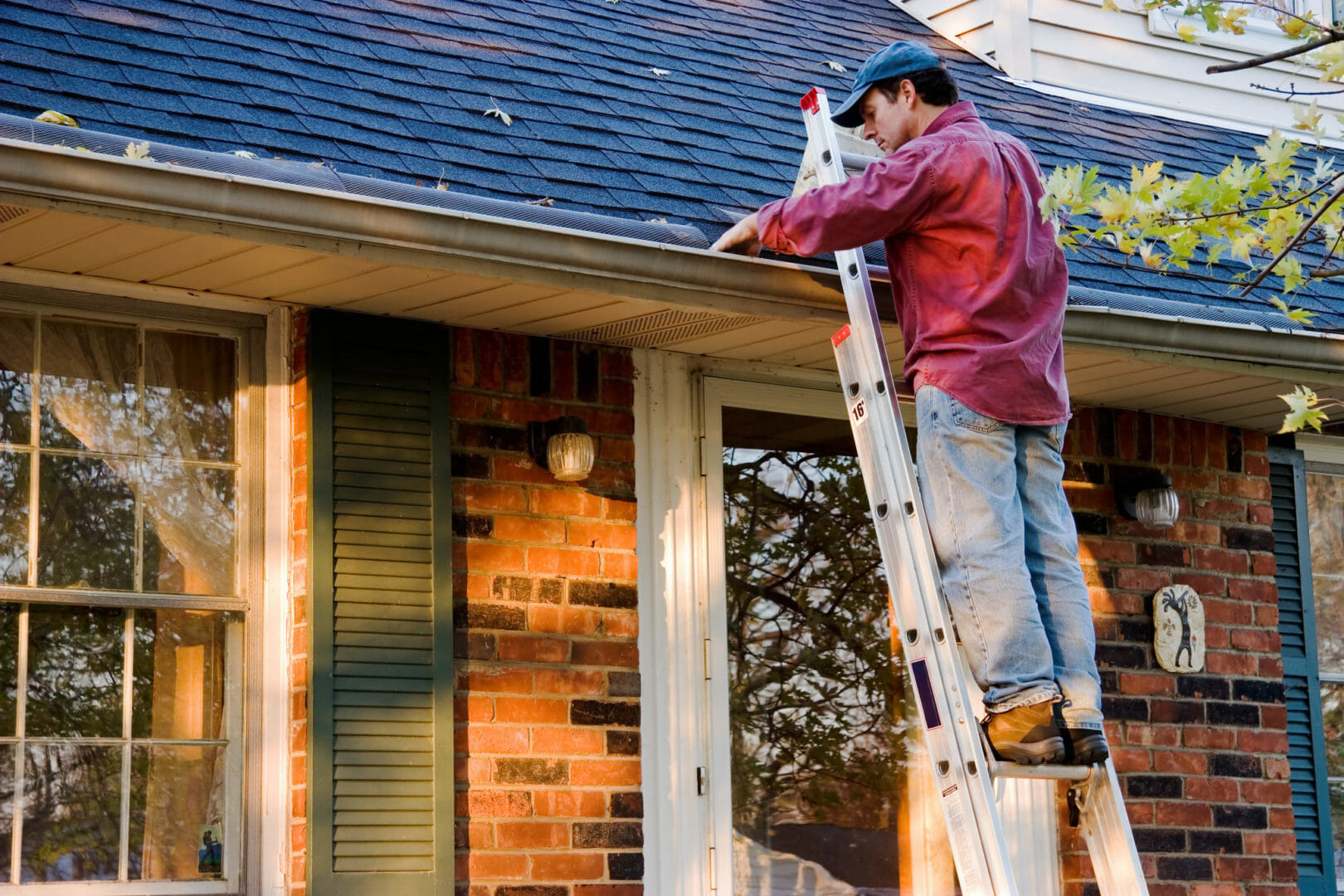
roofing installation and maintenance

A Roof For A Lifetime: The Ultimate Guide To Preventative Roof Maintenance For Annapolis Homeowners

You’re enjoying a nice evening of TV when you hear a noise come from your roof. When you go outside to inspect you see that a shingle fell off. This sadly hasn’t been the only one this week.

It might be time for you to have your roof inspected. Your roof is one of the largest investments when it comes to your home because if you don’t take care of it, it can lead to several different problems in your house later on down the road. You can’t just wait around and hope that it takes care of itself, you have to act.

Here are a few roof maintenance steps that you’re going to want to perform regularly in order for the roof to keep doing its job.

1. Check the Shingles

You need to grab a pair of binoculars or climb a ladder to check your shingles after a big storm has brushed through your area. The main things that you need to be looking for when you’re checking over your roof are cracked shingles, missing shingles, curling shingles, peeling shingles, peeling flashing, and missing granules.

If you notice any of these things your roof will be vulnerable to further damage until the problem is fixed. While you can certainly check for the problem, it’s best to call out a professional to actually fix it.

2. Get an Inspection Done

Again, you can look over your roof and try to detect problems but if you aren’t a professional there are many things that you could miss that only an inspector would notice. They can also give you a rough estimate of how much life your roof has left.

The average cost for an inspection is around $300 or more which sounds like a lot but it’s cheaper than some of the repairs that you would have to make to fix problems on down the road.

It’s recommended to have one of these inspections done around twice a year but if you really want to be through, you might want to bump that up to once a year.

3. Look for Leaks

Water damage can lead to some of the most serious roof problems and the most costly repairs. That’s why you want to look for leaks on a regular basis to try and catch the damage before it’s too late to fix it.

One of the largest signs is water stains on your ceiling or in your attic. You may also notice a musty odor, or spots and bulging patches on your interior and exterior walls. Once you’ve identified a leak you can call a professional in to locate it and patch it up or if you feel comfortable with it, this is a repair you can make yourself as well.

4. Wash the Roof

If you leave dirt and algae on your roof it can cause your shingles to rot after a little bit. Rot is harder to deal with than just cleaning your roof on a regular basis. The good news is, it’s really not hard to clean it.

All you have to do is spray it with a mixture that’s half water and half bleach. The bleach will kill anything that causes rot. So, next time you’re able to set aside a day to just clean your home, incorporate your roof into the equation.

5. Clean the Gutters

Cleaning your gutters is disgusting but necessary if you want to extend the life of your roof. Fortunately for you, it only needs to be done twice a year, once in the Fall, and once in the Spring.

If you skip this step of roof maintenance then the gutter will get clogged and the water will back up into the roof. This will cause water damage and rot throughout your roof and home which is the last thing you want.

6. Trim Branches

Trimming branches that are hanging over your roof is a good idea for quite a few reasons. The most obvious one is that when a bad storm hits these branches can fall off and cause serious damage to your roof.

The other, less obvious reason is animals. Animals can and will jump from a hanging branch to your roof and either nest in the crevices or get into your attic and be difficult to get rid of. Either way, they can cause quite a bit of damage to both the inside of your home and out.

7. Patch the Chimney

No maintenance list would be complete without checking around your chimney. You’re going to be checking for any cracks or missing mortar. If you see anything you need to call out a contractor out right away to fix it.

Falling bricks can damage your roof. Also, a crumbling chimney causes structural problems to your home and roof. Trust us, fixing a few cracks is a lot easier and cheaper than having an entire collapsed chimney repaired or rebuilt.

Your Guide to Roof Maintenance: Extend the Life of Your Roof

Your home isn’t complete without your roof. It’s essential for protecting you and your family from the elements so, it only makes sense that you return the favor by taking care of it.

Use these roof maintenance steps to extend the life of your roof. After all, replacements are expensive.

No matter how many repairs you make and how hard you try to fight off the inevitable, your roof will eventually need to be replaced. Contact us to see what we can do for you.

roofing contractors

When, Where, Why And How: Your Guide To A Roof Inspection In Southern Maryland

Replacing the roof on your home can be very expensive. On average, Americans pay more than $7,500 for roof replacement, and there are some roofs that can cost upwards of $30,000 to replace.

There will come a time when you will inevitably need a roof replacement on your home. But you can avoid having to do it ahead of schedule by having a semi-annual roof inspection in Southern Maryland done.

During a roof inspection, a roofing company will climb up on your roof and inspect all the various aspects of it. They’ll let you know if you need to make any roof repairs and stop small roofing problems from turning into larger ones. They’ll also speak with you about the different ways in which you can maintain your roof.

Here is your complete guide to having roof inspections in Southern Maryland done.

When Should You Do Roof Inspections?

There has been some debate over the years as far as when people should have their roofs inspected and how often they need to have it done. There are some people who have their roofs inspected religiously several times every year and others who go for years at a time without inspecting their roofs at all.

Generally speaking, the National Roofing Contractors Association recommends that people should inspect their roofs twice every year. They also recommend that people should have their roofs inspected in the immediate aftermath of hurricanes, tornadoes, and other bad storms.

Experienced roofing companies can inspect your roof at almost any time of the year as long as it’s free of snow and ice and safe to climb on. But most companies will encourage people to have roof inspections done once in the spring and then once again in the fall when the weather is on the mild side.

By inspecting your roof in the spring and fall, you’ll ensure that it’s equipped to handle whatever the summer and winter throw at it. You’ll also get the chance to make repairs to any damage that may have been done to it during the previous summer or winter.

Just make sure you have a reputable roofing company handle your inspection as opposed to trying to do it yourself, regardless of when you choose to have your inspection done. Inspecting a roof can be a dangerous job, which is why you should leave it up to the professionals.

Where Will Roofers Look During Inspections?

Hiring a roofing company to perform a roof inspection for you will keep you safe. You won’t have to worry about climbing up and down a ladder and walking all over your roof.

But there’s also another reason why it’s important to bring a roofing company on board for your roof inspection. They’ll know exactly what to look for on your roof while they’re conducting an inspection.

To the untrained eye, a roof might look like it’s in great condition. As long as there are no obvious signs of trouble, you might be under the impression that your roof is holding up just fine. But a roofer can spot potential problems that you don’t see.

Here are some of the things that roofers will look for during an inspection:

  • Shingles that are missing or broken
  • Flashing that is missing or starting to rust or crack
  • Moss that is growing and spreading across the surface of the roof
  • Gutters that are loose or moving away from a home
  • Leaks that are allowing moisture to enter a home


A good roofing company will have a long checklist of things that they’ll look for during your roof inspection. They’ll take a look at every single aspect of your roof before climbing off it and providing you with a full report.

Why Are Roof Inspections So Important?

Having roof inspections done on a regular basis is important for a number of reasons.

First, it’ll prevent you from living with a leaky roof over your head. There are a lot of people who have leaks in their roofs and don’t even realize it. This won’t be a concern for you when you hire roofers to inspect your roof twice every year.

It’s also important because there are many roof manufacturers that offer extended warranties on their roofing materials. But often times, those warranties will not be honored if you don’t make an effort to inspect and maintain your roof.

There are even some people who could run into trouble with their homeowner’s insurance companies if they fail to have their roofs inspected. It’s a good idea to check with your insurance company to see what their policy is on roof inspections.

How Can Roof Inspections Benefit You?

By now, you should be well aware of the different ways in which a roof inspection can help you. But just to review, here are some of the ways that you’ll benefit from investing in semi-annual roof inspections:

  • Allows you to pinpoint problems with your roof and fix them before they start to spiral out of control
  • Helps you avoid having to replace your home’s roof sooner than you should have to
  • Stops moisture from working its way into your home through leaks in your roof
  • Keeps the warranty that you have on your roof intact
  • Gives you a peace of mind that you wouldn’t have otherwise


Inspecting your roof will cost you a little bit of money on the front end. But it’ll be a worthwhile investment on your part.

Schedule a Roof Inspection Today

Would you like to have the roof of your home inspected this spring? It’s a great way to prepare your roof for the summer and for the remainder of the year.

We can set you up with the roofing services you need. Whether you have an asphalt shingle roof, a metal roof, or another kind of roof, we can inspect it, repair it, or replace it for you.

Contact us today to schedule a roof inspection for your home.

Roof Damage on Shingle Asphalt Roof

8 Common Signs of Roof Damage Home Owners Often Ignore

When was the last time you had your roof inspected?

If you’re a Maryland homeowner, chances are you haven’t checked your roof in a little while. It’s the middle of winter and conditions aren’t exactly ideal for climbing up onto your roof right now.

But with spring right around the corner, you’ll want to make checking your roof a top priority. The average lifespan of a roof varies but many factors can cause premature roof damage.

The earlier you can spot damage on your roof, the better. Because should you need to replace it in the next few years, you can avoid and spot early damage in the meantime.

Here are 8 common warning signs of roof damage you won’t want to ignore.

1. Shingle Damage

Have you noticed that your roof is missing a number of shingles? Or, does it appear that your shingles are curling or have cracks in them?

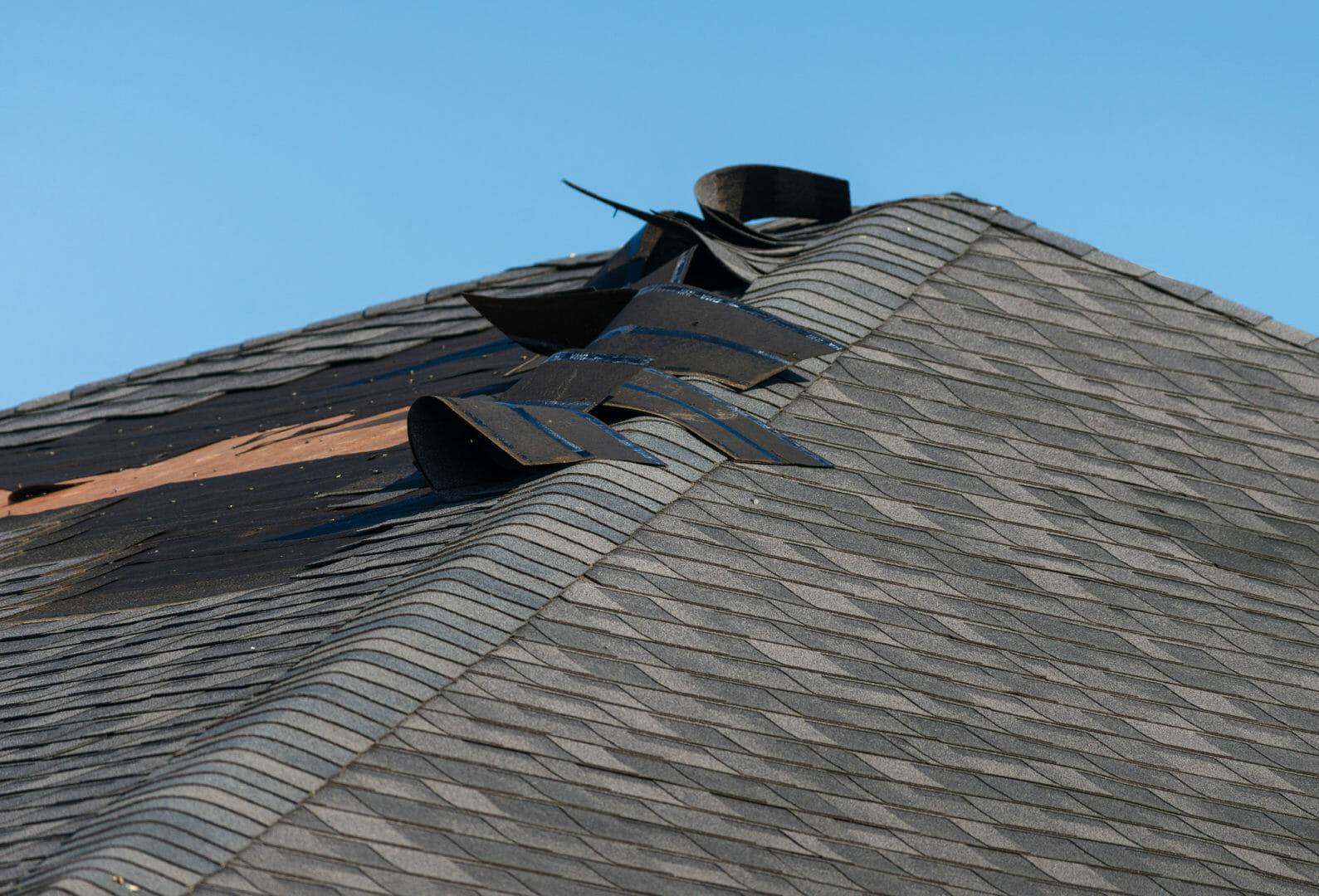
Missing or damaged shingles are one of the tell-tale signs of roofing damage. Over time, they wear down and lose their resistance to external conditions.

High winds are often the leading cause of shingle damage. If your shingles weren’t properly installed, your roof is more susceptible to damage. Fix loose, missing, or damage shingles as soon as you spot them.

2. Water Stains & Leaks

Have you recently spotted water stains or leaks on your ceilings? Are any of your ceilings or walls currently forming water bubbles or mold?

If you’re experiencing one or both of these problems, there is likely a roof leak. Leaks are especially common in the wintertime when lots of snow can accumulate on your roof.

The weather itself is not exactly the cause of the problem. Leaks suggest that there is a problem with your roof that is allowing water and air to seep through.

You don’t have to wait for the signs of a roof leak to show up, either. You can check for frosted nails in your attic, holes, and cracked caulking on your windows.

There are lots of other ways to check for a leaking roof. You may be able to fix them yourself, but it’s better to have a professional do the job.

3. Poor Ventilation

When something is amiss with your roof, your home’s ventilation will take an immediate hit. What are some signs that indicate you may have poor roof ventilation?

Do your energy bills seem much higher than usual? If air is getting trapped in your attic, your HVAC system has to work harder to heat or cool down your home.

Trapped air in your attic can lead to moisture buildup. You should check for mold growth, condensation, and damaged insulation.

Mold and fungi growth can cause excessive dirty spots to accumulate on your roof, as well. Your roof may also exhibit signs of rust, or the paint and wallpaper in your home may even be peeling.

4. Tree Branches

Anytime there are periods of high winds, you may notice a lot of tree branches finding their way onto your roof. A roof that’s properly installed should be able to handle small tree branches. But you’ll want to pay attention to the trees in your yard nonetheless.

If tree branches are close enough to your home that they can rustle and rub against your roof, this is a problem. This can cause cracked and chipped tiling and damage to the fascia boards.

5. Moss Spores

Areas of your roof that aren’t always exposed to the sun can develop pockets of moss spores. While moss may seem harmless, it can disrupt the matting under and between your shingles. When this occurs, your home is more susceptible to leaks, damaged shingles, and wood rot.

You may be wondering how to remove moss from your roof. If moss spores have only recently developed, you can easily remove them with a scrub brush and water.

If there is an excessive amount of moss, you may need to use a chemical treatment. You may need to use a pump sprayer and scrub each shingle and tile individually.

6. Curled/Corroded Flashing

When assessing your home for roof damage, you should pay attention to the roof flashing.

The flashing is the thin layer of metal that’s often connected from your roof to your chimney. Your roof may have flashing near any vents, skylight windows, valleys, or against the walls.

The purpose of flashing is to redirect water away from being able to pool and collect. This helps to prevent moisture growth and roofing damage.

But sometimes the roof flashing is susceptible to curling, cracking, or corrosion. If any areas of the flashing aren’t intact, you’ll need to replace them. When checking the flashing, you should check any nearby tiling, as well.

7. Gutter Problems

Checking your gutters is an important project to do come springtime. But on the next clear day, you can easily check your gutters for the following:

  • Twigs/branches
  • Foreign objects
  • Leaves

It’s natural for objects to accumulate in your gutters. The problem is when clogged gutters block water and prevent it from flowing away. Be sure to check your gutter’s downspout cage and any hangers, elbows, and seams.

Should there be a light rainy day in Maryland soon, you can observe how the water flows out of your gutters. If water seems to be pooling and overflowing on the roof, there may be a clog.

8. Animal Infestation

If it seems like a critter has joined your household, there could be a hole somewhere in the roof.

Before inspecting the roof, check your attic for rodent feces or other signs of wildlife. You may be able to spot their point of entry and exit.

Lay out a couple traps and check back the following day. If nothing turns up but you still suspect an infestation, check your roof. You’ll need to seal off any points of entry.

Depending on the extent of the infestation, you may need to call a professional to remove them.

Is Your Home Showing Signs of Roof Damage?

If you suspect that your home has roofing damage, checking for these 8 signs is a good place to start. They’re certainly indicative that you’ll need to invest in the necessary repair work. But they could also mean that you need a new roof altogether.

To know for certain, it’s important to have a professional assess the extent of your roof damage. That way, you can determine exactly what your roof needs to function at its finest.

Do you live in Annapolis, Maryland or in the surrounding areas of Southern Maryland? If so, contact us to schedule repairs, roof replacing, or an assessment.

The Best Roofers Annapolis Maryland 21401

The Search Is Over: How to Find the Best Roofers Annapolis

Each year, hail causes more than $1 billion in damages to property and crops. While hail isn’t a huge issue in Annapolis, it is a concern that strikes a few times a year. When hail falls, damage to homes is inevitable.

If you have noticed roof damage, due to hail, or any other cause, then finding quality roofers in Annapolis is a must. However, when you begin the search for this professional, you are going to discover just how many options there are.

To help ensure you find the right roofer for your needs, use the tips and information here.

Go Local

There are more than a few roofing companies out there. In fact, this industry is growing by 11 percent year over year, which is much faster than other service-based industries.

However, this doesn’t mean you should choose the roofing service with the most memorable advertisement, or most well-known name – especially if they aren’t headquartered locally. Finding a local roofer means you can verify their credentials and have confidence they will be there tomorrow.

Find Out How Long a Roofers in Annapolis Have Been in Business

Chances are, you wouldn’t even consider taking your vehicle to a mechanic who had only been on the job for a few weeks. As such, you shouldn’t hire a roofing contractor that doesn’t have a track record of high-quality work.

There are too many times homeowners allow the price to be the deciding factor when it is time to hire a contractor. However, just like many other things in life – you get what you pay for. Chances are, you can’t get a bargain basement price and a list of happy and satisfied customers.

Ask About Insurance

It’s also important to find out if the contractor you are considering hiring is properly insured. They should have two types of insurance – liability coverage and workers’ compensation insurance.

Before the roofer starts any work, be sure you see their insurance certificates. It’s also a good idea to contact the roofer’s insurance carrier to ensure they are valid. This can help protect you from liability if an accident were to occur.

Take a Look at the past Work the Roofer Has Done

For the majority of businesses that offer a service, their reputation is everything. Think about the last time you went to a new dentist, visited a new restaurant or anything else for that matter. Chances are you asked others for recommendations.

Today, you can also find reviews for service providers online. Before you spend money on roof repairs or replacement, it’s going to pay off for you to do your homework.

Take time to see what other people have to say about the contractor being considered. Also, as a company representative for any homeowners, you can call for a reference. By getting real, honest reviews from other people, you can feel confident in the roofer you ultimately hire.

Don’t Base Your Decision on Price Alone

If you have ever had any type of renovation project done on your home in the past, then you may have heard that getting three estimates is a good idea. However, there’s no real “rule” in place about how many estimates you should get.

In all reality, there’s no reason to just limit yourself to a specific number. Get as many as you need to feel comfortable. This number may be different for everyone. Take time to find a roofing company that is going to provide the services needed, and that offers a fair price.

Find out Who’s Going to Handle the Installation

It’s important to find out who is going to come to your home to perform the roof repairs or replacement. After all, the last thing you want to worry about is never knowing who is going to be at your house, day after day.

The fact is, though, there are some roof companies that outsource their work to subcontractors. This isn’t a good company to work with. Instead, find a company that has its own crew to provide the services need.

Make Sure Everything is Put in Writing

A good way to protect you and the roofing company you hire is by making sure that all aspects of the job are clear and understood by all parties involved. Also, make sure that everything is put in writing.

When everything is in writing, both parties will have a contract to refer to if questions ever arise. Be sure this contract includes things like the cost of the job, timeline, warranty information, when payments are due for the work, and more. This will ensure you get what you pay for.

Ask About a Warranty

Any quality roofing company is going to provide customers with a warranty that protects the investment they have made. If the roofer doesn’t come out and let you know what this warranty is, be sure to ask.

If the roofer you are thinking about hiring doesn’t offer a warranty, then you need to look for services elsewhere. Essentially, this is the company stating that they don’t stand behind their work.

Finding the Right Roofer: Now You Know

As you can see, there are more than a few factors to consider when it comes to hiring roofers in Annapolis. Use the tip and information here to find the roofer that will suit your needs and provide the services that will restore the integrity of your roof.

If you need more information about the type of roof repairs that you need to be done, feel free to reach out to us. We can provide a free and fair estimate for your specific situation.

7 Signs You Need A New Roof A Guide For Annapolis Homeowners

7 Signs You Need a New Roof: A Guide for Annapolis Homeowners

[et_pb_section fb_built=”1″ admin_label=”section” _builder_version=”4.16″ global_colors_info=”{}” theme_builder_area=”post_content”][et_pb_row admin_label=”row” _builder_version=”4.16″ background_size=”initial” background_position=”top_left” background_repeat=”repeat” global_colors_info=”{}” theme_builder_area=”post_content”][et_pb_column type=”4_4″ _builder_version=”4.16″ custom_padding=”|||” global_colors_info=”{}” custom_padding__hover=”|||” theme_builder_area=”post_content”][et_pb_text admin_label=”Text” _builder_version=”4.16″ background_size=”initial” background_position=”top_left” background_repeat=”repeat” global_colors_info=”{}” theme_builder_area=”post_content”]

All homeowners know that they will eventually need to install a new roof, but most simply don’t want that moment to come. Roofs can be very expensive, so homeowners will typically look past a few issues with their roof. Unfortunately, this might only increase costs even further.

There are many signs you need a new roof. Some of these will be very direct, while some may be harder to realize. You should definitely try to be very aware of the changes that your home is going through so that you know when to replace your roof.

Here are 7 signs that you might need a new roof.

1. Time Has Passed

Even if you don’t notice any issues on your roof, time is very telling on how your roof can hold up over time. Even if you haven’t noticed that your roof is starting to falter, all roofs have a lifespan. If you’re getting up to this lifespan soon, you may want to replace your roof before you start to notice these problems.

For reference, the lifespan of a roof varies based on the roof material. An asphalt roof will only last 15 to 30 years, wood shingles will last about 20 years, and metal roofs can last over 50 years. Based on the type of roof you have, you may want to start looking into a replacement based on the last time you installed a roof.

There are ways that you can try to extend the lifespan of your roof. These strategies include cleaning your roof often and making repairs instantly.

2. Leaks

When you think of roof issues, your mind may immediately go to a leaky ceiling. This is a natural conclusion to make, and leaks are one of the biggest reasons people actually get their roof replaced.

Leaks in your home can be very dangerous to your home’s structural integrity and your health, so they should be dealt with immediately.

If you’re noticing that your home has leaked, this may be because shingles have fallen or broken and are letting water go through. While this may be fixed with a repair, it is also a sign that the shingles are weakening and getting more susceptible.

Be sure to regularly check for leaks in any attics that you have. Also, make sure that your walls do not have any sign of water damage, as this is one way that leaks often manifest themselves.

3. Animal Infestations

Roofs are not just there to keep the weather out, they also make sure that no creep critters can enter your home. If you’re noticing an abundance of pests like squirrels or rats in your home, there may just be a roofing issue.

Roofs with small holes in them may allow for these animals to crawl through and invade your home. This is especially true if you’re finding these animals in your attic. If this is a trend you’re noticing, check to see if your roof has any openings that these animals are exploiting.

4. Recent Hail

If your area has recently been hit with a hailstorm, the first thing you should worry about is your roof. Hail has a merciless impact on roofs, as it can often dent the roof and destroy various shingles, depending on the size of the hail itself.

If you’ve recently endured a hailstorm, be sure to get an inspector over right away. They will help you assess if the hail did enough damage to your home to need repairs or replacement. Hail can instantly compromise your roof’s strength, so be sure to stay on top of the situation.

5. Compromised Valleys

The valleys of your roof are the areas where snow and rain will fall and drain into your gutters. If you have noticed that the shingles on your valleys are faltering, this should be cause for alarm.

Your valleys are especially susceptible to allowing water through, which can contribute to leaking.

While simple repairs may sound like an option, a compromised valley can often be ruined by a few heavy rainfalls. The water will seep into the valley and will damage your ceiling inside your home. If your valley is compromised and not immediately fixed, a new roof will definitely be in order.

6. Damaged Flashing

Flashing is the section of your roof where different angles are connected, such as your chimney to your main roof area. Flashing is very important as these angles are especially susceptible to rainwater or other types of leaks. If your flashing has been damaged, you may want to consider a new roof.

When installing new flashing, consider looking to more permanent solutions such as metal. Metal is not as susceptible to long-term damage and will be effective in shoring up these difficult angles. Replacing flashing can be key when getting a new roof.

7. Curling or Damaged Shingles

The most noticeable and obvious signs you need a new roof is damage to the shingles themselves. There are many ways you can detect this damage. One very visual hint is the curling of the shingles, where the shingles will curve up to expose more of the lower roof after difficult weather.

The shingles may also start to decay and lose their material. If you notice pieces of shingle in your gutter, it is probably because your shingles are starting to break away. When you do notice this, you’ll want to start thinking of a new roof.

Once one shingle begins to break down, the others quickly follow.

What To Do Once You See the Signs You Need a New Roof

Once you notice any of these signs you need a new roof, you have two options: repair, or replace. While roof repair may seem like a better, cheaper option, constant roof repairs can be increasingly expensive. And, at the end of it all, you’ll eventually need a new roof anyway.

Once you’ve decided on roof replacement, be sure to look to the very best professionals to carry it out. Your roof is arguably the most important aspect of your home, so make sure it’s installed right.

Contact us for professional roof installment or for any of your home’s exterior needs.

[/et_pb_text][/et_pb_column][/et_pb_row][/et_pb_section]