Introduction
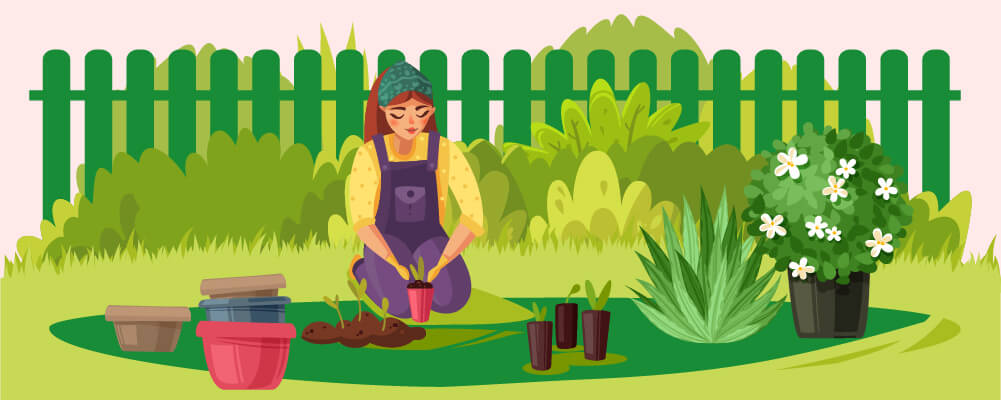
Nothing says luxury and relaxation quite like a well manicured and maintained garden. Your outdoor space is important to the overall look of your home, so it’s only natural that you will want the space to be absolutely pristine and perfect. Of course, perfection is a difficult thing to reach, especially since there are so many different ideas out there about what makes the perfect garden.
If you’re wondering how to create the ideal garden for your home, you need not fear. We’re here to tell you everything you need to know about making the garden or outdoor space of your dreams. All it takes is a little bit of time, patience and an artistic vision, and you’re all good to go!
How To Start Creating Your Perfect Garden

Often when it comes to creating the ideal garden, starting off is usually the hardest part. Things can become a lot easier when you know exactly what you’re doing next. When you have a plan, you can have an easier time making your perfect garden a reality. When you don’t know what you want or how to execute the plan though, things can be a little trickier.
Doing Research Beforehand
The key to making a successful start on your garden is doing your research. This will help you to find the right design for you.
One way you can start is by looking into the current garden trends and seeing what you like. This can help to give you a little more inspiration about the kind of thing that you want. If you enjoy keeping up with the latest trends, then you can also rest easy knowing that your garden will be up to date since you have done your research. If you would prefer to have a different style of garden then look into the styles that are out there.
The internet is a pretty wonderful thing. If you spend enough time doing your research, you are almost guaranteed to find some inspiration for the kind of garden that you want. In the event that you can’t find anything that’s perfect for you, then you can always ask a garden designer to give you a little bit of guidance too. You don’t just have to stick to the internet, either. You can also find inspiration by visiting places like public gardens, garden centers or anywhere else you can think of.
When you find ideas that you like, write them down. You could potentially make a garden sketch of what you want with your particular garden shape and size in mind. Consider things like what it’s going to cost for you to achieve the garden, and make sure that you budget for everything that you need. It’s also a good idea to measure your garden before you start buying or building things, as this will help you to ensure that you have all of the space necessary to do the things that you want to do.
Elements to Consider
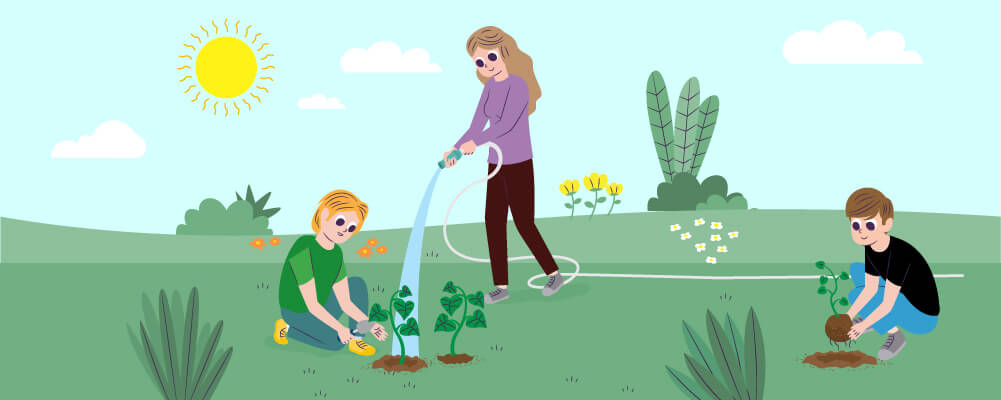
When you have done some research and figured out some of the things that you want, it’s time to look into the more specific elements of perfecting your garden. Here are a few of the things that you should think about.
Walls and Boundaries
For the most part, people aren’t overly fond of open gardens when they live close to other people. Walls and boundaries will give you a little bit more privacy in your garden, and will create a neat divide between your garden and your neighbor’s garden.
The first thing that you will want to think about is the materials used to make the walls and boundaries. The materials used can make a huge difference not just to the longevity of the walls, but it can also influence how they look in the garden. As such, they are important to take into consideration. We’ll discuss more about the materials a little later on!
In addition to that, it’s important to think about whether there are any building regulations that you need to adhere to. Check the regulations in the place where you live to see what you can do. Make sure that the boundaries aren’t encroaching onto your neighbor’s property, either.
Hedges and Fences
Rather than creating walls, some people like to use hedges instead. Now, it’s actually possible to have a mix of both if you prefer! In many cases, hedges tend to be better at ensuring noise is blocked out from the outside of your garden. This is because the greenery will trap the soundwaves and the dust. Not only that, but the hedges will also look luscious and green, adding to the relaxation of your garden.
It’s important to remember, however, that a hedge may take some time to fully establish itself in your garden. It needs to have time to grow. Not only that, but you’re going to need to trim it fairly regularly, so you will need to set aside the time in order to do that. This is in contrast to fences, which you can put up straight away and are fairly low maintenance. They’re also fantastic for the sake of security. They cost much more money though, and they can look a little cold in comparison to hedges.
Whatever the case, the decision whether to have a hedge or a fence installed in your garden is an entirely subjective one that’s up to your personal tastes. Have a look for some images online and consider how much maintenance you are willing to put into either option to figure out what’s best for you.
Paths and Patios
Next you need to think about the paths and the patios. These can have a big effect on the overall look of your garden. Consider where you will put your paths and where they will lead. What will the paths be made out of, what will they look like? Then think about your patio, since this is likely to be where you will spend most of your time when out in your garden. Make considerations such as these with your garden size in mind, and consider the sort of look that you want to go for.
Lawns
A lawn is a cornerstone of the perfect garden! Without the right lawn, the entire garden loses its magic. Consider how much of the garden is going to be made out of lawn space. Think about the kinds of grass that you will use, since there are many to choose from that will differ in terms of how they look and what sorts of environments they thrive in. Think about how much maintenance you are willing to put in, too. If you want to keep your grass looking good, then you’ll need to take the time for proper lawn care.
Water Features
Why not add a little extra life to your lawn by adding in some water features? Water features look fantastic in a garden. They are serene and peaceful, and you can even introduce water life into some of them like fish or frogs. Water features can be anything from small ponds to fountains, so there are a lot of different options out there if you are interested. They aren’t super high maintenance either. You will need to speak to a professional about getting them installed in most cases though – they should be able to advise you of the best location for your new water feature.
Zoning Areas (dining, playing, shading)
When you are creating a plan for your garden, you should be making a plan for zoning too. Consider where you are going to have things like outdoor dining areas – places like patios are usually a good choice for this. Where will children play? What about places where you can get shade? Take all of these things into consideration since they will impact the overall layout of your garden.
Planting: trees, shrubs, pots
It’s time to bring out your inner green thumb! No garden is complete without greenery such as shrubs and trees. Do your research into the best kinds of plants for your garden to get the best results.
Lighting Out-buildings
Finally, think about the lighting for your outbuildings. This is important so you can still relax during the light. There are a lot of different lights that you can use, so make sure that you do your research based on what will work the best for you. Things like fairy lights can look particularly wonderful in a garden!
Materials to Consider
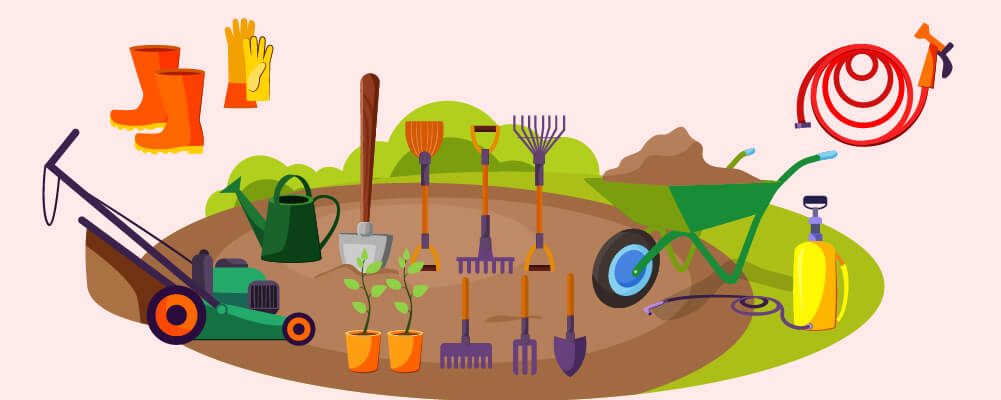
The next thing that you need to think about is what materials you will use to build up your garden. Here are some of the most common ones that you should consider.
Bricks
Bricks are used for all sorts of things in a garden, from garden edging and walls to making paths and stairs. At some point when you are making your garden come to life, you are almost certain to use bricks in some capacity. Make sure that you buy plenty of these if they are needed for your garden. You can often buy some second hand since people will often buy more bricks than they actually need. This will save you some money. If it’s not an option, you can go to your local garden or building store instead. If you have any leftover bricks, don’t despair – you are sure to find something you can do with them. You can sell them online, or get creative with them!
Timber and Decking
If you are making a deck for your garden, then you are going to need timber and decking in order to do it. Remember – the type of wood that you use will make a massive difference to how it looks so you will need to consider that in addition to your plans for the rest of the idea. Woods like treated pine, iron bark and jarrah are great choices for a deck, but it depends on what you are looking for. Visit your latest home and garden store for some decking, or you can sometimes buy it online. It’s a good idea to look during sales too, since timber can cost a lot of money!
Paving and Block Paving
You’re going to need paving for your paths. This can be made out of all sorts of different materials, so give it careful consideration before you buy the paving. Don’t lay block paving right on top of soil either – you will need to prepare the ground for it in advance. Block paving looks fantastic, but it needs to be laid correctly.
Aggregates and Sand (check that the chemicals included are suitable for horticultural use)
Aggregates are fine bits of material that look a little grainy and they are commonly used in construction. They tend to be made out of things like crushed stone, and are often used in a garden to give it more diversity. If you like the look of aggregates in your garden, do some research since there are lots of types out there that are used for different things. Likewise, with both sand and aggregates it is important that you ensure that the chemicals inside of the sand and aggregates are going to be okay to use in your garden. It should be specifically designed for horticultural use.
Concrete, Mortar and Render
If you’re going to build things, you’re going to need some good ol’ brick and mortar. Gather some mortar, concrete and render for things like walls and other structures from your local construction or garden store. You may also be able to get some second hand online, since people don’t always use all of the materials that they buy.
Damp Proof Membrane and Landscaping Fabric
Your garden is, in most cases, outside. That means that it’s exposed to the elements. In order to protect the structures in your garden from the rain or other inclement weather, it’s a good idea to apply a damp proof membrane to any potentially vulnerable areas. You are also going to need landscaping fabric – it’s incredibly useful for gardening and keeping your soil in optimal condition.
Exterior Paints and Finishes
Finally, it’s time to give your garden the finishing touch! To do that, you’re going to need to add paint and finish to any structures in the garden, such as walls. Don’t get the kind of paint that you would use to paint your interior walls though! It needs to be specifically designed for the outdoors so that the paint and finish can handle the weather changes.
Different Ideas For your Garden
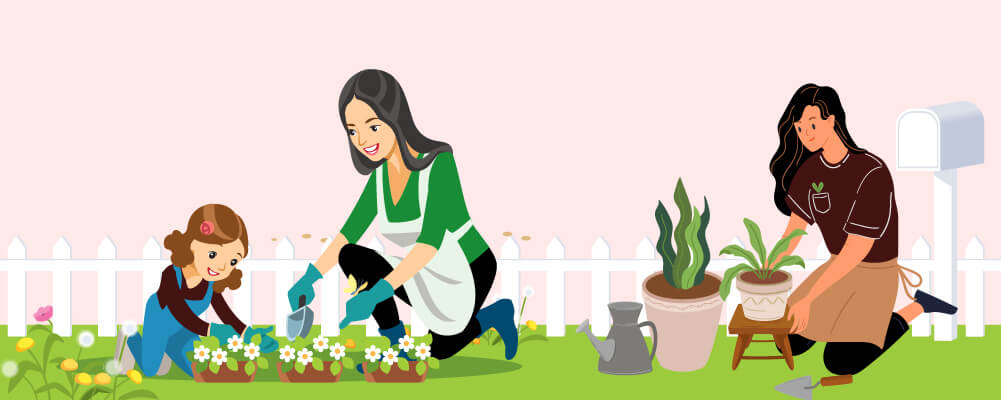
Still stuck for inspiration? Here are a couple of ideas that you can use for your garden to get you started!
Go Big or Go Home
Have you got a small garden but you want to make an impact? Well, you can use larger items in the garden to give the garden a little more diversity. For instance, you can use large plant pots with a variety of different greenery, and you can make it seem like a more tranquil space.
The same goes for larger spaces. Large items will take up more space, so it’ll seem like you have less dead space in the garden. Obviously there’s a right and a wrong way to do this – you don’t want it to look gaudy, after all. Look up some inspiration on sites such as Pinterest or on Instagram to see how it’s done and how you can implement the ideas in your own garden.
Soften a Sloping Garden with Grass Steps
It can sometimes be a little challenging to design a garden with lots of different levels. You may find that it’s a little more challenging to divide up the space appropriately in a way that will actually look good. In this case, you may want to experiment with adding some steps in. You could use stone steps here with some walls around to make them look less out of place. Alternatively, you could use some grass steps instead. This makes them blend into the lawn seamlessly, and it softens the lawn a little, an effect that is more difficult to achieve with stone steps. It’s a great way to join together two different parts of your garden.
Consider a Path
Pathways are great for gardens since they help to make it look more organized. They allow you to make designated zones in the garden, and it links these different areas together. If you have a grassy lawn then it’s very practical too, since you can walk on the harder path in order to ensure that you don’t get your feet muddy after a rainy day.
Paths look fantastic, so you should definitely think about getting some for your garden. It’ll protect your garden in the long run, and protect your feet from mud! You can choose all sorts of materials and designs for your path, so you will surely find something that will be a good fit for you.
Plant for Privacy
Trees and greenery are pretty important for ensuring that your garden looks lush and vibrant, but do you know why else they’re useful? That’s right – they are a good way to ensure privacy. Putting a hedge up around your garden not only makes it look good but it also adds extra privacy to your garden. It’ll blend in well with your garden too, which is always a bonus. Plants are a great way to add some privacy to your garden without building things like stone fences and walls.
Consider a Flowering Roof
Roofing has changed a lot over the years – green roofs are definitely trending right now, and they will fit in with your garden like a dream. You can allow for some extra greenery if you create a flowering roof for the structures in your garden. You can also use it to experiment with all sorts of new plants too. You can do this on pretty much any kind of roof that you can think of, too.
Hard Landscape Dedicated Levels
Hard landscaping is a good choice if you want to create specific levels in your garden. This is different from the soft landscaping we mentioned earlier – we’re talking stone and brick and mortar! This can be great for making your garden look more organized, creating specific zones that give your garden a truly seamless look.
Stick to a Simple Design
You may be tempted to play around with overly complicated designs, but this really isn’t necessary. Sometimes it’s the simplest designs that can have the biggest impact on how your garden looks. Keep the details simple, rather than overthinking it – it’ll look much cleaner and more pristine this way.
Go Hard on the Detail
If you’re going to go with a specific design then run with it. Do your research into the designs that you want, and this will help you to add more detail to the garden. The main thing is that you need to keep the garden consistent while adding that level of detail.
Recycle Materials
Why throw away the materials you haven’t used? There’s really no need to do so – you can simply recycle them and turn them into something new. You can even recycle things from your own home – for instance, are you throwing away a bathtub? Why not turn it into an artsy looking plant bath and make it a garden centerpiece? There’s a whole world of possibilities out there – you just need to get creative.
Change the Shape of the Garden
If you’re getting bored of the shape of your garden, change it! You don’t need to stick to one particular design. Play around with different shapes for your garden to make it look more interesting. There are so many different ideas you can use. You don’t need to stick to the status quo if you don’t want to.
Common Questions
So now that you know all of the basics, it’s time for a quick frequently asked questions section! Here are some questions you may be wondering about when you are in the process of creating the perfect garden.
How Do I Keep The Neighbors Onside?
We all like to think that we don’t have to answer to anyone when it comes to what goes on in our home or in our garden, but this isn’t actually the case. The neighbors can sometimes be a bit of a pain when you’re trying to work on your garden.
For that reason, you will need to make every effort to keep the neighbors on your side when you are working on the garden. Ultimately this all comes down to communication. Make them aware when you are going to do things – if you’re having loud construction work done, let them know. Make sure that no parts of your garden plan encroach onto their property, such as fences and walls. If this is something that you can’t avoid then you are going to need to get their permission written down in writing, otherwise you simply cannot do it. By communicating with the neighbors, you are far less likely to run into problems later down the line.
How Do I Get Rid of Hard Landscaping Waste?
When you’re done with the work on your garden, you’re also going to need to get rid of any hard landscaping waste that you have. There are a few ways that you can do this. To start, you can ask neighbors or friends if they need the waste or can recycle it for another purpose. This won’t be possible in most cases though. You can instead speak to your local authorities about getting a large disposal bin that you can put the waste into. This will likely cost you money to hire, so be prepared for that, and you may even need a license for it. Get a junk removal service to help you out too. If you are unsure, then you can always speak to your landscaper if you have one – they should be able to give you more advice in relation to the rules and regulations in your area.
How Do I Landscape a Garden the DIY Route?
It can be incredibly daunting to landscape a garden completely by yourself. As you may have seen already, there are so many different things that you need to think about right off the bat, and sometimes there are even legal factors involved. If you are going to landscape the garden completely by yourself, then it’s best to start off by doing some research. Look online or read books to tell you what to do. There are even construction courses online that you can do to give you a bit of guidance. Know where to get materials for a good price too, or else you are going to be spending a lot of money.
Likewise, think about hiring machinery. You may need to do things like mixing cement, in which case you’re going to need a cement mixer.
Do I Need Planning Permits?
It’s best to do your research before you get started on working on your garden. In most minor garden renovations, you aren’t going to need a planning purpose for the job. In some cases though, such as if you are going to be creating outdoor buildings, you are going to need a planning permit. Check the rules and regulations in your area online in order to figure out what you need. Likewise, you may also need to ask for permission from your neighbors if any part of your garden is going to creep onto their property.
How Long Will my Garden Landscaping Take?
In most cases, you are going to need to take time off work in order to do your garden landscaping, whether you are doing it yourself or getting someone else to do it for you. With that in mind, it’s a good idea to know how long it’s going to take. Unfortunately though, there’s not one specific answer to this question – different projects will take different amounts of time. That’s why a professional will give you a quote based on the work that needs to be done, rather than a flat rate for the whole garden.
You are most likely going to need to get the hard landscaping done first, and this may take some time. Large structures will also take some time to complete. Then you will need to plant grass seeds and other plants for the garden. It’s worth breaking it down into steps and looking online to see how long each part will take, as this will help you to get a rough estimate.
Which Plants Should I Choose?
Plants are pivotal to pretty much any garden, so you are going to want to consider the kinds of plants that you are going to use very carefully. It’s a good idea to start off by figuring out more about what kind of soil you have in your garden, and knowing more about the sun conditions.
It’s a good idea to get hedging if you want to add a little more structure to the garden. If you want more color, then flowers and bedding plants are a good idea. If you’re stuck, look at what those around you are doing for some inspiration. Look online at what sorts of plants will work for your big overall vision.
Summary
Now you know everything you need to know about how to create the perfect garden! With some patience and plenty of elbow grease, you can create the space of your dreams. All it takes is a little bit of research and knowing where to start in most cases. If you have a plan, you can create a garden that you can definitely be proud of. Now, get looking for some inspiration and start working on that garden!


A Guide to Financing Your Roof Repair or Replacement
/in Roofing/by G.H. Clark ContractorsRepairing or replacing a roof is always a big project that consumes time, energy, and money. It can affect your monthly payments when you don’t prepare for it.
According to HomeAdvisor, roof replacements cost an average of $7,796. The best way to cover a roofing project is with cash—but not everyone has the savings for this.
Thankfully, there are many ways you can go about this, even with bad credit. You can get payment plans from roofing companies in Maryland, get a loan, and more.
Here’s a guide to financing your roof repair or replacement.
Canvas First
You need to know how much your roofing project will cost before finding out how to pay for it. Get quotes from at least three roofing companies. Once you’ve collected the figures, see if there’s any significant difference between the rates and find out why.
This may be due to their service fee or the roofing materials used. Ask questions but educate yourself on the different roofing materials and how much they cost to see if their rates are fair.
For instance, an asphalt roof is a popular choice since it’s one of the most affordable materials. A 1,800 sq. ft home will cost around $4,286 to $6,429. Meanwhile, a solar panel roof will cost around $15,000 to $25,000.
How to Compare Financing Options
Most people’s first instinct is to go with the financing option with the lowest interest rate. However, when comparing financing plans, you need to consider other factors apart from the interest rate.
If your repair or reroofing project is urgent, you may not have the time to wait for some options. A loan, for instance, can take up to weeks to get approved. It would be unwise, especially if your roofer says that you risk more damage the longer you wait.
Roofing Financing Options
Credit Card
Many roofing companies take credit cards. However, this isn’t the best way to finance your project. You don’t have to worry if you’re confident that you can pay off the total amount in a month. If you cannot, you may be significantly paying for a higher cost due to the interest rate.
For example, your roofing project costs $7,000, and the interest rate is 15%. You pay the minimum amount of $200. This means you’ll end up paying an extra $3,000 once you’ve paid the debt off.
The exact figures depend on your credit card but paying more than the minimum will help.
Homeowners Insurance
Check if your roof damage is covered by the homeowner’s insurance policy or any limited warranties. If it does, insurance can cover part of the costs so that you need less from other financing sources.
If a storm or natural disaster damages your roof, you can process claims to ensure that part of the costs is covered.
Government Options
The FHA Title 1 loan is a financial tool used for home repair and improvement.
First-time home buyers commonly use FHA. Meanwhile, Title 1 loans are used by homeowners to fund permanent renovations and improvements. Some even use the Title 1 loan along with a mortgage to fix a home they’re purchasing.
If you’re opting to go with an FHA Title 1 loan, it’s important to note the following:
How “home improvement” is defined by an FHA Title 1 loan is broad. According to the Department of Housing and Urban Development, the loan should be used to make your house more “livable and useful.” This can mean buying appliances, like a refrigerator or making your property more accessible to people with disabilities.
Get Advice from Roofing Experts
It’s good to educate yourself with roofing materials and financing options, but nothing will replace the advice of a professional. Contact G.H. Clark Contractors, Inc. for expert roofing advice. We’ll be more than happy to help you with your home improvement project.
A Guide on Deck Installation for Your Home
/in Decks/by G.H. Clark ContractorsAdding a deck to your property brings many benefits. It’s an excellent way to make your outdoor space more livable and increase your home’s value. According to a National Association of Realtors study, a wooden deck recovers 106% of its value once the property is sold.
With the help of deck builders in Southern Maryland, installation can take from three to four weeks, but it’s still wise to educate yourself before starting the project.
Here’s a quick guide on installing decks for your beautiful home.
How much does it cost to install a deck?
The average cost is around $7,652, ranging from $4,149 to $11,475, but again, it depends on your property and vision. When estimating the costs, you need to consider materials, labor, and permits.
Things you need to factor in also include:
It’s also important to note that the deck maintenance will depend on your chosen materials. For instance, you need to clean wooden decks at least once a year, using a biodegradable outdoor cleaner that removes mildew.
How much value does a deck add to your home?
The exact figure depends on the size and materials of your deck, but it can add around $10,000 or 50-75% ROI for the installation.
You can also check out real estate listings and compare the homes with and without decks. Properties with decks are more likely to get sold faster since the decks make the home more appealing.
Think local if you want your money back
Canvasing decks in nearby areas is a good idea. Doing so will allow you to identify what style is suitable for the market. Don’t make it too extreme or less than what’s expected.
Make sure to obey local codes, too, since homebuyers have properties inspected making a purchase. These codes are there to ensure safety, not just add property value.
Plan on how it will fit around your house
Accessibility
Your deck will most likely become a popular spot at home, so you need to be strategic on where you place it.
If you’re unsure of where to start, think of how you’ll access it from the inside. People usually go with a French door or slider from the living room, family room, or dining room.
Size
Ensure that your deck doesn’t swamp your outdoors. You should also check other limitations early in the planning process. Your local zoning board might have set standards on how much of a deck can occupy your lot.
Scenery and Privacy
Assess your outdoor space and find a spot with unobstructed access. Check, too, the sun and trees at specific times of the day. It may be pleasant in the morning but intolerable later on.
You should also coordinate with your builder on where to place the deck so you can preserve your privacy.
Contact Professionals for Your Deck Installation Project
Building a deck is not a project you should DIY. There are many things to consider to ensure that it’s aesthetically pleasing, safe, and sturdy.
Contact G.H. Clark Contractors, Inc. today to get started on your home improvement project. We’ll help you build a deck that’s beautiful and within your budget.
4 Tips for Protecting Your Deck in the Winter
/in Decks/by G.H. Clark ContractorsThe average cost of building a deck ranges from $4,000 for small, basic designs to $45,000 for spacious, high-end systems. These numbers vary depending on the material, add-on features, and size of the deck you wish to build.
You can make the most of your investment by ensuring that your deck is protected year-round, especially from the harsh winter weather.
G.H. Clark Contractors, Inc., one of the most reputable deck builders in Southern Maryland, offers these tips for protecting decks during the cold season:
Get Rid of Mold and Mildew
During the winter, moisture on your deck can lead to mold and mildew build-up. It’s important to remove them immediately before they cause serious damage like rotting and decay.
Get rid of mold and mildew by using a store-bought cleaning solution or creating a DIY formula using household products.
To make the homemade formula, simply mix three quarts of water, one quart of oxygen bleach, and ¼ cup of ammonia-free liquid dish detergent. Using a garden sprayer, apply the mixture to your deck’s surface and let it sit for at least 10-15 minutes before rinsing. The dish detergent removes the mold and mildew while the bleach kills them.
Stain and Seal Your Deck
Winter moisture can penetrate your deck’s surface and cause it to warp, crack, splinter, and rot. You can protect your deck by applying a water-repellent sealer and staining it every two to three years.
Before staining and sealing, sweep off any loose debris and scrape off stubborn dirt to allow easy application. When choosing a stain, you can go for a similar shade, or opt for a new color to give your deck a fresh new look.
Remove Snow Build-Up
The weight from too much snow can collapse your deck. Experts recommend shoveling it as much as you do your driveway. Be sure to shovel in the same direction as the placement of the boards to avoid damaging your deck’s finish. Likewise, avoid using salt and other ice-melting products as they can ruin and discolor your deck.
Cover Your Deck with a Tarp
Prevent snow from accumulating directly on your deck by covering it with a tarp. This covering also serves as a protective barrier against hail, ice, and moisture that can warp and worsen the cracks on your decking system.
Trusted Deck Builders in Southern Maryland
If you want to enhance the aesthetic appeal and increase the value of your home, adding a deck is an investment you’d want to make. G.H. Clark Contractors, Inc. builds decks that endure the different weather changes in Southern Maryland. We build a range of deck systems, including pressure-treated, PVC, and composite wood decks.
With over 25 years of experience, our deck installers have the experience and knowledge to perform any type of deck project, big or small.
Take advantage of our flexible financing options, and build your dream deck today. Call us at (410) 414-7060 to learn more about our products and services.
Which Siding Material Should You Get?
/in Siding/by G.H. Clark ContractorsThe siding is an unsung hero of the home’s exterior. It protects the residents from the elements just as much as the roof and it also helps route rainwater away from the home like the gutter.
The siding also adds aesthetic value to a home. It is one of the most noticeable part of the home from the curb. It helps buyers decide whether to even set foot inside or not.
Because of all these reasons, it’s critical that you choose the right material for your siding. We understand this because we offer siding installation to Annapolis, MD homes.
Read on to find out how you can decide between siding materials.
Choosing Siding Materials
Not all siding materials are created equally. Depending on where you are and what kind of climate your location has, other options may be more applicable for you. There’s also the factor of budget. Some materials are significantly more expensive than others.
Here are the most common siding materials:
Vinyl
Starting off with the most popular material today, vinyl enjoys a 32% share of the siding market. It gained its well-deserved popularity because it’s affordable, durable, versatile, and low maintenance. It can also come in several colors and finishes, giving homeowners more leeway in terms of design.
At G.H. Clark, our vinyl siding can also come with soffit eaves and overhangs, which combines both beauty and function.
Wood
Wood siding offers homes a more classic and warm charm, but only when it’s properly maintained. It comes in different styles including shakes, shingles, clapboards, and board and batten. It can also be an eco-friendly option if its sustainably sourced.
Fewer homeowners now choose wood because it can be expensive and a hassle to constantly maintain. It’s also susceptible to rot and decay. In some locations, the flammable property of wood is also a major drawback.
Metal
Contemporary and modern-style buildings are usually where you can find metal siding. They commonly use aluminum, zinc, or copper for these. It is resistant to fires, rot, mold, and insects. It is also relatively low maintenance.
However, metal can be more expensive than the other options out there. It is also susceptible to rust, especially when not installed properly. Others simply don’t like the shed-like aesthetic and feel of the material.
Fiber Cement
This type of siding material is made from a blend of cement, cellulose, and sand. This combination makes this option a highly durable one. In fact, fiber cement siding is impervious to rot and pests. It is also highly resistant against fire. It is also designed to mimic the beauty of wood.
While it can be costly (around twice the price of vinyl), fiber cement more than makes up for it with its strength and durability. At G.H. Clark, we trust in fiber cement so much that we offer a lifetime warranty.
Stone or Brick
There is no denying that a stone or brick siding is both highly durable and requires little to no maintenance. It is one of the longest lasting materials that can be used as siding. It is resistant to extreme temperatures, fire, and moisture.
The only real downside to stone or brick is its cost. The outright cost of the materials is expensive. Installing it is labor-intensive and therefore expensive. Some homes that use this material require additional structural support, which can also be expensive.
Take Away
Siding is an important part of the home’s exterior for both longevity and design purposes. For this reason, it is essential that homeowners choose the best material for their needs.
If you want more advice regarding the strengths, weaknesses, and differences of siding materials, feel free to reach out to us at (410) 414-7060. You can also visit our contact page for more information.
Gutter Repairs: When Do You Need One?
/in Gutters/by G.H. Clark ContractorsThe average cost of household water damage amounts to $20 billion each year, according to data from iPropertyManagement. While the primary culprits are plumbing leaks and storm damage, water damage can also be caused by something as simple as neglecting to repair your rain gutters.
When the rain gutters are no longer working as intended, rainwater can leak into the house or seep through the soil and ruin your home’s foundation. That’s why you must know how to spot a rain gutter that requires repairs.
In this article, we’ll list down the signs that tell you that you need immediate gutter repair in your Maryland home.
Gutters Are Sagging Away
Most gutters are designed to be attached to hangers secured to the fascia boards at the base of your roof. These hangers can sometimes become unfastened due to weather damage or regular wear and tear. When that happens, the gutters will start to look like it’s sagging or dipping to one side.
If you notice your gutter sagging away, it’s best to have it repaired immediately. When the gutter sags or isn’t correctly positioned, water may fall freely on the side of the house instead of being channeled to a drain. This can slowly damage or stain your walls. Water may also start pooling in the center of the gutter and cause the gutter to bend further.
Gutters Are Leaking
Over time, twigs, branches, and other debris may puncture gutters and cause small leaks. Old unmaintained gutters can also develop rust that eats away parts of the gutter system. This usually leads to leaks.
These punctures and similar damage prevent the gutter from fulfilling its purpose of directing rainwater away from your house. Left unchecked, these leaks can damage roofing, cause exterior paint to peel, and cause wooden components of your home to rot away.
Act on leaky gutters as soon as possible, so they can continue to do their job of channeling rainwater to the downspouts.
Water Is Pooling Around Your Home
One of the main purposes of rain gutters is to prevent water from building up around your house. They do this by redirecting the water away from your home to an area where it would flow somewhere else.
If your gutter is leaky or clogged up, water will eventually find itself on the ground and create puddles. They may appear harmless but water could be seeping into the ground and cause the following problems:
When you start noticing puddles of water building up regularly around your home, it’s best to have your gutters checked and repaired, if necessary. Act fast to avoid further damage and additional repair costs. If you experience any of these signs, reach out to a professional to have your gutter repaired.
G.H. Clark Contractors, Inc. offers a wide range of services like gutter repair and installation. Feel free to contact us today if you require assistance with your rain gutters. Our team can address your concerns right away.
[/et_pb_text][/et_pb_column][/et_pb_row][/et_pb_section]Debunking Popular Window Replacement Myths
/in Windows/by G.H. Clark ContractorsAccording to information from the Office of Energy Efficiency and Renewable Energy, an estimated 10% to 25% of an average household’s energy bills are lost to window leaks.
Despite this fact, there are still many homeowners who believe that windows and energy efficiency have nothing to do with each other. That’s just one of the many strange misconceptions people have about window replacements.
In this article, we’ll debunk some popular window-related myths to help you become better informed before you start looking for window replacement in Maryland.
1. Energy-efficient Windows Don’t Exist
For some people, energy-efficient windows are nothing more than a way to fool consumers into buying an expensive window. That is a common misconception that is simply not true.
While the price of energy-efficient windows can be a little higher than regular windows, it enables homeowners to save a significant amount of money on their energy bills. For example, installing a single-pane Energy Star window can save you $366 annually on heating and cooling bills.
This myth may have come from homeowners who have not been able to fully utilize their energy-efficient windows. You can replace all your old windows with energy-efficient ones, but you still won’t be able to save money if your doors are old and poorly insulated.
2. You Should Never Replace Windows During Winter
While it may sound strange to some, window replacement services can be done with little to no issues during winter.
Clever homeowners even take advantage of this. Since the winter months are often considered slow seasons, booking or completing projects is easier this time of the year. Some companies even offer discounts to attract potential customers during this time.
Window contractors are capable of offering their services regardless of the season. However, it is important to note that some windows tend to expand and contract depending on the temperature. That means it’s still better to have your windows serviced during milder weather.
3. All Windows Are Created Equal
Windows are not created equal. While some windows may look identical, a closer look can reveal certain differences in how they function and what material they are made of. That’s why when choosing replacement windows, it’s important to take your time in determining which type suits your needs.
For example, one specific room in your house may feel unbearably hot during the summer and freezing in the winter. The cause of the room’s susceptibility to temperature may be the windows.
The windows for that specific room may not be enough to fully insulate that area of the house. Replacing it with highly insulated windows should be able to help keep it cool on hot days and warm during the cold.
Now that you are familiar with the truth behind these common misconceptions, you should be able to have your windows replaced armed with the right knowledge. Don’t forget to take your time in choosing the right window and never hesitate to ask your trusted window contractor for expert advice.
G.H. Clark Contractors, Inc. offers reliable window installation and replacement services. If you are interested in having your windows replaced, contact us today to ask about the products we have on offer.
Common Problems with Decks That You Need To Watch Out For
/in Decks/by G.H. Clark ContractorsIn 2020 alone, 46,000 single-family houses in the United States built some form of decking in their property. That goes to show just how many American families are embracing decks as an integral part of their homes.
Who can blame them? Decks are an amazing place to gather with loved ones without leaving the comfort of home. That’s why it’s vital for deck owners to quickly identify and address any problems that may appear.
As trusted deck contractors in Maryland, we’ll help you identify some common deck problems that you may run into.
Wood Rot
Rotting is an extremely common problem found in decks, especially those primarily made of wooden materials. Wood rot is commonly found around stairs, corners, and railings.
They are relatively easy to spot. Sections of the deck will have small pieces of wood that are falling off. These are often found in the edges of the boards or posts. You can also look for darkened areas of the wood and try poking it with a screwdriver. If the wood gives under the pressure from the screwdriver, it might be rotted.
If your deck has signs of wood rot, it’s best to repair or replace all affected beams, boards, and posts to make sure the deck remains stable. However, prevention is still the best way to avoid rotting. Consider doing the following:
Gaps Between Boards
Over time, most types of wood tend to shrink as they slowly dry out. This often leads to significant gaps between your deck’s boards. It happens when the wooden boards installed on your deck have not been fully dried.
For boards with visible gaps, the best thing you can do is have them replaced with new ones. Gaps that are wider than three-sixteenths of an inch must be replaced as soon as possible because they can be a tripping and falling hazard.
When replacing the boards, ensure that they are completely dry. If you are using fresh wood, install it with little to no spacing. That should help compensate for the shrinkage that will happen once it starts drying up.
Structural Issues
Signs of structural weakness are common decking problems that are almost always caused by two things:
Whatever the reason, a deck with compromised structural integrity must be addressed immediately due to the dangers it poses and the risk of collapse. If you feel like the deck’s surface is unstable or certain components like the railings are starting to wobble, it’s best to have it inspected by a professional.
A professional deck contractor should be able to determine if the issue can be sorted out by repairing certain sections of the structure or replacing some parts of it.
Insect Infestation
Insects like carpenter ants and termites can be very problematic insects for your wooden decks. Left unchecked, they will eat away the structures keeping your deck together. That’s why they need to be addressed immediately.
For carpenter ant infections, look for the following signs:
For termites, the common signs to watch out for are:
At the first sign of insect infestation, be sure to call a professional to exterminate them. Some deck and porch contractors are capable of removing these insects as well as fixing any damage they caused.
To prevent infestation, ensure that your deck is rot-free. Soft, rotting pieces of wood attract these insects. You should also remove any form of plants from your deck. Plants enable moisture and rot to take hold in wooden structures.
While these problems may sound difficult to deal with, they can be easily dealt with, especially if they are addressed immediately. However, regular maintenance and inspections are still the best way to prevent any of these issues from ever manifesting.
G.H. Clark Contractors, Inc. is a trusted deck and porch builder, offering a wide variety of styles that fit your budget. If you are interested in deck services, contact us today. Our team would be glad to answer any questions you may have.
Roofing 101: Warning signs you need to get a roof replacement
/in Roofing/by G.H. Clark ContractorsRoofs are built to last around 20 to 30 years, protecting people from rain, snow, intense sunlight, strong wind, and extreme temperature. However, unexpected incidents can occur that will damage your roof, endangering your health and home’s structural integrity.
Roof damage can be hard to find and often too late for repairs and maintenance to fix the problem when found. Search for roofing companies in Maryland offering roof replacement services immediately before the damage worsens. Watch out for these warning signs that say your roof may need a replacement.
Watch Out for Roof Leaks
Roof leaks are an obvious sign of roof damage from your home. Check the ceiling of your home that’s nearest to the roof for leaks from time to time, especially after a rainy day. Look for water intrusions, since it is most likely the origin of the leak.
During winter or a snowy day, search the roof exterior for ice dams. It forms when the snow on the roof melts, flows down to the gutter, and freezes again. When water reaches the ice dams, it will overflow, running under the shingles and making its way into the house.
If the leak you discover is minimal and located at parts where it cannot create more damage, you won’t need a roof replacement. However, you still must call a professional to inspect it, since holding out on repairs will lead to more severe damage and costly repairs.
Stay Vigilant for Moss, Mildew, and Algae
Moss, Mildews, and Algae typically grow in moist environments, usually caused by leaks and condensation issues in your home.
Before jumping to the conclusion that you need a roof replacement, ensure your home is adequately ventilated, the insulation is dry, and plumbing lines and bathroom fixtures are not leaking. It will help determine the actual origin of the organisms and can make roof replacements cheaper if you need one.
Look for Roof Cracks and Rotting
Cracks and rotting are other signs you need to stay vigilant with your roof. Cracked shingles are often caused by strong wind, which you can easily replace if limited to only a few. However, if the cracks are spread throughout the roof, it means that you need to get a roof replacement.
You can check if you have cracks using the attic if you have one. You can determine if your roof is cracked if light easily passes through it. Assess the damage and consult with a professional if it can be repaired or must be replaced.
Look out for rotting also, especially if the foundation of the roof is made from wood. Wooden materials will rot when exposed to moisture for long periods, leading to fungi growth. It is crucial to identify this issue immediately and minimize the damage before the structure further deteriorates.
Reliable Roofing Contractors in Maryland
It is important to inspect your roof and do maintenance to fix issues that could worsen its condition immediately. G.H. Clark Contractors offer roof replacement services to keep your roof in its best condition.
We provide our clients with various roofing styles to fit their preferences. Visit our roofing services page to learn more about our services and get a free quote.
7 Reasons You Should Invest in a Storm Door
/in Doors/by G.H. Clark ContractorsWith 21 named storms, the 2021 hurricane season ranks as the most expensive in U.S. history in terms of repair and recovery efforts. According to the National Oceanic and Atmospheric Administration, Hurricane Ida alone accounts for more than $60 billion of the damage.
While you can’t control the weather, there are steps you can take to protect your home from potential damage — getting a storm door installation in Maryland is one of them.
Commonly used to shield homes against bad weather, storm doors also offer the following benefits:
Minimize Entry Door Maintenance
Extreme heat can fade and warp the materials of your front door. Prevent this from happening by installing a storm door that features protective glass panels, which deflect the rays of the sun and diffuse heat.
Improve Energy Efficiency
As your door ages, the weak points located in the sides, top, and bottom might allow air to pass through. Much like double-pane windows, storm doors insulate homes by preventing the entry and escape of air. When your space is properly insulated, your heating and cooling system don’t have to work as hard. This decreases energy consumption and lowers electricity bills.
Boost Home Security
Storm doors add an extra layer of protection against theft and burglary. Most designs come with protective grilles, heavy-duty security glass, strengthened screens, and reinforced fiberglass. You can also opt for a multi-point locking storm door that comes with three locks: one keyed deadbolt on the doorjamb and two hooks at the top and bottom of the frame.
Enhance Curb Appeal
Increase your home’s curb appeal with storm doors that come in various styles and designs. If you want to showcase the beauty of your front door, choose a design with a full view. You can also customize the color of your storm door to match the aesthetics of your home.
Improve Air Circulation
Storm doors help improve indoor air quality in homes like townhouses with limited windows. Some designs feature retractable screen panels that enable better airflow, especially during summer. Storm doors also limit the need for air conditioning, which results in a decrease in energy costs.
Keep Out Insects and Pests
Apart from better airflow, storm doors with removable screen panels protect your home from unwanted pests. You can keep your main door open and enjoy the fresh breeze and sunlight without the risk of bugs and flies entering your home.
Block Out Noise
If you live in a busy neighborhood, storm doors are good for blocking outside noise. It can be particularly helpful for homes located in high-traffic areas such as highways, railways, and schools.
Get Quality Storm Door Installation in Maryland
Protect your home from Maryland’s everchanging climate by installing functional and stylish storm doors today. G.H. Clark Contractors, Inc. provides state-of-the-art storm doors that withstand weather changes: from harsh winters to dry summers.
Take advantage of our flexible financing options, and experience the full benefits of storm doors. Call us at (410) 414-7060 to learn more about our products and services.
How To Create The Perfect Garden Or Outdoor Space
/in Repairing/by G.H. Clark ContractorsIntroduction
Nothing says luxury and relaxation quite like a well manicured and maintained garden. Your outdoor space is important to the overall look of your home, so it’s only natural that you will want the space to be absolutely pristine and perfect. Of course, perfection is a difficult thing to reach, especially since there are so many different ideas out there about what makes the perfect garden.
If you’re wondering how to create the ideal garden for your home, you need not fear. We’re here to tell you everything you need to know about making the garden or outdoor space of your dreams. All it takes is a little bit of time, patience and an artistic vision, and you’re all good to go!
Table of contents
How To Start Creating Your Perfect Garden
Often when it comes to creating the ideal garden, starting off is usually the hardest part. Things can become a lot easier when you know exactly what you’re doing next. When you have a plan, you can have an easier time making your perfect garden a reality. When you don’t know what you want or how to execute the plan though, things can be a little trickier.
Doing Research Beforehand
The key to making a successful start on your garden is doing your research. This will help you to find the right design for you.
One way you can start is by looking into the current garden trends and seeing what you like. This can help to give you a little more inspiration about the kind of thing that you want. If you enjoy keeping up with the latest trends, then you can also rest easy knowing that your garden will be up to date since you have done your research. If you would prefer to have a different style of garden then look into the styles that are out there.
The internet is a pretty wonderful thing. If you spend enough time doing your research, you are almost guaranteed to find some inspiration for the kind of garden that you want. In the event that you can’t find anything that’s perfect for you, then you can always ask a garden designer to give you a little bit of guidance too. You don’t just have to stick to the internet, either. You can also find inspiration by visiting places like public gardens, garden centers or anywhere else you can think of.
When you find ideas that you like, write them down. You could potentially make a garden sketch of what you want with your particular garden shape and size in mind. Consider things like what it’s going to cost for you to achieve the garden, and make sure that you budget for everything that you need. It’s also a good idea to measure your garden before you start buying or building things, as this will help you to ensure that you have all of the space necessary to do the things that you want to do.
Elements to Consider
When you have done some research and figured out some of the things that you want, it’s time to look into the more specific elements of perfecting your garden. Here are a few of the things that you should think about.
Walls and Boundaries
For the most part, people aren’t overly fond of open gardens when they live close to other people. Walls and boundaries will give you a little bit more privacy in your garden, and will create a neat divide between your garden and your neighbor’s garden.
The first thing that you will want to think about is the materials used to make the walls and boundaries. The materials used can make a huge difference not just to the longevity of the walls, but it can also influence how they look in the garden. As such, they are important to take into consideration. We’ll discuss more about the materials a little later on!
In addition to that, it’s important to think about whether there are any building regulations that you need to adhere to. Check the regulations in the place where you live to see what you can do. Make sure that the boundaries aren’t encroaching onto your neighbor’s property, either.
Hedges and Fences
Rather than creating walls, some people like to use hedges instead. Now, it’s actually possible to have a mix of both if you prefer! In many cases, hedges tend to be better at ensuring noise is blocked out from the outside of your garden. This is because the greenery will trap the soundwaves and the dust. Not only that, but the hedges will also look luscious and green, adding to the relaxation of your garden.
It’s important to remember, however, that a hedge may take some time to fully establish itself in your garden. It needs to have time to grow. Not only that, but you’re going to need to trim it fairly regularly, so you will need to set aside the time in order to do that. This is in contrast to fences, which you can put up straight away and are fairly low maintenance. They’re also fantastic for the sake of security. They cost much more money though, and they can look a little cold in comparison to hedges.
Whatever the case, the decision whether to have a hedge or a fence installed in your garden is an entirely subjective one that’s up to your personal tastes. Have a look for some images online and consider how much maintenance you are willing to put into either option to figure out what’s best for you.
Paths and Patios
Next you need to think about the paths and the patios. These can have a big effect on the overall look of your garden. Consider where you will put your paths and where they will lead. What will the paths be made out of, what will they look like? Then think about your patio, since this is likely to be where you will spend most of your time when out in your garden. Make considerations such as these with your garden size in mind, and consider the sort of look that you want to go for.
Lawns
A lawn is a cornerstone of the perfect garden! Without the right lawn, the entire garden loses its magic. Consider how much of the garden is going to be made out of lawn space. Think about the kinds of grass that you will use, since there are many to choose from that will differ in terms of how they look and what sorts of environments they thrive in. Think about how much maintenance you are willing to put in, too. If you want to keep your grass looking good, then you’ll need to take the time for proper lawn care.
Water Features
Why not add a little extra life to your lawn by adding in some water features? Water features look fantastic in a garden. They are serene and peaceful, and you can even introduce water life into some of them like fish or frogs. Water features can be anything from small ponds to fountains, so there are a lot of different options out there if you are interested. They aren’t super high maintenance either. You will need to speak to a professional about getting them installed in most cases though – they should be able to advise you of the best location for your new water feature.
Zoning Areas (dining, playing, shading)
When you are creating a plan for your garden, you should be making a plan for zoning too. Consider where you are going to have things like outdoor dining areas – places like patios are usually a good choice for this. Where will children play? What about places where you can get shade? Take all of these things into consideration since they will impact the overall layout of your garden.
Planting: trees, shrubs, pots
It’s time to bring out your inner green thumb! No garden is complete without greenery such as shrubs and trees. Do your research into the best kinds of plants for your garden to get the best results.
Lighting Out-buildings
Finally, think about the lighting for your outbuildings. This is important so you can still relax during the light. There are a lot of different lights that you can use, so make sure that you do your research based on what will work the best for you. Things like fairy lights can look particularly wonderful in a garden!
Materials to Consider
The next thing that you need to think about is what materials you will use to build up your garden. Here are some of the most common ones that you should consider.
Bricks
Bricks are used for all sorts of things in a garden, from garden edging and walls to making paths and stairs. At some point when you are making your garden come to life, you are almost certain to use bricks in some capacity. Make sure that you buy plenty of these if they are needed for your garden. You can often buy some second hand since people will often buy more bricks than they actually need. This will save you some money. If it’s not an option, you can go to your local garden or building store instead. If you have any leftover bricks, don’t despair – you are sure to find something you can do with them. You can sell them online, or get creative with them!
Timber and Decking
If you are making a deck for your garden, then you are going to need timber and decking in order to do it. Remember – the type of wood that you use will make a massive difference to how it looks so you will need to consider that in addition to your plans for the rest of the idea. Woods like treated pine, iron bark and jarrah are great choices for a deck, but it depends on what you are looking for. Visit your latest home and garden store for some decking, or you can sometimes buy it online. It’s a good idea to look during sales too, since timber can cost a lot of money!
Paving and Block Paving
You’re going to need paving for your paths. This can be made out of all sorts of different materials, so give it careful consideration before you buy the paving. Don’t lay block paving right on top of soil either – you will need to prepare the ground for it in advance. Block paving looks fantastic, but it needs to be laid correctly.
Aggregates and Sand (check that the chemicals included are suitable for horticultural use)
Aggregates are fine bits of material that look a little grainy and they are commonly used in construction. They tend to be made out of things like crushed stone, and are often used in a garden to give it more diversity. If you like the look of aggregates in your garden, do some research since there are lots of types out there that are used for different things. Likewise, with both sand and aggregates it is important that you ensure that the chemicals inside of the sand and aggregates are going to be okay to use in your garden. It should be specifically designed for horticultural use.
Concrete, Mortar and Render
If you’re going to build things, you’re going to need some good ol’ brick and mortar. Gather some mortar, concrete and render for things like walls and other structures from your local construction or garden store. You may also be able to get some second hand online, since people don’t always use all of the materials that they buy.
Damp Proof Membrane and Landscaping Fabric
Your garden is, in most cases, outside. That means that it’s exposed to the elements. In order to protect the structures in your garden from the rain or other inclement weather, it’s a good idea to apply a damp proof membrane to any potentially vulnerable areas. You are also going to need landscaping fabric – it’s incredibly useful for gardening and keeping your soil in optimal condition.
Exterior Paints and Finishes
Finally, it’s time to give your garden the finishing touch! To do that, you’re going to need to add paint and finish to any structures in the garden, such as walls. Don’t get the kind of paint that you would use to paint your interior walls though! It needs to be specifically designed for the outdoors so that the paint and finish can handle the weather changes.
Different Ideas For your Garden
Still stuck for inspiration? Here are a couple of ideas that you can use for your garden to get you started!
Go Big or Go Home
Have you got a small garden but you want to make an impact? Well, you can use larger items in the garden to give the garden a little more diversity. For instance, you can use large plant pots with a variety of different greenery, and you can make it seem like a more tranquil space.
The same goes for larger spaces. Large items will take up more space, so it’ll seem like you have less dead space in the garden. Obviously there’s a right and a wrong way to do this – you don’t want it to look gaudy, after all. Look up some inspiration on sites such as Pinterest or on Instagram to see how it’s done and how you can implement the ideas in your own garden.
Soften a Sloping Garden with Grass Steps
It can sometimes be a little challenging to design a garden with lots of different levels. You may find that it’s a little more challenging to divide up the space appropriately in a way that will actually look good. In this case, you may want to experiment with adding some steps in. You could use stone steps here with some walls around to make them look less out of place. Alternatively, you could use some grass steps instead. This makes them blend into the lawn seamlessly, and it softens the lawn a little, an effect that is more difficult to achieve with stone steps. It’s a great way to join together two different parts of your garden.
Consider a Path
Pathways are great for gardens since they help to make it look more organized. They allow you to make designated zones in the garden, and it links these different areas together. If you have a grassy lawn then it’s very practical too, since you can walk on the harder path in order to ensure that you don’t get your feet muddy after a rainy day.
Paths look fantastic, so you should definitely think about getting some for your garden. It’ll protect your garden in the long run, and protect your feet from mud! You can choose all sorts of materials and designs for your path, so you will surely find something that will be a good fit for you.
Plant for Privacy
Trees and greenery are pretty important for ensuring that your garden looks lush and vibrant, but do you know why else they’re useful? That’s right – they are a good way to ensure privacy. Putting a hedge up around your garden not only makes it look good but it also adds extra privacy to your garden. It’ll blend in well with your garden too, which is always a bonus. Plants are a great way to add some privacy to your garden without building things like stone fences and walls.
Consider a Flowering Roof
Roofing has changed a lot over the years – green roofs are definitely trending right now, and they will fit in with your garden like a dream. You can allow for some extra greenery if you create a flowering roof for the structures in your garden. You can also use it to experiment with all sorts of new plants too. You can do this on pretty much any kind of roof that you can think of, too.
Hard Landscape Dedicated Levels
Hard landscaping is a good choice if you want to create specific levels in your garden. This is different from the soft landscaping we mentioned earlier – we’re talking stone and brick and mortar! This can be great for making your garden look more organized, creating specific zones that give your garden a truly seamless look.
Stick to a Simple Design
You may be tempted to play around with overly complicated designs, but this really isn’t necessary. Sometimes it’s the simplest designs that can have the biggest impact on how your garden looks. Keep the details simple, rather than overthinking it – it’ll look much cleaner and more pristine this way.
Go Hard on the Detail
If you’re going to go with a specific design then run with it. Do your research into the designs that you want, and this will help you to add more detail to the garden. The main thing is that you need to keep the garden consistent while adding that level of detail.
Recycle Materials
Why throw away the materials you haven’t used? There’s really no need to do so – you can simply recycle them and turn them into something new. You can even recycle things from your own home – for instance, are you throwing away a bathtub? Why not turn it into an artsy looking plant bath and make it a garden centerpiece? There’s a whole world of possibilities out there – you just need to get creative.
Change the Shape of the Garden
If you’re getting bored of the shape of your garden, change it! You don’t need to stick to one particular design. Play around with different shapes for your garden to make it look more interesting. There are so many different ideas you can use. You don’t need to stick to the status quo if you don’t want to.
Common Questions
So now that you know all of the basics, it’s time for a quick frequently asked questions section! Here are some questions you may be wondering about when you are in the process of creating the perfect garden.
How Do I Keep The Neighbors Onside?
We all like to think that we don’t have to answer to anyone when it comes to what goes on in our home or in our garden, but this isn’t actually the case. The neighbors can sometimes be a bit of a pain when you’re trying to work on your garden.
For that reason, you will need to make every effort to keep the neighbors on your side when you are working on the garden. Ultimately this all comes down to communication. Make them aware when you are going to do things – if you’re having loud construction work done, let them know. Make sure that no parts of your garden plan encroach onto their property, such as fences and walls. If this is something that you can’t avoid then you are going to need to get their permission written down in writing, otherwise you simply cannot do it. By communicating with the neighbors, you are far less likely to run into problems later down the line.
How Do I Get Rid of Hard Landscaping Waste?
When you’re done with the work on your garden, you’re also going to need to get rid of any hard landscaping waste that you have. There are a few ways that you can do this. To start, you can ask neighbors or friends if they need the waste or can recycle it for another purpose. This won’t be possible in most cases though. You can instead speak to your local authorities about getting a large disposal bin that you can put the waste into. This will likely cost you money to hire, so be prepared for that, and you may even need a license for it. Get a junk removal service to help you out too. If you are unsure, then you can always speak to your landscaper if you have one – they should be able to give you more advice in relation to the rules and regulations in your area.
How Do I Landscape a Garden the DIY Route?
It can be incredibly daunting to landscape a garden completely by yourself. As you may have seen already, there are so many different things that you need to think about right off the bat, and sometimes there are even legal factors involved. If you are going to landscape the garden completely by yourself, then it’s best to start off by doing some research. Look online or read books to tell you what to do. There are even construction courses online that you can do to give you a bit of guidance. Know where to get materials for a good price too, or else you are going to be spending a lot of money.
Likewise, think about hiring machinery. You may need to do things like mixing cement, in which case you’re going to need a cement mixer.
Do I Need Planning Permits?
It’s best to do your research before you get started on working on your garden. In most minor garden renovations, you aren’t going to need a planning purpose for the job. In some cases though, such as if you are going to be creating outdoor buildings, you are going to need a planning permit. Check the rules and regulations in your area online in order to figure out what you need. Likewise, you may also need to ask for permission from your neighbors if any part of your garden is going to creep onto their property.
How Long Will my Garden Landscaping Take?
In most cases, you are going to need to take time off work in order to do your garden landscaping, whether you are doing it yourself or getting someone else to do it for you. With that in mind, it’s a good idea to know how long it’s going to take. Unfortunately though, there’s not one specific answer to this question – different projects will take different amounts of time. That’s why a professional will give you a quote based on the work that needs to be done, rather than a flat rate for the whole garden.
You are most likely going to need to get the hard landscaping done first, and this may take some time. Large structures will also take some time to complete. Then you will need to plant grass seeds and other plants for the garden. It’s worth breaking it down into steps and looking online to see how long each part will take, as this will help you to get a rough estimate.
Which Plants Should I Choose?
Plants are pivotal to pretty much any garden, so you are going to want to consider the kinds of plants that you are going to use very carefully. It’s a good idea to start off by figuring out more about what kind of soil you have in your garden, and knowing more about the sun conditions.
It’s a good idea to get hedging if you want to add a little more structure to the garden. If you want more color, then flowers and bedding plants are a good idea. If you’re stuck, look at what those around you are doing for some inspiration. Look online at what sorts of plants will work for your big overall vision.
Summary
Now you know everything you need to know about how to create the perfect garden! With some patience and plenty of elbow grease, you can create the space of your dreams. All it takes is a little bit of research and knowing where to start in most cases. If you have a plan, you can create a garden that you can definitely be proud of. Now, get looking for some inspiration and start working on that garden!