Tag Archive for: Annapolis

gray siding

A Guide to Different Types of Siding Options for Your Home

Did you know that siding can increase your home’s property value? 

According to CNBC, updating your sidings can provide an 89% return on investment if you decide to sell the house. It’s one of the home improvements that add significant value to your property. 

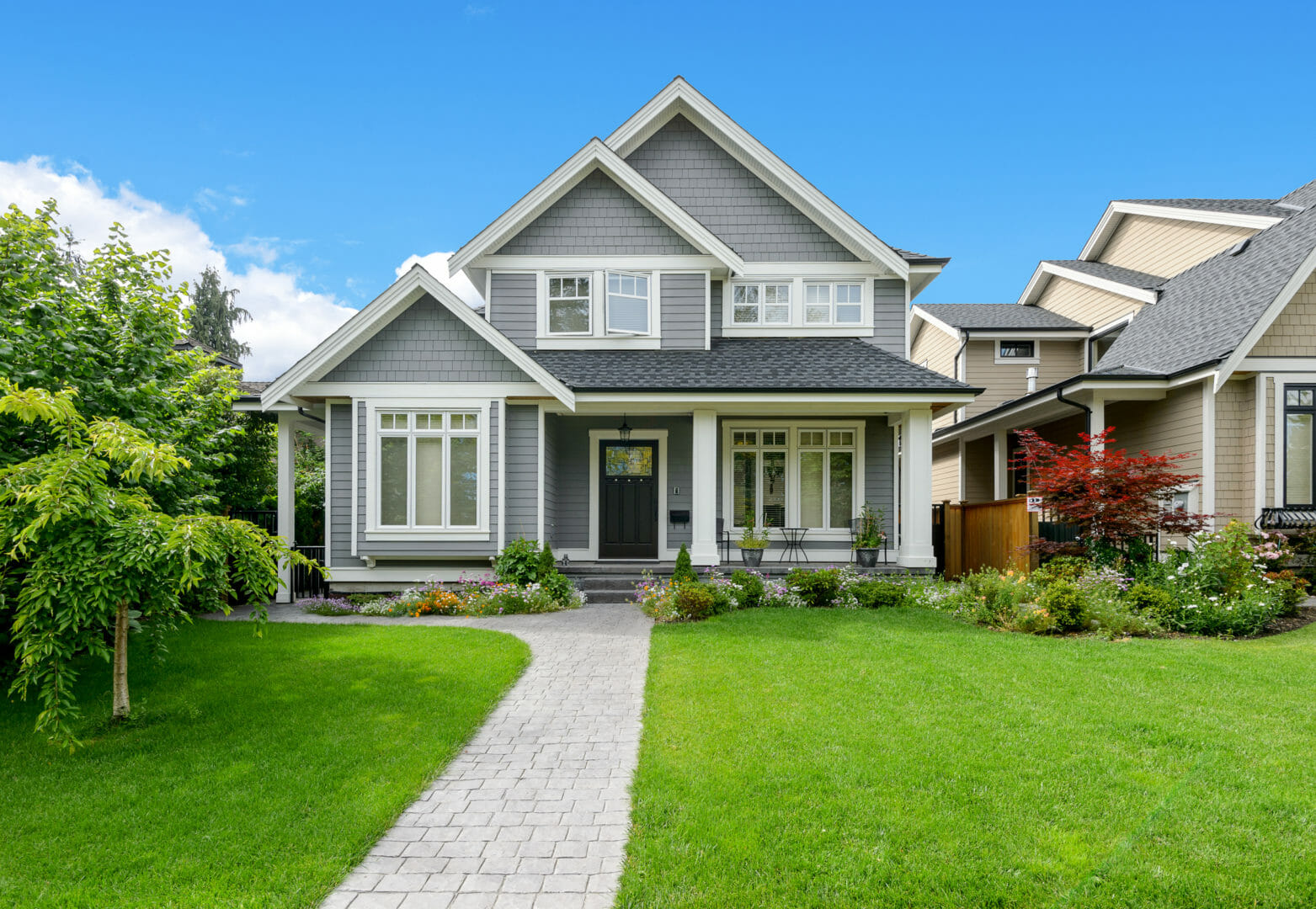
Sidings are more than just your house’s first line of defense against the elements. Having the right siding will give your home its signature aesthetic and increase its overall curb appeal.   

However, choosing what kind of siding to go for is not a simple task. In this article, we’ll make things easier by guiding you through the different types of siding you can install in your home.

Different Types of Siding
Wood

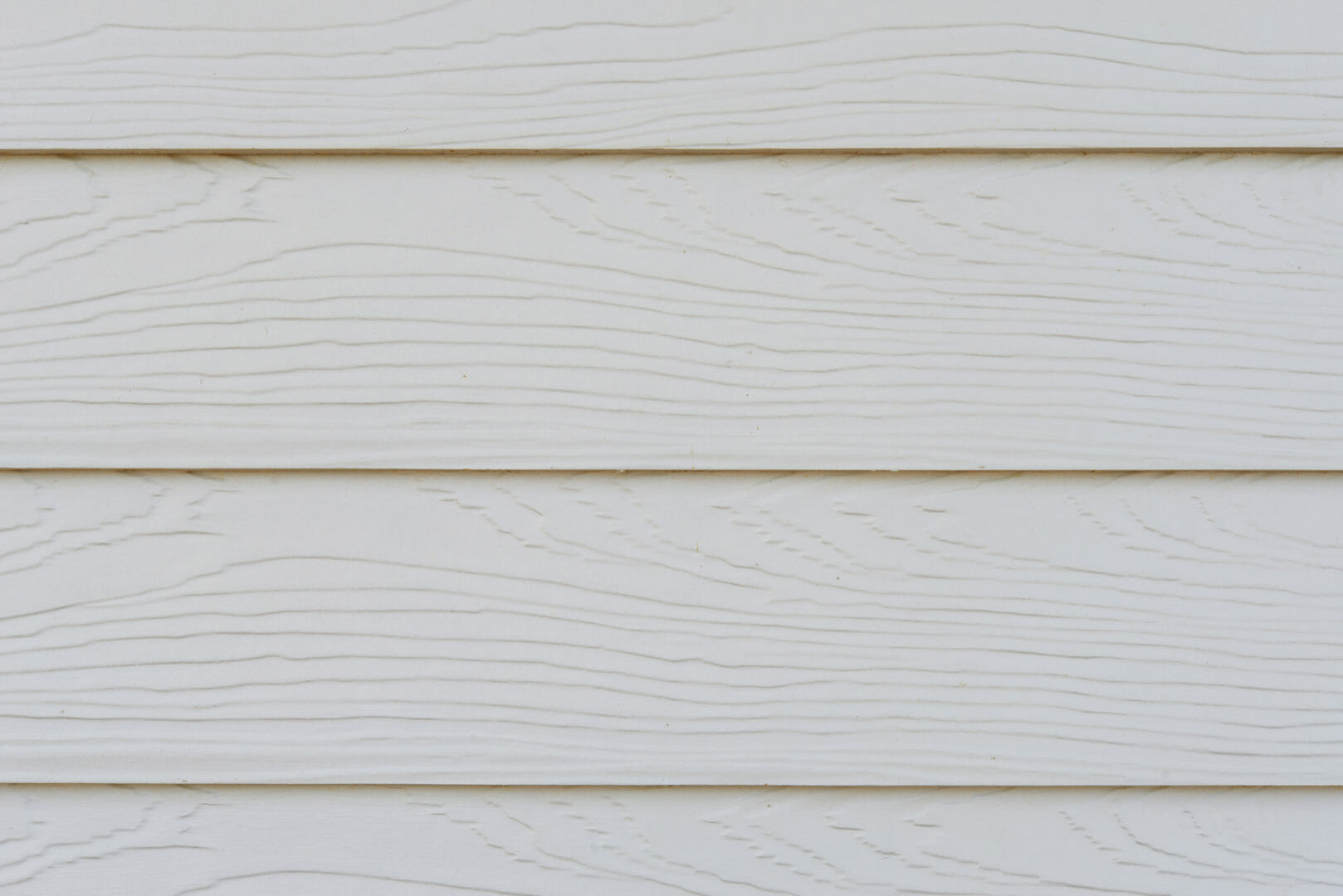
Wood, one of the oldest siding options, is a popular choice for many homeowners. It’s a very versatile product that can be painted or stained. It comes in different forms, like shingles and vertical boards. A well-maintained wood siding can last for 20 to 40 years before being replaced. 

Pros: 

  • Very light and easy to install
  • Offers a traditional and classic look
  • An eco-friendly option (wood manufacturing is natural and non-toxic)
  • Highly customizable 

Cons: 

  • Requires frequent refurbishment every few years
  • Easily damaged by water and insects
  • Very combustible and not fire-resistant 

Wood siding usually costs $2 to $6 per square foot. You can expect to spend between $2300 and $7000 for an average family home. 

Vinyl   

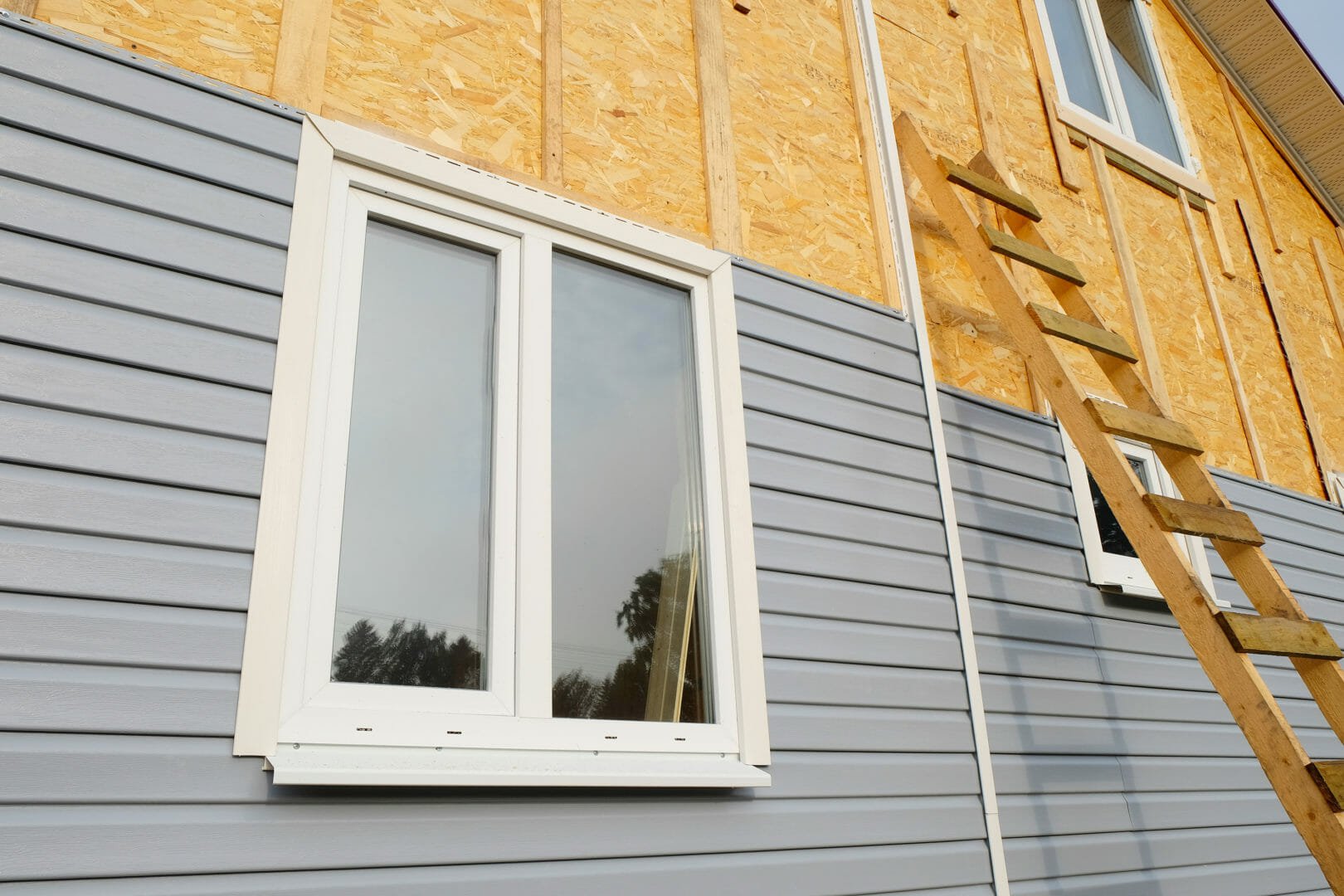
Vinyl siding is another popular option in the United States. You can often see it as a form of plastic siding in small homes or apartments. It’s practically weatherproof and works well in heavy rain or strong storms. It also comes in a variety of colors that are aesthetically pleasing. 

Pros: 

  • Very low-maintenance
  • Made from polyvinyl chloride (PVC), making it fire resistant
  • Can be customized into different designs 

Cons: 

  • Prone to mold growth if not installed with a waterproof seal
  • It is not waterproof, only water-resistant
  • Prone to dents and small damage
  • Sometimes bends due to extreme weather conditions 

Vinyl is an inexpensive siding that costs $5 per square foot. Installation can fetch you between $6,150 and $15,900 for a typical single-family home. 

Fiber Cement 

If you’re looking for something longer-lasting, fiber cement siding is a fantastic option. Fiber cement is a mixture of wood, sand, and cement. It has the look and feel of wood but offers more durability. 

Fiber cement siding will be valuable for homeowners who live in areas with intense climate conditions. It withstands harsh weather, strong winds, and hail. 

Pros: 

  • Highly durable in harsh weather
  • Not prone to rot, insects, or decay. It is also corrosion-resistant
  • Fiber cement has a class 1A fire rating, meaning it’s fireproof
  • Low-maintenance and has a life span of 30 to 40 years 

Cons: 

  • One of the most expensive siding options to install
  • Absorbs moisture and water that causes swelling or crumbling
  • Not energy efficient 

Fiber cement siding costs $5 to $9 per square foot. However, installation requires a significant amount of expert manpower, so expect to pay more for labor. 

Fiber cement siding can go up to $13,000 to $22,000 for an average two-story house. 
Polymer Shakes

Polymer shake siding and vinyl siding are often referred to interchangeably. That’s because they’re both essentially made of plastic. The difference is vinyl is made of PVC, while polymer siding is made from polypropylene resin. 

Polymer siding is usually used to mimic the texture and patterns of cedar shakes to give an authentic wooden look. 

Pros: 

  • Highly durable and impact-resistant
  • Very customizable. It’s made of flexible plastic that is easy to mold and shape
  • Polymer sidings are eco-friendly and entirely recyclable
  • Low-maintenance and doesn’t require regular upkeep 

Cons: 

  • Installation is difficult and requires professional assistance
  • More expensive than its vinyl counterpart 

Depending on your supplier, polymer shakes can cost around $6 per square foot. For a 2000-square-foot home, the possible cost ranges from $11,000 to $15,000. 

Other Siding Options 

If you want to look at other materials aside from the common ones above, these other siding options are worth considering: 

  • Metal: It is strong and durable and requires less or no maintenance after being installed. It is pest-resistant and fireproof. However, it offers little insulation and no soundproofing. 
  • Stucco: It is a unique siding material made from a mix of cement and sand. It’s durable and resistant to most knocks and impact, as well as heat and cold. However, stucco is susceptible to water or moisture damage, causing it to become soggy and weak over time. 
  • Manufactured Wood: This kind of siding almost perfectly mimics real wood. Unfortunately, it easily succumbs to mold and mildew. 
  • Brick: This is a classic and timeless material. It’s eco-friendly, low-maintenance, fireproof, and weather-resistant. However, it is the most expensive option. A 2000- square-foot home can net you between $8,900 and $25,000 in materials alone. 

Choosing Your Siding Material

Knowing the types of home sidings available is an important part of the selection process, but understanding how they work and what they’re made of will give you further insight into how to use them. 

Climate is a very important factor in choosing your next house siding. Some sidings work best in cold climates, while others adapt perfectly in warmer places. 

For Cold Climates 

Cold and harsh winters force exterior sidings to handle cold temperatures reaching below zero. As a result, the wrong siding could expand or warp, causing it to lose shape. This may bring cracks that invite moisture and create gaps for mold and mildew to develop. 

Here are some of the types of sidings that work well in cold climates: 

  • Fiber Cement Siding: It withstands extreme weather conditions. It is sturdy and durable enough not to warp or crack during cold-to-hot-temperature cycles. 
  • Wood Siding: It suits winter climates well and insulates the house in hot and cold weather. However, it requires constant maintenance. A well-maintained wood siding is best for cold climates.    

For Warm Climates 

It’s no surprise that fiber cement also works as well in hotter climates as it does in colder ones. 

If you live in a generally warm state or city, it’s important to choose a roof siding that will help keep your indoors cool and withstand the harsh effects of UV exposure. 

  • Vinyl Siding: This is a popular choice for many homes in warmer climates due to its ability to keep the heat out and preserve cool temperatures indoors. It can also withstand extremely high temperatures and doesn’t easily ignite. 
  • Wood Siding: This is a very good insulator, so it works amazingly well in preventing cold or warm air from escaping. Wood siding is a better insulator than vinyl. 
  • Fiber Cement Siding: It’s no surprise that fiber cement also works as well in hot climates as it does in cold ones. Its material naturally adjusts to the temperature. It doesn’t absorb water as wood does, and it can outlive vinyl. 

For Wet and Humid Climates 

Moisture is a very destructive element when it comes to siding. Excessive dampness and moisture from wet or humid climates can damage exterior walls, ruin insulation, and cause mold. 

If you live in places with higher-than-average rainfall or humidity, these are the siding types you may want to consider. 

  • Vinyl Siding: Vinyl is the first choice of many homes that get lots of precipitation and storms. It’s a good option if you want to weatherproof your home. It doesn’t absorb moisture and easily sheds rain. In addition, a well-installed vinyl can resist winds generated by hurricanes. 
  • Polymer Shakes Siding: Polymer siding may be expensive, but it’s an improved version of vinyl. It offers all the advantages of vinyl siding plus added durability and damage resistance.

Which Siding Works Well in Maryland?    

If you are currently living in Maryland, you know that the state experiences a relatively mild climate throughout the year. The best types of siding for your area are: 

  1. Vinyl
  2. Polymer Shakes
  3. Fiber Cement 

Vinyl and polymer should work well in the mild climate of Maryland. They provide the right amount of protection from occasional rainfall and wind. Meanwhile, fiber cement is an all-around type of siding that can protect your home in any weather. 

All three sidings are capable of preventing mold or fungus growth that destroys many homes in the state. They also all withstand the occasional extreme weather brought by storms. 

These three kinds of siding are available from reputable siding contractors in Maryland. G.H. Clark Contractors provides different kinds of siding and other home improvement products like roofs, windows and doors, gutter systems, and decking.

Bottom Line
Siding is more than just an effective way of improving your house. It’s also a necessary safety feature and a wise investment in your home’s value. By knowing and understanding the benefits and flaws of each siding, you can choose the best siding replacement for your house. 

If you want to know more about the many ways you can modernize your home, get in touch with G.H. Clark Contractors. We’ll be happy to discuss your remodeling plans.
roofing repair

7 Signs You Need to Hire a Roofer in Annapolis

Your roof has been a loyal member of your family for years now. You would like for it to stick around for many years more but you’ve been seeing quite a few broken and missing shingles lately. Not to mention that there’s water leaking into your attic.

If you’d contacted a roofer in Annapolis before things got too bad, you may have been able to keep your roof in good shape. Part of taking care of your roof is regular maintenance after all.

It can be expensive but having to replace an entire roof is a much larger hit to the wallet. Keep reading for a few signs that it’s time to call a contractor.

1. Your Shingles are Damaged

Check the condition of your shingles on a regular basis. If you live in a hot area, look for curled shingles. This is a common occurrence when shingles are old or are exposed to a lot of heat.

Once they begin curling up, they can easily be whisked away by even mild winds. Check your gutters for granules. Missing granules leave your shingles exposed to the elements which make them prone to breakage.

The last thing you need to look out for is buckling shingles. Buckling is common for aging rooftops. It makes the shingles vulnerable to high winds and bad ice storms.

2. Water is Leaking into Your Home or Attic

If the metal flashing or rubber seals on your roof take any kind of heavy damage, water may start to leak into your home or attic. If this is happening you may spot water stains on your ceiling and walls.

If you have an attic, head up there during the day and turn off all the lights. If you see any sunlight leaking through that means it’s time to start making a roof repair budget.

If left unchecked mold will begin to form which will lead to horrible medical consequences for your family. The water damage may even begin to affect the overall structure of your house.

3. Moss is Growing

Heavy amounts of moss growth on your roof isn’t normal. If you have copper strips under your shingles or you have algae-resistant shingles you don’t have to worry about this problem.

If you don’t have these precautions in place the wooden boards that are resting under the shingles will begin to rot and spout moss.

As the moss grows, it will cause your shingles to rise up. Water will seep beneath the shingles which will result in horrible roof damage. So, as soon as you notice moss growth, you need to call a roofing contractor to fix the problem.

4. The Roof is Sagging

There are many things on this list that can be fixed by calling an experienced contractor. Roof sagging is not one of those things. A sagging roof means that there is no structural support in a large area of your roof.

Rotting Sheathings can also cause the problem. Either way, if you don’t have the entire thing replaced soon, your roof may begin to cave in on you and your family.

If you suspect that your roof might be sagging it’s important that you call out a trained professional to confirm your suspicions ASAP and begin the process of putting on a new roof.

5. The Humidity Levels in Your Home are Unbearable

Does your home constantly feel hot and humid? It could be that you have a lot of moisture leaking into your house from your roof.

This moisture can discolor your walls, create nasty water stains, and cause mold to grow. If you’re not sure if your roof is the source of your humidity problem, check your attic insulation.

If the moisture has leaked into the insulation then there is something up with your roof. Call a roofer in Annapolis and ask them to find the source of the moisture and make repairs.

6. Your Roof Has Lived Long Enough

There comes a time when your roof is simply too old to stay around for much longer. If you spot dark streaks on the shingles or your neighbors are beginning to replace their rooftops it may be time for you to think about how old your roof is.

If it’s been around for 25 years or longer, that’s too long. You’ll need to call someone to replace it or it will be vulnerable to rain, snow, and other bad weather. Don’t wait until it’s too late.

7. There’s a Lot of Light Entering Your Attic

After a long time, the materials your roof is made out of may start to grow pretty thin. to check if this is the case for you, go to your attic. If you see streaks of light or if things seem a little too bright then it might be time for you to reach out to a contractor.

As a little side note, you can perform this test at night too. Flip the light switch in your attic and see if any light passes through your roof.

Why You Should Hire a Roofer in Annapolis ASAP

No matter how faithful your roof is, at some point, it will begin to show its age. If you start to notice any of the signs listed here, it’s time for you to find a roofer in Annapolis to either make repairs or replace the entire roof for the safety and health of your family.

Are you not sure if your roof needs repairs? It’s better to be safe than sorry. Contact us today for a no-pressure estimate on our services.

Copper

What Is the Most Durable Type of Roof? (The Answer Will Surprise You!)

[et_pb_section fb_built=”1″ admin_label=”section” _builder_version=”4.16″ global_colors_info=”{}” theme_builder_area=”post_content”][et_pb_row admin_label=”row” _builder_version=”4.16″ background_size=”initial” background_position=”top_left” background_repeat=”repeat” global_colors_info=”{}” theme_builder_area=”post_content”][et_pb_column type=”4_4″ _builder_version=”4.16″ custom_padding=”|||” global_colors_info=”{}” custom_padding__hover=”|||” theme_builder_area=”post_content”][et_pb_text admin_label=”Text” _builder_version=”4.16″ background_size=”initial” background_position=”top_left” background_repeat=”repeat” global_colors_info=”{}” theme_builder_area=”post_content”]

When deciding what material to use for roofing, you should always give the most attention to one factor: durability. You want a roof that will stand the test of time, one that will provide your house for the coverage it will need throughout its lifespan. Cheaply-manufactured materials aren’t going to offer that guarantee.

Durability doesn’t just refer to how long the roofing material will last when left alone, though. You also have to factor in other benefits and features. Is the material energy-efficient? Will it prevent leaks and mold? Is it prone to weather damage?

Which Type of Roof Is the Most Durable?

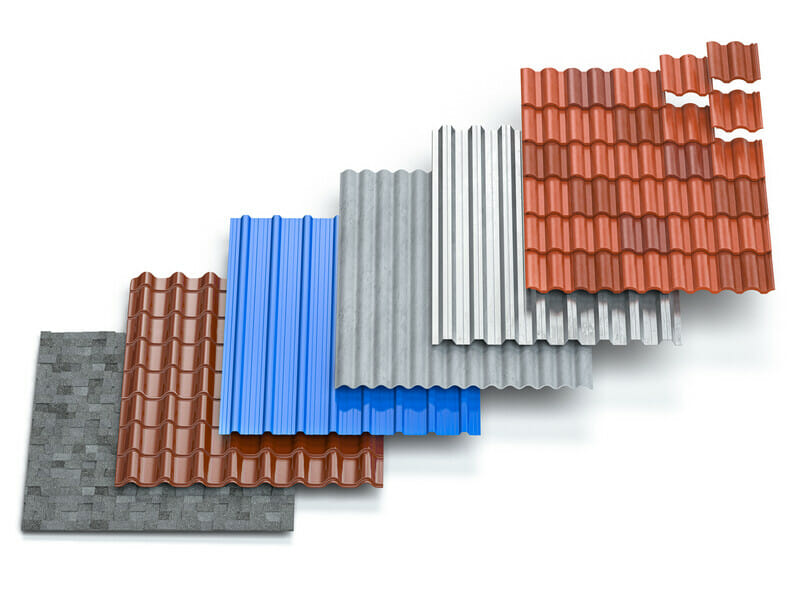
Taking all of this information into consideration, one material stands well above the rest. For the modern homeowner, the most durable roofs around are made from metal alloys. Usually, these alloys are blends of steel and/or aluminum, but copper and zinc aren’t uncommon.

Metal Roofing

For those of you who aren’t very familiar with roofing, this probably comes as a huge surprise. Sheet metal isn’t exactly a brand new invention. It isn’t all that fancy, either. It is, however, incredibly durable.

On average, metal roofs last up to 50 years. This is much longer than most homeowners will stay in one location, ensuring that the roof stands firm for multiple tenants.

Metal roofs are also one of the greener options available. Metal is famous for its heat conductivity, meaning that a metal roof will provide better insulation than most other options. Once the roof meets the end of its lifecycle, you’ll also find it very easy to have the sheets recycled.

Flat Roofs

Flat roofs employ a rubber or polymer sealant to protect the material from chemical, environmental, and ultraviolet damage. Flat roofs are generally placed in a category of their own, but they can be combined with the metal roofing option to increase your home’s durability. Best of all, the pigmentation for these sealants tends to reflect heat, which improves insulation while keeping your home cool throughout the summer.

Other Durable Roof Options

If metal roofing isn’t an option in your area, you still have several options available. They aren’t all as durable or cost-effective as metal, but they’ll definitely do in a pinch.

Asphalt Shingles

If you don’t have a lot of money to play with, asphalt shingles are your best bet. Even the best-rated roofers in the business charge no more than $5.00 per square foot, making asphalt shingles hands-down the most cost-effective solution on the market. Bear in mind that you get what you pay for, though. On average, asphalt shingles last only 20 years max, and that’s assuming you live in an area that doesn’t see a lot of weather fluctuation throughout the year.

You could also use architectural shingles. These are versions of asphalt shingles with a slightly longer lifespan (and a slightly larger price point because of it). While run-of-the-mill asphalt shingles tend to wear away after two decades, architectural shingles can last up to three.

Plastic Polymer Roofing

Metal polymers aren’t the only roofing materials flooding the market. You can also get plastic polymer roofing.

Like anything made of plastic, plastic polymer roofing is durable, flexible, and readily accessible. It can easily be carved into any configuration, making it the perfect option for roofs with unique slopes and shapes. It can also be painted, pigmented, or otherwise colorized to look however you want it to. Best of all, it can last for up to 50 years, even through hail damage and other serious weather conditions.

However, there is one significant difference between plastic polymer roofing and the rest of the world of plastic: it’s usually much more expensive than the other options for shingles.

Slate Shingles

Finally, if you’re looking for something really fancy to deck the top of your house with, you may want to consider slate shingles.

At surface level, slate shingles are the best option for roofing. Their natural appearance invokes imagery of classic English cottages or ancient Roman villas. They’re completely fireproof, which only metal roofs can accurately claim. Plus, they can last for up to 120 years (triple that of metal roofing, our top pick).

That estimated lifetime has some caveats, though. Despite their stony appearance (and the fact that they are, in fact, made of actual stone), slate shingles are prone to breakage. Whether you’re facing severe weather conditions, falling limbs, or rowdy squirrels and birds, it won’t take much to damage a slate shingle. Likewise, because of their configuration, once one shingle cracks, the rest quickly follow suit.

Breakdown

  • Asphalt Shingles (15-30 years) –    Cheapest, susceptible to weather damage
  • Metal Roofing (40-60 years) – Second cheapest, very durable, low maintenance, energy-efficient
  • Plastic Polymer Roofing (50+ years) – Energy efficient, lots of appearance options, much more expensive than asphalt or metal
  • Slate Shingles (100 years) – Highest overall durability, most expensive, easy to crack and dislocate

Ready to Upgrade Your Roof?

Like every great renovation project, you should always start from the top down when it comes to your home. That means starting with the best roofing materials.

If you live in Calvert County or Anne Arundel County in Maryland, contact G.H. Clark. We have all your roofing needs, from traditional asphalt shingles to the best quality metal roofing around.

[/et_pb_text][/et_pb_column][/et_pb_row][/et_pb_section]
Real Roofing Results 9 Types of Roofing Systems You Should Know About

Real Roofing Results: 9 Types of Roofing Systems You Should Know About

The roof is one of the most underrated parts of a home, and yet, one among the few investments that can actually pay for itself. It has evolved steadily for decades, where thatched and tin roofs were the most popular, to the shingles and asphalt roofs we have now. When building a new home, or remodeling an old one, choosing the right roof type can be a daunting task.

There is so much more to a roof than just protecting your home from the elements. For instance, the shape of the roof you choose will play a major role in defining the overall look of your home. There are several types of roofing systems to choose from the market, and the choice you make will determine the resilience, weatherproof, and overall energy efficiency of your home.

So, what are the different types of roofing systems? In this post, we’ll be looking at 9 of the most popular types of roofing systems. This definitive guide will help you understand and pick the best roofing style for your home, garage, or place of business.

1. Butterfly Roofs

Butterfly roofs are some of the most modern types of roofing systems. They are a V-shaped roof with two tandem pieces that meet in the middle. The outer parts of the roof are angled upwards, while the inner parts meet to create a valley between them, creating a butterfly look.

These types of roofing systems are popular for eco-friendly, tropical, and modern home designs. The angle of the roofs make it possible to add more windows to the house, allowing more natural light in, which results in lower lighting bills. Even better, you can collect rainwater in the middle of the roof, and you can incorporate solar panels if you want to use renewable energy.

On the downside, it’s more expensive, given the design and maintenance may be high as well to avoid leaking in the long run.

2. Sawtooth Roofs

The sawtooth roofing system is also among the top modern roofing systems in the market. It involves two, sometimes more, pitched parallel roofs where the vertical and sloped surfaces alternate. If you look at the roof, you’ll note that it resembles the side view of a saw, which suggested the name. They were mostly used in commercial buildings in the past, but they look incredible in modern homes.

One of the best parts of this type of roofing system is that you can add a loft or opt for vaulted ceilings. Even better, you can take advantage of renewable energy and utilize solar panels, radiant heating, or geothermal systems. On the downside, though, this type of roof can be very expensive and may not be suitable for heavy snow areas.

3. Curved Roofs

Curved roofs are also getting more common with modern homes, and they provide a creative and unique roofing solution. The curve can highly vary from a curve to an arch, and it gives a very beautiful roof design. You can opt to have the curved roof cover the whole house or just sections of it, and the best part is that you can have it customized to your desires or your region.

4. Pyramid Roofs

This type of roofing system is almost like a hip roof because all the four sides of the roof come to one point at the top. It features no gables or vertical sides and is mostly used on smaller homes like bungalows or cabins.

One of the best things about pyramid roofs is that they are resistant to high winds, making them an excellent choice for high wind or hurricane-prone areas. Beyond that, you can have an attic or high ceiling with this type of roof, and with the hanging eaves, you can be assured of lower energy bills.

5. Combination Roofs

As the name suggests, combination roofs are a combination of various roofing types and designs on the same structure. For instance, it would be easy to incorporate a hip roof, gable roof, and skillion roof on one house, but in different areas. This design adds to the esthetic interests of the house, and you can use the best type of roof for all parts of your home.

On the downside, this type of roofing system can also be expensive because more designs translate to more roofing materials and higher labor costs.

6. The Gable Roof

Gable roofs, also known as peaked or pitched roofs, are among the most popular types of roofing systems. You can easily recognize them by the triangle shape, and they are a great option because they shed both water and snow very easily. They also provide space for a vaulted ceiling or an attic and more ventilation.

There are several types of gable roofs — side gable, crossed gable, front gable, and Dutch gable roofs. All these are a little different from each other in design.

7. Hip Roofs

Hip roofs are also quite common in the US. They have slopes on four sides, which are all equal in length and come together to form a ridge.

Hip roofs are an excellent choice for both snowy and high-wind areas, and the inward slope on the four sides makes them more durable and sturdy than gable roofs. There are several types of hip roofs as well, which are simple hip, half-hipped, and cross hipped.

8. The Gambrel Roof

Also known as the barn roof, the gambrel roof has two different slopes. The lower side of the roof has a steep, almost vertical slope, while the upper slope tends to be lower. Gambrel roofs are more common with Georgian style and Dutch Colonial homes, but they are also used in log cabins, farmhouses, and barns.

Gambrel roofs are a great choice if you want extra living space like a loft, an attic, or a garret. This type of roofing system is quite affordable because only two roof beams are required, and the construction is simple. It’s, however, not recommended for high wind or snowfall areas as the open design may cave under pressure.

9. The Skillion Roof

The skillion is also the shed or lean-to roof, which is usually a single, sloping roof attached to the taller wall. It’s more of an angled flat roof, or a half pitched roof. These types of roofing systems are mostly used for porches, sheds, and other home additions.

You may find them in some modern homes as well. They are affordable, easy to construct, and are an excellent choice for snow and rain areas. They are not suitable for high-wind areas, though, and when used in a home, the ceiling may be too low.

Make Your Choice From These Types of Roofing Systems

There you have it! These are some of the most common types of roofing systems and you can choose either one for your home depending on where you live, and your desires.

If you want to know more about different types of roofs and roofing materials, kindly reach out to us for assistance.

7 Tips for Choosing Roofing Material for Homes in Annapolis, MD

7 Tips for Choosing Roofing Material for Homes in Annapolis, MD

There are at least 12 different roofing materials you can choose from if you are getting a new roof. That’s a lot of different options to choose from, and you want to find the one that will be the best for your home.

When it comes to choosing roofing material, there are many different things you need to consider.

Read on for seven tips to make this process easier.

1. How Long the Roofing Material Will Last

It doesn’t matter if you plan on staying in your home for as long as you live or if you plan on moving as soon as your family starts growing. You want to make sure that your roof will last as long as you are there.

There may be 12 different roofing materials to choose from, but they aren’t all created equally. For example, when it comes to different types of roof shingles, asphalt shingles are the most common roofing material used on houses today. They are cost-effective and can last for up to 20 years.

Slate is fire and waterproof and can resist mold growth. It can also last for up to 100 years, but it’s expensive and heavy. It can also be fragile and break if stepped on.

Wood shingles will look really good on your home and can last up to 60 years, but they can be expensive. They also aren’t a good choice if you live in an area that has a lot of moisture or where wildfires are an issue.

2. How Well the Roofing Material Will Stand up Against Natural Elements

No matter where you live, you want to make sure that your roof will be able to withstand any adverse weather conditions that might occur.

Should you live in an area that experiences a lot of high winds or is susceptible to fires, then it might be a good idea to stay away from roofing materials made from asphalt or wood. If the wind gets under the shingles, it can easily lift them up and cause a lot of damage to your roof. Wood is also incredibly flammable.

Metal roofs can be a great all-around option that can withstand a wide range of weather conditions, including high winds, heavy rains, and hail. The downside is that it can also get incredibly noisy when it’s being pelted by moisture or other debris.

Green roofs might be a great option when it comes to various weather conditions. These are roofs that use plants to protect the top of your home. They are really good at keeping your home cool, and they can also absorb a lot of moisture.

The downside is that they can be incredibly heavy, and if they get saturated with moisture, this can add to the weight.

3. The Roofing Material Features

When it comes to choosing roofing materials, you need to realize that each one comes with its own set of features. For example, synthetic roofing products can be highly resistant to water damage. The material can also be incredibly lightweight and durable.

Clay tiles are incredibly energy efficient and do an amazing job of keeping your house cool in the summer and warm in the winter. Adding these to your roof can help you save on your utility bills.

Knowing what each roofing material option has to offer can help you find the one that’s right for your home. Since there are so many to choose from, talking to a professional can be beneficial.

4. What Material Will Complement Your House’s Style

In addition to knowing what features the roofing material comes with, you also want to choose a material that will complement your house’s style.

For example, if you live in a Victorian home and you want to keep it looking as authentic as possible, then you probably won’t want to add solar panels to the roof.

Spanish-style homes look really good with clay tiles, and a Craftsman-style house might look the best with a plastic polymer roof or wood shingles.

In addition to finding the right roofing material from your home, you’ll also need to consider the color options for the material you want. Wood shingles can be stained or painted, but they don’t necessarily come in a wide range of color options.

Asphalt shingles can be found in a variety of different colors, so if you’re looking for a color that will add something extra to your house, then this might be the roofing material you’re looking for.

5. What Kind of Warranty the Roofing Material Comes With

Most roofs come with two warranties: the service warranty and the material warranty. Make sure to ask about them both.

The material warranty is offered by the roof’s manufacturer, and it can last anywhere from 20 to 50 years—depending on the type of material you get.

6. Your Roof’s Structure

The slope of your roof will also determine the type of roofing material you can and should add to your home.

If you have a flat roof, then you should really consider getting a metal roof since this material does a great job of getting rid of water and snow.

Should the roof of your home be steeper than normal, than using clay tiles might be the best option.

To ensure you are getting the right material for your roof’s structure, you should work with a professional. They’ll be able to let you know what will work best to make your house look good and protect the structure.

7. Your Budget

Probably the biggest factor that will determine what type of material you get will be the cost of roofing.

A new roof can be incredibly expensive, and you want to make sure you are spending your hard-earned money wisely. The average price of a new roof ranges from $5,000 to $30,000 or more depending on the material you get. Once you determine a budget, you can then find the material that will work for you.

Call a Professional for Help Choosing Roofing Material

When it comes to choosing roofing material, a professional has the skills and expertise to find the roof that will work for your home.

At C.H. Clark Contractors, we will help you find the roofing material that will work for the slope of your roof and your house type. We will even consider your color preferences. Contact us today to get the roof that is ideal for your home!

7 Amazing Things You Didn't Know About House Siding

7 Amazing Things You Didn’t Know About House Siding

It is estimated that there will be 1.5 million new homes built this year.

Many new homes and old homes alike benefit from house siding. Siding protects the structure by providing another layer of defense against the elements.

Vinyl is the most common form of house siding in use in the United States. Vinyl siding has been popular since the late 1950s when it came out to replace aluminum siding. Long-lasting and cost-effective, vinyl siding has maintained its popularity for decades.

Facts About House Siding

If you’re thinking of buying a new house or improving an existing dwelling, then siding is something you should consider. Not only does siding improve the value of a home and property, but it is also very pleasing to the eye. A sided house always looks newer than a house that doesn’t have house siding.

In light of how popular siding is, you may be surprised at some of the facts about it. Here are seven awesome facts about home siding that you may not have known.

1. Vinyl Siding Is Durable 

Unlike painted structural walls, vinyl siding won’t warp, bend or corrode. Vinyl can even survive hail impacts, high temperatures, and punishing winds. This reliable durability has long been a source of comfort for homeowners who want to have a nice looking home without constant repairs.

Unlike other siding materials, like wood, vinyl is not prone to rotting or retaining moisture. All of these benefits combine to make not only the siding more durable, but your house as well. This makes it clear why so many people have chosen vinyl siding over other materials.

2. Vinyl Isn’t the Only Modern Siding Material

For many years, vinyl has reigned supreme as the best material for siding. Modern materials, such as fiber cement and polymers, have helped equalize the field. If you choose either cement or polymer siding, you can expect durability and long-lasting protection.

Despite the recent surge in popularity, fiber cement siding was created before vinyl siding. In areas where fires are common, it is a very popular choice and became common in the United States during the 1980s.

3. Polymer Siding Is Versatile

When you look at a house, the siding may not be what it appears. Wood siding has a lot of issues that make it less attractive for modern homeowners. Polymer siding, however, can be made to look like almost anything.

This means that polymer shake siding can mimic other materials for artistic choice. You can have a house that looks like it has red cedar siding, but in reality, it is a polymer sided house. This versatility means that polymer siding is a great choice for anyone who wants their house to have a unique appearance.

4. Siding Increases Insulation

Insulation is measured by R-value. Plywood, studs, windows all have an R-value already, and adding siding increases that value.

It is like layering blankets or clothing on a cool day. The more you put on, the more resistance to the outside temperature and environment your house will have.

The benefit is that you will see a reduction in the cost of heating and cooling your home. Anything you can do to increase energy efficiency will also lower the carbon footprint of your house. Siding is amazing in that it looks great, is durable, and helps create less pollution.

5. Resistant to Termites and Other Pests

A lot of people don’t realize that having a non-natural material siding your house will help keep away pests. Termites are drawn to areas that have food and water sources available, so wood serves both functions as it also traps water.

When you put a non-porous artificial material like vinyl, polymer, or cement on your house, it is far less appetizing. The toughness of these materials is also a contributing factor, making it harder for pests to get through the walls.

6. Protection and Even Repair

Houses have damage that grows over time. This is often due to water damage around windows or roof joints. When you side a house, a lot of this damage is shored up and thus will not continue to get worse. You have the potential to save yourself quite a bit of money in the long term.

It also helps that most contractors who put on siding know a thing or two about houses. G. H. Clark contractors, for instance, take care of a huge array of home improvements and repairs. That means you can draw upon the vast knowledge of your contractor to help you with any problem.

7. Siding Is a Cheap Long-Term Investment

While the initial cost of house siding may seem high, the reality is that over time you will more than make back your money. If you don’t use siding, you can expect that you will have to have the house painted every few years, and that alone will add up to more than the siding.

Offsetting the cost of siding is the improvement to the house’s energy efficiency. You save money every month after you have siding installed. These benefits never stop, and some siding will last 50 years or more. If you consider that, the initial cost is very low.

It also helps to improve the value of your property. If you’re going to be selling your home, you will get back part a large percentage of your investment. This means that you can live cheaper, spend way less on maintenance, and improve the value of your home all with one step.

Your House, Your Choice

House siding comes in an unbelievable array of colors, styles, and designs. Whatever your style and desire is, there will be a siding that fits in with your vision. Your house will stand out from those around it because of the bold colors and patterns, or just the clean lines of your house siding.

Save money every month after you install your siding and increase the value of your property. Limit your risk and potentially costly repairs by having your house sided. G. H. Clark services any home within the Annapolis area or in Southern Maryland.

Contact us if you have any questions or want more information.

8 Common Roofing Problems And How to Fix Them

8 Common Roofing Problems (And How to Fix Them!)

When was the last time you checked the condition of your roof? You’d be surprised at the number of people that neglect their roofs until it’s too late and they have problems they can no longer ignore.

Your roof protects not just one of your major investments, but you and your family as well.

No matter how durable it was during installation, after years of the scorching sun, and raging storms, it’s bound to have weaknesses, and wear and tear. It’s advisable to inspect your roof on a regular basis to avoid major roofing problems later on.

You’d be surprised at the kind of damage a small leak could do if undetected.

So, to avoid this, and many other roof problems, we’ll share with you some common roof problems and how you can fix them.

1. Roof Leaks

Roof leaks are probably the single most common roofing problems plaguing most homeowners. The leaks could be a result of many roof issues, such as broken shingles.

Mostly, you’ll find leaks near the chimney, around gutters, at flashing points, and close to vents or pipes.

The leak is usually located several feet away from the penetration, and the best way to track by checking the attic. Go to the attic with a flashlight and check for water stains, mold, or black marks.

If it’s a vaulted ceiling and you can’t get to the attic, you can only see the issue on the roof. The best way to fix it is having a professional roofer take care of it.

2. Damaged Flashing

Flashing is a material made of plastic or sheet metal and is used to protect creases on fixtures such as skylights or chimneys.

Flashing is also used to preserve venting pipes under your roofing materials. If this flashing material cracks or becomes loose, the fixtures become vulnerable to water and moisture.

Inspect all the areas with flashing and if you detect any of it cracked, replace it with a new one.

You may need to remove some of the surrounding materials, such as the shingles for both removal and installation. If you can’t do this, then a roofing contractor can help.

3. Broken or Missing Shingles

If the sealant attaching your shingles wears off, it tends to loosen and break or come off completely. The sealant may be damaged by force of nature, rodents, or wear and tear.

Depending on the age of your roof, shingles may start tearing off, which should be expected.

This is an easy problem to fix because all you have to do is replace the shingle. Some stores even sell single shingles if that’s what you need, or you can get a box and replace several that seem to cause problems. If you’re a handyman, you can replace the shingles yourself.

4. Granules Clogging Downspouts

When the roof is relatively new, you may notice some granules that may have fallen during installation. However, if your roof is relatively old and you see granules in your downspout, then it’s a sign that your shingles are getting weak and may need to be replaced.

Granules are an essential part of the roof because they protect it from UV rays, and once they fall off, the shingles are vulnerable and start to crack.

One of the first signs of falling granules is clogging in the gutters. Unless of course, you have so much debris such as leaves and twigs blocking your gutters, chances are they are granules, and you need to have them replaced.

5. Stagnant or Pooling Water

If your gutters are clogged and the piles of debris on the roof catch water, the moisture collects and forms stagnant or pooling water, which can damage your roof.

Standing water quickly turns into mold or mildew, which eats away the roofing material, causing roofing problems.

If you have a flat roof, you should be concerned about stagnant water. The solution here is to create tapered areas over the surface, which allow the water to run off. Having a professional contractor check on your roof regularly will help you avoid long-term problems.

6. Freezing Damages

If you live in an area where your roof is continuously exposed to ice and snow, then it has a reduced life expectancy. Roofing problems are most common during cold weather.

The thing is when ice water melts, it doesn’t run off fast enough since it melts at a slow rate. This can pass as stagnant water which penetrates underneath the roof and causes issues.

Even worse, during cold weather, the water that gets underneath can also freeze when temperatures drop.

When water freezes, it expands and pushes against the shingles, which leaves an opening that lets even more water in. By the time warm weather comes along, you have so many roofing problems.

Preventing this may not be easy since you can’t avoid the weather, but you should check on the roof regularly before damages are too far gone.

7. Tree Damage

One of the most common roof problems homeowners face is damage from falling branches.

You may think that only large branches would damage your roof, but when smaller branches come in contact with your roof and rub against it for a prolonged period, they erode the top layer of the roof.

The solution here is to trim your tree branches when they reach the roof.

If the tree poses a serious threat, then cut it down and replant a tree somewhere else more so when you live in an area prone to winds and storms.

8. Damaged Roofing Materials

These could be anything from shingles, tiles, nails, sealants among others.

Nature is a major contributing factor to a deteriorating roof, and the best solution here is regular maintenance. Some of the issues need to be caught fast before they cause other severe problems.

For instance, holes can lead to moisture seeping in the roof and causing damage. Shrinking roofing materials can crack and deteriorate, and the flashing could be pulled apart.

Schedule a maintenance check with a roofing contractor so they can detect these issues before they escalate.

Take Action for Roofing Problems Before It’s Too Late!

These are some of the most common roofing problems and solutions that help you maintain your roof.

The best solution is to have them repaired before they cause significant issues. Have you noticed a leak that you don’t know how to fix?

Do you feel like this is a great time to have a roof maintenance check? Maybe you have several roofing problems you want solved. Kindly get in touch with us and our professional contractors will be of service.

doors in Prince Frederick

The Right Door: A Guide to Choosing the Perfect Door for Your Home in Calvert County

Doors, especially front doors, serve as the central focal point for your home. It doesn’t matter how well you keep your lawn manicured, how often you clean the windows or the age of your roof. If you ignore your exterior doors long enough, they’ll end up detracting from the curb appeal of your home.

Investing in a new door makes your home look more attractive but it also adds value to your home. New doors can transform the exterior of your home, but how do you choose?

Read our guide to selecting the perfect door. Whether you’re considering a new front door, patio door, or your home needs a fresh set of storm doors, you’ll find a range of helpful tips in today’s post.

Common Types of Doors

Front doors, side doors, back doors, and garage doors. They don’t look identical but they share the same function.

Doors separate one space from another. Whether a door provides secure passage from the garage to the kitchen, or it shields the inside of your home from the rest of the world, its primary function remains the same.

What’s unique about doors is the materials manufacturers use to construct them. Generally, you’ll have 3 options when it comes to door materials.

Wood

If you’re going for the high-end look enjoyed by many homes in Calvert County, consider a wood door. Wood doors do need a little extra TLC (routine paint or varnish) but solid wood does a great job of resisting the wear and tear caused by weather and daily use.

Steel

Not as expensive as wood doors but still resistant to the elements, steel doors offer security and energy efficiency. You won’t need to paint them regularly but if they get a dent, you will need to paint promptly. Speaking of dents, steel doors are more susceptible to dents and scratches, meaning extra repair jobs over the lifetime of the door.

Fiberglass

Savvy homeowners like fiberglass doors because they’re practical. They hold up against weather better than steel, aren’t prone to dents, and don’t need a huge amount of maintenance. With their moderate price and high level of durability, fiberglass doors often make the most sense when looking for door replacements.

Now that you know a little more about the 3 most common types of doors, we’ll share a few tips on choosing specific doors for your home, starting with the front entryway door.

Life Begins at the Front Door

Since the front door not only welcomes people to your home, it protects you and your family, you’ll want to take extra care when choosing a replacement.

Start by thinking about your style and the design of your home. For a traditional-style home, you may enjoy the classic look offered by the wood-paneled door. As we’ve already mentioned, you’ll pay more for a wood door than either steel or fiberglass.

If you like the look of stained wood but prefer a more affordable door, consider fiberglass for your entryway. You’ll start with the basic door and can personalize the panel style, add decorative glass, and you can customize even more by painting the door in your favorite color.

Pay close attention to the size of your entryway. Front doors come in standard sizes meaning if you buy from a home improvement store, you’re limited to an 80” x 36” door. If you have a larger entry or have other non-standard design elements, you’ll need a larger door.

Consider professional installation for your entryway door. A door company will offer a range of sizes and their installation expertise, which always results in less stress for you.

The Perfect Patio Door

Another area where you can customize your door buying experience is the patio. Patio doors create the transition from your indoor living space to the great outdoors. A patio door offers security but also floods your living space with plenty of natural light.

Most homeowners choose vinyl sliding patio doors. Vinyl doors require minimum maintenance and make a durable, safe door solution. Vinyl sliders work well in any climate and under the harshest weather conditions.

You can also buy wood, fiberglass, or aluminum patio doors. Before making your final decision about the materials you prefer for your sliding doors, consult with your door company and go over things like cost, durability, and maintenance as you’ll find significant differences between each type of material.

If you’re interested in a more customized door option, consider swinging patio doors. Swinging doors are available in 3 styles:

  • French
  • Garden
  • Center-Hinged

If you enjoy a touch of elegance, choose French doors. For a contemporary look, center-hinged and garden patio doors operate with one fixed panel.

Shelter from the Storm Doors

If you haven’t installed storm doors at your home, you’re missing out on fresh air and the opportunity to protect your exterior doors from both weather and normal wear and tear. A storm door also helps with energy efficiency during both the heating and cooling seasons.

Choosing the ideal storm doors starts with knowing the difference between storm doors and screen doors. It’s not uncommon to hear the two terms thrown around for both but there’s a difference between the two.

The only purpose for a screen door is letting light and fresh in while keeping bugs out. Although most storm doors do have a screen, they also have glass panels, which remain closed during inclement weather.

You’ll have the option of vinyl-clad, steel-clad, or aluminum storm doors. These doors are also available in full-view and half-view models.

Like regular entry doors, storm doors come in different sizes. You can also install them for either right or left side opening.

Keep in mind, unlike entry doors, storm doors aren’t pre-hung. They come unassembled in the box meaning it’s up to you to put them together before installation. Some don’t come with the handleset.

Need Help Selecting Replacement Doors?

Whether you’re looking for front doors, patio doors, or doors to help you weather the rain, ice, and snow common for residents in Calvert County, don’t let the process of choosing the perfect door overwhelm you. Reading this guide is a great start, but you’ll likely have questions before you make your final decision.

We’re here to help you work through replacement door selection. Our specialists can help clarify details about the various types of doors that work best for homes in your area. Contact us today for a free estimate!

7 Reasons You Need to Waterproof Your Deck Now

7 Reasons You Need to Waterproof Your Deck Now!

As a homeowner, you should be protecting your home’s interior and exterior.

Water damage can leave you struggling to pay for expensive repairs. On average, homeowners pay thousands of dollars to fix water damage. If you don’t get started before the next storm hits, you could be left scrambling to cover the costs of fixing the problems.

You can start protecting your exterior from harmful weather conditions with professional services. Keep reading for deck waterproofing 101. Here are 7 reasons you need to waterproof your deck now.

1. Extend Life of Joists and Beams

Moisture trapped between joists, beams, and the deck can result in structural problems for your deck. This issue can lead to decay and wood rot. Prolonged exposure to water and leaves stuck in the decking can worsen the problem.

Compromised structural integrity heightens the risk of injury or even death. You can protect deck structures from water damage by hiring a professional to flash the joists and beams. This will protect it from water damage, seal the decking screws, and provide a barrier between materials.

2. Increase Durability

When you choose to maintain your property with deck waterproofing, you’ll increase its durability. This can result in a longer lifespan for your deck without having to maintain it as often. When your deck is more durable, it’s safer for those around you.

Waterproofing your deck is a smart way to increase durability. It will save you from extensive repairs later and help you maintain a safe property. This should be a top priority for homeowners, including you.

3. Protect From Weather

When a storm rolls in, you have a higher risk of your deck becoming damaged. If the wood boards are splintered, cracked, warped, soft and spongy, this can be a real structural risk. It means you’re likely experiencing wood rot due to a lack of waterproofing.

If you’re trying to make it to the sunny weather without investing in deck waterproofing, you should know there are risks involved with waiting. The longer you hold off, the higher risk you have of mold and mildew. Not to mention, UV rays are harmful to your home as well.

4. Improve Property’s Aesthetic

Constructing your deck to be waterproof is more crucial than any other property aesthetic. A rotting and damaged deck can make your property look cheaper and unsafe. Not only is it displeasing to the eye, but it shows a clear risk of using the deck excessively.

You didn’t choose to have a deck to let it go to waste, and you don’t have to. Deck waterproofing is a smart way to enhance the property’s aesthetics and safety. This investment will save you money in the long run.

5. Reduce Repairs and Maintenance

When you properly maintain your deck, you’ll limit the need for repairs. After a professional comes out to waterproof your deck, you’ll be able to perform a quick sweep and cleaning a few times a year. Without it, you may be forced to maintain your deck before and after every storm.

The coating used for deck waterproofing will make it look nice without additional effort on your end. Instead of performing annual maintenance, you can focus on other areas of your property.

6. Limit Leaks

Hiring a professional will limit the number of leaks you’re forced to deal with. An expert contractor will know how to install the deck to remove water. This will prevent leaks from creating mold and rot in between materials.

Not only does hiring a professional prevent leaks in the deck, but it will protect your home from water entering your home’s structure.

7. Decrease Slips and Falls

When your deck gets wet, it gets slippery and increases the risk of slips and falls. Injuries from deck structural issues are more common than you think. The U.S. Consumer Product Safety Commission (CPSC) estimated that there were 4,600 ER visits associated with decks collapsing between 2001-16.

You can reduce your risk of injury and death by properly waterproofing your deck. If you don’t act fast and someone else gets hurt, you could be held liable. Save yourself the stress of a lawsuit and hospital bills by investing in a safer home.

Warning Signs to Watch For

There are warning signs that show it’s the time for deck waterproofing. A few of the areas you should keep an eye on are the deck connectors, railings, missing pieces, and wood board issues. If you notice rust or other issues near deck connectors, this can be a warning that water’s making its way in.

If you see that a piece of the deck is detaching, you will need to repair this immediately. Warning signs are proof that the deck’s structural integrity is at risk and is no longer safe. By acting fast and hiring a professional to get it done right, you’ll reduce your chances of further problems.

Deck Waterproofing Professionals

DIY isn’t going to fly when it comes to deck waterproofing. If you want to reap the full benefits of this smart investment, you need a professional to get the job done right. A contractor can give you the best results and lower your risks of future problems.

You don’t have to go far to find someone who can get the job done right the first time. Our contractors are experts in creating a stronger exterior. You can contact us today to learn more about deck waterproofing.

Protect Your Home Today

As a homeowner, you should want your deck to last. Structural issues are dangerous and expensive to repair. Now that you know deck waterproofing 101, you can use these 7 reasons to waterproof your deck before it’s too late.

Living in Calvert County or Anne Arundel County in Maryland, you have access to the best contractors available. Our experts are ready to help you protect your home and avoid costly repairs. If you liked what you read here and want to learn more, explore our blog for the top property advice.

How to Find the Best Window Companies in Annapolis

How to Find the Best Window Companies in Annapolis

[et_pb_section fb_built=”1″ admin_label=”section” _builder_version=”4.16″ global_colors_info=”{}”][et_pb_row admin_label=”row” _builder_version=”4.16″ background_size=”initial” background_position=”top_left” background_repeat=”repeat” global_colors_info=”{}”][et_pb_column type=”4_4″ _builder_version=”4.16″ custom_padding=”|||” global_colors_info=”{}” custom_padding__hover=”|||”][et_pb_text admin_label=”Text” _builder_version=”4.16″ background_size=”initial” background_position=”top_left” background_repeat=”repeat” global_colors_info=”{}”]

Have your windows bitten the proverbial dust? Ready to make a change? If so, you’re advised to utilize the services of a reputable window company.

The question is: how do you find such a company? It’s fairly simple. All you have to do is follow steps.

Without further ado, here is how to find the best window companies in Annapolis, Maryland.

Create a Pool of Candidates

The first thing you’ll want to do when looking for a window company is to create a pool of candidates. You can find candidates for this pool through a number of means, including:

Finding Them on Search Engines

The easiest way to find candidates for your pool is to look them up on search engines such as Google. All you have to do is type in a phrase like “window companies in Annapolis”. Upon hitting search, a list of viable companies will appear, all of which will contain star ratings between 0 and 5.

Our advice is to write down the names of all companies with 4+ star ratings. Companies with lower than 4-star ratings likely provide inconsistent service and are likely not worth your time.

Asking Your Acquaintances

Another way to find candidates for your pool is to ask your acquaintances. Maybe your brother recently utilized the services of a window company and was satisfied with their work? Perhaps your co-worker knows of a reputable window company?

This is not a surefire way to find good candidates but it can help to fatten up your pool. And in the end, the more viable candidates you have to choose from, the better.

Compare Candidates

Once you’ve established a candidate pool, you need to start comparing different candidates against one another. When doing so, you need to focus on the following characteristics.

Experience

The first characteristic you should consider is the characteristic of experience. Generally speaking, the more experienced a company is, the higher the level of service it will provide.

At a minimum, your chosen company should have 2 years of experience under its belt. A company that has carried a 4+ online star rating for 2 or more years has proven its ability to provide consistent and high-quality service. Companies with less than 2 years of experience, however, are likely still trying to find their footing.

Certification

The next characteristic to look out for is certification. Not only should your window company be licensed with the state of Maryland and the city of Annapolis, but it should also hold certification as an installer of the windows that it provides.

For instance, if your window installer installs ProVia windows, it should have a ProVia installer certification. This type of certification is obtained after having passed designated tests. It’s an indication that its holder is able to install said windows in a proper and efficient manner.

Insurance

Not only must you consider certification, but insurance as well. Should you hire a company that’s not insured, you could end up being held legally liable for damages that it commits to your property. You could also be held liable for injuries that the company’s employees suffer on your property.

There are two types of insurance that you should inquire about: general liability insurance and workers’ compensation insurance. General liability insurance covers damages to your property while workers’ compensation insurance covers injuries to workers.

When inquiring about insurance, ask to see official proof. If a company won’t show you official proof, you shouldn’t utilize its services.

Suppliers

Most window installation companies have deals with select suppliers, essentially guaranteeing that they’ll provide those installers’ windows to their clients. As the client, you need to find a company whose suppliers are of high quality.

Read up on the world’s top window manufacturers and assess the candidates in your pool to determine whether they install their windows. If your candidates don’t, they should be dropped from your pool. If they do, they should remain.

Some of the biggest names in the window manufacturing industry include ProVia, Viwinco, Pella, and Marvin. However, there are a variety of other high-quality manufacturers out there as well.

Reputation

Perhaps the most important thing to consider about your prospective window company is its reputation. If a company has a good reputation, it likely provides high-quality service. If it has a bad reputation, it likely provides bad service.

The question you might have is: how do you assess a window company’s reputation? The answer is to use Google, or Yelp, or Facebook, or some other online review site. These sites are filled with reviews from past customers of companies, helping to paint a picture of each company’s reputation.

By scouring these sites, you can pick up on common complaints, common praises, and other pertinent information. This information can be vital in deciding which companies are and aren’t worth your time.

Rates

The last characteristic you’ll want to compare is the company’s rates. Based on experience levels and reputation, different companies will charge different rates for their services. Whereas one company might install a window for $250, another may charge $350, for instance.

Your goal is to find a company whose rates are affordable for you, but which aren’t so cheap so as to indicate below-average service. In other words, you should focus on the companies whose rates are somewhere in the middle. Unless, of course, you have substantial amounts of disposable income, in which case, the world is your oyster.

Ready to Hire One of the Best Window Companies in Annapolis?

If you’re looking for one of the best window companies in Annapolis, you needn’t look any further. G.H. Clark Contractors have you covered.

Offering a wide variety of windows with a wide variety of capabilities, we’re equipped to suit all of your window needs. Our team is ready to help you.

Contact us today for a free, no-hassle estimate!

[/et_pb_text][/et_pb_column][/et_pb_row][/et_pb_section]