roofing repair

7 Signs You Need to Hire a Roofer in Annapolis

Your roof has been a loyal member of your family for years now. You would like for it to stick around for many years more but you’ve been seeing quite a few broken and missing shingles lately. Not to mention that there’s water leaking into your attic.

If you’d contacted a roofer in Annapolis before things got too bad, you may have been able to keep your roof in good shape. Part of taking care of your roof is regular maintenance after all.

It can be expensive but having to replace an entire roof is a much larger hit to the wallet. Keep reading for a few signs that it’s time to call a contractor.

1. Your Shingles are Damaged

Check the condition of your shingles on a regular basis. If you live in a hot area, look for curled shingles. This is a common occurrence when shingles are old or are exposed to a lot of heat.

Once they begin curling up, they can easily be whisked away by even mild winds. Check your gutters for granules. Missing granules leave your shingles exposed to the elements which make them prone to breakage.

The last thing you need to look out for is buckling shingles. Buckling is common for aging rooftops. It makes the shingles vulnerable to high winds and bad ice storms.

2. Water is Leaking into Your Home or Attic

If the metal flashing or rubber seals on your roof take any kind of heavy damage, water may start to leak into your home or attic. If this is happening you may spot water stains on your ceiling and walls.

If you have an attic, head up there during the day and turn off all the lights. If you see any sunlight leaking through that means it’s time to start making a roof repair budget.

If left unchecked mold will begin to form which will lead to horrible medical consequences for your family. The water damage may even begin to affect the overall structure of your house.

3. Moss is Growing

Heavy amounts of moss growth on your roof isn’t normal. If you have copper strips under your shingles or you have algae-resistant shingles you don’t have to worry about this problem.

If you don’t have these precautions in place the wooden boards that are resting under the shingles will begin to rot and spout moss.

As the moss grows, it will cause your shingles to rise up. Water will seep beneath the shingles which will result in horrible roof damage. So, as soon as you notice moss growth, you need to call a roofing contractor to fix the problem.

4. The Roof is Sagging

There are many things on this list that can be fixed by calling an experienced contractor. Roof sagging is not one of those things. A sagging roof means that there is no structural support in a large area of your roof.

Rotting Sheathings can also cause the problem. Either way, if you don’t have the entire thing replaced soon, your roof may begin to cave in on you and your family.

If you suspect that your roof might be sagging it’s important that you call out a trained professional to confirm your suspicions ASAP and begin the process of putting on a new roof.

5. The Humidity Levels in Your Home are Unbearable

Does your home constantly feel hot and humid? It could be that you have a lot of moisture leaking into your house from your roof.

This moisture can discolor your walls, create nasty water stains, and cause mold to grow. If you’re not sure if your roof is the source of your humidity problem, check your attic insulation.

If the moisture has leaked into the insulation then there is something up with your roof. Call a roofer in Annapolis and ask them to find the source of the moisture and make repairs.

6. Your Roof Has Lived Long Enough

There comes a time when your roof is simply too old to stay around for much longer. If you spot dark streaks on the shingles or your neighbors are beginning to replace their rooftops it may be time for you to think about how old your roof is.

If it’s been around for 25 years or longer, that’s too long. You’ll need to call someone to replace it or it will be vulnerable to rain, snow, and other bad weather. Don’t wait until it’s too late.

7. There’s a Lot of Light Entering Your Attic

After a long time, the materials your roof is made out of may start to grow pretty thin. to check if this is the case for you, go to your attic. If you see streaks of light or if things seem a little too bright then it might be time for you to reach out to a contractor.

As a little side note, you can perform this test at night too. Flip the light switch in your attic and see if any light passes through your roof.

Why You Should Hire a Roofer in Annapolis ASAP

No matter how faithful your roof is, at some point, it will begin to show its age. If you start to notice any of the signs listed here, it’s time for you to find a roofer in Annapolis to either make repairs or replace the entire roof for the safety and health of your family.

Are you not sure if your roof needs repairs? It’s better to be safe than sorry. Contact us today for a no-pressure estimate on our services.
Copper

What Is the Most Durable Type of Roof? (The Answer Will Surprise You!)

[et_pb_section fb_built=”1″ admin_label=”section” _builder_version=”4.16″ global_colors_info=”{}” theme_builder_area=”post_content”][et_pb_row admin_label=”row” _builder_version=”4.16″ background_size=”initial” background_position=”top_left” background_repeat=”repeat” global_colors_info=”{}” theme_builder_area=”post_content”][et_pb_column type=”4_4″ _builder_version=”4.16″ custom_padding=”|||” global_colors_info=”{}” custom_padding__hover=”|||” theme_builder_area=”post_content”][et_pb_text admin_label=”Text” _builder_version=”4.16″ background_size=”initial” background_position=”top_left” background_repeat=”repeat” global_colors_info=”{}” theme_builder_area=”post_content”]

When deciding what material to use for roofing, you should always give the most attention to one factor: durability. You want a roof that will stand the test of time, one that will provide your house for the coverage it will need throughout its lifespan. Cheaply-manufactured materials aren’t going to offer that guarantee.

Durability doesn’t just refer to how long the roofing material will last when left alone, though. You also have to factor in other benefits and features. Is the material energy-efficient? Will it prevent leaks and mold? Is it prone to weather damage?

Which Type of Roof Is the Most Durable?

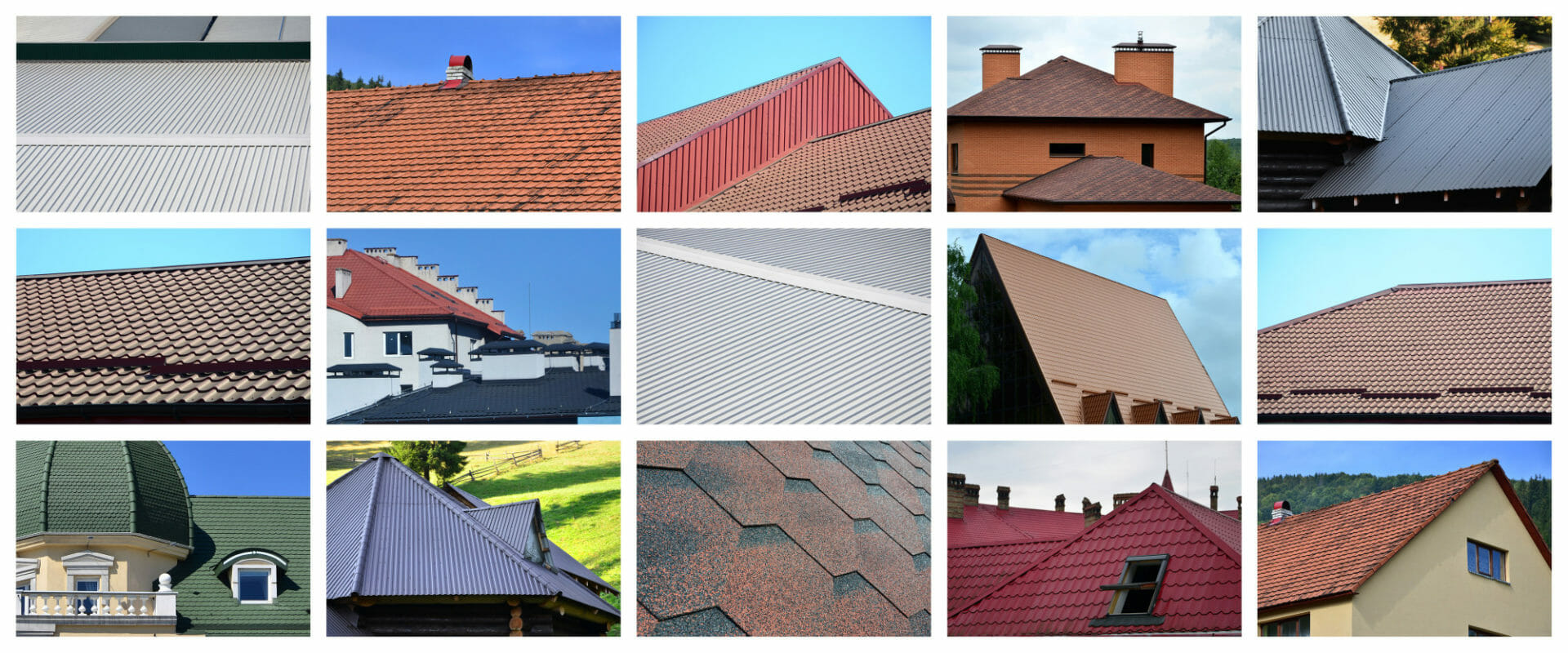
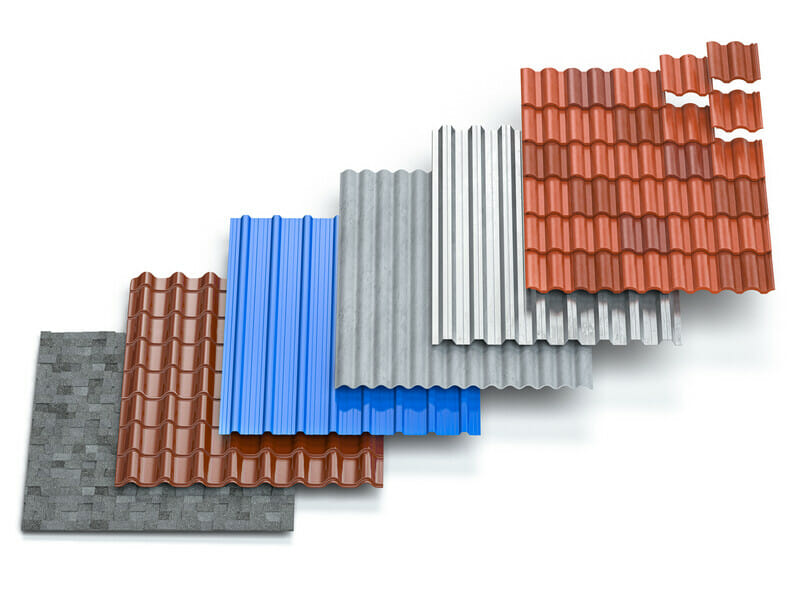
Taking all of this information into consideration, one material stands well above the rest. For the modern homeowner, the most durable roofs around are made from metal alloys. Usually, these alloys are blends of steel and/or aluminum, but copper and zinc aren’t uncommon.

Metal Roofing

For those of you who aren’t very familiar with roofing, this probably comes as a huge surprise. Sheet metal isn’t exactly a brand new invention. It isn’t all that fancy, either. It is, however, incredibly durable.

On average, metal roofs last up to 50 years. This is much longer than most homeowners will stay in one location, ensuring that the roof stands firm for multiple tenants.

Metal roofs are also one of the greener options available. Metal is famous for its heat conductivity, meaning that a metal roof will provide better insulation than most other options. Once the roof meets the end of its lifecycle, you’ll also find it very easy to have the sheets recycled.

Flat Roofs

Flat roofs employ a rubber or polymer sealant to protect the material from chemical, environmental, and ultraviolet damage. Flat roofs are generally placed in a category of their own, but they can be combined with the metal roofing option to increase your home’s durability. Best of all, the pigmentation for these sealants tends to reflect heat, which improves insulation while keeping your home cool throughout the summer.

Other Durable Roof Options

If metal roofing isn’t an option in your area, you still have several options available. They aren’t all as durable or cost-effective as metal, but they’ll definitely do in a pinch.

Asphalt Shingles

If you don’t have a lot of money to play with, asphalt shingles are your best bet. Even the best-rated roofers in the business charge no more than $5.00 per square foot, making asphalt shingles hands-down the most cost-effective solution on the market. Bear in mind that you get what you pay for, though. On average, asphalt shingles last only 20 years max, and that’s assuming you live in an area that doesn’t see a lot of weather fluctuation throughout the year.

You could also use architectural shingles. These are versions of asphalt shingles with a slightly longer lifespan (and a slightly larger price point because of it). While run-of-the-mill asphalt shingles tend to wear away after two decades, architectural shingles can last up to three.

Plastic Polymer Roofing

Metal polymers aren’t the only roofing materials flooding the market. You can also get plastic polymer roofing.

Like anything made of plastic, plastic polymer roofing is durable, flexible, and readily accessible. It can easily be carved into any configuration, making it the perfect option for roofs with unique slopes and shapes. It can also be painted, pigmented, or otherwise colorized to look however you want it to. Best of all, it can last for up to 50 years, even through hail damage and other serious weather conditions.

However, there is one significant difference between plastic polymer roofing and the rest of the world of plastic: it’s usually much more expensive than the other options for shingles.

Slate Shingles

Finally, if you’re looking for something really fancy to deck the top of your house with, you may want to consider slate shingles.

At surface level, slate shingles are the best option for roofing. Their natural appearance invokes imagery of classic English cottages or ancient Roman villas. They’re completely fireproof, which only metal roofs can accurately claim. Plus, they can last for up to 120 years (triple that of metal roofing, our top pick).

That estimated lifetime has some caveats, though. Despite their stony appearance (and the fact that they are, in fact, made of actual stone), slate shingles are prone to breakage. Whether you’re facing severe weather conditions, falling limbs, or rowdy squirrels and birds, it won’t take much to damage a slate shingle. Likewise, because of their configuration, once one shingle cracks, the rest quickly follow suit.

Breakdown

  • Asphalt Shingles (15-30 years) –    Cheapest, susceptible to weather damage
  • Metal Roofing (40-60 years) – Second cheapest, very durable, low maintenance, energy-efficient
  • Plastic Polymer Roofing (50+ years) – Energy efficient, lots of appearance options, much more expensive than asphalt or metal
  • Slate Shingles (100 years) – Highest overall durability, most expensive, easy to crack and dislocate

Ready to Upgrade Your Roof?

Like every great renovation project, you should always start from the top down when it comes to your home. That means starting with the best roofing materials.

If you live in Calvert County or Anne Arundel County in Maryland, contact G.H. Clark. We have all your roofing needs, from traditional asphalt shingles to the best quality metal roofing around.

[/et_pb_text][/et_pb_column][/et_pb_row][/et_pb_section]
Real Roofing Results 9 Types of Roofing Systems You Should Know About

Real Roofing Results: 9 Types of Roofing Systems You Should Know About

The roof is one of the most underrated parts of a home, and yet, one among the few investments that can actually pay for itself. It has evolved steadily for decades, where thatched and tin roofs were the most popular, to the shingles and asphalt roofs we have now. When building a new home, or remodeling an old one, choosing the right roof type can be a daunting task.

There is so much more to a roof than just protecting your home from the elements. For instance, the shape of the roof you choose will play a major role in defining the overall look of your home. There are several types of roofing systems to choose from the market, and the choice you make will determine the resilience, weatherproof, and overall energy efficiency of your home.

So, what are the different types of roofing systems? In this post, we’ll be looking at 9 of the most popular types of roofing systems. This definitive guide will help you understand and pick the best roofing style for your home, garage, or place of business.

1. Butterfly Roofs

Butterfly roofs are some of the most modern types of roofing systems. They are a V-shaped roof with two tandem pieces that meet in the middle. The outer parts of the roof are angled upwards, while the inner parts meet to create a valley between them, creating a butterfly look.

These types of roofing systems are popular for eco-friendly, tropical, and modern home designs. The angle of the roofs make it possible to add more windows to the house, allowing more natural light in, which results in lower lighting bills. Even better, you can collect rainwater in the middle of the roof, and you can incorporate solar panels if you want to use renewable energy.

On the downside, it’s more expensive, given the design and maintenance may be high as well to avoid leaking in the long run.

2. Sawtooth Roofs

The sawtooth roofing system is also among the top modern roofing systems in the market. It involves two, sometimes more, pitched parallel roofs where the vertical and sloped surfaces alternate. If you look at the roof, you’ll note that it resembles the side view of a saw, which suggested the name. They were mostly used in commercial buildings in the past, but they look incredible in modern homes.

One of the best parts of this type of roofing system is that you can add a loft or opt for vaulted ceilings. Even better, you can take advantage of renewable energy and utilize solar panels, radiant heating, or geothermal systems. On the downside, though, this type of roof can be very expensive and may not be suitable for heavy snow areas.

3. Curved Roofs

Curved roofs are also getting more common with modern homes, and they provide a creative and unique roofing solution. The curve can highly vary from a curve to an arch, and it gives a very beautiful roof design. You can opt to have the curved roof cover the whole house or just sections of it, and the best part is that you can have it customized to your desires or your region.

4. Pyramid Roofs

This type of roofing system is almost like a hip roof because all the four sides of the roof come to one point at the top. It features no gables or vertical sides and is mostly used on smaller homes like bungalows or cabins.

One of the best things about pyramid roofs is that they are resistant to high winds, making them an excellent choice for high wind or hurricane-prone areas. Beyond that, you can have an attic or high ceiling with this type of roof, and with the hanging eaves, you can be assured of lower energy bills.

5. Combination Roofs

As the name suggests, combination roofs are a combination of various roofing types and designs on the same structure. For instance, it would be easy to incorporate a hip roof, gable roof, and skillion roof on one house, but in different areas. This design adds to the esthetic interests of the house, and you can use the best type of roof for all parts of your home.

On the downside, this type of roofing system can also be expensive because more designs translate to more roofing materials and higher labor costs.

6. The Gable Roof

Gable roofs, also known as peaked or pitched roofs, are among the most popular types of roofing systems. You can easily recognize them by the triangle shape, and they are a great option because they shed both water and snow very easily. They also provide space for a vaulted ceiling or an attic and more ventilation.

There are several types of gable roofs — side gable, crossed gable, front gable, and Dutch gable roofs. All these are a little different from each other in design.

7. Hip Roofs

Hip roofs are also quite common in the US. They have slopes on four sides, which are all equal in length and come together to form a ridge.

Hip roofs are an excellent choice for both snowy and high-wind areas, and the inward slope on the four sides makes them more durable and sturdy than gable roofs. There are several types of hip roofs as well, which are simple hip, half-hipped, and cross hipped.

8. The Gambrel Roof

Also known as the barn roof, the gambrel roof has two different slopes. The lower side of the roof has a steep, almost vertical slope, while the upper slope tends to be lower. Gambrel roofs are more common with Georgian style and Dutch Colonial homes, but they are also used in log cabins, farmhouses, and barns.

Gambrel roofs are a great choice if you want extra living space like a loft, an attic, or a garret. This type of roofing system is quite affordable because only two roof beams are required, and the construction is simple. It’s, however, not recommended for high wind or snowfall areas as the open design may cave under pressure.

9. The Skillion Roof

The skillion is also the shed or lean-to roof, which is usually a single, sloping roof attached to the taller wall. It’s more of an angled flat roof, or a half pitched roof. These types of roofing systems are mostly used for porches, sheds, and other home additions.

You may find them in some modern homes as well. They are affordable, easy to construct, and are an excellent choice for snow and rain areas. They are not suitable for high-wind areas, though, and when used in a home, the ceiling may be too low.

Make Your Choice From These Types of Roofing Systems

There you have it! These are some of the most common types of roofing systems and you can choose either one for your home depending on where you live, and your desires.

If you want to know more about different types of roofs and roofing materials, kindly reach out to us for assistance.

7 Tips for Choosing Roofing Material for Homes in Annapolis, MD

7 Tips for Choosing Roofing Material for Homes in Annapolis, MD

There are at least 12 different roofing materials you can choose from if you are getting a new roof. That’s a lot of different options to choose from, and you want to find the one that will be the best for your home.

When it comes to choosing roofing material, there are many different things you need to consider.

Read on for seven tips to make this process easier.

1. How Long the Roofing Material Will Last

It doesn’t matter if you plan on staying in your home for as long as you live or if you plan on moving as soon as your family starts growing. You want to make sure that your roof will last as long as you are there.

There may be 12 different roofing materials to choose from, but they aren’t all created equally. For example, when it comes to different types of roof shingles, asphalt shingles are the most common roofing material used on houses today. They are cost-effective and can last for up to 20 years.

Slate is fire and waterproof and can resist mold growth. It can also last for up to 100 years, but it’s expensive and heavy. It can also be fragile and break if stepped on.

Wood shingles will look really good on your home and can last up to 60 years, but they can be expensive. They also aren’t a good choice if you live in an area that has a lot of moisture or where wildfires are an issue.

2. How Well the Roofing Material Will Stand up Against Natural Elements

No matter where you live, you want to make sure that your roof will be able to withstand any adverse weather conditions that might occur.

Should you live in an area that experiences a lot of high winds or is susceptible to fires, then it might be a good idea to stay away from roofing materials made from asphalt or wood. If the wind gets under the shingles, it can easily lift them up and cause a lot of damage to your roof. Wood is also incredibly flammable.

Metal roofs can be a great all-around option that can withstand a wide range of weather conditions, including high winds, heavy rains, and hail. The downside is that it can also get incredibly noisy when it’s being pelted by moisture or other debris.

Green roofs might be a great option when it comes to various weather conditions. These are roofs that use plants to protect the top of your home. They are really good at keeping your home cool, and they can also absorb a lot of moisture.

The downside is that they can be incredibly heavy, and if they get saturated with moisture, this can add to the weight.

3. The Roofing Material Features

When it comes to choosing roofing materials, you need to realize that each one comes with its own set of features. For example, synthetic roofing products can be highly resistant to water damage. The material can also be incredibly lightweight and durable.

Clay tiles are incredibly energy efficient and do an amazing job of keeping your house cool in the summer and warm in the winter. Adding these to your roof can help you save on your utility bills.

Knowing what each roofing material option has to offer can help you find the one that’s right for your home. Since there are so many to choose from, talking to a professional can be beneficial.

4. What Material Will Complement Your House’s Style

In addition to knowing what features the roofing material comes with, you also want to choose a material that will complement your house’s style.

For example, if you live in a Victorian home and you want to keep it looking as authentic as possible, then you probably won’t want to add solar panels to the roof.

Spanish-style homes look really good with clay tiles, and a Craftsman-style house might look the best with a plastic polymer roof or wood shingles.

In addition to finding the right roofing material from your home, you’ll also need to consider the color options for the material you want. Wood shingles can be stained or painted, but they don’t necessarily come in a wide range of color options.

Asphalt shingles can be found in a variety of different colors, so if you’re looking for a color that will add something extra to your house, then this might be the roofing material you’re looking for.

5. What Kind of Warranty the Roofing Material Comes With

Most roofs come with two warranties: the service warranty and the material warranty. Make sure to ask about them both.

The material warranty is offered by the roof’s manufacturer, and it can last anywhere from 20 to 50 years—depending on the type of material you get.

6. Your Roof’s Structure

The slope of your roof will also determine the type of roofing material you can and should add to your home.

If you have a flat roof, then you should really consider getting a metal roof since this material does a great job of getting rid of water and snow.

Should the roof of your home be steeper than normal, than using clay tiles might be the best option.

To ensure you are getting the right material for your roof’s structure, you should work with a professional. They’ll be able to let you know what will work best to make your house look good and protect the structure.

7. Your Budget

Probably the biggest factor that will determine what type of material you get will be the cost of roofing.

A new roof can be incredibly expensive, and you want to make sure you are spending your hard-earned money wisely. The average price of a new roof ranges from $5,000 to $30,000 or more depending on the material you get. Once you determine a budget, you can then find the material that will work for you.

Call a Professional for Help Choosing Roofing Material

When it comes to choosing roofing material, a professional has the skills and expertise to find the roof that will work for your home.

At C.H. Clark Contractors, we will help you find the roofing material that will work for the slope of your roof and your house type. We will even consider your color preferences. Contact us today to get the roof that is ideal for your home!

9 Questions to Ask Roof Contractors in Southern Maryland

9 Questions to Ask Roof Contractors in Southern Maryland

[et_pb_section fb_built=”1″ admin_label=”section” _builder_version=”4.16″ global_colors_info=”{}” theme_builder_area=”post_content”][et_pb_row admin_label=”row” _builder_version=”4.16″ background_size=”initial” background_position=”top_left” background_repeat=”repeat” global_colors_info=”{}” theme_builder_area=”post_content”][et_pb_column type=”4_4″ _builder_version=”4.16″ custom_padding=”|||” global_colors_info=”{}” custom_padding__hover=”|||” theme_builder_area=”post_content”][et_pb_text admin_label=”Text” _builder_version=”4.16″ background_size=”initial” background_position=”top_left” background_repeat=”repeat” global_colors_info=”{}” theme_builder_area=”post_content”]

Replacing your roof is a significant expense: on average, a roof replacement costs between $5300 and $10,600. This is probably one of the most expensive home repairs you will make.

Before you hire an Annapolis company to replace your roof, you should do your research. Ask for recommendations from family and friends, read online reviews, and check their websites.

When it comes time to meet with roofing contractors, here are 9 questions you should ask each of them before you choose one.

1. Are You Licensed and Insured?

The first question you should ask any roofer, or verify on their website, is whether they are licensed and insured. Most roofing companies will include their state roofing license number on their website.

In addition to being licensed, you also want to make sure they are insured. At a minimum, they should have liability insurance, which protects your property if any damage happens during the replacement. It also will cover any injuries suffered by the roofing company employees.

The roofing company should also be able to provide you with an address and legal name for their company.

You absolutely should not hire a roofing contractor that is not insured or licensed or cannot provide this information.

2. How Will You Protect My Property?

Before installing a new roof, your roofing contractor will need to remove the old one. The shingles and other roofing materials will be dropped or tossed from the roof, so you’ll want to ask how they will protect your property.

Roofing also requires a lot of tools and other equipment. Verify where they will place those items and how they’ll protect your lawn, driveway, and landscaping. Ask if they will use ladder stabilizers to protect your gutters.

3. How Long Will It Take?

Most roof replacements can be done in a day or two unless there is an extensive amount of repair work that needs to be done. A roof replacement isn’t a quiet job, so if you work at home or have kids at home who need to nap, you might want to consider being out of the house while they are working.

4. Do You Offer a Warranty?

Typically, there are two different warranties when your roof is replaced. The roofing company will often provide a warranty for the actual work and the roofing material manufacturer will provide a warranty for the materials.

Since these are two different warranties, verify what is covered under each and how long the work and the roofing materials are covered under warranty.

5. What Does the Estimate Include?

Don’t agree to any work until a written estimate is provided. The estimate should provide a detailed breakdown of what will be included in the job, the deposit required, and what the price is of the various components of the job.

If there is anything unique about your roof, such as skylights or a complex design, that should be reflected in the estimate. You don’t want any surprises once the job begins.

Make sure the estimate includes any necessary local permits, removal of the old roof and disposal of the materials, and replacement of all components of a new roof (underlayment, shingles, eave drips, ventilation, exhaust vents, etc.).

6. Who Will Be On-Site During the Job?

There should be a foreman or project manager onsite throughout the duration of the job. You should know who will be on-site and who you should communicate with about anything that needs to be tweaked ora addressed.

7. What Will You Do in the Case of Inclement Weather?

Most roofers work year-round, so there needs to be considerations for inclement weather. If they start the job, remove your roof, and then get held up by rain, ask them what they will do to protect your home.

Will they tarp the roof? How will they protect your home and your belongings? What if there is a significant wind event? How will the ensure that your home will not be damaged while the roof is in progress?

8. Do You Use Subcontractors?

Subcontractors are considered independent contractors. They are not employees of the roofing company. Ask your roofing company if they use them, and if they do, whether they have their own liability insurance and workman’s comp insurance.

If they do use subcontractors, you’ll also want to know about their qualifications and how they will be monitored.

9. Do You Have References?

Getting recommendations from friends and family is always important, especially for an expenditure of this magnitude. In addition, check Google and other websites for reviews of the business.

You can also check the Better Business Bureau (BBB) in your state to see if there are any complaints, as roofing companies are one of the top 10 services that the BBB receives complaints about.

You can also ask the roofing company if they have any past customers that you can speak with. Ask if they have references that you can contact to learn more about their work and if they are satisfied.

Find Roofing Contractors You Can Trust

Finding a roofing contractor in Annapolis that you can trust is imperative. Since this likely to be one of the most expensive home repairs you will make, hiring someone that is trustworthy and does a quality job is extremely important.

Do your research, get recommendations and references, and make sure that you know who you are hiring.

At G.H. Clark, we can handle all of your Annapolis roofing needs. We can also replace windows, doors, siding, gutters, and decks and patios. Contact us today for a no-pressure quote and to learn more about how we can help you.

[/et_pb_text][/et_pb_column][/et_pb_row][/et_pb_section]
Important Tips on How to Choose Roof Color for Your House in Southern Maryland

6 Important Tips on How to Choose Roof Color for Your House in Southern Maryland

A roof provides protection for your home while enhancing its curb appeal. The right roof design can even boost the value of your property.

Different materials and designs come together to create a stylish yet functional roof. Yet, color is one of the most important architectural details to consider for your new roof.

So, what roof color is best for complementing your home’s unique style? Read on for 6 helpful tips for how to choose roof color palettes for your home.

1. Play off the Style and Size of Your Home

A shingle roof has a lifespan of 20 to 25 years on average. So, it’s important to choose a color that complements your home in a timeless and stylish way.

When deciding how to choose a roof color, start by taking a look at the current style of your home. Determine if you want to make a statement with your roof or have it blend in with existing design elements.

You can coordinate your roof with the color of your home’s siding, the front door, or shutters. Another option is to go with a color theme. Pairing a white house with black shutters and a black roof offers a classic style.

It helps to focus on colors that complement each other. A white, blue, or grey house works well with a darker roof, in black or grey. Tan, cream, and brown homes pair well with shingles in the same shades.

Bolder colored homes, like red or green, tend to work well with a larger variety of roof colors. Black, grey, or brown shingles are all good options for this.

You can also create a contrast between your home’s exterior color and roof. Pair a lighter paint color with a dark roof or a darker paint with a lighter roof.

Another tip is to consider the size of your home. Darker colors tend to make a home look smaller. Lighter colors give the illusion of a taller and grander-sized space.

Dark colors are also more eye-catching and work to create contrast. Lighter-colored roofs work to provide balance for the home.

2. Find Inspiration in Architectural Details

The unique features of your home can also help you decide on the right roof colors. Try matching your roof color to certain exterior design details. This includes brick, stone, wood accents, or trim.

Brick homes look great with grey, black, or brown asphalt shingles. Pay attention to accents that provide natural tones and materials. These go well with neutral colors like taupe, brown, or grey.

Consider how certain details draw attention to your roof as well. Window dormers and the slope of your roof can impact how a color will look.

3. Mix and Match to Create a Unique Style

When choosing a roof color, all shingles do not have to be the exact same shade. You can choose to include two or more colors for your roof.

This blending technique creates a unique effect for a roofing replacement. It works to provide more contrast to your roof design. You can complement a red brick home by alternating brown and rust-colored shingles.

It’s best to do this technique with complementing colors like cream and tan or dark grey and black. It’s also recommended to do this when only one type of siding is used. This keeps the home’s style from looking too busy or undefined.

4. Take Your Climate Into Consideration

Where you live should also help you determine how to pick a roof color. This is key as roof color affects the interior temperature of your home.

A darker roof can help keep your home warmer in the winter. Colors like black or dark grey will absorb heat better.

This helps to conserve energy and lower your heating bills. A dark roof is also better at melting ice and snow that accumulates on your roof during winter.

A lighter-colored roof works to reflect the sun’s glare and keep heat away from your home. These colored roofs help lower cooling costs in the summer.

Either way, installing a new roof will make your home more energy-efficient.

5. Follow Neighborhood Guidelines

It’s helpful to look at the architectural style of your neighborhood as well. Historic homes or more modern homes follow different roofing styles. You don’t always have to follow suit but you may find some inspiration.

Yet, certain communities may have special guidelines you’ll need to follow. Some Homeowner’s Associations do this to keep a consistent look throughout the neighborhood.

In these cases, it’s best to go with more traditional or neutral colors for your roof. If you live in a stricter neighborhood, be sure to ask permission before choosing an off-brand color.

6. Ask for Professional Advice

The last bit of advice for selecting roofing colors is to ask for professional guidance. A reputable roofing company is a great resource when it comes to choosing a roof color.

They can offer insightful tips on what roof color will best suit your home’s style and design. Contractors will also have plenty of pictures of past home projects to show you. This is helpful so you can see how the roof will look in real life.

How to Choose Roof Color Palettes to Transform Your Home

A new roof offers a way to add style to your home while boosting its value. These tips will help you learn how to choose roof color palettes that complement the design of your home.

Online blogs and design magazines are other great sources of inspiration. When in doubt, ask your roofing contractor what they recommend for the best roof color.

Learn more about how G. H. Clark Contractors can help with your new roofing project.

8 Common Roofing Problems And How to Fix Them

8 Common Roofing Problems (And How to Fix Them!)

When was the last time you checked the condition of your roof? You’d be surprised at the number of people that neglect their roofs until it’s too late and they have problems they can no longer ignore.

Your roof protects not just one of your major investments, but you and your family as well.

No matter how durable it was during installation, after years of the scorching sun, and raging storms, it’s bound to have weaknesses, and wear and tear. It’s advisable to inspect your roof on a regular basis to avoid major roofing problems later on.

You’d be surprised at the kind of damage a small leak could do if undetected.

So, to avoid this, and many other roof problems, we’ll share with you some common roof problems and how you can fix them.

1. Roof Leaks

Roof leaks are probably the single most common roofing problems plaguing most homeowners. The leaks could be a result of many roof issues, such as broken shingles.

Mostly, you’ll find leaks near the chimney, around gutters, at flashing points, and close to vents or pipes.

The leak is usually located several feet away from the penetration, and the best way to track by checking the attic. Go to the attic with a flashlight and check for water stains, mold, or black marks.

If it’s a vaulted ceiling and you can’t get to the attic, you can only see the issue on the roof. The best way to fix it is having a professional roofer take care of it.

2. Damaged Flashing

Flashing is a material made of plastic or sheet metal and is used to protect creases on fixtures such as skylights or chimneys.

Flashing is also used to preserve venting pipes under your roofing materials. If this flashing material cracks or becomes loose, the fixtures become vulnerable to water and moisture.

Inspect all the areas with flashing and if you detect any of it cracked, replace it with a new one.

You may need to remove some of the surrounding materials, such as the shingles for both removal and installation. If you can’t do this, then a roofing contractor can help.

3. Broken or Missing Shingles

If the sealant attaching your shingles wears off, it tends to loosen and break or come off completely. The sealant may be damaged by force of nature, rodents, or wear and tear.

Depending on the age of your roof, shingles may start tearing off, which should be expected.

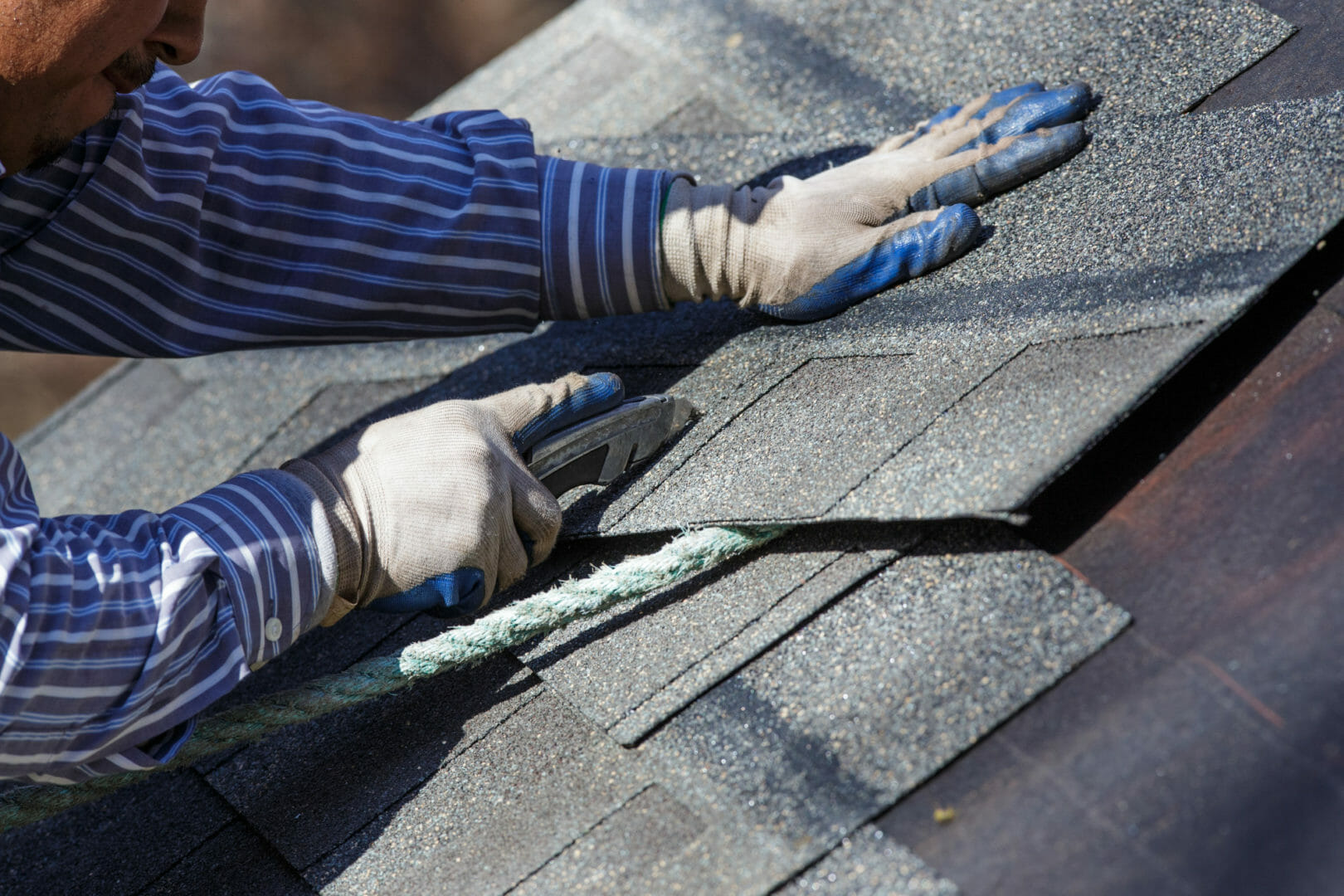
This is an easy problem to fix because all you have to do is replace the shingle. Some stores even sell single shingles if that’s what you need, or you can get a box and replace several that seem to cause problems. If you’re a handyman, you can replace the shingles yourself.

4. Granules Clogging Downspouts

When the roof is relatively new, you may notice some granules that may have fallen during installation. However, if your roof is relatively old and you see granules in your downspout, then it’s a sign that your shingles are getting weak and may need to be replaced.

Granules are an essential part of the roof because they protect it from UV rays, and once they fall off, the shingles are vulnerable and start to crack.

One of the first signs of falling granules is clogging in the gutters. Unless of course, you have so much debris such as leaves and twigs blocking your gutters, chances are they are granules, and you need to have them replaced.

5. Stagnant or Pooling Water

If your gutters are clogged and the piles of debris on the roof catch water, the moisture collects and forms stagnant or pooling water, which can damage your roof.

Standing water quickly turns into mold or mildew, which eats away the roofing material, causing roofing problems.

If you have a flat roof, you should be concerned about stagnant water. The solution here is to create tapered areas over the surface, which allow the water to run off. Having a professional contractor check on your roof regularly will help you avoid long-term problems.

6. Freezing Damages

If you live in an area where your roof is continuously exposed to ice and snow, then it has a reduced life expectancy. Roofing problems are most common during cold weather.

The thing is when ice water melts, it doesn’t run off fast enough since it melts at a slow rate. This can pass as stagnant water which penetrates underneath the roof and causes issues.

Even worse, during cold weather, the water that gets underneath can also freeze when temperatures drop.

When water freezes, it expands and pushes against the shingles, which leaves an opening that lets even more water in. By the time warm weather comes along, you have so many roofing problems.

Preventing this may not be easy since you can’t avoid the weather, but you should check on the roof regularly before damages are too far gone.

7. Tree Damage

One of the most common roof problems homeowners face is damage from falling branches.

You may think that only large branches would damage your roof, but when smaller branches come in contact with your roof and rub against it for a prolonged period, they erode the top layer of the roof.

The solution here is to trim your tree branches when they reach the roof.

If the tree poses a serious threat, then cut it down and replant a tree somewhere else more so when you live in an area prone to winds and storms.

8. Damaged Roofing Materials

These could be anything from shingles, tiles, nails, sealants among others.

Nature is a major contributing factor to a deteriorating roof, and the best solution here is regular maintenance. Some of the issues need to be caught fast before they cause other severe problems.

For instance, holes can lead to moisture seeping in the roof and causing damage. Shrinking roofing materials can crack and deteriorate, and the flashing could be pulled apart.

Schedule a maintenance check with a roofing contractor so they can detect these issues before they escalate.

Take Action for Roofing Problems Before It’s Too Late!

These are some of the most common roofing problems and solutions that help you maintain your roof.

The best solution is to have them repaired before they cause significant issues. Have you noticed a leak that you don’t know how to fix?

Do you feel like this is a great time to have a roof maintenance check? Maybe you have several roofing problems you want solved. Kindly get in touch with us and our professional contractors will be of service.

How to Find a Roofer in Southern Maryland Fast

How to Find a Roofer in Southern Maryland Fast!

A new roof is a big investment, but the right one will last you decades.

If you are looking for a roofer in Southern Maryland, don’t settle for anyone less than the best.

Here is how you can be sure you are hiring a quality roofer.

1. Ask Around

Quality businesses will have lots of satisfied customers who can speak to their experience. Ask for referrals in your circle of friends and family or online communities.

Don’t be afraid to ask questions. Did the company complete the job within a reasonable amount of time? Were all the costs clearly explained from the beginning?

Read online reviews before you hire. If a few different customers are saying the same thing, chances are you have a good idea of what your experience will be like.

A skilled professional will complete your job on time, to code, and with no mistakes. You will want someone with experience and references to prove it.

2. Check For Insurance

Quality roofers will have workman’s compensation and liability insurance. Workman’s compensation insurance covers the employees on your property, and general liability insurance covers your actual property. Ask to see the insurance certificate, and you can call the company to confirm that it is valid.

Insurance should be provided for all employees or subcontractors. If a roofing company doesn’t have adequate insurance, litigation could ensue between the contractor and homeowner if someone gets injured on the job.

3. Check For Licensing

Most states require licenses for contractors. Your contractor can give you a copy of your license, and you can confirm it online.

General contractors are not required to have a license in Maryland. Some roofing work, however, falls under the category of Home Improvement. These require state licenses that are issued by the Maryland Home Improvement Commission (MHIC.)

Roofing contractors will need to pass an exam in order to obtain the MHIC license. Find out if the type of work you are doing requires the license, and get your contractor’s license number before hiring.

4. Get It In Writing

Review your contract carefully before signing anything. A professional contractor won’t be upset that you took the time to read through it. If you have any questions, most professionals will be happy to answer them.

Before you pay, be sure that you are happy with the terms of payment. You will need to know how long the job will take, as well as the size of the crew that will be required. You need to be satisfied with the results before you pay.

Be sure to ask if there will be a charge for the estimate before you let someone come into your home. Everything that your contractor promised should be in writing.

Don’t give in to contractors who pressure you to sign a contract before an insurance company has surveyed the damage. Your contractor should thoroughly examine your home and check that your insurance company did not miss any damages.

Most contractors will ask for around one-third of the total price before they start the job. Don’t deal with a contractor who asks for the full payment upfront.

Some companies also offer warranties for new roofs. You will need contact information for support in case of an emergency.

All materials and work should come with at least five years of coverage. Your materials should get covered longer.

5. Avoid Wet Seasons

Some roofing emergencies require immediate service. In other cases, however, it is possible to wait until the weather is optimal to do the work.

If possible, avoid scheduling roofing work during rainy or snowy seasons. A wet or icy roof presents a safety hazard. A professional roofing company will be able to recommend the best time to complete your project.

6. Find Out How Gutters Will Get Protected

Ladder stabilizers or standoffs should get used in every roofing job. Stabilizers are like big arms that rest on the roof. They keep the weight of the extension ladder off your gutters.

Without some kind of standoff or stabilizer, your guttering system could get ripped apart as your roof gets repaired. A professional company will have a plan in place for protecting your gutters.

7. Find Out How Your Landscaping Will Get Protected

Many homeowners spend top dollar on their landscaping.

Before you hire a company, find out specifically how they will protect your landscaping. Find out where the ladders will go. You will also want to make sure that old shingles and plywood won’t be tossed on bushes or shrubbery.

If an accident does occur or some of your landscaping gets damaged, find out how the company will handle the damage.

8. Go Local

The company you choose should have an established reputation in your community.

If you have a problem with your roof within the established five-year warranty period, you will want to be sure that your roofing company can come quickly to fix it.

If the company you chose to install your roof has moved, closed, or disappeared, you will end up paying for the repair. Remember that your warranty depends upon the longevity and reputation of the roofing company.

Finding A Roofer in Southern Maryland

The best roofer in southern Maryland are the professionals with excellent reputations. Check for testimonials, licensing, and insurance before you settle on a contractor. The right professional will be able to answer all of your questions and give you lots of details upfront.

For more information on professional roof installation, contact us today.


Roofing Repair

Roof Basics From Roofers Annapolis: What All Homeowners Should Know About Roofing Replacement

You depend on your home’s roof to protect your house from damage. Luckily, they’re durable, lasting between 20 and 50 years depending on the type of materials used. But the time will come when you need to schedule a roof replacement.

Installing a new roof is a relatively simple process. But if you’ve never replaced your roof before, you likely aren’t sure what to expect.

Here are some of the key replacement roof basics you should familiarize yourself with ahead of time.

Always Work with a Professional Roofing Contractor

The best thing you can do is work with a licensed and insured roofing contractor. These professionals know how to install roofing materials the right way to prevent costly leaks and damage. Even better, they can inspect the underlying roof structure to make sure everything is in good shape.

If they notice anything out of place, they’ll be able to fix the damage quickly.

Installing a roof on your own or with the help of an inexperienced handyman almost guarantees that the project will cost more. Not only do you have to pay full retail price for the roofing materials, but you’ll also have to sacrifice a few days of your time to the project.

Assuming everything goes well and the roof installation gets done correctly, the manufacturer warranty won’t be in effect. Most manufacturers require that the materials get installed by a professional roofing contractor. If you do it yourself, you’ll miss out on the added protection the warranty provides.

It Pays to Get Quotes from Different Contractors

Roofers charge different rates for their services and what one company says will be an easy job, another might struggle to complete on-budget. That’s why you always need to shop around before choosing a roofing contractor.

Get written estimates from several companies and compare what they say. Remember, choosing the cheapest contractor isn’t always the best option. You want to choose a company that provides the most extensive services at a price that you can afford.

If you base your decision solely on price, you’ll often end up with sub-par roofing materials and experience roof maintenance issues down the road.

The Old Roof Should Always Get Removed

In most areas, you’re allowed to have two layers of asphalt shingles (the most common roofing material) in place. But that doesn’t mean you should ask your roofing contractor to install a new layer of roofing materials on top of the old ones.

The key to a long-lasting roof replacement is to completely remove the old materials first. This lets your contractor inspect the support structure for damage and makes it easy to take care of minor repairs that impact the structural integrity of your roof.

If a contractor tells you that installing a new layer of shingles is all you need to do, get a second opinion.

Quality Materials Are Worth the Investment

When it comes to roofing, you really do get what you pay for. Higher quality materials will cost more than low-grade products. But they’ll also last far longer and have fewer repair issues in the future.

Remember, you don’t have to stick with the same type of roofing materials you had previously. It’s possible to upgrade from shingles to metal roofs or to switch from expensive wooden shakes to affordable and durable asphalt shingles.

If you’re not sure what’s best for your home, don’t hesitate to ask. Roofers want to do what’s right for your house and can break down the costs of each material for you during the estimate.

Your HOA Will Have a Say

Homeowners who live in neighborhoods without homeowners’ associations (HOAs) can choose whatever roofing materials and colors they like. But if you live in a neighborhood with an HOA, you’ll need to discuss your roof replacement with them.

HOAs often like to keep the neighborhood’s aesthetics consistent. This means they have a set list of colors and roofing materials that they’ll approve for installation on your home.

If you choose a color or type of roofing that’s not on their approved list, you could violate their rules. At best, the violation will lead to a fine, but you may also get asked to remove the roofing materials completely, forcing you to effectively pay for two new roofs.

Before you decide on the materials, always doublecheck with your HOA. Choose materials that are in compliance with their regulations and you’ll be fine.

Replacements Aren’t Substitutes for Maintenance

New roofs often solve ongoing maintenance issues you’ve coped with for the last few years. But that doesn’t mean you’ll be able to forego roof maintenance after the new roof gets installed.

In fact, doing so can void your manufacturer’s warranty.

After you get your new roof, set up a regular maintenance plan with your contractor. This will help prevent the most extensive damage from happening in the first place.

You’ll also want to notify them of any issues, leaks, or missing roof materials as soon as you notice them. The sooner those minor problems get fixed, the better off your roof will be.

Expect the Work to Be Loud

Unfortunately, nearly all roof replacements are noisy. After all, your contractor has to remove the old materials and hammer the new ones into place.

If you’re at work during the day, this shouldn’t cause much disruption to your routine. But if you typically spend the day at home or work out of a home office, you may want to get away for a few days.

The same is true for your pets. Remember, animals are more sensitive to loud noises and the sounds of the roof replacement may scare them. It might be worth boarding your pets for a few days until work wraps up.

These Replacement Roof Basics Are Just the Beginning

Installing a new roof can be stressful. But once it’s done, your home will have a new layer of protection against the elements. These replacement roof basics will help you know what to expect from the process.

If you’re ready to get your new roof installed, don’t wait. Contact us today to schedule an estimate and let our team help you keep your home in great condition for years to come.

Why Asphalt Shingles Are the Best Shingles for Your Annapolis Home

[et_pb_section fb_built=”1″ admin_label=”section” _builder_version=”4.16″ global_colors_info=”{}” theme_builder_area=”post_content”][et_pb_row admin_label=”row” _builder_version=”4.16″ background_size=”initial” background_position=”top_left” background_repeat=”repeat” global_colors_info=”{}” theme_builder_area=”post_content”][et_pb_column type=”4_4″ _builder_version=”4.16″ custom_padding=”|||” global_colors_info=”{}” custom_padding__hover=”|||” theme_builder_area=”post_content”][et_pb_text admin_label=”Text” _builder_version=”4.16″ background_size=”initial” background_position=”top_left” background_repeat=”repeat” global_colors_info=”{}” theme_builder_area=”post_content”]

Your roof may be the most expensive part of your home that you never think about. On a normal day, it runs under the radar, but when it needs to be replaced, it’s a serious blow to your wallet.

Whether you’re building a new home or re-roofing an existing house, the journey starts with learning your options. It’s no secret that asphalt shingles are among the most popular and best shingles for your roof. As it turns out, there are many reasons they’re so beloved.

Affordability

No matter how you slice it, a roof is an expensive repair for your home. This is why asphalt shingles are so popular for their affordability.

Asphalt shingles are typically the lowest-cost choices for your roof. This makes it an especially practical choice for homeowners who plan to sell their homes soon.

Not only are the shingles themselves affordable, but the installation is as well. Some roofing options like metal roofs can only be installed by specialty-trained professionals who are experienced with those materials. Those people tend to charge more because they’re in limited supply.

With asphalt shingles, on the other hand, we can install them at a more manageable price.

Range of Choices

Your home is more than a structure that keeps you out of the elements. It also needs to embody your style and have loads of curb appeal.

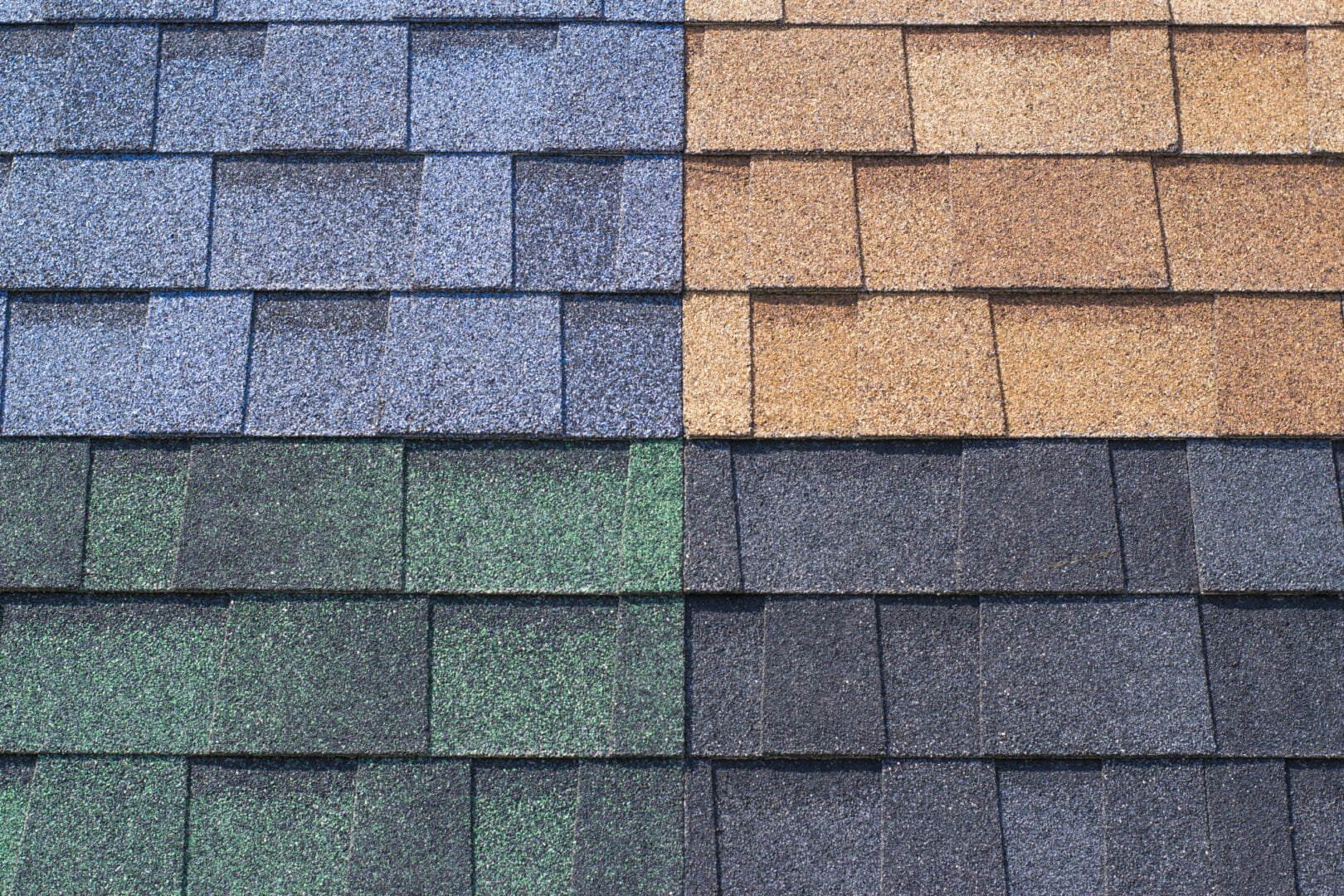
That’s where asphalt shingles come in. They’re available in a wide range of colors, from popular black or gray to more unique colors. You can choose the one that fits best with your home’s look.

On top of the colors, asphalt shingles come in several shapes as well. For example, you may prefer the standard three-tab shingles or the more artistic architectural shingles.

Long Life

No homeowner wants to shell out money for a new roof every few years. When you install your shingles, you expect them to last.

Asphalt shingles can meet or exceed those expectations. In most cases, they last between 15 and 30 years.

Keep in mind that you will play a part in making your roof last. It depends on how well you maintain your roof as well as the quality of your shingles, your climate, how well the installers performed, and more.

Popular Aesthetics

No matter what your plans are for your home in the future, you want to consider resale value when you replace your roof. After all, who knows where they’ll be in 30 years?

Some types of roofs have unique looks. Take metal roofing, for example. Some people love them and some people hate them.

Asphalt shingles, on the other hand, are people-pleasers. They have a neutral look that makes your home look clean and desirable to any buyers.

Specialty Options

You already know asphalt shingles come in different colors and shapes. Did you know they also come in a variety of other options?

For example, some shingles are made with higher impact resistance ratings. They’ll be more durable against hail and other impacts on your roof.

Another weather-fighter is the wind-resistant shingle, which stays in place even better than standard shingles in high winds.

If you’re concerned about your roof keeping its clean look, you might opt for stain-resistant asphalt shingles. Aglae, leaves, and other staining materials won’t stand a chance.

Finally, there are cooling shingles. These asphalt shingles reflect more light so less heat from the sun seeps into your home. It helps you save energy during warmer months.

Fixability

As we mentioned above, asphalt shingles are durable against the elements. They aren’t indestructible, though. There is always a chance that wind will blow off some of your shingles.

Unlike some other roofing materials, it’s easy to fix asphalt shingles when that happens. All you need to do is call a roofer to replace the broken shingles. Some types of roofing would require you to replace larger sections, making the repairs more expensive.

Natural Durability

The weather can be a powerful enemy for your roof. It isn’t the only one, though. Fortunately, asphalt shingles can stand up for themselves.

These shingles are naturally non-flammable. This makes fires less likely to spread to your home from other houses and trees. After all, the fewer flammable parts you have in your home, the better.

Note that each type of shingle has its own flammability rating, though, so it will vary from one to another.

Asphalt shingles also have a low risk of insect damage. Cedar shakes and cedar shingles may look great but if termites or other wood-affecting insects get into them, you could have expensive damage. Asphalt shingles don’t have that problem.

Sound Protection

Your roof does more than keep you safe from the elements. It also plays a vital role in your privacy and your ability to enjoy your home.

Asphalt shingles have a natural ability to block and dampen sound.

This allows you to enjoy your quiet time without excess noise from a nearby construction site, highway, or other noisy area.

On the flip side, sound blockage also makes for a happier neighborhood if you enjoy playing loud music. They get peace and quiet while you get privacy and the freedom to play as loudly as you want.

Choosing the Best Shingles for Your Annapolis Home

If you’ve lived in Annapolis for more than an hour, you know that our roofs have a lot to stand up against. Every season presents its own challenges, from storms rolling in via the Atlantic to the occasional snowstorm.

As you choose the best shingles for your home, consider all the unique benefits that asphalt shingles can provide. If you want to be sure you’re making the right choice, you need the help of a professional.

Call our roofing specialists to talk about all your options, the pros and cons of each, and which one is the best fit for your house.

[/et_pb_text][/et_pb_column][/et_pb_row][/et_pb_section]