roof preparation

Winter Roof Preparation Tips for Residents in Annapolis

Winter in Annapolis, MD, can be quite a challenge, especially when it comes to keeping your home well-prepared for the cold months ahead. For many residents, ensuring that the roof can handle the upcoming weather is a top priority. A well-prepared roof not only keeps you warm but also protects your home from potential damages, like leaks or ice dams. Understanding what steps to take before winter sets in can save a lot of time, money, and headaches later.

Preparing your roof for winter requires some planning and attention to detail. The weather in Annapolis presents unique challenges, like heavy snowfall and freezing temperatures, which can put a strain on even the most robust roofs. By focusing on preventive measures, you can make sure your roof withstands whatever winter brings. Let’s explore some key tips to help you get your roof ready and keep your home safe and cozy.

Inspecting Your Roof Before Winter

Before winter truly hits, it’s wise to give your roof a thorough inspection. Noticing issues early on can prevent bigger problems as the cold weather progresses. Here are a few things to keep an eye out for:

– Missing Shingles: Look for bare spots where shingles should be. Missing shingles can lead to leaks and water damage.
– Leaks: Check for water stains on your ceiling or walls, which might indicate a leaky roof.
– Other Damage: Pay attention to cracked or curled shingles and any visible wear and tear around vents and chimneys.

Hiring a professional is key. Local roofers in Annapolis, MD, have the expertise to spot issues an untrained eye might miss. Plus, they can advise on whether repairs or replacements are necessary, ensuring your roof is winter-ready.

Cleaning and Maintaining Gutters

Gutters play a big role in protecting your roof. Clogged gutters can cause water to back up, leading to leaks and ice dams. It’s essential to clean and maintain them properly, especially before winter starts:

1. Remove Debris: Clear out leaves, twigs, and other debris to ensure water can flow freely.
2. Check for Blockages: Use a hose to flush out any remaining debris and spot potential blockages.
3. Examine Downspouts: Ensure that downspouts are directing water away from your home’s foundation.

These steps not only protect your roof but also help prevent costly damage to your home’s exterior. Regular maintenance reduces the risk of ice dams, which form when snow melts and refreezes at the edge of your roof. By keeping your gutters clear, you can enjoy a warmer, safer winter with fewer concerns.

Insulating and Ventilating the Attic

A properly insulated and ventilated attic is your best friend during the harsh winter months. Good insulation helps to keep warm air inside your home, reducing heating costs and preventing the formation of ice dams. Ice dams occur when melting snow refreezes at the roof’s edge, causing water to back up and potentially leak into the home.

Invest in attic insulation that fits snugly between the rafters, without gaps. Consider using materials like fiberglass or foam board. Proper ventilation is also crucial. It helps maintain a consistent roof temperature and lets moisture escape, which can prevent mold and mildew. Adding soffit vents or ridge vents can improve air circulation. Regularly check vents to ensure they are free from obstructions and allow steady airflow.

Trimming Overhanging Branches

Overhanging branches can be a hidden hazard once winter rolls around. Heavy snow or ice buildup can cause branches to break, potentially damaging your roof or gutters. It’s a good idea to trim these branches back before winter storms begin.

Focus on branches that hang directly over the roof or touch the shingles. Keeping them trimmed can prevent debris and additional moisture from accumulating on the roof. Additionally, trimming trees reduces the pathways for rodents that might seek warmth within your attic. Always opt for safe trimming practices. Use the proper equipment and consider hiring professionals for branches that are difficult to reach or pose a safety concern.

Scheduling Professional Maintenance

Periodic professional maintenance is one of the most reliable ways to ensure your roof is prepared for winter. Professional roofers can thoroughly assess your roof’s condition and recommend necessary repairs or upkeep. They have the expertise to identify potential problems, such as loose shingles or compromised flashing, which can lead to leaks.

In Annapolis, many roofing professionals offer maintenance services tailored to the region’s specific weather challenges. They handle everything from cleaning gutters to inspecting attic ventilation. Scheduling a maintenance check before winter ensures your roof is ready to withstand snow and ice. With professionals caring for your roof, you can enjoy peace of mind knowing it’s in good shape from top to bottom.

Summing Up Your Winter Roof Preparation

Getting your roof ready for winter in Annapolis requires a bit of planning and attention, but the results are well worth the effort. By focusing on inspections, gutter cleaning, and attic improvements, you can shield your home from the harshness of winter. Taking steps like trimming overhanging branches and scheduling regular maintenance can help keep your roof strong against the elements.

Knowing your roof is well-protected brings peace of mind throughout the cold months. A sturdy roof means safety, warmth, and security for you and your family. So, as the snow starts to fall, you can stay snug and worry-free, allowing you to focus on what truly matters during the winter season.

Winter roof preparation is key to maintaining a safe and warm home in Annapolis. When you’re ready to ensure your roof is fully prepared for whatever winter throws your way, consider reaching out to trusted experts for assistance. Discover how professional roofers in Annapolis MD can support your needs and provide peace of mind during the colder months. Trust G.H. Clark Contractors to help keep your home cozy and protected this season.
licensed roofers

The Importance of Hiring Licensed Roofers in Montgomery County

When it comes to maintaining your home, the roof is one of those elements you just can’t ignore. It keeps us safe from the elements and makes sure every season doesn’t end with an unwanted splash in the living room. In Montgomery County, having a sturdy roof means more than just shelter; it’s about ensuring peace of mind during those unpredictable Maryland weather swings. But how do you guarantee your roof is in capable hands? That’s where hiring licensed roofers comes into play. They have the skills needed for quality workmanship and offer the assurance that everything they do is up to code, specifically the local codes in Montgomery County.

Hiring a licensed roofer in this area is like having a local guide when exploring a new city. They know the region’s quirks, from sudden weather changes to specific building requirements. Such expertise means your roofing project won’t run into unexpected bumps along the way. Making the right choice involves understanding why licensed roofers are so critical, especially here in Montgomery County, where regulations and climate considerations make quality roofing a priority. Let’s delve into why hiring licensed roofers makes a real difference.

Benefits of Hiring Licensed Roofers

Opting for licensed roofers brings diverse advantages that extend beyond a simple repair or installation. Here are some compelling reasons:

– Quality Assurance: Licensed roofers guarantee a level of quality and workmanship that aligns with industry standards. This means using the right materials and techniques to ensure durability and functionality.

– Local Code Compliance: In Montgomery County, building codes can vary from other regions. Licensed roofers are thoroughly familiar with these requirements, ensuring your project meets all local specifications, reducing the risk of compliance issues down the road.

– Insurance and Warranty: Licensed contractors provide access to insurance and warranties that protect homeowners from potential malfunctions or unexpected damages. This safety net offers peace of mind, knowing that any issues that crop up post-installation are covered.

Consider this simple analogy: think of licensed roofers like a trusted car mechanic. You wouldn’t trust your vehicle to just anyone for fear of hidden problems later. In the same way, putting your home’s roof in the hands of someone with recognized credentials saves you from future headaches. Licensed professionals bring with them benefits that ensure your home’s protection is robust and long-lasting.

With Montgomery County’s distinct climate patterns and regional building regulations, hiring a roofer who understands these specifics is not just a smart choice—it’s necessary. Choosing the right roofer can make all the difference, ensuring you’re not left with leaks or fines for non-compliance. Let’s explore further why skimping on this decision can cost more in the long run.

Common Risks of Hiring Unlicensed Roofers

Hiring unlicensed roofers can lead to a host of problems that homeowners might not anticipate. One of the main issues is the risk of subpar workmanship. Without a license, there is no guarantee that the roofer will adhere to industry standards or use quality materials. This might result in repairs that don’t last, exposing your home to leaks and other issues.

Another significant concern with unlicensed contractors is the lack of accountability. If something goes wrong, you won’t have much recourse to demand corrections or refunds. An unlicensed roofer may vanish after receiving payment, leaving you with a problematic roof and no way to resolve the issue. Legal and financial implications are real risks too. Homeowners could find themselves facing fines for using unlicensed professionals, not to mention the potential costs if a worker gets injured on your property without proper insurance coverage.

How to Verify a Roofer’s License and Credentials

Before hiring a roofer, it’s essential to confirm their qualifications. Checking a roofer’s license can be simple:

1. Research State Databases: Many states, including Maryland, have online databases where you can verify a roofer’s license. A quick search can confirm if a contractor is in good standing.

2. Verify Insurance and Certifications: Always ask to see proof of insurance and any additional certifications. A true professional will have these documents ready and won’t hesitate to share them.

3. Check References and Past Work: Requesting references provides insights into a roofer’s past projects. Speak to previous clients and, if possible, visit completed projects to assess the quality of work firsthand.

Preparing for Your Roofing Project

Getting ready for a roofing project can seem daunting, but a little preparation goes a long way. Start by discussing your goals clearly with your roofer. It’s crucial to talk about material options, timelines, and the scope of work. Make sure you both understand the contract terms fully before any work commences.

Understanding the timeline of the project helps manage expectations and planning. Knowing when the work will begin, how long it will take, and what factors might delay completion can save a lot of frustration. Clear communication is key throughout the whole process. Keeping a steady line of communication open will ensure that both you and your roofer are on the same page at every step of the way.

Final Thoughts

When it comes to taking care of your home, choosing a licensed roofer in Montgomery County can make a significant difference. It ensures the quality and longevity of your roof, and it protects you from potential headaches down the line. By vetting roofers carefully and preparing well, you’ll save time, money, and stress. The right roofer will deliver high-quality results that keep your home safe and sound, rain or shine. Prioritizing quality and professional expertise in your roofing projects isn’t just a smart choice—it’s a wise investment in your home’s future.

Choosing the right roofer sets the foundation for your home’s lasting protection and peace of mind. Trust G.H. Clark Contractors to provide knowledgeable and reliable services. If you’re looking for dependable and skilled assistance, explore how our Montgomery County roofers can take your roofing project to the next level, ensuring your home remains secure and comfortable year-round.

Professional Roof Inspection

What to Expect During a Professional Roof Inspection in Maryland

A professional roof inspection is like giving your home a health check-up. Just as regular doctor visits can help catch potential health issues early, routine roof inspections can identify problems before they escalate into costly repairs. Conducting a roof inspection allows experts to assess the condition of your roof and ensure it can withstand the challenges of Maryland’s changing seasons. Whether it’s the harsh winter or the humid summer, knowing your roof is in good shape gives peace of mind.

In Maryland, where the weather can vary significantly, roof inspections become even more crucial. Homeowners benefit from understanding what professionals look for during these checks. From spotting small leaks to examining the materials, roof inspections provide valuable insights into the structure’s health. With rising awareness about the importance of home maintenance, residents in Maryland are keen to learn what to expect during such evaluations.

Understanding the Roof Inspection Process

Getting your roof inspected might sound straightforward, but there’s more involved than meets the eye. It often starts with an initial consultation where homeowners discuss their concerns and schedule the inspection. This step sets the stage for an effective assessment by ensuring inspectors know what to focus on.

Once the inspection begins, professionals look beyond the surface. They focus on several key areas:

– Structural Issues: Inspectors ensure your roof’s framework is sturdy and free from serious defects that could compromise its stability.

– Material Condition: They check shingles or tiles for wear and tear, ensuring they’re intact and functioning properly.

– Signs of Wear: Evidence of water damage, rot, or other early signs of deterioration can suggest underlying issues that need attention.

Inspectors don’t just rely on visual assessments. They use advanced tools and technology to provide accurate results. Thermal imaging, for instance, can reveal hidden leaks or insulation issues that aren’t visible to the naked eye. This technology allows them to pinpoint specific areas where problems may arise, ensuring a comprehensive evaluation.

By understanding this process, Maryland homeowners can feel confident knowing what happens during a roof inspection. It clarifies the steps involved and the thoroughness of the assessment, helping to keep your home safe and sound.

Steps Taken During a Roof Inspection

Inspections go beyond just looking at the roof’s surface. They involve a thorough interior and exterior examination. Inside the house, inspectors often climb into the attic to check for signs of water damage or leaks that could indicate a roof problem. They look for damp areas or water stains that are red flags for issues that need addressing.

Outside, inspectors assess the condition of shingles or tiles, gutters, and flashing. They’re looking for cracks, loose or missing pieces, and any signs of wear that might have developed over time. Proper assessment of ventilation and insulation is also a priority, as these contribute to the roof’s overall performance and energy efficiency.

Spotting potential problem areas early is part of the process. Finding issues before they grow into major problems can save homeowners from costly repairs down the line. For example, a small crack around a vent might be an easy fix now but could lead to more extensive damage if left alone. This proactive approach helps maintain the roof’s health and keep unexpected repair bills at bay.

Benefits of Regular Roof Inspections

Regular roof inspections can provide a multitude of benefits. First and foremost, they help prevent costly repairs by identifying issues before they worsen. Regular attention can cast light on small, fixable problems that might otherwise grow unnoticed.

Routine checks also extend your roof’s lifespan. By maintaining and addressing minor issues early on, the roof can withstand more seasonal wear and last longer, postponing the need for a complete replacement. This proactive upkeep is both practical and economical, offering long-term savings for homeowners.

Additionally, inspections ensure safety and provide peace of mind. Knowing that your roof is solid and ready to face Maryland’s weather can be reassuring. This confidence is invaluable, especially in regions where the climate can put roofs to the test throughout the year.

How to Prepare for a Roof Inspection

Preparation is simple yet effective. Scheduling an inspection at the right time is crucial, particularly considering Maryland’s varied climate. Avoiding extreme weather conditions helps ensure a thorough and efficient inspection.

Homeowners can assist by providing easy access to the roof and clearing away any obstacles. Simple steps like trimming tree branches or removing clutter can make a big difference. Being ready with questions or pointing out areas of concern can also be helpful, as it guides inspectors to focus on specific spots.

From start to finish, knowing what to expect during the day of the inspection takes away any guesswork. Being prepared aligns the homeowner’s expectations with the inspector’s task, paving the way for a smooth, efficient process. Understanding these steps not only makes the experience more manageable but also enhances the benefits of regular checks.

Conclusion

Professional roof inspections are essential for maintaining a safe and durable home. The expertise provided by G.H. Clark Contractors ensures homeowners know the state of their roofs and can prepare accordingly. Prompt scheduling of inspections allows Maryland residents to address concerns and take proactive steps in preserving their property. Contact G.H. Clark Contractors for reliable and thorough roof inspection services tailored to meet the demands of Maryland’s climate.

To keep your home in top shape and ensure your roof stays resilient against Maryland’s diverse weather conditions, consider scheduling regular roof inspection services with G.H. Clark Contractors. Our expert team is committed to helping you maintain your roof’s integrity and avoid unexpected, costly repairs through proactive care.

Ice Dams

How to Prevent Ice Dams on Your Metal Roof in Maryland

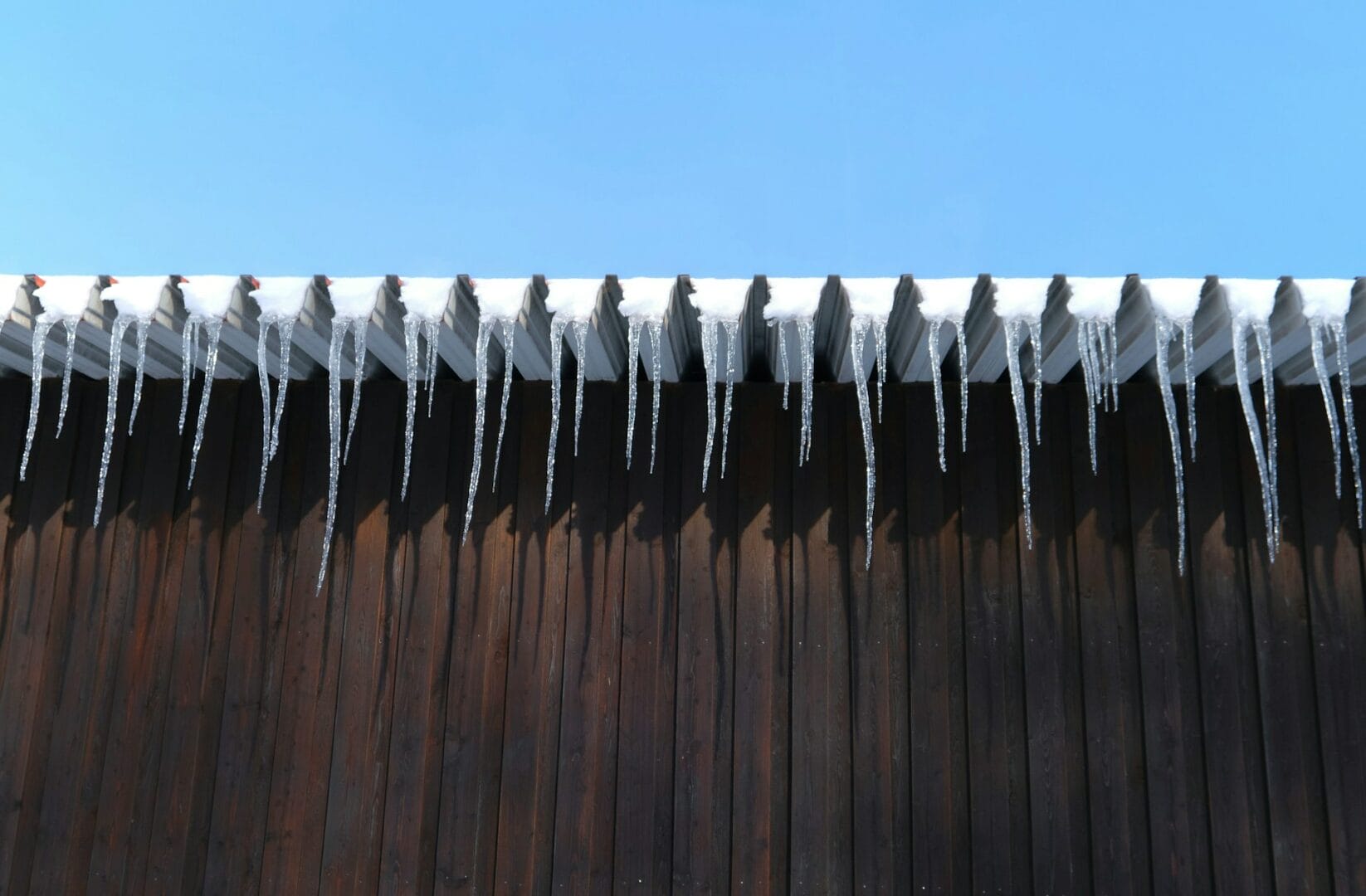
Ice dams can be a real headache for homeowners, especially in areas with heavy snowfall like Maryland. When snow accumulates on your roof, the warm air rising from inside your home can cause the snow to melt. This melted water can then refreeze at the edge of your roof, forming a thick ice barrier known as an ice dam. These ice dams not only trap additional snow and water on your roof, leading to leaks and water damage, but they can also stress the structural integrity of your roof over time.

Living in Maryland, homeowners face the unique challenge of battling both cold winter temperatures and occasional warm spells. These fluctuating conditions make it crucial to address potential issues that can lead to ice dam formation. Without proper prevention, such as insulation and ventilation, the risk of damage to your home increases. Preventative measures can help ensure your home stays safe and sound throughout the winter.

Understanding Ice Dams

Ice dams are essentially a ridge of ice that forms at the edge of a roof. They develop when the heat from your home rises and melts the snow on top of the roof. Once this melted snow reaches the colder edges, it freezes again. The resulting ice barrier prevents further melting snow from draining, leading to water pooling behind the dam. This pooled water can eventually seep into your roof, causing leaks, damage to interior ceilings and walls, and even mold growth.

In Maryland, where temperatures can swing between freezing and mild, ice dams are a common issue for many homeowners. The constant refreezing process can worsen the weight on your roof, particularly metal roofs, which are common in the region due to their durability. These roofs, while sturdy, are not impervious to the stress and damage caused by ice. Water and ice infiltration can cause corrosion, affecting not only the appearance but also the structural integrity of the metal over time.

Understanding how ice dams form and recognizing the signs can prepare you for effective prevention. Look out for icicles along the eaves, water stains on ceilings, or damp spots on the walls inside your home. These could be telltale signs that an ice dam is forming and action needs to be taken.

Precautionary Measures Before Winter Arrives

Before the frigid temperatures arrive, it’s important to prepare your home to prevent ice dams. Here are some key steps to take:

1. Inspect and Clean Gutters: Ensure your gutters are clear of leaves and debris. Clogged gutters prevent proper drainage and can exacerbate ice dam formation.

2. Add Insulation: Proper insulation in your attic helps maintain a consistent roof temperature. Insulating your attic reduces the amount of heat escaping, which in turn minimizes snow melt that can refreeze into ice dams.

3. Seal Cracks and Leaks: Warm air escaping through cracks and holes in your roof can contribute to uneven temperatures. Focus on sealing any gaps around pipes, vents, or light fixtures in your attic.

Taking these precautionary steps can significantly reduce the risk of ice dams. They help maintain an even temperature across your roof, a key factor in preventing snow from melting and refreezing into ice. By preparing in advance, you’ll be ready to face the winter with peace of mind.

During Winter: Active Prevention Tips

When winter finally sets in, it’s important to stay proactive in managing your roof. Ice dams can form quickly, so regular attention to your roof’s condition is vital. You can start by using a roof rake to remove snow buildup safely. These rakes allow you to clear snow from the edge of your roof, minimizing the amount of snow that can potentially turn into ice. Be sure to work from the ground to avoid damaging the shingles.

Here are some practical tips to actively prevent ice dams during the winter:

1. Use Heat Cables: These cables can be a great investment as they help melt ice and snow, reducing the formation of dams. They can be installed along the edges of your roof to maintain a steady flow of water off the roof.

2. Clear Away Excess Snow: Regularly removing snow from your roof will reduce the likelihood of ice dams forming. Focus on the areas where snow tends to accumulate most.

The key is to act quickly and effectively during these cold months. Using these methods can help manage snow and ice before they lead to problems.

Importance of Professional Help

While some preventive measures can be done by homeowners, there are significant benefits to seeking professional assistance. A roofing expert can provide thorough inspections and maintenance, ensuring that your metal roof remains in excellent condition throughout the winter. They have the skills to identify weak spots and areas where ice dams are most likely to form.

Hiring professionals can offer peace of mind, as they use specialized tools and techniques to prevent and address ice dams. They understand the unique challenges of Maryland winters and are equipped to handle them. Plus, they can offer advice on long-term solutions that can help protect your home from freezing temperatures year after year.

Keeping Your Metal Roof Ice Dam-Free

It’s amazing what a little care and preparation can do for your home. Preventing ice dams requires a combination of pre-winter preparations and active management throughout the season. By keeping your gutters clean, ensuring proper insulation, and removing excess snow, you can significantly reduce the risk of ice dams.

It’s also important to consider ongoing professional consultations. Experts can catch potential issues early and provide solutions that extend beyond just one season. Investing in these services not only keeps your roof ice dam-free but also prolongs its overall lifespan.

Taking these steps can make all the difference in safeguarding your home against winter’s challenges. With the right approach, you can enjoy the season without worrying about the potential damage ice dams can bring.

For residents dealing with tricky winter conditions, protecting your home from ice dam damage is essential. To learn more about maintaining your roof and ensuring it’s ready for the cold months, explore how G.H. Clark Contractors can help with expert solutions for metal roofing in Maryland. Discover the benefits of professional assistance and keep your home warm and dry all season long.

aerial view of a flat roof

Effective Solutions for Flat Roof Leaks in Prince Frederick

Flat roofs are a popular choice for many homes and businesses in Prince Frederick due to their sleek look and practical use of space. However, they can be prone to leaks if not properly maintained. Addressing these leaks early on is important to avoid bigger issues down the road. Water leaking into your home can cause unsightly stains, damage your walls, and even lead to mold growth if left unattended. By taking proactive steps, you can help ensure your flat roof remains in top condition and protect your property from potential harm.

Ignoring a leak might seem like a small oversight at first, but the consequences can escalate quickly. A small trickle can gradually weaken the foundation of your home, jeopardize electrical systems, and inflate repair costs exponentially. In Prince Frederick, where the weather can be unpredictable, ensuring your flat roof is leak-free is a must for maintaining a safe and dry home environment.

Common Causes of Flat Roof Leaks

Understanding what causes flat roof leaks can aid in preventive maintenance, sparing you from unforeseen challenges. Here are the most common culprits that can lead to leaks:

– Poor Installation or Repairs: A roof that is improperly installed or repaired is likely to develop issues over time. If the materials aren’t sealed correctly, water can seep through gaps and create leaks.

– Weather-Related Damage: Prince Frederick’s changing weather conditions can be tough on flat roofs. Heavy rains can pool on the roof surface, while prolonged sun exposure can lead to cracks and blisters in the roofing material. Snow and ice can also add weight and wear down the roof.

– Aging and Wear Over Time: Like most building materials, flat roofs have a lifespan. Over time, the materials can deteriorate, causing seams to weaken and split. Regular inspections are key to catching wear and tear before they become major problems.

Being mindful of these potential leak sources ensures you can take action before it’s too late. The goal is to maintain a strong, durable roof that stands up to the elements year-round.

Effective Solutions for Flat Roof Leaks

Once you know the causes, it’s time to focus on fixing those pesky leaks. Regular inspections are your best friend when it comes to keeping a flat roof in great shape. By identifying trouble spots early, you can prevent minor issues from escalating into major repairs. A routine check every few months, especially after harsh weather, can be a practical approach.

If you spot any signs of wear, proper sealing and resealing are key solutions. Roofing materials, such as membranes, need to be sealed properly to prevent water from sneaking in. Over time, the seals can break down, so resealing is an effective way to maintain a sturdy barrier against the elements.

Promptly repairing any punctures and cracks you find is equally important. These small openings can quickly become bigger problems if not treated. Whether it’s caused by debris or temperature changes, addressing these small issues can save a lot of hassle down the line.

You’ve also got to think about drainage. Ensuring proper drainage systems means no water is left standing on your roof, which prevents leaks and extends the life of the roofing material. Installing quality drainage systems or maintaining existing ones helps avoid water-related troubles.

Importance of Hiring Professional Help

Why rely on professionals? It’s all about getting the job done right. Experienced pros have the expertise to spot issues you might miss and use appropriate materials to fix them. They know exactly what to look for and how to handle different roofing materials effectively.

Professionals come equipped with the right tools, ensuring efficient and lasting repairs. This means you won’t have to worry about temporary fixes or the cost of frequent touch-ups. Plus, they work with safety guidelines in mind, which is very important when dealing with roofs.

In the long run, hiring professionals is a smart move financially. While upfront costs might seem more expensive than doing it yourself, high-quality workmanship and durable solutions can save on future repairs. It’s a worthwhile investment to ensure the safety and longevity of your roof.

Seasonal Maintenance Tips for Flat Roofs in Prince Frederick

Each season demands specific care for your flat roof. In spring, focus on cleaning debris accumulated over the winter and checking for lingering weather damage. Summer calls for inspections to counteract potential heat damage and ensure the roof is ventilated properly.

– Spring: Remove any twigs, leaves, or dirt, and inspect for damage left by the cold months.

– Summer: Check for sun damage and make sure the ventilation is adequate to avoid heat buildup.

– Fall: Clear leaves in preparation for the colder months, and check for any recent wear and tear.

– Winter: Look out for ice dams and ensure any snow is safely removed to prevent additional weight on the roof.

Regular upkeep during each season supports a stable, leak-free roof throughout the year, protecting your home from unpredictable weather patterns.

Keep Your Flat Roof in Top Shape

Keeping your flat roof well-maintained is all about adopting a proactive approach. Regular inspections and timely maintenance allow you to catch potential issues early. A little attention here and there can prevent significant damage and keep your home secure.

By understanding the importance of choosing professionals and following seasonal care tips, you’re empowering your home to withstand whatever nature throws your way. Maintaining your roof might seem like an additional task, but it’s actually about investing in the safety and beauty of your home for years to come.

Protecting your home in Prince Frederick starts with proper care for your flat roof. Consider scheduling a flat roof inspection to catch potential issues before they become major headaches. With the team at G.H. Clark Contractors, you can rest easy knowing your roof is in capable hands.

Roof

How Pest Infestations Can Damage Your Roof: A Quick Guide

Your roof is like the first line of defense for your home, keeping you safe and dry. But when pests decide to make it their playground, they can cause a whole lot of trouble. From chewing through shingles to nesting in gutters, these pesky invaders are more than just a nuisance—they can seriously damage your roof.

Pests like rodents, insects, and birds find roofs an appealing spot to settle. However, their presence can lead to big problems that affect your home’s structure and coziness. As small as they are, pests can create issues that snowball into larger, more costly repairs.

Understanding how these creatures disrupt your roof’s integrity helps in taking action before infestations get out of hand. With the right knowledge and preventive steps, you can guard your roof against unwanted visitors and ensure it stays in great shape for years to come.

Common Pests That Target Roofs

Roofs make an attractive home for many pests. Rodents like squirrels and rats are frequent visitors. They often seek warmth and shelter, especially during colder months. Birds are another common roof dweller. They build nests in gutters and under eaves, which can cause blockages and drainage issues. Insects like termites and carpenter ants are attracted to roofs, especially if there’s wood material involved. They find it the perfect spot to chew and tunnel through, looking for food and moisture.

Pests are drawn to roofs for several reasons. For one, roofs provide protection from harsh weather. The elevated location keeps them safe from many ground-based predators. Also, roofs often have hidden nooks and crannies, ideal for laying eggs or storing food. Nearby trees or overhanging branches can also act as convenient pathways for critters to access your roof.

Infestations tend to be more common during certain times of the year. For example, rodents often seek out cozy spots like roofs in the winter to escape cold temperatures. In spring and summer, birds look for nesting sites, making roofs a prime target. Meanwhile, termites and ants ramp up their activity in warm, moist conditions, making them more of a threat in spring and early summer. Keeping an eye on these patterns helps in being proactive about pest prevention.

Types of Damage Caused by Pests

Pests can leave your roof in poor shape if left unchecked. Rodents have a tendency to gnaw on shingles and roofing materials. This not only damages shingles but also opens pathways for water to get into your home. Birds can create blockages with their nests. When gutters and downspouts are clogged, water overflows and may seep into your roof structure, causing further damage.

Insects such as termites can chew through wood, weakening important roof structures. Over time, this can compromise the stability of your roof. They don’t stop there; they can also disrupt insulation, making your home less energy efficient.

Pests can lead to secondary issues, too. Once they’ve damaged roofing materials, it allows water to enter. This can cause leaks, leading to internal water damage in your home. Moisture from leaks promotes mold growth, which can affect indoor air quality and lead to health problems. As pests weaken your roof, the risk of these additional problems increases, emphasizing the need for timely pest control and roof maintenance.

Recognizing the Signs of a Pest Infestation

Spotting a pest infestation early can prevent extensive damage to your roof and home. Common indicators are often visible if you know where to look. Keep an eye out for droppings around gutters, downspouts, and roof edges. These are signs that pests have been visiting your roof regularly. Hearing unusual noises, such as scratching or scampering, especially at night, can also indicate rodent activity in the attic or on the roof.

You might also notice nests or debris in your gutters or under eaves, which are clear signs of birds or insects setting up home on your roof. Check roof materials like shingles or tiles for signs of gnawing or chewing, as these point to potential pest damage.

Routine inspections are your best defense against unnoticed infestations. Regular checks help find these signs before they become larger problems. By keeping tabs on these warning signals, you can catch infestations early and address them before they lead to costly repairs or damage.

Preventing and Addressing Pest-Related Damage

Preventing pest infestations starts with simple maintenance steps. Keep your roof and the surrounding area clean and tidy. Trim back trees and branches that hang over your roof to eliminate easy access for pests. Ensure that gutters are clear and free of debris to prevent nesting spots for birds and insects.

Regular professional pest evaluations can be beneficial. Pair these evaluations with roof inspections to ensure your home’s first line of defense remains strong. Experienced professionals can spot and address potential entry points and vulnerabilities that you might overlook.

Timely intervention is key if you discover any damage. Quick repairs can prevent pests from creating further issues and keep your roof in top condition. Addressing damage as soon as it occurs minimizes risks and ensures that your home stays safe and sound from unwanted intruders.

Conclusion

Pests can be a major nuisance, but understanding their behavior and the damage they cause can help you protect your roof and your home. By recognizing the early signs of an infestation and taking preventive measures, you can keep your roof in great condition. Regular maintenance and timely inspections are essential to avoid costly repairs and ensure your roof continues to provide the shelter it was designed to offer.

Keeping your roof pest-free is vital for its longevity. Trust the experts at G.H. Clark Contractors to help maintain your roof’s integrity. Whether you need a thorough roofing inspection or repairs due to pest damage, our team is ready to assist. Let us provide the peace of mind that comes with knowing your home is well-protected from pest invasions.

Roof

Identifying and Preventing Roof Algae Growth: Tips and Techniques

Your roof does more than shield you from the rain; it also plays a big part in your home’s overall appearance. But what happens when streaks of algae make it look old and worn? Roof algae growth can be an unsightly problem that many homeowners face, especially in humid areas where conditions are ripe for growth.

Algae can do more than just spoil the appearance of your roof. It can trap moisture, leading to potential damage over time. It’s important to address and prevent this issue early to avoid costlier repairs later on. Recognizing algae and understanding how it forms helps you take control of the situation before it gets out of hand.

By learning about the causes and impacts of algae, you can take steps to manage and prevent its growth. From routine maintenance to professional treatments, various strategies can help keep your roof algae-free and ensure it continues to protect and beautify your home efficiently.

Understanding Roof Algae

Roof algae are small, plant-like organisms that thrive in damp, shaded areas, often appearing as dark streaks or spots on shingles. Known scientifically as Gloeocapsa Magma, these algae form in colonies and feed on the limestone filler found in some roofing materials. They are particularly common in humid regions, where moisture aids their growth.

Certain conditions make it easier for algae to spread. Shaded areas on your roof, especially those under overhanging branches, are prime spots for growth. The lack of sunlight keeps these areas moist, allowing algae to thrive. Additionally, roofs in regions with high humidity and frequent rainfall provide an ideal climate for these organisms. Without regular maintenance, these conditions allow algae to spread quickly.

Some roof surfaces are more susceptible to algae growth than others. Asphalt shingles are particularly vulnerable due to their composition and textured surface, which traps moisture. Wooden roofs can also attract algae, as they provide organic material that can hold moisture. Even metal roofs are not immune; while algae do not feed on metal, they can grow on the debris that accumulates on the surface. Recognizing these factors helps you understand where your roof might be most at risk.

The Impact of Algae on Your Roof

Algae affect more than just the look of your roof. Their presence results in unsightly dark streaks that can make your home appear older and less well-maintained than it actually is. This discoloration can lower curb appeal and possibly affect property value, especially if you’re considering selling your home.

Beyond appearances, algae can cause structural concerns if left unchecked. They hold moisture against the roof, which promotes the growth of moss and lichen. Over time, these can wear away the protective granules on shingles, reducing their effectiveness. As shingles deteriorate, your roof becomes more vulnerable to leaks and other water damage, leading to costly repairs.

Algae also affect energy efficiency. As dark algae spread, they absorb more sunlight, increasing roof surface temperature. This added heat can make cooling your home more difficult, leading to higher utility bills. A roof’s reflective ability is compromised, making it hard to maintain a comfortable indoor environment. Regular management of algae can thus help preserve both your roof’s function and your home’s energy efficiency.

Identifying Signs of Algae Growth

Spotting algae early can save you a lot of trouble. Look for dark streaks running down your roof. These streaks are the most common sign of algae. They often appear dark blue or black, especially on lighter-colored roofs. You might also notice greenish patches, indicating growing colonies.

It’s important to distinguish algae from other roof stains. Moss and lichen also grow on roofs, but they have a different texture. Moss is fluffy and soft, often forming clumps that sit on top of shingles. Lichen is flat and crusty, appearing as a blend of fungus and algae. Algae, however, are slimy and will spread in streaks rather than isolated patches.

Checking your roof safely is key. Use binoculars from the ground to inspect your roof without climbing. If you need a closer look, hire a professional to evaluate your roof’s condition. They can safely assess the extent of algae growth and determine what action is needed. Regular observation of your roof will help catch any signs of algae from growing into a bigger problem.

Preventing and Managing Algae Growth

There are several ways to tackle algae before it becomes a major concern. Regular maintenance is crucial. Keep your roof clean by trimming overhanging branches to reduce shade and allow sunlight to naturally dry your roof. Ensuring that your gutters are clear will also prevent water from pooling and promoting algae growth.

Professional cleaning is a safe and effective way to manage algae. Using specially formulated treatments, professionals can clean your roof without causing damage to shingles. They have the right equipment and know-how to remove algae while ensuring that the protection of your roof remains intact.

Routine inspections by professionals help spot algae early. Regular checks and timely cleaning will keep your roof free from algae. This approach helps maintain your roof’s appearance and prevents long-term damage. Keeping an eye on your roof and consulting experts ensures that your home stays in top condition.

Conclusion

Algae on your roof may seem like a small issue, but it can quickly develop into significant damage if ignored. By recognizing the signs of algae and understanding the best prevention methods, you maintain both the look and function of your roof. Regular inspections and prompt actions not only prevent further damage but also save money in the long run.

If you’re noticing any signs of algae or want to prevent them from appearing, contact G.H. Clark Contractors. Our team provides expert advice and roofing services to keep it in excellent shape. We ensure your home is protected while maintaining its beauty and energy efficiency. Let’s work together to give your roof the care it needs.

humidity

The Impact of High Humidity on Your Roof’s Lifespan

Humidity is more than just sticky weather; it can have a significant impact on the lifespan of your roof. When moisture levels rise, they affect different parts of your home, especially the roof. Understanding how humidity affects your roof is key to ensuring long-term durability and efficiency.

Understanding Humidity and Its Effect on Roofs

Humidity refers to the amount of moisture present in the air. When humidity levels are high, it means there is a lot of water vapor hanging around. This moisture is usually caused by factors such as the climate, local vegetation, and water bodies near your home. In certain areas, seasonal changes also boost humidity levels, making it essential to understand how this moisture can affect your roof.

Different roofing materials react to humidity in various ways. Asphalt shingles may absorb moisture, leading to softening and eventual warping. Wood shingles can swell when exposed to excessive moisture, causing them to crack or warp over time. Metal roofs, although resistant to many environmental factors, can still fall prey to corrosion if moisture gets trapped under protective layers. Tile roofs, generally robust against weather conditions, must also be checked for underlying moisture that might weaken their setup.

Moisture absorption over time poses threats to the longevity of your roof. When roofing materials absorb moisture continuously, they become weaker, paving the way for more structural issues. This absorption can lead to the formation of mold and mildew, further compromising the roof’s integrity. Understanding how humidity interacts with your specific roofing material helps in keeping your roof in the best condition possible.

Signs That Humidity Is Damaging Your Roof

Spotting the signs of humidity damage early on can save your roof from more serious issues down the road. One of the most common indicators of humidity damage is warped or curling shingles. This warping occurs as shingles repeatedly absorb and lose moisture, distorting their shape and making them less effective. Mold growth is another sign you cannot ignore. If you notice any discoloration or fuzzy patches on your roofing material, it’s a clear signal of excess moisture.

Moisture buildup often results in leaks, particularly in the attic. Take note of any water stains on the ceiling or wet insulation, as these are red flags pointing to roof issues. A damp and musty smell in the attic is also a key indicator of hidden moisture concerns. Make sure to check your attic regularly to catch these early warning signs.

Prolonged exposure to high humidity can lead to significant structural concerns. This includes the weakening of roof supports and potential rotting of wooden components. Over time, unchecked humidity can cause considerable damage to rafters, beams, and decking, threatening the safety and stability of your home. Being alert to these signs and taking quick action can protect your roof and extend its useful lifespan.

Preventive Measures to Protect Against Humidity

Taking proactive steps can greatly minimize the impact of humidity on your roof. One of the most effective measures is scheduling regular roof inspections. These inspections help catch early signs of damage, such as small leaks, before they turn into larger, more costly issues. Checking after severe weather events is also a smart move, as these conditions can exacerbate humidity-related damage.

Proper ventilation plays a crucial role in controlling moisture levels within your roof structure. Ensuring that your attic has adequate airflow can prevent moisture from becoming trapped. This airflow helps in drying out any moisture that might accumulate, reducing the chance of mold growth and warped materials. Installing attic fans or ridge vents can significantly improve ventilation, keeping your roof in better shape.

Investing in weather-resistant roofing materials is another protective strategy. These materials are designed to withstand harsh conditions, including persistent humidity. Consider materials like metal or treated wood that offer better resistance to moisture. This not only enhances your roof’s durability but also prolongs its lifespan, providing peace of mind.

Professional Help for Humidity-Related Roof Issues

When dealing with potential humidity damage, seeking professional assistance is essential. Experts can offer thorough assessments to identify underlying problems that might not be visible to the untrained eye. Their evaluations can detect moisture buildup and structural weaknesses, allowing for timely solutions that can save you future headaches.

The role of professional services in roof repair and maintenance cannot be overstated. Professionals possess the experience and tools to address roof issues effectively, ensuring every part of your roof is attended to. From fixing minor leaks to replacing damaged shingles, professionals ensure a comprehensive approach to your roof’s maintenance needs.

Consulting with contractors provides tailored solutions to mitigate humidity problems specific to your roof type. These experts devise strategies based on their assessments, ensuring long-term protection against moisture effects. Relying on professional guidance is a wise investment, keeping your home safe and your roof secure against the challenges posed by high humidity.

Conclusion

Humidity can be a silent threat to the health of your roof, but awareness and proactive measures can protect it. From understanding how moisture affects your roofing materials to spotting signs of damage early on, being informed empowers you to make decisions that preserve your home’s integrity. Implementing preventive strategies like regular inspections and ensuring proper ventilation can significantly extend your roof’s lifespan, guarding against common humidity-related problems.

G.H. Clark Contractors offers experienced evaluations and solutions tailored to address humidity challenges effectively. Whether it’s assessing your current roof situation or planning future maintenance efforts, our roofers in Maryland ensure your roof remains resilient and durable. Trust the reliability of G.H. Clark Contractors to protect one of your most crucial investments—your home!

roof ventilation

How to Identify If Your Roof Ventilation Is Working Correctly

A well-ventilated roof plays a crucial role in keeping your home comfortable and energy-efficient. Many people may not think about roof ventilation, but it affects essential aspects of daily living like air quality and temperature control. Without proper airflow, your home can suffer from a range of problems that go unnoticed until significant damage requires attention.

The Importance of Proper Roof Ventilation

Proper roof ventilation plays a vital role in maintaining home energy efficiency. When air moves freely in and out of your attic, it helps regulate the temperature, reducing the strain on your heating and cooling systems. This balance means your HVAC system doesn’t have to work hard to keep your home comfortable, which can reduce energy bills and extend the life of your equipment.

Ventilation also affects the indoor air quality by allowing fresh air to circulate. Stuffy attics or areas with limited airflow can lead to an accumulation of pollutants and allergens. By ensuring good ventilation, you promote healthier air quality throughout your home, benefiting everyone’s well-being.

Preventing moisture buildup is another critical function of proper ventilation. Without it, moisture can accumulate, leading to mold, mildew, and even structural damage. When air circulates correctly, it reduces humidity levels and dries out any moisture-laden areas, protecting your home from potential decay and costly repairs. Proper ventilation ensures that moisture doesn’t weaken your beam, insulation, or ceiling materials. Keeping an eye on your home’s ventilation benefits the entire structure and contributes to a healthier living space.

Signs of Poor Roof Ventilation

Recognizing the signs of poor roof ventilation is key to maintaining your home in good health. One common symptom is experiencing uneven temperatures throughout your home. If certain rooms feel hotter or colder than others, especially across different floors, it may indicate poor airflow.

Another sign of poor ventilation is a stuffy attic. If your attic seems excessively warm or has a stale smell, these are clues that ventilation may be inadequate. You might also notice condensation marks or mold on the underside of the roof. Mold growth signals excess moisture and a lack of proper air circulation.

Frequent HVAC issues can also indicate ventilation problems. If your HVAC system requires regular maintenance or doesn’t seem to keep the house at a consistent temperature, poor roof ventilation might be the culprit. Finally, take note of your energy bills. Unexplained increases could mean that your system is working overtime due to poor air ventilation. Addressing these signs promptly and seeking professional evaluation can prevent escalating issues and keep your home comfortable and efficient.

How to Check Your Roof Ventilation System

Inspecting your roof ventilation system is crucial for maintaining a healthy home environment. Start by checking your vents for blockages. Make sure nothing is obstructing the vents from the inside or outside. Look for signs of nests, debris, or any material that could stop air from flowing freely. Clear any blockages to ensure the vents are operating correctly.

Next, examine your attic spaces for airflow issues. Enter your attic and feel the air. If it feels stuffy or there are noticeable drafts, these could be signs of ventilation problems. Use a flashlight to check for signs of moisture or mold growth on the beams and insulation. Ensure that the intake and exhaust vents aren’t blocked or covered by insulation.

Lastly, check the compatibility of your insulation. Proper insulation is essential for effective ventilation. Ensure that it provides thermal protection without blocking ventilation paths. Insulation should not obstruct vent openings; this ensures easy airflow. If you’re unsure about the inspection process, consider reaching out to professionals for an accurate evaluation and guidance on proper insulation and ventilation.

Professional Solutions for Ventilation Issues

Enlisting professional help is your best bet for addressing roof ventilation issues efficiently. Start by scheduling a professional inspection to evaluate how well your system is functioning. A detailed inspection will pinpoint any problems and provide a clear roadmap for improvement. Professionals can check areas that are hard to reach and identify issues you might miss.

Consulting experts is vital for improving existing ventilation systems. With their knowledge and experience, they can suggest enhancements tailored to your home’s specific needs. This might include installing additional vents or adjusting current setups for optimal airflow. They can guide materials and techniques to ensure your system is working as it should.

There’s a clear advantage to hiring professionals: they offer safe, thorough, and efficient maintenance. Working on roofs can be dangerous, and a professional has the right skills and equipment to handle these tasks safely. Trusting your home to experts means you’ll have peace of mind knowing everything is done correctly. Hiring trained professionals ensures that the work is completed accurately and effectively, keeping your home safe and comfortable.

Conclusion

Checking your roof ventilation system and addressing any issues is crucial for maintaining your home’s comfort and energy efficiency. Having proper roof ventilation extends the life of your roof and helps maintain a pleasant temperature throughout your home. By learning the signs of poor ventilation and understanding how to evaluate your system, you ensure your home’s system functions as needed.

If you’re noticing signs like uneven temperatures or increased energy bills, it’s time to take action. Let G.H. Clark Contractors provide the expertise you need to ensure your roof ventilation is working correctly. Our roofers in Maryland are ready to help you with professional evaluations and solutions that protect your home for years to come. Call us today to schedule a consultation and experience the peace of mind our expert services provide!

Roof Debris for a Cleaner

Managing Roof Debris for a Cleaner, Healthier Home

Keeping your roof clean is an important part of maintaining a healthy home. Roof debris might seem like a minor problem, but it can lead to serious issues if not addressed. Debris like leaves, twigs, and dust can accumulate over time, causing damage to your roof and gutters. This unwanted buildup can trap moisture, leading to rot, mold, and other problems that compromise your roof’s integrity.

Ignoring roof debris can result in clogged gutters, which lead to improper water drainage. This increases the risk of water damage in your home’s structure. Debris can also serve as a gathering place for pests, making your home less secure. Regularly clearing debris is essential for ensuring your roof functions properly and lasts longer.

Understanding the risks associated with roof debris is the first step towards managing it effectively. Taking the right actions can save you time, money, and unnecessary repairs. Regular maintenance and professional help can keep your roof clean and your home in top shape, providing a safer and more pleasant living environment.

Understanding Roof Debris and Its Impact

Roof debris is a collection of materials that find their way onto your roof, either through natural processes or human activity. This debris typically consists of organic matter like leaves, branches, and twigs, which are commonly blown onto the roof by the wind. Smaller particles, such as dust and dirt, also settle on the roof and mix with organic debris. Over time, pollen from flowering plants can add to this mix, creating a layer of material that needs attention.

The accumulation of debris on your roof can have a significant impact on its health. One of the primary concerns is moisture retention. When debris collects, it holds moisture against the roof surface, creating a damp environment. This can lead to potential rot and deterioration of roofing materials, especially if not addressed promptly. Water retention can also allow mold and mildew to flourish, further weakening the structural integrity of the roof.

Blocked gutters and drainage issues are other problems caused by debris buildup. When gutters are clogged, water cannot flow away from the roof effectively. This can lead to water back up and overflow, which may damage the exterior surfaces and foundations of your home. Ensuring that roof debris is managed properly helps prevent these issues, protecting both your roof and your home’s overall structure.

Common Sources of Roof Debris

Roof debris originates from various sources, both natural and man-made. Understanding where this debris comes from is crucial in managing and preventing its buildup.

Natural sources include:

– Leaves falling from nearby trees

– Twigs and small branches carried by wind

– Pollen that accumulates during flowering seasons

Man-made sources are less common but can also contribute to roof debris. These may include:

– Residue from nearby construction activities

– Litter blown onto the roof by strong winds

Seasonal changes also play a significant role in debris accumulation. In autumn, for instance, falling leaves are a major contributor to roof debris. Springtime can introduce pollen and flowering materials that end up on your roof. Meanwhile, winter storms may break branches or loosen debris that remains until the thaw.

Regular monitoring and prompt removal of roof debris help mitigate these factors, maintaining the cleanliness and health of your roof. Recognizing these sources allows for effective management strategies, ensuring that your roof remains durable and efficient throughout the year.

Consequences of Neglecting Roof Debris

Neglecting roof debris can lead to several problems, starting with mold growth and roof deterioration. When debris holds moisture on the roof, it creates an ideal environment for mold. Mold can spread quickly, causing unsightly stains and deteriorating roofing materials. Over time, this weakens the roof, making it less effective at protecting your home.

Debris buildup can also attract pests. Leaves and organic materials provide shelter for insects and small animals. These pests may decide to make your roof their new home, leading to further damage. Moreover, they can find pathways into your attic or other parts of your house, causing insulation problems and potential infestations.

Another significant issue is water damage. Blocked gutters from debris prevent proper drainage, which can cause water to pool on your roof. Excess water can seep into your home, damaging walls, ceilings, and floors. This can lead to costly repairs, as water damage often requires fixing both the roof and interior areas of the house. Regularly removing debris helps avoid these complications, preserving the structural integrity and function of your home.

Effective Solutions for Debris Management

Managing roof debris effectively requires a proactive approach. Start with a regular professional cleaning and inspection schedule. Professionals can reach areas that are difficult and risky for homeowners to access. They are trained to spot potential issues and remove debris safely and efficiently.

To prevent debris accumulation, consider methods such as tree trimming. Keeping branches away from your roof reduces the amount of leaves and twigs that fall onto it. Furthermore, regular maintenance of surrounding trees helps prevent branches from causing physical damage during storms.

When it comes to handling roof debris, leaving it to the experts has several advantages. Professional services ensure thorough and safe removal, minimizing the risk of damage during cleaning. They also provide valuable insights and preventative measures tailored to your specific environment. With expert help, you keep your roof in optimal condition, ensuring a cleaner, healthier home.

Conclusion

Maintaining a clean, debris-free roof is essential for the health and longevity of your home. By understanding the importance of regular debris management, you protect your home from potential damage and costly repairs. The combination of professional cleaning and preventive measures creates a strong defense against common issues linked to roof debris.

Partnering with experts ensures that your roof remains in excellent condition. By addressing debris promptly, you extend the life of your roof while enhancing the safety and comfort of your home. Timely and effective debris control goes a long way in preserving both the structural integrity and aesthetic appeal of your property.

For exceptional roof debris management and other roofing needs, trust G.H. Clark Contractors, roofers in Maryland. Our skilled team provides comprehensive solutions to keep your roof clean and safe. Contact us today for expert help and ensure your home remains a healthy and secure place for you and your family.