
How to File a Roofing Insurance Claim in Maryland
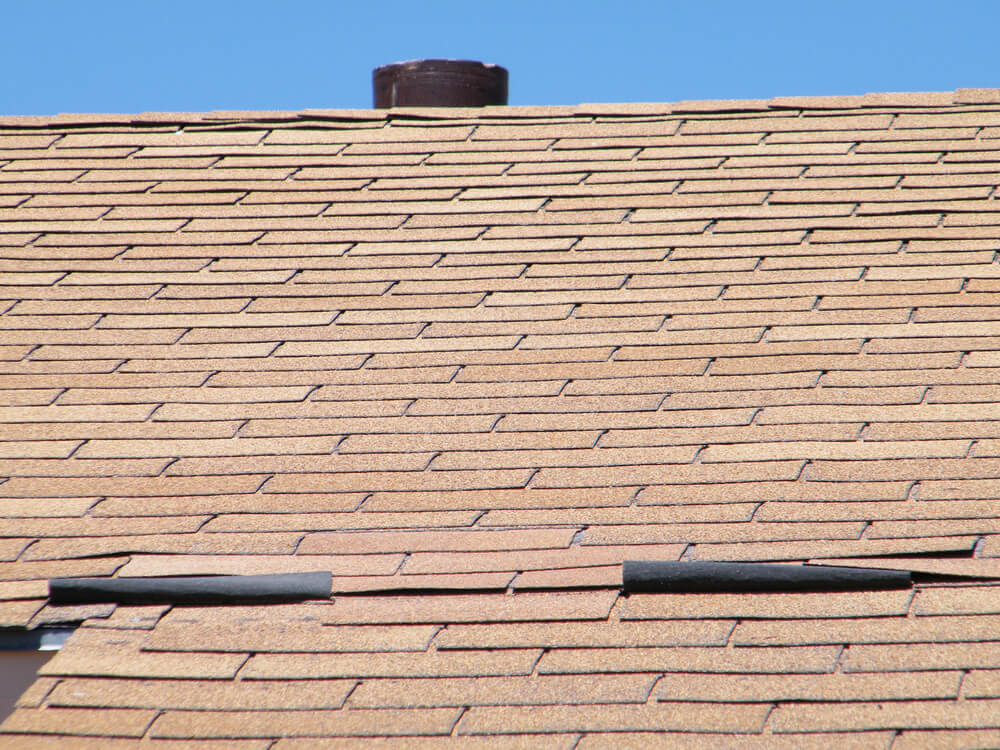
A spring nor’easter sweeps through Calvert County, and the next morning you find shingles scattered across the yard and a water stain spreading on your living room ceiling. Or maybe a fallen tree limb has punched a hole straight through your roof deck during a summer thunderstorm. In moments like these, what happens in the next 48 hours can make the difference between a fully covered insurance claim and a payout that leaves you with thousands of dollars out of pocket.
Filing a roofing insurance claim in Maryland isn’t complicated, but it does have a specific sequence, specific timelines, and specific documentation requirements. Get any of them wrong and you risk having your claim denied, underpaid, or delayed for weeks while you try to recover. Most Maryland homeowners file a major roofing claim only once or twice in their lifetime, which means the learning curve hits at the worst possible moment.
This guide walks you through the process step by step—from the moment the storm passes through the final repair invoice. The information here reflects current 2026 Maryland insurance practices and is drawn from over 30 years of experience helping Southern Maryland homeowners navigate roof damage claims. If you’d rather talk to a person, call G.H. Clark Contractors at (410) 414-7060. We offer free storm damage inspections across Calvert, St. Mary’s, and Anne Arundel counties.
When Should You File a Roofing Insurance Claim in Maryland?
File a Maryland homeowner’s insurance claim when your roof has been damaged by a sudden covered event—wind, hail, fallen trees, lightning, or fire. Damage from normal wear, aging shingles, or deferred maintenance is generally not covered and shouldn’t be claimed. If you’re unsure whether your damage qualifies, schedule a professional inspection before contacting your insurer.
Not every roofing problem belongs on a homeowner’s insurance claim. Here’s the basic rule: insurance covers sudden, accidental damage, not gradual wear or maintenance issues.
| Typically Covered | Typically Not Covered |
| Wind damage (lifted, missing, or cracked shingles) | Shingles aged out from normal wear (curling, granule loss) |
| Hail impact damage to shingles or flashing | Leaks from deferred maintenance |
| Fallen trees or large debris striking the roof | Cosmetic damage that doesn’t affect function (some policies) |
| Fire and lightning damage | Damage caused by poor original installation |
| Sudden leaks from storm-related flashing failure | Algae, moss, or organic growth on shingles |
How Quickly Do You Need to File After Storm Damage?
Maryland homeowner’s insurance policies typically allow 60–90 days to report storm damage, but filing within 24–48 hours is strongly recommended. Faster filing strengthens your case that the damage is storm-related rather than pre-existing, makes documentation easier, and allows emergency tarping to be reimbursed as a temporary repair. Delays often raise red flags with adjusters and can complicate or reduce settlements.
Two timelines matter here. The hard deadline is whatever your specific policy states, typically 60 to 90 days from the date of the loss. Miss that, and your claim can be denied outright regardless of how legitimate the damage is.
The practical deadline is 24–48 hours. Filing this quickly signals to your insurer that the damage is fresh, gives you the strongest possible documentation (recent photos, clear connection to the storm event), and lets you arrange emergency tarping that’s typically reimbursable as a temporary repair. The longer you wait, the more an adjuster can question whether the damage was caused by the storm you’re claiming or by something else weeks or months earlier.
What Should You Do Immediately After Storm Damage?
Immediately after storm damage, prioritize safety first by staying off the roof, then contain interior water with buckets and move belongings away from leak areas. Document all damage with photos and video before making any temporary repairs. Arrange emergency tarping through a licensed contractor to prevent further water intrusion, but do not authorize permanent repairs until your insurance adjuster has inspected the original damage.
- Stay safe and stay off the roof. A storm-damaged roof has compromised decking, slippery surfaces, and potentially live wires from fallen branches. Roof inspection waits for a professional.
- Contain interior water damage. Place buckets under active drips. Move furniture, electronics, and valuables away from the affected area. If a ceiling is bulging with trapped water, carefully puncture it over a bucket to release pressure before it collapses uncontrollably.
- Document everything before you touch it. Take photos and video from multiple angles—ground-level views of the roof, close-ups of any visible damage, the interior water staining, and any debris that caused the damage.
- Arrange emergency tarping. Most Maryland policies include a “duty to mitigate damages” clause that requires you to take reasonable steps to prevent further loss. A professional emergency tarp satisfies this requirement and is typically reimbursable as a temporary repair separate from your deductible.
- Do NOT make permanent repairs yet. Replacing shingles or repairing flashing before the adjuster inspects the damage eliminates the evidence your claim depends on. Temporary protection only.
How Do You Document Roof Damage for an Insurance Claim?
Strong documentation includes date-stamped photos and video of all visible exterior damage from multiple angles, close-up shots of damaged shingles, flashing, or gutters, interior photos of ceiling stains and water-affected belongings, and weather records confirming the storm event. The more comprehensive your documentation before emergency repairs, the harder it is for an adjuster to underestimate the scope of your claim.
The documentation phase is where most homeowners lose money—not because they did anything wrong, but because they didn’t do enough. A few photos taken from the driveway aren’t enough to support a five-figure claim.
What to capture:
- Ground-level photos: Walk the full perimeter of the home and photograph the roof from every angle. Get the full roofline in frame and zoom in on any visible damage.
- Close-up detail shots: If you can safely use a phone with zoom or a drone, capture detailed images of missing shingles, lifted edges, damaged flashing, and any visible holes.
- Interior damage: Photograph ceiling stains, water-damaged drywall, soaked insulation, and any belongings affected by water intrusion.
- Debris and cause: If a tree limb caused the damage, photograph it before it gets cleaned up. Photograph hail on the ground if it’s still visible.
- Video walkthrough: A continuous video of the property and damage provides context that still photos miss.
- Weather records: Save screenshots of weather reports, severe weather alerts, and news coverage from the date of the storm. This documents that a covered weather event actually occurred.
What’s the Difference Between ACV and RCV Policies in Maryland?
Maryland homeowner’s insurance policies pay claims in one of two ways. Actual Cash Value (ACV) policies pay the depreciated value of the damaged roof based on its age and condition. Replacement Cost Value (RCV) policies pay the full cost to replace the roof with new materials. RCV policies result in significantly higher payouts and are recommended for most Maryland homeowners. Maryland law SB0052, effective October 1, 2026, establishes new calculation methods for ACV recovery.
This single distinction can mean a difference of $5,000–$10,000 or more on a typical Maryland roof claim. If you don’t know which type of policy you have, call your insurance agent before storm season and find out.
Under an ACV policy, a 20-year-old asphalt shingle roof might be valued at only 30–40% of its replacement cost—because depreciation reduces the payout. You receive that depreciated amount minus your deductible, and you make up the difference out of pocket.
Under an RCV policy, you receive the actual cost to replace the roof with comparable new materials, minus your deductible. The insurer typically pays the depreciated value upfront and then releases the remaining depreciation (called the “recoverable depreciation”) after the work is completed, and you submit the final invoice.
Why Should You Get a Roofing Contractor Inspection Before the Adjuster?
An independent contractor inspection before the adjuster’s visit gives you a baseline understanding of the full scope of damage, including issues that may not be visible from ground level. Many licensed Maryland roofers (including G.H. Clark) provide these inspections at no cost. The resulting documentation lets you verify that the adjuster’s scope of loss matches what your roof actually needs.
Adjusters are professionals, but they’re also juggling dozens of claims at once, working under time pressure, and not always specialists in roofing. An adjuster who walks a 30-square Maryland roof in 20 minutes can miss things that affect your payout by thousands of dollars.
An independent contractor inspection does three things for you:
- Identifies hidden damage that ground-level inspection misses, including subtle hail bruising, hidden flashing failures, and decking damage visible only from on top of the roof.
- Creates an itemized written estimate formatted to align with industry-standard pricing tools, which lets the adjuster compare scope directly.
- Gives you a knowledgeable advocate who can be on-site during the adjuster’s visit—pointing out damage, asking the right questions, and ensuring nothing gets overlooked.
What Happens During the Insurance Adjuster’s Inspection?
During the adjuster’s inspection, they’ll evaluate the exterior damage, check the attic for active leaks and moisture, document their findings with photos, and prepare a “Scope of Loss” outlining what they believe needs to be repaired and at what cost. Plan to be present—or have your roofing contractor on-site—to ensure all damage is captured and to ask questions about the assessment in real time.
Your adjuster’s visit typically lasts 30–60 minutes for a standard residential roof. They’ll usually:
- Walk the perimeter and roof surface (weather and pitch permitting)
- Photograph all visible damage
- Check the attic for active leaks, water staining, and moisture
- Note the age and general condition of the roof
- Document their findings in a written Scope of Loss
Be there or have your contractor there. This isn’t adversarial; most adjusters welcome an experienced roofer pointing out damage and discussing scope. Adjusters appreciate clear, organized information, and your contractor can speak the same technical language. Together, the two of you make sure the assessment is complete.
How Do You Review the Settlement Offer?
Review the settlement offer against three benchmarks: your contractor’s independent estimate (does the scope match?), your policy type (ACV vs. RCV will affect the initial payout), and your deductible (how much is your responsibility?). If the settlement doesn’t cover the full scope of documented damage, you can request a re-inspection or file a supplement with additional documentation.
After the inspection, you’ll receive a settlement offer—typically within 7–14 days. Don’t sign anything until you’ve compared it carefully against your contractor’s independent estimate.
Look at three things:
- Scope: Does the adjuster’s list of damaged items match what your contractor documented? Missing items are the most common settlement problem and are usually resolved with a supplement.
- Pricing: Even if the scope is correct, the pricing per line item should be reasonable for the Southern Maryland market. Your contractor can verify whether the prices match current local costs.
- Deductible and depreciation: Your settlement check will be the total minus your deductible, and if you have an ACV policy or an RCV policy with a depreciation holdback, that’s a separate calculation. Make sure you understand what number you’re actually receiving.
What If the Settlement Is Less Than the Actual Repair Cost?
If the settlement doesn’t cover the full scope of necessary repairs, file a supplement. A supplement is additional documentation and a revised estimate showing the discrepancy between the adjuster’s scope and the actual damage. Your contractor prepares the supplement package, and the insurer typically reviews it within 1–3 weeks. Most legitimate supplements result in additional payment when properly documented.
Supplements are routine, they’re built into the claim process specifically because adjusters can’t catch everything in a single visit. Common reasons to supplement:
- Damage discovered during tear-off (rotted decking, missed flashing failures)
- Items the adjuster overlooked or misclassified
- Code-required upgrades (ice-and-water shield, drip edge, ridge venting)
- Pricing adjustments where the adjuster’s rates don’t match current market costs
Your contractor prepares the supplement—typically a written narrative, photos, and an updated itemized estimate—and submits it to your insurer. Most supplements are resolved within 1–3 weeks, though complex cases can take longer.
What Are the Most Common Reasons Maryland Roofing Claims Get Denied?
The most common reasons Maryland roofing claims are denied include damage attributed to wear and tear rather than a covered event, insufficient documentation, repairs made before the adjuster’s inspection, missed filing deadlines, and exclusions for cosmetic damage or older roofs. Many denials can be successfully appealed with additional documentation, a second professional inspection, or a formal complaint to the Maryland Insurance Administration.
If your claim is denied, the denial letter must specify the reason. Most denials fall into one of these categories:
- Wear and tear: The adjuster determined that the damage existed before the storm event you’re claiming. Strong documentation showing fresh damage tied to the specific storm can usually overcome this.
- Insufficient documentation: Photos that don’t clearly show the damage, or claims filed without the supporting weather records and contractor inspection reports.
- Late filing: Filed past the policy’s reporting deadline (typically 60–90 days).
- Excluded peril: The damage was caused by something your specific policy doesn’t cover—flooding, earth movement, certain types of cosmetic damage.
- Premature repairs: You repaired the damage before the adjuster could verify it, leaving the insurer no way to assess the original loss.
If your claim is denied and you believe it shouldn’t be, you have options. Request a re-inspection with additional documentation. Ask for a second adjuster. File a complaint with the Maryland Insurance Administration. Or, in extreme cases, consult with an attorney experienced in homeowner’s insurance disputes.
Get Help with Your Maryland Roofing Insurance Claim
Navigating a roofing insurance claim is easier with an experienced local contractor on your side, someone who can document the damage thoroughly, prepare an itemized estimate that aligns with insurance pricing standards, attend the adjuster’s inspection with you, and handle any supplements that come up along the way.
G.H. Clark Contractors offers free storm damage inspections to homeowners throughout Calvert, St. Mary’s, and Anne Arundel counties. We’ve been helping Southern Maryland families navigate insurance claims for over 30 years, and our family-owned approach means honest assessments without inflated estimates or pressure tactics. Call us at (410) 414-7060 or schedule your free inspection online.
Frequently Asked Questions About Maryland Roofing Insurance Claims
How long does a typical Maryland roofing insurance claim take from filing to payment?
Most valid claims are resolved within 2 to 6 weeks. Simple wind damage claims can settle in 7–14 days if documentation is strong. Larger or more complex claims involving structural damage, multiple covered items, or supplements can take 6–12 weeks. Communicating regularly with your adjuster helps keep things moving.
Will filing a claim raise my homeowner’s insurance premium?
It can, but the impact varies by carrier and claims history. A single weather-related claim usually has less impact than multiple claims over a short period. Most homeowners find that the cost of absorbing significant damage out of pocket far exceeds the impact of a moderate premium increase. Discuss your specific situation with your insurance agent before deciding.
Can my insurance company force me to use their preferred contractor?
No. Maryland law gives you the right to choose any licensed roofing contractor for your repair. Your insurer may suggest contractors in their network, but the choice is yours. Working with a contractor experienced in insurance claims often produces better outcomes than using a network contractor focused on minimizing the insurer’s cost.
What if I find damage weeks after the storm that I didn’t notice initially?
Document it as soon as you find it and contact your insurer. If you’re still within your policy’s reporting window (typically 60–90 days), you can file a claim or supplement an existing one. The earlier you find and report hidden damage, the easier it is to connect to the original storm event.
Does Maryland have any specific deductibles for storm-related roof damage?
Maryland policies use both flat-dollar deductibles ($1,000–$2,500 is typical) and percentage-based wind or hurricane deductibles (1–5% of insured value). Percentage-based deductibles are more common on policies for waterfront properties near the Chesapeake Bay, including homes in Chesapeake Beach, Solomons, and North Beach. Check your declarations page to see which applies.
Can I file a claim if my roof was damaged by old age rather than a storm?
No. Homeowner’s insurance is designed to cover sudden, accidental damage from specific covered events. A roof that has reached the end of its useful life through normal wear isn’t an insurable loss. If your roof is showing widespread age-related deterioration, plan for a replacement rather than pursuing a claim that’s likely to be denied.