
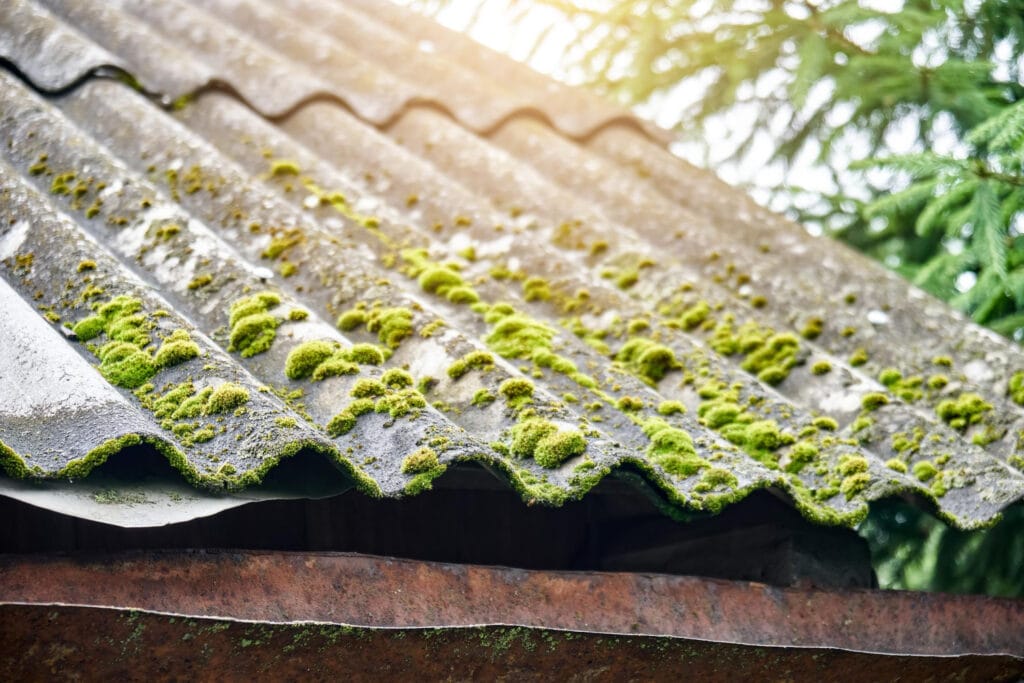
Steps for Dealing with Roof Mold in Maryland
Maryland’s changing weather patterns bring a mix of warm, damp summers and chilly, wet winters. That combination can be rough on rooftops, especially when it comes to mold. Roof mold might start off unnoticed, but it can lead to structural damage and even affect the air inside your home if it spreads far enough. It’s not just about appearance, either. Left unchecked, mold can sneak into your attic, weaken roof materials, and bring in other moisture-related problems too.
Since fall in Maryland tends to stay wet and leaf-filled, now’s the time to pay close attention to your roof. The longer mold sits on damp shingles or under debris, the deeper the problem can grow. Learning what to look for, what’s causing it, and what steps to take can help you catch roof mold early and prevent it from turning into a bigger issue.
Identifying Roof Mold
Roof mold doesn’t always show up in a big obvious patch. Sometimes, it hides in plain sight until it starts affecting your indoor air or damaging the roof layers beneath. Recognizing early signs can help catch mold growth before it spreads too far.
Here are some common signs that point to mold being on your roof:
– Discolored patches: Mold often starts as dark green, black, or brown spots on shingles
– Streaks on shingles or siding: These can run down from affected areas and look like a watercolor stain
– A musty smell in the attic: If it smells damp or earthy, there might be mold hiding underneath the roof deck
– Warped or curling shingles: Moisture from mold can start to damage shingles, causing them to lift or bend
– Sudden allergy flare-ups: If mold makes its way indoors, it can trigger coughing, sneezing, or itchy eyes
Even if you only see one or two of these signs, it could mean there’s mold growing somewhere up top. The tricky part is that a roof doesn’t always tell you there’s a problem with just one look. That’s why it’s best to lean on someone with roofing experience to do a proper inspection. Roof mold isn’t just a visual nuisance. In some cases, it can weaken the integrity of your roof and invite other problems like moss or mildew to settle in. That extra moisture can quickly impact the roof’s ability to drain and protect, especially after heavy fall rain.
Common Causes of Roof Mold in Maryland
Maryland’s environment creates ideal conditions for mold to form. Fall tends to bring rain and wind that leave roofs littered with damp leaves and standing water. When this combines with warm afternoons and chilly nights, you get a breeding ground for mold.
Here’s what typically gets that mold started:
1. Humidity – Maryland gets humid several times a year. That moisture in the air clings to roof surfaces and can settle deep into porous shingles
2. Poor drainage – If your gutters are backed up from leaves or other debris, they can overflow and keep the rooftop wet longer than it should be
3. Lack of sunlight – Roofs shaded by large trees or other structures often stay damp for longer, giving mold more time to develop
4. Inadequate ventilation – Without proper airflow in the attic, trapped heat and condensation can lead to mold buildup from the inside out
5. Storm debris – Branches, leaves, and organic matter from fall storms tend to stick to roof surfaces and trap moisture underneath
One homeowner in Southern Maryland found that after just a few weeks of skipping gutter cleanups, discolored patches started to form where wet leaves had gathered. Even though the roof looked fine before the fall season, that small debris buildup turned into a bigger issue that required professional attention.
Staying ahead of these mold triggers is the best way to avoid damage. In Maryland, where weather conditions shift pretty quickly heading into winter, keeping rooftops clean and water-free plays a big role in mold prevention. Once mold takes hold, it rarely goes away without professional help, especially when it reaches below the roofing surface. Addressing the root of the issue is the only way to stop it from coming back.
Steps for Dealing With Roof Mold
Dealing with roof mold effectively requires more than just a casual glance. You need a plan to spot, clean, treat, and prevent. Here is a simple way to tackle these steps:
1. Inspecting the Roof – Start with a professional inspection. Mold can hide in tricky places and sometimes only a keen eye can see the early stages. Professionals can identify all the affected areas and assess how severe the mold problem is. Even if it looks minor, mold can extend beneath the surface, affecting the roof’s core components
2. Cleaning Mold Safely – Cleaning mold off a roof is not the same as tackling indoor mold spots. Getting it wrong can both spread spores and lead to more damage. Instead of taking risks with DIY methods, which can also be hazardous, lean on professionals to handle it with the right equipment and cleaning solutions
3. Treating and Preventing – After cleaning, a preventive treatment is key. This might involve applying a mold-resistant sealant to help protect the roof shingles and surfaces. Different materials and products are available that keep mold from making a comeback. They create a barrier that might not stop mold entirely but definitely slow it down
4. Repair and Maintenance – Post-cleanup, regular maintenance is your best bet to keep mold away for good. This includes clearing gutters, trimming overhanging branches, and checking for any potential leaks. Consistent care helps spot trouble before it gets a grip
Once these steps are in place, mold shouldn’t be bothering your roof any longer. But keeping up with regular maintenance still matters. Keeping tabs on your roof every few months, especially after wet seasons, is a smart way to prevent future issues.
Why Hire G.H. Clark Contractors
Roof mold in Maryland needs quick attention and smart solutions. That’s where we come in. At G.H. Clark Contractors, we know what it takes to deal with mold on Maryland rooftops. Our team has handled homes across different counties, providing mold treatment to match each roof’s needs.
We are fully licensed and insured, which gives our customers peace of mind. Our experience working with all types of roofing materials in Maryland climates means you get solutions that work, not just short-term fixes. From identifying the early signs to applying preventative measures, we stay focused on saving your roof before the problem spreads further.
We also understand how urgent mold issues can be. That’s why we provide timely, customer-first service that helps keep your home and health protected. Trust us to restore your roof and prevent mold from coming back.
Keeping Mold Out for Good
After getting your roof back in shape, the goal is to keep it mold-free going forward. A few consistent practices can support this effort and safeguard your home’s structural health.
Regular inspections are helpful. It’s much easier to catch mold early and manage it before it spreads. Schedule inspections at least once a year, or after heavy storms. Consistency here helps stop new mold before it becomes a problem again.
Keep up with preventive care. Clean out those gutters monthly to prevent water from pooling. Remove leaves, branches, and debris regularly. Trimming trees that block sunlight can also help your roof dry out faster after a rain.
Encouraging airflow can make a big difference. Good ventilation in your attic is key to keeping spaces dry. This means checking vents for blockages like dust or nests that might build up quietly over time. If warm air gets stuck inside your attic, condensation can form. That moisture then becomes trapped and invites mold to spread from the inside out.
Keeping mold away takes some work, but with the right help and a few simple routines, it’s completely manageable. Maryland’s roofing conditions might create challenges, but the right support can turn them into nothing more than routine upkeep. Working with skilled roofers in Maryland not only helps fix issues fast but also keeps your roof defended well into the future.
Protecting your home from roof mold is easier with experts who understand Maryland’s unique climate challenges. For guidance and effective solutions, rely on experienced roofers in Maryland. G.H. Clark Contractors is here to help keep your roof healthy and mold-free year-round.