roof mold

Steps for Dealing with Roof Mold in Maryland

Maryland’s changing weather patterns bring a mix of warm, damp summers and chilly, wet winters. That combination can be rough on rooftops, especially when it comes to mold. Roof mold might start off unnoticed, but it can lead to structural damage and even affect the air inside your home if it spreads far enough. It’s not just about appearance, either. Left unchecked, mold can sneak into your attic, weaken roof materials, and bring in other moisture-related problems too.

Since fall in Maryland tends to stay wet and leaf-filled, now’s the time to pay close attention to your roof. The longer mold sits on damp shingles or under debris, the deeper the problem can grow. Learning what to look for, what’s causing it, and what steps to take can help you catch roof mold early and prevent it from turning into a bigger issue.

Identifying Roof Mold

Roof mold doesn’t always show up in a big obvious patch. Sometimes, it hides in plain sight until it starts affecting your indoor air or damaging the roof layers beneath. Recognizing early signs can help catch mold growth before it spreads too far.

Here are some common signs that point to mold being on your roof:

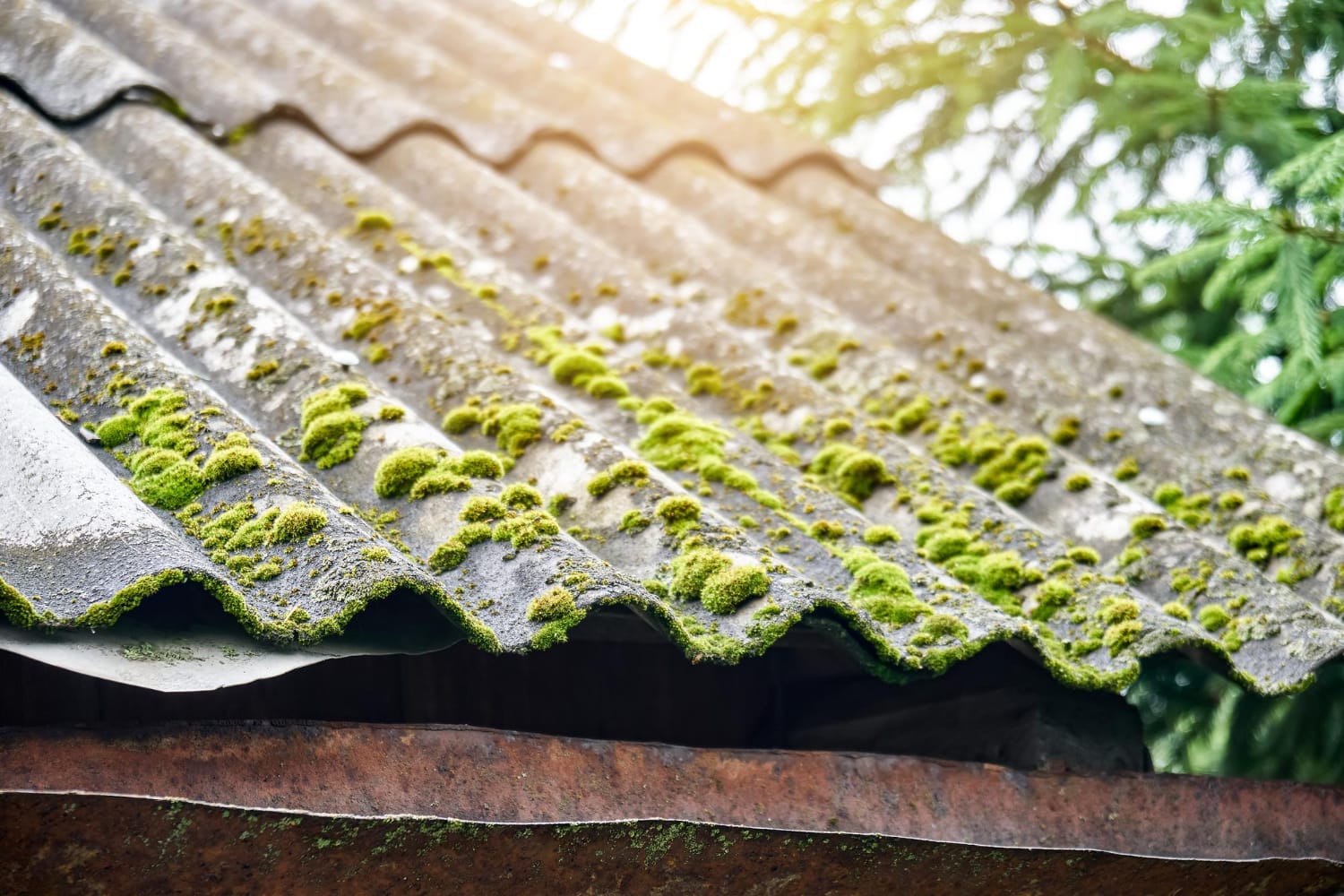
– Discolored patches: Mold often starts as dark green, black, or brown spots on shingles
– Streaks on shingles or siding: These can run down from affected areas and look like a watercolor stain
– A musty smell in the attic: If it smells damp or earthy, there might be mold hiding underneath the roof deck
– Warped or curling shingles: Moisture from mold can start to damage shingles, causing them to lift or bend
– Sudden allergy flare-ups: If mold makes its way indoors, it can trigger coughing, sneezing, or itchy eyes

Even if you only see one or two of these signs, it could mean there’s mold growing somewhere up top. The tricky part is that a roof doesn’t always tell you there’s a problem with just one look. That’s why it’s best to lean on someone with roofing experience to do a proper inspection. Roof mold isn’t just a visual nuisance. In some cases, it can weaken the integrity of your roof and invite other problems like moss or mildew to settle in. That extra moisture can quickly impact the roof’s ability to drain and protect, especially after heavy fall rain.

Common Causes of Roof Mold in Maryland

Maryland’s environment creates ideal conditions for mold to form. Fall tends to bring rain and wind that leave roofs littered with damp leaves and standing water. When this combines with warm afternoons and chilly nights, you get a breeding ground for mold.

Here’s what typically gets that mold started:

1. Humidity – Maryland gets humid several times a year. That moisture in the air clings to roof surfaces and can settle deep into porous shingles
2. Poor drainage – If your gutters are backed up from leaves or other debris, they can overflow and keep the rooftop wet longer than it should be
3. Lack of sunlight – Roofs shaded by large trees or other structures often stay damp for longer, giving mold more time to develop
4. Inadequate ventilation – Without proper airflow in the attic, trapped heat and condensation can lead to mold buildup from the inside out
5. Storm debris – Branches, leaves, and organic matter from fall storms tend to stick to roof surfaces and trap moisture underneath

One homeowner in Southern Maryland found that after just a few weeks of skipping gutter cleanups, discolored patches started to form where wet leaves had gathered. Even though the roof looked fine before the fall season, that small debris buildup turned into a bigger issue that required professional attention.

Staying ahead of these mold triggers is the best way to avoid damage. In Maryland, where weather conditions shift pretty quickly heading into winter, keeping rooftops clean and water-free plays a big role in mold prevention. Once mold takes hold, it rarely goes away without professional help, especially when it reaches below the roofing surface. Addressing the root of the issue is the only way to stop it from coming back.

Steps for Dealing With Roof Mold

Dealing with roof mold effectively requires more than just a casual glance. You need a plan to spot, clean, treat, and prevent. Here is a simple way to tackle these steps:

1. Inspecting the Roof – Start with a professional inspection. Mold can hide in tricky places and sometimes only a keen eye can see the early stages. Professionals can identify all the affected areas and assess how severe the mold problem is. Even if it looks minor, mold can extend beneath the surface, affecting the roof’s core components

2. Cleaning Mold Safely – Cleaning mold off a roof is not the same as tackling indoor mold spots. Getting it wrong can both spread spores and lead to more damage. Instead of taking risks with DIY methods, which can also be hazardous, lean on professionals to handle it with the right equipment and cleaning solutions

3. Treating and Preventing – After cleaning, a preventive treatment is key. This might involve applying a mold-resistant sealant to help protect the roof shingles and surfaces. Different materials and products are available that keep mold from making a comeback. They create a barrier that might not stop mold entirely but definitely slow it down

4. Repair and Maintenance – Post-cleanup, regular maintenance is your best bet to keep mold away for good. This includes clearing gutters, trimming overhanging branches, and checking for any potential leaks. Consistent care helps spot trouble before it gets a grip

Once these steps are in place, mold shouldn’t be bothering your roof any longer. But keeping up with regular maintenance still matters. Keeping tabs on your roof every few months, especially after wet seasons, is a smart way to prevent future issues.

Why Hire G.H. Clark Contractors

Roof mold in Maryland needs quick attention and smart solutions. That’s where we come in. At G.H. Clark Contractors, we know what it takes to deal with mold on Maryland rooftops. Our team has handled homes across different counties, providing mold treatment to match each roof’s needs.

We are fully licensed and insured, which gives our customers peace of mind. Our experience working with all types of roofing materials in Maryland climates means you get solutions that work, not just short-term fixes. From identifying the early signs to applying preventative measures, we stay focused on saving your roof before the problem spreads further.

We also understand how urgent mold issues can be. That’s why we provide timely, customer-first service that helps keep your home and health protected. Trust us to restore your roof and prevent mold from coming back.

Keeping Mold Out for Good

After getting your roof back in shape, the goal is to keep it mold-free going forward. A few consistent practices can support this effort and safeguard your home’s structural health.

Regular inspections are helpful. It’s much easier to catch mold early and manage it before it spreads. Schedule inspections at least once a year, or after heavy storms. Consistency here helps stop new mold before it becomes a problem again.

Keep up with preventive care. Clean out those gutters monthly to prevent water from pooling. Remove leaves, branches, and debris regularly. Trimming trees that block sunlight can also help your roof dry out faster after a rain.

Encouraging airflow can make a big difference. Good ventilation in your attic is key to keeping spaces dry. This means checking vents for blockages like dust or nests that might build up quietly over time. If warm air gets stuck inside your attic, condensation can form. That moisture then becomes trapped and invites mold to spread from the inside out.

Keeping mold away takes some work, but with the right help and a few simple routines, it’s completely manageable. Maryland’s roofing conditions might create challenges, but the right support can turn them into nothing more than routine upkeep. Working with skilled roofers in Maryland not only helps fix issues fast but also keeps your roof defended well into the future.

Protecting your home from roof mold is easier with experts who understand Maryland’s unique climate challenges. For guidance and effective solutions, rely on experienced roofers in Maryland. G.H. Clark Contractors is here to help keep your roof healthy and mold-free year-round.

roof fallen leaves

Preventing Roof Damage from Falling Leaves in Montgomery County

Fall in Montgomery County paints a beautiful picture with trees full of rich colors and cool evening air. But once those leaves start coming down, they can make a mess out of more than just your yard. If left unchecked, falling leaves can actually harm your roof. From clogged gutters to hidden moisture problems, it’s something homeowners should keep an eye on as the season rolls in.

You might not think much of a thin layer of leaves sitting on your roof. But over time, they don’t just dry up and blow away. Leaves that pile up and stay wet can sneak behind shingles or block critical drainage paths. That’s why paying attention each fall can help you avoid bigger issues later. Here’s a closer look at why this matters and what steps make a real difference.

The Impact Of Falling Leaves On Your Roof

Once leaves hit the rooftop, they don’t stay flat and dry. Wind and rain can push them into the valleys of your roof or pack them tightly in gutters. If they don’t get cleared, they begin to trap moisture. That trapped water can start to wear away roofing materials and sneak into your home through weak spots.

When gutters and downspouts get clogged up with leaves and small sticks, water has nowhere to go. It either backs up under shingles or spills over the sides. Neither option is good. Water under the shingles can cause roof sheathing to rot. Overflow along the edges can damage siding or seep into the foundation. Both lead to repairs that feel like they came out of nowhere.

These leaf piles also become a hidden issue when they stay wet. That dark, damp layer creates the perfect spot for moss or mildew to grow. Over time, these growths dig into shingles or wood, making an easy path for damage. And when leaves freeze while stuck in these areas, they expand and can loosen parts of the roof.

Here are a few problems that often show up when leaf buildup is ignored:

– Blocked drainage due to packed gutters or downspouts
– Warped or cracked shingles from moisture collection
– Roof sagging from added weight in corners and roof valleys
– Mold growth forming underneath compacted leaves
– Ice pockets forming in cold weather after moist leaf buildup

When all of this happens quietly during fall, most homeowners don’t notice until a leak shows up indoors. That’s why early action helps you stay ahead of possible damage.

Regular Roof Maintenance Tips For Fall

A simple maintenance plan in the fall can make all the difference. Even small steps done at the right time can prevent clogs and rot from taking hold. Roofs are designed to shed water and snow, but when leaf piles throw that off balance, things go south quickly.

Gutters should be cleared more than just once. If your property has a few large trees nearby, you might need to check and clear them two or three times during the season. Don’t forget about downspouts either. Water needs to flow down and away from the home, so if anything’s blocking the path, you’ve got a setup for leaks.

Look at your roof’s surface too. Areas where debris tends to collect like valleys, behind chimneys, or along skylights need extra care. Leaves can wedge in tight, and if you don’t remove them, they trap water. It doesn’t take much build-up before water finds its way under the protective layers.

It’s also smart to get those tree branches trimmed back, especially if they hang over or near the roof. Any time a strong wind blows, leaves and small twigs drop straight onto the roof. Removing or thinning those branches can reduce how many leaves end up in the first place.

Here’s a quick reminder list to follow every fall:

– Clean gutters and downspouts regularly, especially after heavy leaf fall
– Inspect your roof for leaf piles around chimneys, skylights, and valleys
– Trim any tree branches that hang over or brush up against your roof
– Look for sagging or pooling areas that could be trapping water
– Schedule a professional inspection if you’re unsure about what you’re seeing

Taking these steps in October right when the leaves start to drop gives you a head start before moisture settles in and cold weather makes problems tougher to spot or fix. Keeping up with regular checks means less surprise damage and more peace of mind through the rest of the year.

Effective Leaf Removal Strategies

Keeping leaves off your roof and out of your gutters might seem tricky, but there are straightforward strategies to make this task easier. Start with the right tools. Leaf blowers and roof rakes are specifically designed to clear leaves efficiently from roofs and gutters without causing damage. A leaf blower works great for quick, surface-level clearing, while a roof rake can reach into those tricky corners where leaves tend to pile up.

If you prefer removing leaves by hand, make sure you’re safe while doing so. Working on a roof or ladder can be dangerous without the proper precautions. Use a sturdy ladder positioned on stable ground, and don’t reach too far to either side. Wearing non-slip shoes and a safety harness can help prevent accidents. It’s always wise to have another person with you as a spotter or for assistance.

Although these tools can be useful, having professionals handle the job provides a far more complete result. Trained roofers can spot potential issues that may not be obvious to the untrained eye. They can ensure leaves and debris are fully cleared and provide upkeep advice that matches your specific roof design and location.

The Role Of Professional Roofers In Preventing Damage

Enlisting the help of professional roofers in Montgomery County ensures that your roof remains in good shape throughout the fall. These experts conduct thorough inspections and have the skills to clean your roof and gutters carefully. They can detect and fix small issues before they lead to big repairs. With their understanding of the area’s weather patterns and roofing challenges, professionals offer solid recommendations for seasonal roof care.

Having someone with roofing knowledge check your home regularly does more than just save money. It helps your roof last longer and avoids panic repairs during winter. Professionals bring tools and expertise that homeowners often don’t have, making the job safer and more efficient.

Expert visits also help maintain good drainage. That’s key for avoiding ponding water and mildew. They can install preventive features when needed, like splash guards or gutter mesh, and give you pointers about tree trimming or moisture control specific to your property.

When you work with roofers who know Montgomery County well, you’re getting more than just cleaning. You’re getting ongoing protection and peace of mind.

Stay Ahead of Problems This Fall

As the leaves fall in Montgomery County, protect your roof by staying proactive. A small amount of care and attention now can prevent headaches down the road. Take the time to clean and inspect often, and deal with anything unusual as soon as it’s noticed. All of these efforts will set you up for a worry-free winter.

Protecting your roof is a big part of keeping your home comfortable and damage-free. By staying observant and calling in professional help when needed, you can avoid the stress of major repairs. Waiting until a leak or mold appears may cost more and take longer to fix. Regular upkeep each fall gives you confidence and keeps your home safe.

Call local experts who understand the conditions in Montgomery County. With a little planning and support, your roof will stay strong through fall and beyond.

If you’re looking to protect your home this fall, trust the team at G.H. Clark Contractors for reliable solutions that last. Our experienced roofers in Montgomery County are here to help you tackle seasonal roof maintenance with expert care and attention. Let us handle the hard stuff so you can enjoy peace of mind all season long.

Navigating the Challenges of Metal Roofing Installations

Metal roofs are quickly becoming a top pick for Maryland homeowners, and for good reason. They are strong, last for decades, and hold up well through all types of weather. Whether it’s heat from the summer sun or the cold winds blowing through in the fall, a properly installed metal roof can handle it. You’ll also find that they come in a variety of styles, making them an appealing option for both function and curb appeal.

That said, getting a metal roof installed isn’t always smooth. There are some real challenges that often go unnoticed until it’s too late. From how the panels can shift with temperature changes to concerns about noise when it rains hard, it’s helpful to know what to expect. If you’re looking into metal roofing in Maryland, especially with fall around the corner, it’s a good time to go over both the perks and the problems, plus how to solve them the right way.

Why Choose Metal Roofing

A big reason folks go with metal roofing is how well it holds up over time. While other materials might show wear in just a few years, metal can stay strong and dependable for decades if it’s installed and maintained right. That means fewer repairs, less worry, and a lot more peace of mind in the long run.

Beyond durability, metal roofs also bring a unique look. You can find them in different colors and finishes, from sleek steel panels to textured styles that mimic traditional shingles. This gives homeowners some freedom to match their roof to the rest of their house without giving up the strength that metal brings.

Here are a few reasons people in Maryland keep turning to this option:

1. Long Lifespan: With the right build and setup, metal roofs can outlast typical roofing materials.
2. Weather Resistance: Great for homes that deal with a mix of snow, rain, sun, and humidity.
3. Style Options:Available in multiple patterns and finishes that work for modern or classic home styles.
4. Eco-Friendly: Many metal roofs contain recycled materials and can be recycled again after use.

So if you’re after something that looks nice and stands strong against the Maryland elements, metal roofing might make the shortlist.

Common Challenges in Metal Roofing Installations

As great as metal roofing can be, it does come with some hurdles, especially during installation or the early days of ownership. Some of these challenges are minor, but others can cause long-term issues if not handled properly.

1. Upfront Cost

One of the first things people notice is the price tag. Metal roofing isn’t cheap. Many homeowners hesitate when they compare it to asphalt or wood shingles. While the idea of spending more upfront can be tough, the long-term return is usually much better. That said, the larger investment at the start can feel like a roadblock for some buyers.

2. Noise During Rain or Storms

This one surprises people. Metal roofs can be louder when rain hits, especially if there’s not enough insulation underneath. Some folks love the sound, but others find it distracting or irritating, especially during storms or hail. If you’re sensitive to sound, this is something to think about early on.

3. Thermal Expansion and Contraction

Temperature swings can cause the metal panels to expand and contract. Over time, this movement might loosen fasteners or affect how seams line up. Maryland is no stranger to hot summers and cold winters, so this issue isn’t just on paper. It’s something that really plays out here.

Ignoring these challenges can lead to costly fixes later down the line. But understanding them early gives you a better shot at planning for the right solutions.

Solutions to Metal Roofing Challenges

While the challenges of metal roofing can feel daunting, they can be resolved with the right approach. One way to tackle the higher upfront cost is through smart financing options that allow you to spread the investment over time. Although the initial outlay is significant, the savings you’ll gain from low maintenance and the long lifespan of metal roofs make them a wise decision in the long run.

To address noise concerns during rain or hail, homeowners can explore insulation and underlayment solutions. Proper insulation not only softens outside sounds but also boosts energy efficiency, keeping your home more comfortable throughout the seasons. When installed correctly, the combination of insulation and underlayment can lessen noise to levels that match or even beat traditional roof materials.

For the issue of thermal expansion and contraction, expert installation is essential. Contractors trained in metal roofing will use materials and fasteners that account for this natural movement to prevent shifting panels and leaks. Maryland’s temperatures swing quite a bit, so skipping this detail can cause real issues later on. An experienced installer knows how to work with your home’s design, roofing material, and temperature patterns to make sure everything stays tight and secure.

Importance of Professional Installation

Hiring a skilled professional for your metal roof installation makes all the difference. When it’s professionally handled, you don’t have to worry about poor seam alignment, lack of noise buffering, or fasteners that can’t handle expansion. These specialists make sure your roof not only looks good from day one but also holds up year after year in Maryland’s changing weather.

A seasoned installer can spot small problems before they grow. Whether it’s a slight slope issue or material mismatch, they’ll catch it early and offer solutions right away. They understand the fine details of skylights, vents, flashing, and valleys, making sure every part of the roof works together. With someone like G.H. Clark Contractors, homeowners can relax knowing that trusted professionals have the job covered from start to finish.

Give Your Home the Advantages of a Metal Roof

Metal roofing offers more than just a beautiful look. It brings strength, durability, and energy-minded design to homes across Maryland. When planned and installed the right way, it’s an investment that pays off in fewer repairs, lower utility costs, and increased home value.

Being aware of the common challenges helps you make smarter choices. Whether it’s buffering the sound of heavy rain or making room for thermal change, taking steps in advance saves you from stress later on. That all starts with picking the right installer. Choosing someone local who understands your needs and your climate means your roof will keep you covered for years to come.

With expert support and smart planning, metal roofing in Maryland becomes a solid choice you can feel confident in. It’s not just about getting a new roof. It’s about getting it done right.

Thinking about adding a metal roof to your Maryland home? For reliable guidance and expert craftsmanship, trust the team at G.H. Clark Contractors. Learn more about how we can help with metal roofing in Maryland and find the right solution built to last.

roof inspection

Preparing for a Roof Inspection: What to Expect

Your roof keeps the house dry, blocks out the wind, and shields everything inside. Over time, even the strongest roofing materials can break down without showing obvious signs from the ground. That’s why getting a roof inspection now and then really matters—it helps catch small problems before they turn into big repairs. For homeowners in Annapolis, fall is a solid time to schedule one. The summer heat has passed, the weather’s mild, and heavy winter rains haven’t hit yet. You’ll have a better shot at getting work done quickly if something serious comes up.

Being ready for a roof inspection isn’t just about calling someone and waiting for them to show up. Knowing what’s involved helps you stay ahead of issues and feel more confident about what’s happening on your property. Whether your home is a one-level ranch or a two-story colonial tucked near the water, asking for a roof inspection this time of year can help keep things running smooth when colder weather rolls in.

Why Roof Inspections Are Important

A roof that looks fine from the street can still have weak spots hiding under shingles or around roof edges. Rain doesn’t need much of a gap to sneak in, and once it does, the damage creeps into the wood, insulation, and drywall. Regular inspections help spot these openings before they become handy entry points for water or worse, mold and expensive repairs.

Some of the most common problems an inspector might find include:

– Cracked or curling shingles that expose the underlayer
– Loose flashing around vents, skylights, or chimneys
– Blocked or sagging gutters that won’t drain water right
– Roof valleys collecting dirt and moisture
– Soft spots or dips that suggest rot under the surface

In Annapolis, where changing temperatures and occasional storms are normal throughout the year, a roof takes a lot of hits. Inspections can pick up on wear caused by summer sun, debris-laden winds, or heavy rains that have passed through. Even animals building nests in edges or openings can cause lasting issues if not removed and sealed up properly.

Getting an inspection gives you peace of mind. It’s not just about finding something wrong. It’s about knowing your home is always in good shape from the top down. If everything looks clear, that’s great news. If not, you’ll know about it early enough to make decisions before things get worse. Either way, you stay informed.

What to Expect During a Roof Inspection

Knowing what the job actually looks like helps you plan better and feel more at ease with having someone walk around on your roof. Most roof inspections follow a step-by-step process. It’s not rushed, but it shouldn’t take the whole day either unless something deeper is found and checked more closely.

Here’s what professionals usually do:

1. Visual Scan from the Ground – Before climbing up, inspectors usually take a look with binoculars or the naked eye to spot anything obvious like loose shingles or blocked gutters.
2. Climb Up and Check the Surface – Once on the roof, they’ll inspect general wear, missing materials, moss buildup, punctures, and pooling water.
3. Inspect Specific Features – Flashing around features like skylights and chimneys is checked to see if it’s sealed and not pulling away.
4. Gutters and Downspouts – These are checked for debris, sagging, and proper drainage routing away from the house.
5. Attic or Interior Checks – Some inspectors check from inside, looking for wet insulation, mold, or light leaks that show where water is getting in.

In some cases, photos are taken during the inspection to document areas that need repair or further watching. That helps you see exactly what’s going on without needing to climb onto a ladder yourself. It turns what might feel like a mysterious, hard-to-understand part of homeownership into something visual and easier to process.

So if this fall you’re having someone out to look over your roof in Annapolis, this is typically what they’ll focus on. And if you know your home had some rough weather over summer or is coming up on the 10-year mark since the last inspection, getting one done now before winter is just a smart move.

Preparing Your Home for a Roof Inspection

It’s good practice to get a few things ready before the inspector arrives. This not only helps the inspection go smoothly but also ensures all areas of your roof are checked efficiently. Here’s how to prepare:

– Clear the Area Around Your House: Make sure to trim back any overhanging tree branches so the inspector can reach your roof easily. Clear away outdoor furniture or toys that might be obstructing pathways.
– Ensure Safe Roof Access: Confirm that any ladders or access points the inspector will use are unobstructed. Inspectors usually bring their own equipment, but it’s helpful to have clear paths.
– Schedule in Advance: Book your inspection for a clear weather day if possible. Rain can interfere with the inspection and visibility.
– Be Present: While it’s not mandatory, being home allows you to ask any questions straight away and get a firsthand explanation of what was found.

Following these steps helps the inspector focus on evaluating your roof without any delays. Annapolis is no stranger to unpredictable weather, so it’s a good move to be prepared ahead of time.

Benefits of Professional Roof Inspection Services

Choosing to hire professionals for your roof inspection can make a big difference. Unlike a DIY approach, professionals come prepared with the expertise and tools necessary to identify both obvious and hidden issues.

– Safety: Climbing on roofs is risky if you’re not used to it. Professionals know how to move around safely and have the right gear for it.
– Thoroughness: Professionals have a trained eye for details that a casual look might miss. They check all the main areas and side spots that might harbor issues.
– Experience and Knowledge: Roof inspectors have dealt with different types of roofs and know what specific problems to expect based on local weather conditions and the age of your roof.

No need to stress about what’s happening up there. These folks have seen it all and know how to handle various situations. You can rely on them to give you a clear picture of your roof’s health, freeing you from guesswork.

Staying Ahead of Roof Issues in Annapolis

Maintaining your roof should be part of your routine home care if you want it to last. Regular inspections ensure that your roof remains in good condition, addressing minor issues before they escalate.

A simple action plan could include:

– Consistent Inspection Schedule: Have inspections at least once a year, preferably before the tricky seasons like winter. This helps keep ahead of any surprises.
– Immediate Repairs: If an inspection reveals any problems, schedule repairs sooner than later. Delaying repairs can make them worse and cost more.

Taking these steps not only extends the life of your roof but also saves you money and potential headaches. Plus, a well-maintained roof adds curb appeal and value to your home.

Knowing you’ve prepared your roof for whatever comes can be a relaxing thought, especially if cold and rainy weather is on the horizon. So as fall arrives in Annapolis, think about setting up that inspection and rest easy knowing your home is ready to face Maryland’s varied weather.

For homeowners in Annapolis looking to keep their roofs in good condition and avoid surprises down the road, getting expert help can make all the difference. Learn more about our roof inspection services to see how G.H. Clark Contractors can help protect your home through every season.

roof repair

How to Address Emergency Roof Repairs in Annapolis

Roof problems rarely come with a warning. One minute your home feels secure, and the next, you’re dealing with leaks, sagging ceilings, or shingles scattered across your yard. Emergency roof issues can show up fast, especially if you live in Annapolis where sudden weather changes are common. Whether it’s from heavy rains or lingering damage after summer storms, roofing issues often arrive when you’re not expecting them.

As fall begins and hurricane season draws to a close, this is the perfect time for Annapolis homeowners to pay close attention to their roofs. Waiting to take action can lead to major problems, like mold, wood rot, or water damage inside your home. Knowing the warning signs and how to respond quickly can make all the difference in keeping your home safe and your repair bills manageable.

Identifying Roof Damage

Sometimes roof damage is easy to spot, and other times, it’s a bit more hidden. After a storm or some heavy rain, it’s a good idea to go outside and look around for signs of trouble. Many homeowners miss early damage because it hasn’t made its way inside yet.

Here are a few warning signs to keep an eye out for:

– Water stains on ceilings or walls
– Missing or torn shingles
– Loose roofing materials in your yard
– Sagging or soft spots on parts of the roof
– Drips or musty smells coming from the attic
– Shine-through nails called shiners that let moisture inside
– Damage around vents, chimneys, or roof flashing

Annapolis gets a mix of weather throughout the year, including humidity, rain, and the occasional coastal storm. All of that can wear down your roof faster than you might think. Salt from the bay air also breaks down materials like metal and shingle granules over time. After a big storm with strong winds, it’s common to discover that shingles have lifted or water has snuck in and started causing problems.

Keeping an eye on your roof when the seasons change can help catch these issues early. The heat of summer can dry out sealing materials, while fall moisture exposes weaknesses that may have been there all along. Taking care of things now can stop small damage from turning into major repairs during winter.

Immediate Actions To Take

When you notice something wrong with your roof, acting quickly can help limit the damage. The longer water or weather sneaks its way in, the more likely it is to cause structural issues inside your home.

Here are five steps to take right away:

1. Protect what you can. Move electronics, rugs, and furniture out from under any leaks. You can place plastic or containers to catch water if needed.
2. Limit the water entry. Without climbing on the roof, see if you can use towels or other materials to reduce the spread of water indoors.
3. Take photos of the problem. Documenting damage helps explain the issue clearly to a roofer. It can also come in handy if you need to talk to your insurance company.
4. Stay off the roof. It’s dangerous, especially if it’s slippery or dark. Even experienced contractors take extra precautions when it’s wet or unstable.
5. Monitor the situation. Keep watching for new leaks, growing stains, or any change in how your ceilings or attic looks and smells.

Quick thinking can make all the difference. While it may feel overwhelming during a storm or downpour, a calm, careful approach helps control the situation until you can bring in expert help.

Contacting Professional Roofers

Getting support from a professional roofer is the quickest and safest way to deal with emergency roof damage. Trying to repair things yourself might seem quicker or cheaper, but it often leads to bigger problems later on. A trained expert not only knows what to look for but also how to fix it the right way without risking further damage to your home or injury to yourself.

Professional roofers are skilled at handling all types of roofing systems and weather-related problems. Here’s what they bring to the table:

– Experience with different roofing materials and how they react to Annapolis’s climate
– The ability to spot related issues that aren’t obvious at first glance
– Tools and methods to complete repairs efficiently and safely
– Careful safety protocols to minimize all hazards during the process

G.H. Clark Contractors understands how unpredictable Annapolis weather can be and how tough it can be finding timely help. That’s why we offer responsive repair services you can count on when unexpected roof damage hits. Letting professionals handle the inspection and repair protects both your home and your peace of mind. Getting it done right the first time saves time, stress, and future problems.

Preventative Measures For The Future

Once the emergency is out of the way, it’s time to look forward. Preventing roof issues before they start is one of the best ways to save time, money, and stress later on. Simple routines and seasonal upkeep can make a big difference in how well your roof holds up over time.

Here are some ideas to build into a regular maintenance schedule:

– Trim back overhanging tree limbs that can break or rub the roof during storms
– Clean out clogged gutters so water doesn’t build up and sneak under the shingles
– Have your roof inspected once or twice a year, especially before or after storm season
– Check for damage after long stretches of rain or wind
– Replace cracked, curled, or missing shingles as soon as you notice them

Preventative roof care is especially useful in coastal towns like Annapolis, where weather tends to shift quickly and salt air chips away at protective layers over time. When you stay ahead of these problems, you’re less likely to face surprises later down the road.

Scheduled inspections help catch weak spots early. That gives you the chance to repair or reinforce areas before they become emergencies during the next storm. It’s a small investment of time and attention that pays off in the long run.

Why Acting Fast Saves More Than Just Your Roof

Your roof plays a big role in your home’s comfort and safety. Letting damage sit—especially if it’s minor at first—only gives it time to spread. That can turn something like a loose shingle into a leaking ceiling, ruined insulation, or even structural rot.

Prompt action keeps water where it belongs and prevents further headaches. Along with avoiding expensive fixes, it also lowers the risk of mold growth, pest entry, or energy loss due to damaged roofing materials.

Responsiveness, ongoing care, and professional help make all the difference. By catching damage early and scheduling regular checkups, you give your roof every advantage it needs to do its job. It keeps your home dry, protected, and worry-free through every season.

A little attention today means fewer surprises and costs tomorrow. For homeowners in Annapolis, staying on top of roof repair is one of the smartest ways to protect your home from local weather challenges all year long.

If your roof needs professional attention, G.H. Clark Contractors is here to help. With expert service designed to handle everything from leaks to storm damage, you can count on us for dependable roof repair in Annapolis that keeps your home protected year-round.

metal roof

Winterizing Your Metal Roof Before the Frost Arrives

Once September rolls around in Maryland, the cool air starts creeping in, and homeowners begin thinking about what winter might bring. Snow, ice, rain, and freezing winds hit hard across the state, especially in places like Prince Frederick. For homes with metal roofing, this shift in weather can be tough if the roof isn’t prepared. Taking the time now to get your metal roof ready can help avoid costly problems a few months down the road.

Metal roofs handle extreme weather better than some other roof types, but they aren’t maintenance-free. A little early effort can go a long way. Sealing up potential trouble spots before the frost settles helps prevent damage and keeps your home warmer and safer all winter long. Whether you’ve had your roof for years or it’s fairly new, now’s a smart time to look it over and do some maintenance while the weather still allows it.

Assessing Roof Condition Before Winter

Getting a close look at your roof before winter hits is one of the best steps you can take. Metal roofing holds up well in Maryland’s tough winters, but problems like corrosion, separated panels, or old fasteners can turn small issues into bigger ones when snow and ice show up.

Start by walking around your property and looking up at the roof. From the ground, you might notice areas of discoloration, sagging, or visible gaps between panels. Some problems are easy to spot from down below, while others need a closer view. If you’re comfortable with a ladder, you can take a better look, but don’t climb on the roof yourself, especially once temperatures start dropping.

Here’s what to check while assessing your roof:

– Look for popped screws, loose fasteners, or gaps between metal pieces
– Check flashings, especially around chimneys, vents, and edges for signs of lifting
– Watch for rust spots, even small ones can spread quickly once moisture builds up
– Check for signs of leaks, like water streaks under eaves or stains on ceiling edges indoors
– Make sure gutters are firmly attached and not pulling away from the edge of the roof

Paying attention to these details before cold weather sets in gives you time to fix things properly. One example we’ve seen is a homeowner who ignored a loose panel near their attic vent. Just one storm later, strong winds lifted the panel enough for water to seep in and soak the insulation. They ended up needing a bigger repair than expected. Catching something like this early helps you avoid that headache.

Cleaning and Debris Removal

Leaves and branches may seem harmless, but they can create real problems on metal roofs during winter. When debris stays in one spot too long, it traps moisture that can eventually cause rust or mold. It also blocks water flow, making it harder for your roof to drain properly when snow melts.

Before the frost hits, aim to get your roof cleared of any leftover summer mess. Strong breezes and storms often push leaves into roof valleys and along the edges where water is meant to run off. Even small clumps can block drainage and increase the risk of ice buildup.

Keep these steps in mind while cleaning your roof and the areas around it:

– Use a plastic roof rake or long-handled broom to gently sweep away leaves and small twigs
– Avoid metal tools that might scratch or dent the panels
– Clear out gutters and downspouts so melting snow can drain without backup
– Trim overhanging branches that drop debris directly onto the roof

Don’t forget about nearby trees. Even if they’re a few feet away, autumn winds can still blow leaves and small branches across your roof. Keeping trees trimmed throughout the fall helps reduce the cleanup load and makes the roof safer during storms.

A clean roof not only looks better but handles everything winter throws at it with less stress. With less organic material holding onto moisture, your roof is better protected from breakdown and wear in Maryland’s cold months. Keeping the deck clean below and the roof clear up top sets you up for a smoother season.

Applying Protective Coatings

Putting a protective layer on your metal roof acts like a durable shield against snow and ice. Coatings help seal any minor gaps or weaknesses, stopping water from sneaking in and reducing the risk of rust forming. This step might seem simple, but it provides a powerful defense, keeping your roof resilient through the toughest winter storms Maryland can dish out.

To get the best results, you’ll want to pick a coating designed for the Maryland climate. Cold and damp weather can wear down some products quicker, so opting for a weatherproof variety is key. Here’s how you can apply a protective coating:

1. First, make sure the roof is thoroughly cleaned. Any dirt or debris can create bumps or prevent the coat from sticking properly.
2. Check the weather forecast. Dry days with moderate temperatures are best to ensure the coating sets correctly.
3. Use a high-quality brush or roller to apply the coat evenly. Make sure to cover seams and fastener areas well, as they’re prone to leaking.
4. Allow ample time for drying, as recommended by product instructions. If it’s too humid, you might need extra days for it to set fully.

Applying the right protective coating increases your metal roof’s life span and performance, especially against winter’s harsh conditions. By sealing potential trouble spots, moisture is kept out and your roof stays strong and dry.

Ensuring Proper Insulation and Ventilation

Insulation and ventilation work together like partners to keep homes warm and prevent damage from moisture and ice. Without them, the roof struggles to handle temperature changes, and ice dams become a real risk. Evaluating and improving insulation and ventilation can pay off big time as it keeps your roof healthy and your home cozy throughout winter.

Start by checking the attic’s insulation. It should be evenly spread and fluffy, without any signs of being damp or compressed. If it’s lacking, adding more can significantly improve heat retention. Ventilation, on the other hand, requires airflow to regulate temperature and moisture levels. Look for blocked vents or obstructions that might hinder airflow.

To enhance your setup:

– Inspect vents along eaves and ridges to ensure they’re not clogged with dust or nests
– Add more insulation if necessary, focusing on any gaps or thin spots
– Consider installing a ventilation system if moisture problems persist

A well-insulated and ventilated roof can stop ice dams from forming by maintaining a more consistent roof temperature, averting excess melting and refreezing.

Scheduling Professional Maintenance

For thorough peace of mind, arranging professional maintenance can be incredibly beneficial. Pros are trained to spot things homeowners might overlook, and they have the tools for fixing any issues quickly and effectively. Knowing what to expect from a service may help you feel more at ease.

During a maintenance visit, experts inspect the entire roof, checking for and repairing even slight defects. They pay close attention to seams, flashings, and fasteners. They also clean the gutters and examine insulation and ventilation systems. With years of experience, they handle these tasks with certainty and care.

Considering the importance of timing, scheduling this service in late fall ensures your roof is ready before winter weather sets in. Addressing issues before winter storms arrive not only prevents further complications but also helps in having a stress-free winter season.

Keep Your Metal Roof Ready for Winter

Planning ahead and caring for your metal roof can make winter much more comfortable and worry-free. By inspecting and cleaning, applying protective layers, and checking insulation, you’re taking proactive measures that save time and money come spring. Engaging with professionals adds an extra layer of assurance, knowing your roof is in capable hands.

Homeowners who take these steps often enjoy a warmer, safer home in Maryland’s winter months. Getting your roof ready before the worst weather arrives brings a peace of mind that’s truly invaluable. Investing in these measures now ensures your roof stays in good shape, protecting your home and family.

Winter weather can take a toll on your roof, but you don’t have to deal with it alone. For homeowners looking to protect their property from the elements, learn more about how metal roofing in Maryland can offer long-lasting performance and peace of mind. Trust G.H. Clark Contractors to help keep your home safe no matter the season.

Fixing Roof Leaks

Spotting and Fixing Roof Leaks Early in Montgomery County

Taking care of your roof is like taking care of the top layer of a cake — it’s what protects what’s underneath from the weather outside. In Montgomery County, where weather can swing from sunny to stormy in no time, having a sturdy, leak-free roof is incredibly important. Spotting roof leaks early can save you a lot of headaches and some serious money down the line. Just like you wouldn’t ignore a leaky faucet in your home, a leaky roof needs your attention right away.

When left unchecked, roof leaks can lead to bigger issues such as water damage and mold, which aren’t just costly to fix but can also cause health problems. Being aware of the signs and addressing leak problems as soon as they appear can keep your home safe and comfortable. By tackling roof issues promptly, you’re not only preserving your home’s structure but also maintaining your peace of mind.

Common Causes of Roof Leaks

Roof leaks can pop up for a bunch of reasons, some of which you might not even notice right away. Understanding what typically causes these leaks can help you stay ahead of the game. Here are some frequent culprits:

– Damaged Shingles: Shingles can get cracked or blown away, especially during heavy storms or windy weather. Missing or broken shingles can leave parts of your roof exposed to the elements, allowing water to seep in.

– Flashing Issues: Roofs have metal sheets called flashing that seal areas like chimneys or skylights. When these become loose or start to corrode, water can sneak into your home.

– Clogged Gutters: Leaves and debris can block your gutters, causing water to overflow and back up onto the roof. This might let water seep into places it shouldn’t, leading to leaks.

Montgomery County’s variable weather plays a big role in these problems. During rainy seasons, clogged gutters and weakened shingles can put a lot of stress on your roof. And with the occasional snow or ice, the weight and moisture can worsen any existing issues. By being aware of these potential problems, you can keep an eye out and call in the pros before a minor leak turns into a major inconvenience.

Signs of a Roof Leak

Catching a roof leak early can be like finding a hidden treasure map. It leads you to hidden problems before they become disasters. There are telltale signs that you might have a leak. Water stains on ceilings are perhaps the most obvious clue. These spots can be round or irregular and tend to grow over time. Spotting them early can help you avoid worse damage.

Mold growth is another red flag. If you notice a musty smell or see dark patches on walls or ceilings, the cause might be a leak that’s allowing moisture to build up. Mold loves to grow in damp, dark places, so it’s important to address this sign quickly.

Another sign is damp spots in the attic or on the roof deck. Regularly checking your attic for unexpected moisture can help spot potential issues before they worsen. Look for any daylight peeking through the roof boards, which is another indication that your roof might need attention.

Immediate Steps to Take When You Spot a Leak

So, you’ve noticed that telltale drip. What next? Here’s a quick guide to minimizing the damage:

1. Contain the Leak: Place a bucket or pan under the dripping area to collect water. This prevents water from pooling on the floor and causing further damage.

2. Dry the Area: Use towels or cloths to dry the area around the leak. Mold loves moisture, so the drier, the better. If possible, use a fan to help dry things out faster.

3. Document the Damage: Take photos of the affected areas. This can be helpful for insurance purposes and give professionals a clearer idea of the problem.

4. Contact a Professional: This isn’t a time for DIY fixes. Reach out to a roofing expert who can conduct a thorough inspection and provide the needed repairs.

The Importance of Professional Roof Repairs

When it comes to fixing roof issues, bringing in a professional is like hiring the best coach for a winning team. Experts know what to look for and can find problems you might not see. They have the right tools and know which materials will last.

A professional assessment is important for several reasons. First, they can detect not just the obvious problems but also underlying issues that might not be visible. Second, using high-quality materials ensures the repairs are durable, saving you money in the long run. Improper repairs can lead to repeated issues, causing more stress and potential expense.

Professional roofers bring peace of mind. They’re trained to handle the job safely and efficiently, reducing risks to both your home and anyone attempting a fix. This is especially important in a place like Montgomery County, where weather conditions can challenge even the sturdiest roofs.

Preventive Measures to Avoid Future Leaks

Preventing leaks is much better than dealing with them. Regular maintenance can keep your roof in top shape. Here are a few routine practices to adopt:

– Schedule Regular Inspections: A professional should examine your roof at least once a year. They can catch minor issues before they become serious.

– Clean Gutters Regularly: Make sure gutters are free from debris so water flows freely. Blockages can lead to water pooling, which increases pressure on your roof.

– Trim Overhanging Branches: Trees can scrape or fall on your roof, causing damage. Keeping branches trimmed prevents them from rubbing against or dropping onto your roof.

Scheduling these preventive measures can seem like a hassle, but they help protect your home from expensive damage. Think of them as simple steps toward ensuring your home’s safety and long-lasting comfort.

Act Now to Protect Your Home

Roof leaks may seem small, but they can grow into big issues. Staying proactive protects your home’s structure and your peace of mind. It’s easier to handle minor repairs now than face the cost and hassle of bigger problems later. Keep an eye out for signs of leaks, and don’t hesitate to call in the professionals when needed.

Taking prompt action keeps your home safe from water damage. By addressing leaks quickly, you preserve not just your property but your sense of security. Keeping your roof in good shape means one less worry, allowing you to enjoy your home and everything in it.

Taking care of your roof isn’t just a seasonal concern. It’s an ongoing commitment to your home’s safety and comfort. Whether preventing future issues or tackling existing ones, proper care is essential. If you suspect any issues or just want peace of mind, consider professional roof repair in Montgomery County MD. At G.H. Clark Contractors, we understand how to ensure that your roof remains steadfast against the challenges our local weather presents. Secure your home’s future today by addressing any concerns with expert guidance and care.

gutter overflow

What to Do When You Notice Gutter Overflow in Maryland

Gutter overflow might seem like a minor inconvenience, but it can quickly lead to bigger problems for your home. When water starts spilling over the edges of your gutters, it’s not just about the mess it creates; it’s about protecting your home’s foundation, roof, and landscape. Ignoring gutter overflow can lead to water damage and costly repairs. Especially during Maryland’s rainy seasons, keeping gutters clear is crucial for protecting your home from potential harm.

Addressing gutter overflow promptly means ensuring rainwater is directed away from your home as intended. Water that doesn’t flow properly through your gutter system can pool around your foundation, leading to erosion and sometimes flooding problems. Let’s explore what causes gutter overflow and how to tackle it effectively.

Identify the Causes of Gutter Overflow

Understanding why your gutters overflow is the first step in resolving the issue. Here are some common culprits:

1. Clogged Gutters: The most obvious reason is debris buildup. Leaves, twigs, and other debris can block the flow of water, causing it to spill over the sides.

2. Improper Pitch: Gutters need a slight slope to guide water to the downspouts. If the pitch is off, water can accumulate and overflow.

3. Inadequate Downspout Capacity: Sometimes, the downspouts can’t handle the volume. This often happens in heavy rainfall where the amount of water exceeds what the downspouts can manage.

4. Structural Damage: Warped or damaged gutters can disrupt normal water flow. Loose or missing gutter sections can create blockages and leaks.

Recognizing these causes is essential. By maintaining regular checks and cleanings, you can often prevent these issues from happening.

Immediate Steps to Take When You Notice Overflow

When you spot an issue, acting swiftly can save you from headaches later on. Here are a few immediate actions to consider:

– Inspect the Problem Area: Safely use a ladder to glimpse where water is spilling out. Never lean too far or stand on the top rungs of the ladder—safety first!

– Remove Visible Debris: If you can safely reach the gutters, remove leaves, twigs, and any other debris blocking the water flow. Use gloves to protect your hands.

– Check the Downspouts: Ensure the water is exiting the downspouts freely. If there’s a blockage, use a flexible plumbing snake or a garden hose to clear the obstruction.

– Look for Other Damage: Examine your gutters for signs of wear or disrepair. Bends, breaks, or sagging sections should be addressed.

Taking these steps quickly can prevent potential water damage. Regularly maintaining your gutters can help avoid these situations and ensure the smooth function of your rainwater management system. In Maryland, where the weather can jump from sunny to stormy, having a plan for managing gutter overflow helps keep everything running smoothly.

Long-Term Solutions for Preventing Gutter Overflow

To keep gutter overflow at bay, regular maintenance is key. Consistent checks and cleanings can save a lot of hassle down the road. By setting up a routine, you help ensure rainwater flows smoothly away from your home.

Consider scheduling professional gutter cleaning services. Experts can offer a detailed inspection and cleaning, ensuring no debris causes future blockages. This proactive approach means one less thing for homeowners to worry about, especially during Maryland’s frequent rainstorms.

Adding gutter guards is another way to prevent overflow. These guards sit atop your gutters, blocking large debris while allowing rain to pass through. They can reduce how often you need to clean your gutters, though regular checks remain vital.

When to Call a Professional Gutter Repair Service

Sometimes, issues go beyond a simple DIY fix. Here are a few signs that it’s time to call in the experts:

1. Persistent Overflow: If overflow continues even after cleaning, the problem might be structural or due to an improper pitch.

2. Visible Damage: Cracks, breaks, or sections of gutters pulling away from your home require a professional touch.

3. Standing Water: Water pooling in gutters, despite cleaning, could mean a slope adjustment is necessary.

Ignoring these signs can lead to more significant issues. Leaky or damaged gutters may cause water to seep into your home’s foundation or walls. Trust experts to handle these problems efficiently.

Maintaining Your Gutters Year-Round

Taking care of your gutters doesn’t stop once they’re working well again. Seasonality plays a massive role in how often they need attention. As the seasons change, so do the demands on your gutters.

– Spring: Check for winter damage and clean gutters and downspouts thoroughly.

– Summer: Regularly inspect for clogs or sagging sections.

– Fall: Clear falling leaves and prepare for increased precipitation.

– Winter: Ensure no ice dams are forming from improper drainage.

A maintenance schedule helps you anticipate issues before they arise. Adjust the frequency of your checks based on Maryland’s weather patterns, ensuring your gutters stay in great shape.

Keep Your Gutters Flowing Smoothly

Effectively managing gutter overflow protects both your home and peace of mind. From routine maintenance to timely professional intervention, taking proactive steps ensures that your gutters keep water at bay. By following these recommendations, you help safeguard your home’s structural integrity and prevent those unwanted surprises. Remember, a little attention now can prevent major headaches from stormy weather.

For those ready to tackle gutter maintenance with confidence, explore how G.H. Clark Contractors can support your efforts. Whether you’re dealing with existing gutter overflow or looking to prevent future issues, our team is here to help. Discover more about how we can assist you with gutter repair in Maryland to keep your home safe and dry all year long.

roof replacement

The Best Time of Year for Roof Replacement in Anne Arundel County

Have you ever looked up at your roof and wondered when is the best time to replace it? Timing is everything when it comes to roof replacement, especially in Anne Arundel County where the weather can vary greatly throughout the year. Replacing your roof isn’t just about choosing the right materials or the right contractor; it’s also about picking the ideal season to get the job done. Selecting the right time helps ensure that the replacement process runs smoothly and your home remains protected.

Understanding the ideal time for roof replacement can help you avoid unforeseen weather obstacles and make sure everything goes off without a hitch. Doing it at the right time not only maximizes the lifespan of your roof but also ensures that your daily life isn’t interrupted more than necessary. Let’s explore how the climate and typical weather patterns in Anne Arundel County can influence your decision.

Understanding the Climate of Anne Arundel County

Knowing the climate is crucial when planning your roof replacement. Anne Arundel County experiences a mix of all four seasons, bringing different challenges and benefits throughout the year. Mild winters and hot, humid summers mean being strategic about when to schedule work on your roof.

Spring is typically mild and pleasant, making it an attractive time for many homeowners to consider roof work. As temperatures rise and the days lengthen, this period provides a comfortable working environment, minimizing the likelihood of weather delays. During this time, roofs can be installed efficiently, and materials adhere better in mild conditions.

Summer, on the other hand, brings its own set of challenges and advantages. High temperatures and increased humidity might cause discomfort during construction, but this time of year also boasts longer daylight hours. These longer days offer workers more time to complete your project in daylight. Just keep in mind that extreme heat waves might pop up, so flexibility can be key.

Autumn, often considered the optimal time for roof replacement, brings cooler temperatures and stable weather. This season typically experiences fewer severe weather disruptions, and roofing materials settle better without the risk of extreme temperatures. Leaves falling might be an issue, but overall, autumn tends to be an excellent choice for both the durability and longevity of your new roof.

Choosing the right season for your roof replacement in Anne Arundel County isn’t just about preferences; it’s about considering how different times of the year affect both the process and the final result. So, let’s dive deeper into why spring, summer, and fall each have their own benefits when it comes to roof replacement projects.

Factors to Consider When Scheduling Your Roof Replacement

When it comes to scheduling your roof replacement, there are a few practical things to keep in mind. These factors ensure that the process is as smooth as possible and minimizes disruptions to your daily life.

– Contractor Availability: As seasons impact when many homeowners choose to replace their roofs, securing a contractor during peak times like spring and fall can be trickier. It’s wise to reach out and schedule your project well in advance to lock in your preferred time.

– Impact on Your Routine: Roof replacement can be somewhat disruptive, especially if you’re required to stay home during the installation. Consider planning your project during a time when you can manage the noise and activity without it causing too much hassle.

– Weather-Related Delays: Even with the best planning, Mother Nature can throw a curveball. Be flexible and willing to adjust timelines if unexpected weather changes occur, ensuring both the safety of the workers and the quality of the project.

Taking these factors into account allows you to better plan for a roof replacement that fits seamlessly into your lifestyle.

Why Choose G.H. Clark Contractors for Your Roof Replacement

Opting to go with dedicated professionals like the ones you’ll find locally allows you to rest easy, knowing the job is in capable hands. The benefits of engaging trusted experts cannot be underestimated. Professionals ensure that your project is completed with precision, using top-quality materials, and matching it perfectly to the climate specifics of Anne Arundel County.

Experienced contractors understand the local weather patterns and seasonal variations, which means they can advise on the best materials and timing for your specific needs. They also have established procedures to minimize delays and ensure safety throughout the process. Relying on professionals gives you peace of mind, knowing that your roof is getting the attention and care it deserves.

Choosing the most appropriate time and the right team for your roofing project in Anne Arundel County will set you up for long-term success and satisfaction.

Ready to Replace Your Roof?

Roof replacement is a significant investment, but it’s crucial in maintaining the protection and integrity of your home. Timing is an important aspect, influencing not only the logistics of the project but also its cost and efficiency. A carefully considered timeline can save you both headaches and money.

Whether you’re leaning towards a spring spruce-up, a summer swap-out, or an autumn overhaul, selecting the best time to install your new roof will contribute to a smoother, stress-free experience. Take time to weigh out the different aspects and plan your project accordingly.

With a well-timed replacement and expertise in your corner, you’re set for a lasting upgrade that will shelter your home for years to come.

Consider getting your roof replaced during the prime season and ensure your home stays well-protected throughout the year. If you’re searching for reliable solutions for roof repair in Anne Arundel County, our team at G.H. Clark Contractors is ready to help. Explore the options and support available to make your roof replacement a seamless experience all year round.

roof inspection

How Routine Roof Inspections Can Prevent Expensive Repairs

Roofs are a key part of any home, and keeping them in good condition is important for avoiding costly repairs. But when do you really think about getting up there and taking a good look? Routine roof inspections might not be at the top of everyone’s to-do list, but they should be. A regular check-up can prevent tiny issues from becoming huge headaches for homeowners.

Imagine skipping your routine health check-ups. Issues that might start small can snowball into something more serious, right? The same goes for your roof. By catching minor issues early on, you can save a lot of money and stress in the long run. Plus, knowing your roof is in tip-top shape offers peace of mind that more than justifies the effort.

The Importance of Routine Roof Inspections

Roofs go through a lot, from heavy rain in the spring to the harsh sun in the summer. But because they are constantly exposed to weather, they need regular inspections. Checking your roof regularly means you can spot issues like missing shingles or small leaks before they become big, expensive problems.

Many things can go wrong with a roof. Here are some common issues caught during routine inspections:

– Loose or Missing Shingles: Shingles can fall off or come loose over time, often due to strong winds.

– Leaks and Moisture Damage: Water can easily sneak into the attic.

– Cracks in the Flashing: This thin material keeps water away from roof joints, so cracks can be a big deal.

– Gutter Problems: Clogged or broken gutters can cause water to pool on the roof.

By addressing these problems early on, you’ll likely pay less for repairs and extend the life of your roof, saving you money down the road. Additionally, a well-kept roof ensures safety and comfort at home, which is something every homeowner values.

Benefits of Professional Roof Inspections

Hiring a professional for your roof inspection can make a world of difference. Professionals have the expertise to notice things that the untrained eye might miss. They know exactly where to look and what signs signal trouble ahead. Spotting these signs early is key to avoiding surprise repairs that can hurt your budget.

Here’s what professionals bring to the table:

– Thorough Examination: Experts check every nook of the roof, ensuring no issue is left undetected.

– Use of Specialized Tools: They come equipped with the right tools to check for damage and weak spots effectively.

– Knowledge of Local Weather Impact: Local professionals understand how Maryland’s weather patterns can affect roofing materials specifically.

All these factors contribute to catching issues before they escalate. This proactive approach means maintaining your roof’s health while keeping unexpected spending in check.

Seasonal Roof Care Tips for Maryland Homeowners

Weather changes in Maryland call for specific roof care depending on the season. Each season comes with its own challenges, whether it’s spring rains or the heavy snows of winter. Here are some tips to keep your roof in prime condition year-round:

– Spring: Check for any damage from winter storms. Clear debris and ensure proper drainage.

– Summer: The intense sun can lead to cracking or fading. Consider an inspection to check for any such issues.

– Fall: Clean gutters and downspouts to prevent clogs from fallen leaves.

– Winter: Look for ice dams and remove any heavy snow accumulation promptly.

Keeping these tips in mind ensures your roof can handle whatever the seasons throw at it. Regular care and attention will maintain your roof in great shape and extend its lifespan.

Keeping Your Roof in Top Shape

Routine roof inspections serve as the backbone of preventive home maintenance. By acting early on possible issues, not only do you protect your home, but you also avoid the financial burden that comes with major repairs. Consistency in maintenance pays off, reducing the likelihood of facing sudden surprises.

Think of your roof inspections as a way to safeguard your home’s integrity. Protecting your investment and ensuring a safe and comfortable home environment should always be a priority. By planning inspections seamlessly into your yearly schedule, you can ensure your roof remains dependable and resilient against the elements.

Thinking about keeping your roof in great shape throughout the year? Learn how a professional approach to a roof inspection in Maryland can prevent costly repairs and extend your roof’s lifespan. G.H. Clark Contractors understands local weather challenges and provides thorough inspections to help safeguard your home. Schedule an inspection today and enjoy peace of mind knowing your roof is in expert hands.