Navigating the Challenges of Metal Roofing Installations

Metal roofs are quickly becoming a top pick for Maryland homeowners, and for good reason. They are strong, last for decades, and hold up well through all types of weather. Whether it’s heat from the summer sun or the cold winds blowing through in the fall, a properly installed metal roof can handle it. You’ll also find that they come in a variety of styles, making them an appealing option for both function and curb appeal.

That said, getting a metal roof installed isn’t always smooth. There are some real challenges that often go unnoticed until it’s too late. From how the panels can shift with temperature changes to concerns about noise when it rains hard, it’s helpful to know what to expect. If you’re looking into metal roofing in Maryland, especially with fall around the corner, it’s a good time to go over both the perks and the problems, plus how to solve them the right way.

Why Choose Metal Roofing

A big reason folks go with metal roofing is how well it holds up over time. While other materials might show wear in just a few years, metal can stay strong and dependable for decades if it’s installed and maintained right. That means fewer repairs, less worry, and a lot more peace of mind in the long run.

Beyond durability, metal roofs also bring a unique look. You can find them in different colors and finishes, from sleek steel panels to textured styles that mimic traditional shingles. This gives homeowners some freedom to match their roof to the rest of their house without giving up the strength that metal brings.

Here are a few reasons people in Maryland keep turning to this option:

1. Long Lifespan: With the right build and setup, metal roofs can outlast typical roofing materials.
2. Weather Resistance: Great for homes that deal with a mix of snow, rain, sun, and humidity.
3. Style Options:Available in multiple patterns and finishes that work for modern or classic home styles.
4. Eco-Friendly: Many metal roofs contain recycled materials and can be recycled again after use.

So if you’re after something that looks nice and stands strong against the Maryland elements, metal roofing might make the shortlist.

Common Challenges in Metal Roofing Installations

As great as metal roofing can be, it does come with some hurdles, especially during installation or the early days of ownership. Some of these challenges are minor, but others can cause long-term issues if not handled properly.

1. Upfront Cost

One of the first things people notice is the price tag. Metal roofing isn’t cheap. Many homeowners hesitate when they compare it to asphalt or wood shingles. While the idea of spending more upfront can be tough, the long-term return is usually much better. That said, the larger investment at the start can feel like a roadblock for some buyers.

2. Noise During Rain or Storms

This one surprises people. Metal roofs can be louder when rain hits, especially if there’s not enough insulation underneath. Some folks love the sound, but others find it distracting or irritating, especially during storms or hail. If you’re sensitive to sound, this is something to think about early on.

3. Thermal Expansion and Contraction

Temperature swings can cause the metal panels to expand and contract. Over time, this movement might loosen fasteners or affect how seams line up. Maryland is no stranger to hot summers and cold winters, so this issue isn’t just on paper. It’s something that really plays out here.

Ignoring these challenges can lead to costly fixes later down the line. But understanding them early gives you a better shot at planning for the right solutions.

Solutions to Metal Roofing Challenges

While the challenges of metal roofing can feel daunting, they can be resolved with the right approach. One way to tackle the higher upfront cost is through smart financing options that allow you to spread the investment over time. Although the initial outlay is significant, the savings you’ll gain from low maintenance and the long lifespan of metal roofs make them a wise decision in the long run.

To address noise concerns during rain or hail, homeowners can explore insulation and underlayment solutions. Proper insulation not only softens outside sounds but also boosts energy efficiency, keeping your home more comfortable throughout the seasons. When installed correctly, the combination of insulation and underlayment can lessen noise to levels that match or even beat traditional roof materials.

For the issue of thermal expansion and contraction, expert installation is essential. Contractors trained in metal roofing will use materials and fasteners that account for this natural movement to prevent shifting panels and leaks. Maryland’s temperatures swing quite a bit, so skipping this detail can cause real issues later on. An experienced installer knows how to work with your home’s design, roofing material, and temperature patterns to make sure everything stays tight and secure.

Importance of Professional Installation

Hiring a skilled professional for your metal roof installation makes all the difference. When it’s professionally handled, you don’t have to worry about poor seam alignment, lack of noise buffering, or fasteners that can’t handle expansion. These specialists make sure your roof not only looks good from day one but also holds up year after year in Maryland’s changing weather.

A seasoned installer can spot small problems before they grow. Whether it’s a slight slope issue or material mismatch, they’ll catch it early and offer solutions right away. They understand the fine details of skylights, vents, flashing, and valleys, making sure every part of the roof works together. With someone like G.H. Clark Contractors, homeowners can relax knowing that trusted professionals have the job covered from start to finish.

Give Your Home the Advantages of a Metal Roof

Metal roofing offers more than just a beautiful look. It brings strength, durability, and energy-minded design to homes across Maryland. When planned and installed the right way, it’s an investment that pays off in fewer repairs, lower utility costs, and increased home value.

Being aware of the common challenges helps you make smarter choices. Whether it’s buffering the sound of heavy rain or making room for thermal change, taking steps in advance saves you from stress later on. That all starts with picking the right installer. Choosing someone local who understands your needs and your climate means your roof will keep you covered for years to come.

With expert support and smart planning, metal roofing in Maryland becomes a solid choice you can feel confident in. It’s not just about getting a new roof. It’s about getting it done right.

Thinking about adding a metal roof to your Maryland home? For reliable guidance and expert craftsmanship, trust the team at G.H. Clark Contractors. Learn more about how we can help with metal roofing in Maryland and find the right solution built to last.

roof repair

How to Address Emergency Roof Repairs in Annapolis

Roof problems rarely come with a warning. One minute your home feels secure, and the next, you’re dealing with leaks, sagging ceilings, or shingles scattered across your yard. Emergency roof issues can show up fast, especially if you live in Annapolis where sudden weather changes are common. Whether it’s from heavy rains or lingering damage after summer storms, roofing issues often arrive when you’re not expecting them.

As fall begins and hurricane season draws to a close, this is the perfect time for Annapolis homeowners to pay close attention to their roofs. Waiting to take action can lead to major problems, like mold, wood rot, or water damage inside your home. Knowing the warning signs and how to respond quickly can make all the difference in keeping your home safe and your repair bills manageable.

Identifying Roof Damage

Sometimes roof damage is easy to spot, and other times, it’s a bit more hidden. After a storm or some heavy rain, it’s a good idea to go outside and look around for signs of trouble. Many homeowners miss early damage because it hasn’t made its way inside yet.

Here are a few warning signs to keep an eye out for:

– Water stains on ceilings or walls
– Missing or torn shingles
– Loose roofing materials in your yard
– Sagging or soft spots on parts of the roof
– Drips or musty smells coming from the attic
– Shine-through nails called shiners that let moisture inside
– Damage around vents, chimneys, or roof flashing

Annapolis gets a mix of weather throughout the year, including humidity, rain, and the occasional coastal storm. All of that can wear down your roof faster than you might think. Salt from the bay air also breaks down materials like metal and shingle granules over time. After a big storm with strong winds, it’s common to discover that shingles have lifted or water has snuck in and started causing problems.

Keeping an eye on your roof when the seasons change can help catch these issues early. The heat of summer can dry out sealing materials, while fall moisture exposes weaknesses that may have been there all along. Taking care of things now can stop small damage from turning into major repairs during winter.

Immediate Actions To Take

When you notice something wrong with your roof, acting quickly can help limit the damage. The longer water or weather sneaks its way in, the more likely it is to cause structural issues inside your home.

Here are five steps to take right away:

1. Protect what you can. Move electronics, rugs, and furniture out from under any leaks. You can place plastic or containers to catch water if needed.
2. Limit the water entry. Without climbing on the roof, see if you can use towels or other materials to reduce the spread of water indoors.
3. Take photos of the problem. Documenting damage helps explain the issue clearly to a roofer. It can also come in handy if you need to talk to your insurance company.
4. Stay off the roof. It’s dangerous, especially if it’s slippery or dark. Even experienced contractors take extra precautions when it’s wet or unstable.
5. Monitor the situation. Keep watching for new leaks, growing stains, or any change in how your ceilings or attic looks and smells.

Quick thinking can make all the difference. While it may feel overwhelming during a storm or downpour, a calm, careful approach helps control the situation until you can bring in expert help.

Contacting Professional Roofers

Getting support from a professional roofer is the quickest and safest way to deal with emergency roof damage. Trying to repair things yourself might seem quicker or cheaper, but it often leads to bigger problems later on. A trained expert not only knows what to look for but also how to fix it the right way without risking further damage to your home or injury to yourself.

Professional roofers are skilled at handling all types of roofing systems and weather-related problems. Here’s what they bring to the table:

– Experience with different roofing materials and how they react to Annapolis’s climate
– The ability to spot related issues that aren’t obvious at first glance
– Tools and methods to complete repairs efficiently and safely
– Careful safety protocols to minimize all hazards during the process

G.H. Clark Contractors understands how unpredictable Annapolis weather can be and how tough it can be finding timely help. That’s why we offer responsive repair services you can count on when unexpected roof damage hits. Letting professionals handle the inspection and repair protects both your home and your peace of mind. Getting it done right the first time saves time, stress, and future problems.

Preventative Measures For The Future

Once the emergency is out of the way, it’s time to look forward. Preventing roof issues before they start is one of the best ways to save time, money, and stress later on. Simple routines and seasonal upkeep can make a big difference in how well your roof holds up over time.

Here are some ideas to build into a regular maintenance schedule:

– Trim back overhanging tree limbs that can break or rub the roof during storms
– Clean out clogged gutters so water doesn’t build up and sneak under the shingles
– Have your roof inspected once or twice a year, especially before or after storm season
– Check for damage after long stretches of rain or wind
– Replace cracked, curled, or missing shingles as soon as you notice them

Preventative roof care is especially useful in coastal towns like Annapolis, where weather tends to shift quickly and salt air chips away at protective layers over time. When you stay ahead of these problems, you’re less likely to face surprises later down the road.

Scheduled inspections help catch weak spots early. That gives you the chance to repair or reinforce areas before they become emergencies during the next storm. It’s a small investment of time and attention that pays off in the long run.

Why Acting Fast Saves More Than Just Your Roof

Your roof plays a big role in your home’s comfort and safety. Letting damage sit—especially if it’s minor at first—only gives it time to spread. That can turn something like a loose shingle into a leaking ceiling, ruined insulation, or even structural rot.

Prompt action keeps water where it belongs and prevents further headaches. Along with avoiding expensive fixes, it also lowers the risk of mold growth, pest entry, or energy loss due to damaged roofing materials.

Responsiveness, ongoing care, and professional help make all the difference. By catching damage early and scheduling regular checkups, you give your roof every advantage it needs to do its job. It keeps your home dry, protected, and worry-free through every season.

A little attention today means fewer surprises and costs tomorrow. For homeowners in Annapolis, staying on top of roof repair is one of the smartest ways to protect your home from local weather challenges all year long.

If your roof needs professional attention, G.H. Clark Contractors is here to help. With expert service designed to handle everything from leaks to storm damage, you can count on us for dependable roof repair in Annapolis that keeps your home protected year-round.

Patio with Design

Get the Most Out Of Your Patio with Design and Maintenance Tips

Summer is here, and it’s the perfect time to make the most out of your patio. Whether you’re hosting barbecues, lounging under the sun, or simply enjoying a quiet evening, having a well-designed and maintained patio can transform your outdoor space into a cozy retreat. A good patio isn’t just about aesthetics but comfort and functionality as well. You don’t need to be an expert to create an inviting space that suits your needs. With the right design and a bit of upkeep, your patio can become a beloved extension of your home.

Designing and maintaining your patio involves some creativity and a touch of effort, but the rewards are well worth it. Think of your patio as a blank canvas where you can express your personal style and meet practical needs. Whether it’s selecting the right furniture or deciding on decorative touches, there are countless ways to customize your space. Plus, with a few maintenance tips, you can keep it looking fresh throughout the year. Let’s explore how you can enhance your outdoor living experience.

Designing Your Dream Patio

When envisioning your ideal patio, start by planning the layout. A thoughtfully arranged space can make outdoor living more enjoyable. Think about how you want to use the patio. Do you prefer a dining area for family meals or a cozy corner with plush chairs for reading? Consider using zones to organize different activities, which can help in maximizing your space effectively.

Choosing the right furniture is next on the list. Comfort is key here. Opt for durable materials that can withstand weather changes, yet remain comfortable. Consider:

– Weather-resistant cushions that add both style and comfort.

– A table with an umbrella to offer shade during sunny afternoons.

– Stackable or foldable chairs for flexibility and storage.

Adding aesthetic touches with plants and decorations can bring your patio to life. Potted plants or hanging gardens bring a splash of greenery. String lights or lanterns can create a warm atmosphere in the evenings. Think about using outdoor rugs or cushions to add color and texture. These elements not only beautify your space but also make it feel welcoming and personalized.

Take your time exploring different options. Your patio should reflect your taste but most importantly, it should be a place you love to spend time in.

Seasonal Maintenance Tips

Keeping your patio fresh and ready for every season means staying on top of a few simple maintenance tasks. As the weather changes, each season brings its unique demands, and preparing your patio can make a big difference in how you enjoy your outdoor space. Start by preparing for warmer months by cleaning away any debris left over from winter. A good sweep and a wash can brighten things up.

When temperatures drop again, it’s wise to cover your furniture and store away items that aren’t weatherproof. Using high-quality patio covers can protect your pieces from the elements, extending their life and maintaining their appearance. In terms of storage, consider a storage bench that doubles as seating, offering both functionality and convenience.

Best practices in maintenance include:

– Regularly sweeping and hosing down surfaces to prevent dirt buildup.

– Applying a sealant to wooden surfaces to protect them from moisture.

– Checking for and replacing any loose screws or hardware to keep structures safe.

Choose materials that are easy to care for, like all-weather wicker or metals treated for rust resistance. These can handle the seasonal shifts typically experienced in Maryland, making life a bit easier.

Creating an Outdoor Living Space

Transforming your patio into a true extension of your home involves a couple of key additions. Fire pits or an outdoor kitchen can make your patio a central spot for gatherings. Whether it’s roasting marshmallows or cooking a pizza, these features can turn any evening into a memorable one.

Lighting plays a crucial role in creating the right atmosphere. String lights, solar-powered lamps, or lanterns can provide a welcoming glow without much hassle. Think about layering your lighting to offer both ambiance and practical light for activities.

Comfort is another priority when entertaining outdoors. Make sure there’s plenty of comfortable seating that invites guests to linger. Adding weatherproof cushions or throws can add a touch of warmth. Consider using all-weather fabrics that can handle Maryland rain and sun, ensuring they remain in good shape.

Maximizing Comfort Year-Round

Enjoying your patio throughout the year means adapting to different weather conditions. To keep comfortable, consider heating solutions for the winter like outdoor heaters or a fire pit, while summer can be made pleasant with fans or mist systems. Shade structures such as pergolas or patio umbrellas can help manage the sun’s intensity.

Choosing versatile furniture is essential for year-round use. Pieces that can withstand changing temperatures and conditions ensure longevity and comfort. Look for furniture with weatherproof fabrics that dry quickly and resist fading.

Wrapping Up Your Perfect Patio Experience

Designing and maintaining a patio isn’t just about appearances; it’s about crafting a space that serves your needs, enhances your outdoor enjoyment, and reflects your personal style. A well-kept patio is much more enjoyable and can even boost your home’s appeal.

By investing time in thoughtful design and regular maintenance, your patio becomes a versatile space that adapts to all sorts of activities, from lively dinners to quiet afternoons reading a book. Remember that seeking professional help can make a big difference in achieving your perfect outdoor oasis. With the right insights and support, your deck and patio projects in Maryland can transform into reality, providing a perfect backdrop for countless memories.

Ready to transform your patio into an inviting outdoor haven? At G.H. Clark Contractors, we know that realizing your vision with expert help can be just the thing to elevate your space. Discover how our team can help you design and build the ideal Maryland deck and patio for lasting comfort and enjoyment. Whether it’s a cozy retreat or a lively entertainment area, let us help you bring your outdoor dreams to life.

Home's Curb Appeal

Simple Steps to Improve Your Home’s Curb Appeal in Maryland

When you think about making a home inviting, curb appeal is crucial. It’s like the first impression of a book’s cover that draws people in. This concept is especially significant in Prince Frederick, Maryland, where vibrant communities and picturesque settings are the norm. Improving your home’s curb appeal doesn’t have to be a massive undertaking. Small, thoughtful changes can create an inviting look and elevate your home’s presence.

Transforming the look of your home can be both rewarding and straightforward. Simple steps not only improve the aesthetic but also bring joy to homeowners and visitors alike. Whether you plan to sell your home or simply want to enjoy a more welcoming entry, focusing on curb appeal is a decision you won’t regret.

Freshen Up the Exterior Paint

One of the most effective ways to enhance curb appeal is to refresh your home’s exterior paint. A new coat can make your home look brand new. The color you choose can highlight your home’s best features and set the tone for your property.

Here are some tips when considering a paint upgrade:

– Choose colors that blend with the Maryland scenery and your neighborhood’s palette. This creates harmony and makes your home feel part of the community.

– Opt for high-quality, weather-resistant paint that stands up to Maryland’s varying climate. This ensures your investment remains beautiful far longer and keeps the home looking fresh.

By carefully selecting the right colors and materials, you can achieve a look that both delights and stands the test of time.

Upgrade Your Landscaping

Landscaping plays a pivotal role in defining a home’s curb appeal. A well-designed garden not only adds beauty but also provides a personal touch. Planting local flora that thrives in Maryland ensures easy maintenance and a natural fit with the surrounding environment.

Consider these ideas for enhancing your landscape:

– Integrate native plants like dogwoods or black-eyed Susans. These are not only visually appealing but also more likely to thrive.

– Design low-maintenance gardens with a mix of perennials and shrubs for year-round interest.

– Create manicured lawns with clearly defined borders, adding a sense of order and charm.

Thoughtful landscaping can transform your yard into a welcoming oasis, highlighting the natural beauty of Maryland while adding personal flair to your home.

Enhance Lighting

Lighting is more than just a functional need; it’s a key design element that can greatly enhance your home’s curb appeal while adding a layer of security. The soft glow of well-placed lights can transform a dark pathway into an inviting entry and highlight architectural features effortlessly. Exterior lighting doesn’t just make your home stand out at night; it also deters unwanted visitors by eliminating dark spots around the property.

Here are some ways to brighten up your exterior with lighting:

– Install pathway lights that guide guests to your door safely. Choose solar-powered options for an eco-friendly solution.

– Consider porch lights that not only illuminate the entrance but also complement the style of your home.

– Add accent lights to highlight beautiful trees or unique architectural details. This creates focal points that draw the eye to specific features, adding depth and interest.

Choosing energy-efficient options like LED bulbs or solar lights can reduce electricity costs and lessen environmental impact, making your lighting upgrades both stylish and smart.

Add Attractive Outdoor Features

Enhancing curb appeal isn’t just about major overhauls; sometimes, it’s the little things that make the biggest difference. Adding new, attractive outdoor features can provide that extra touch of charm and personality. Even small updates like a fresh mailbox or a stylish set of house numbers can make a noticeable difference at the curb.

Consider making these upgrades:

– A welcoming front door or a new coat of paint can breathe life into your entryway. Whether choosing bold colors or classic tones, ensure it fits the style of your home.

– Adding a new porch or deck can offer a delightful space for relaxation and increase the home’s value.

– Seasonal decorations like wreaths or flower pots reflect the current season, making your home feel inviting and in tune with nature.

The right outdoor features can enhance your home’s character, making it feel more personal and inviting.

The Importance of Cleanliness and Order

Keeping your home’s exterior clean and orderly is crucial for maintaining and even boosting curb appeal. A tidy appearance shows pride and care, which can be instantly attractive to visitors and passersby. A clutter-free yard with clean surfaces presents a well-maintained and welcoming appearance.

Here’s how to ensure your home stays neat and tidy:

– Regularly clean windows to keep them sparkling and gutters to prevent clogs and overflow.

– Sweep sidewalks and remove debris from your lawn. Periodic power washes to paths and siding can freshen up surfaces.

– Schedule regular maintenance checks to ensure everything—from your porch lights to your paintwork—remains in good condition.

Taking these steps means you’ll always be ready to impress visitors, whether expected or not. With a bit of routine maintenance, your home can consistently shine.

Enhancing Your Home’s Charm

Improving your home’s curb appeal can feel like a fresh start. It’s not just about aesthetics; it’s about loving the space you live in and creating an environment that reflects your style and pays homage to the beauty of Prince Frederick, Maryland. With each improvement, you add value to your home and create a warm, inviting atmosphere.

Through thoughtful attention to paint, landscaping, lighting, and small exterior upgrades, your home can become a true reflection of your style and care. Embrace these changes, and enjoy the transformation that brings lasting satisfaction and pride in your lovely home.

Looking to take your home’s curb appeal to the next level? Connect with G.H. Clark Contractors, your trusted experts for all your home exterior needs. Discover how skilled exterior home contractors can help enhance your space, whether it’s upgrading your porch, refreshing siding, or adding new outdoor features. Let us help you create a more welcoming and valuable home today.

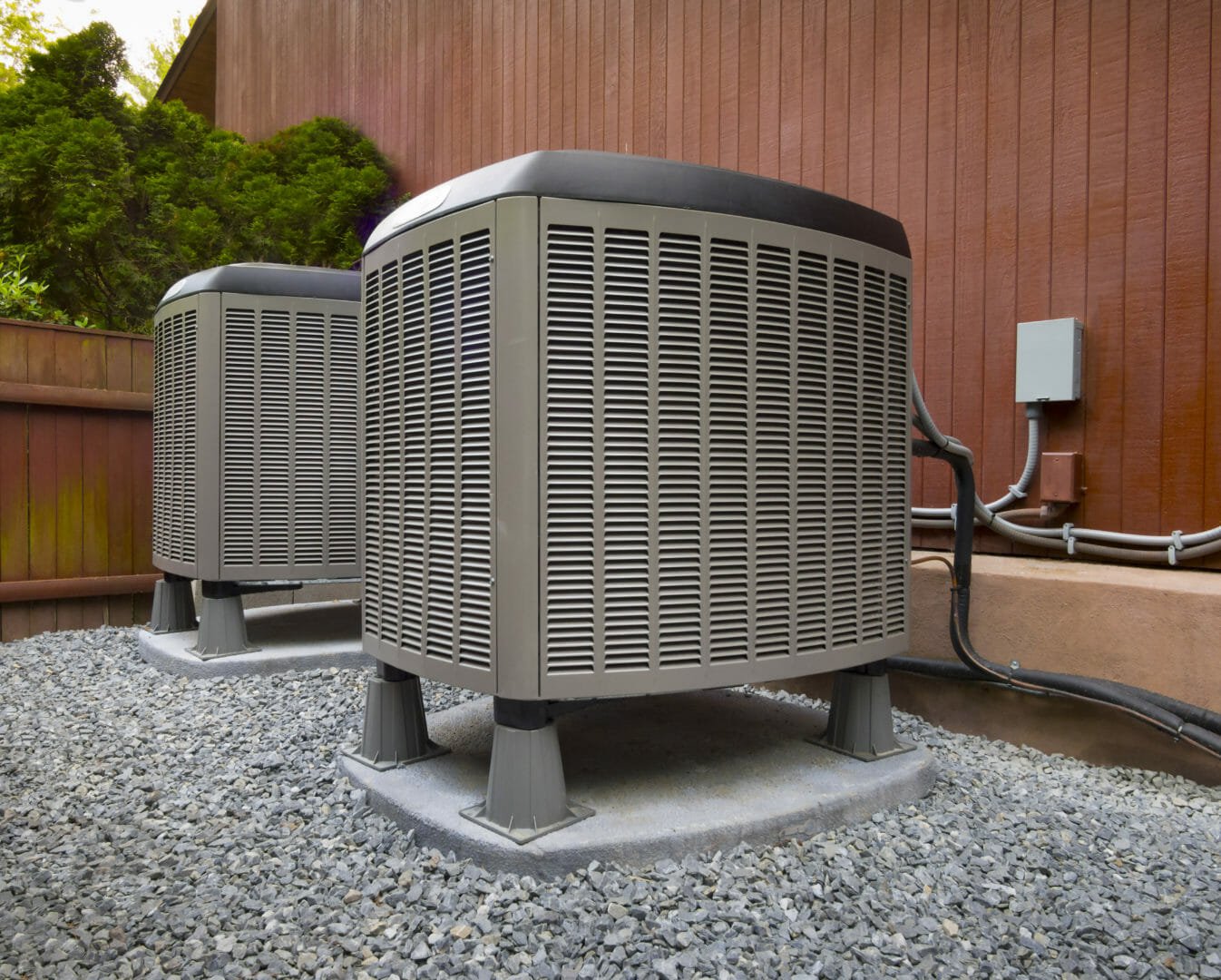
HVAC heating and air conditioning residential units

Heating Your Home Will Be More Expensive in 2022

[et_pb_section fb_built=”1″ admin_label=”section” _builder_version=”4.16″ global_colors_info=”{}” theme_builder_area=”post_content”][et_pb_row admin_label=”row” _builder_version=”4.16″ background_size=”initial” background_position=”top_left” background_repeat=”repeat” global_colors_info=”{}” theme_builder_area=”post_content”][et_pb_column type=”4_4″ _builder_version=”4.16″ custom_padding=”|||” global_colors_info=”{}” custom_padding__hover=”|||” theme_builder_area=”post_content”][et_pb_text admin_label=”Text” _builder_version=”4.25.0″ background_size=”initial” background_position=”top_left” background_repeat=”repeat” hover_enabled=”0″ global_colors_info=”{}” theme_builder_area=”post_content” sticky_enabled=”0″]You may have to spend more money than you did this year to keep your home warm next winter. Even though an unofficial forecast for 2022 shows warm temperatures leading to winter, some factors can cause heating costs to increase this year.

Increasing fuel costs significantly affected the heating costs of households across the country.  In 2021, the Energy Information Administration (EIA) forecasted an increase of at least 30 percent in heating costs among families using natural gas as their primary fuel source.

But another event caused fuel prices to continue rising even though summer is just around the corner. The conflict between Russia and Ukraine resulted in economic sanctions on the world’s second-largest dry natural gas producer. These sanctions increased the prices of natural gas in the market.

Effects of the Russia-Ukraine conflict on fuel prices

The Russia-Ukraine conflict has had a significant impact on fuel prices in the US. Crude oil prices have increased significantly since the conflict began, and this increase has been passed on to consumers. As a result, it is expected that homeowners will pay more for heating their homes in 2022 than they did in 2018.

While the conflict has been going on for several years, it escalated in 2014 when Russia annexed Crimea. This led to Western sanctions against Russia, which caused oil prices to increase. Since then, the situation has stabilized somewhat, but oil and gas prices are still higher than before the conflict began.

Even as Europe and the US are working to reduce their dependence on Russian energy, the conflict has still impacted. In particular, it has led to higher prices for natural gas and propane, which are used to heat homes in many parts of the US. As a result, homeowners in states that use these fuels will increase their heating bills in 2022.

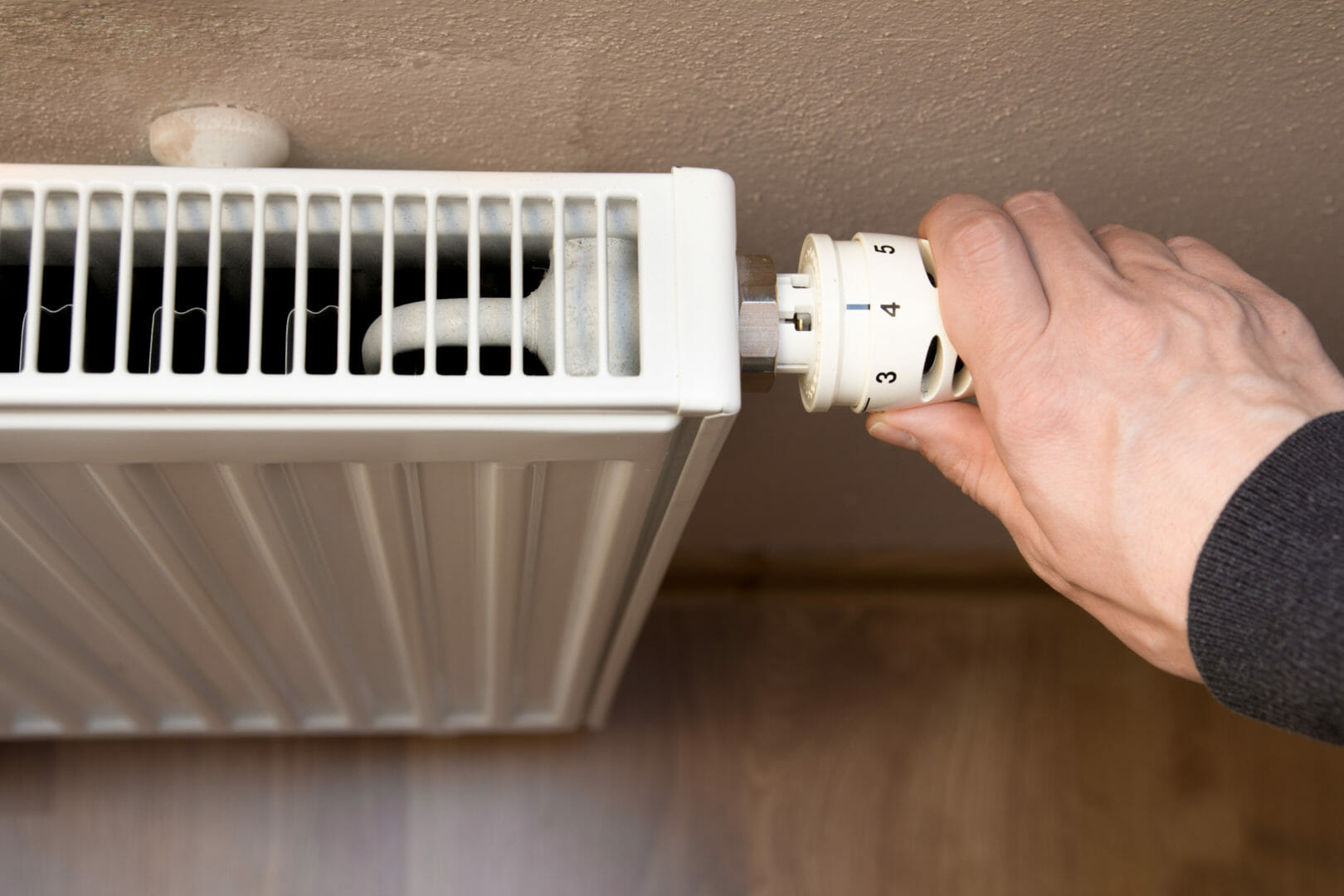
heating radiator

How heating costs will increase in 2022

The cost of heating your home is expected to increase substantially in the coming year. This rise can be attributed to several factors, including rising fuel costs and inflation.

While you can take steps to reduce your heating bills, you must prepare for these increases now by setting aside more money each month for heating your home.

One of the main drivers behind rising heating costs is increasing fuel prices. In addition, there is also inflation to consider. These factors will continue to push up heating costs in 2022 and beyond, making it even more critical for you to take steps now to reduce your overall costs.

Tips for mitigating rising heating costs

Heating your home in the wintertime is necessary, but it can be quite costly. Natural gas and electricity prices are expected to increase as utility companies raise their rates over the next several years. Here are some ways to manage these costs and keep your household comfortable during the cold months:

  • Install a Smart Thermostat: A smart thermostat can save you up to 10 percent on your energy bill since it can automatically adjust the temperature in your home when you’re away or sleeping.
  • Seal Air Leaks: Check your windows and doors for air leaks and any other openings where outside air can come in. You should also consider installing well-insulated windows to help block out the cold and reduce energy costs.
  • Upgrade Your Furnace: It may not be very efficient if your furnace is more than 15 years old. Replacing an old furnace with a new, energy-efficient model can help lower your heating costs.
  • Add Insulation: Adding insulation to your walls, attic, and basement can help keep heat in and lower energy costs.

Taking these steps will help you mitigate the impact of rising heating costs in 2022 and beyond. And remember to be always mindful of your energy usage to reduce costs and stay warm throughout the winter months.

You should also contact G.H. Clark Contractors, Inc. to get a free estimate for your window replacement project.[/et_pb_text][/et_pb_column][/et_pb_row][/et_pb_section]

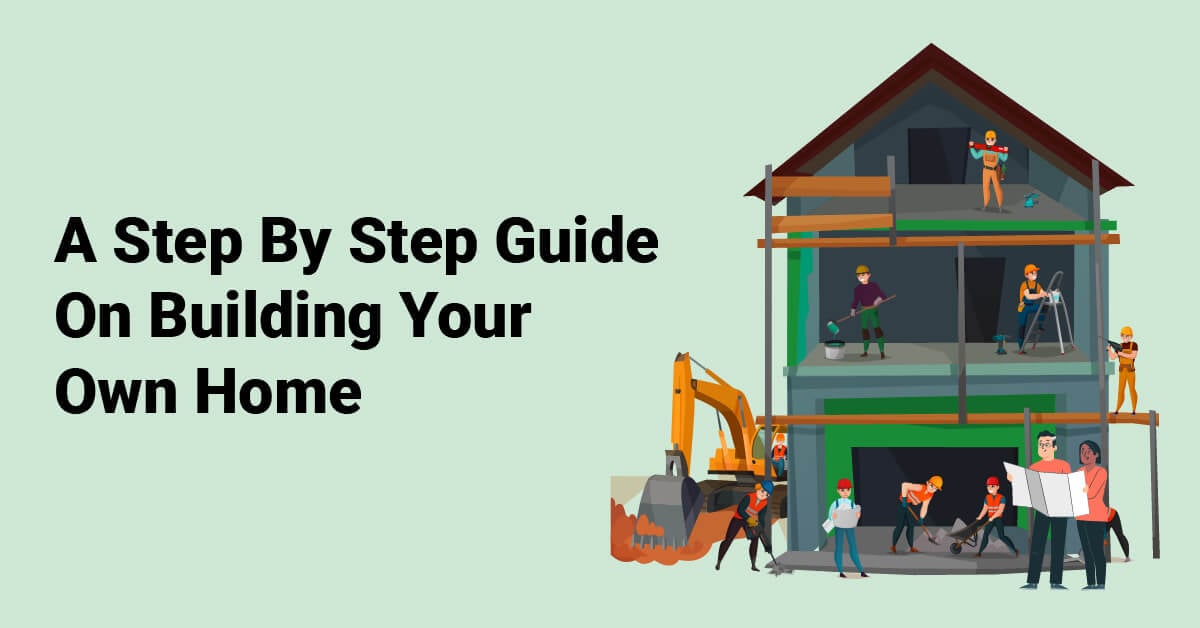
A Step By Step Guide On Building Your Own Home

A Step By Step Guide On Building Your Own Home

[et_pb_section admin_label=”section”] [et_pb_row admin_label=”row”] [et_pb_column type=”4_4″][et_pb_text admin_label=”Text”]

Introduction

When it comes to building your own home, you may have no idea where to start. Most of us don’t think about the exact process that is used to construct the houses around us, which can make the prospect of building one very daunting.

Furnitures

In this guide, we have detailed the process of building your own home from the first step to the last. For most people, and most buildings, you’re going to need some help. Whether it’s professional contractors or a few of your friends that know what they’re doing, you’ll need a team if you plan on building an entire house capable of housing multiple people.

Don’t worry, we have the entire process outlined below. We have also included links to supporting material that gives you more information about certain construction principles and techniques. No house is exactly the same, after all, so you may need to do some extra reading to realize your dream home!

Let’s start at the beginning with the things that everybody should consider.

Things To Consider Before You Start

Things To Consider Before You Start

Nobody wants to be halfway through a construction project before realizing it’s not a feasible build. You need to think a lot about your project before you even start. If you’re here, you’ve probably already given the build some thought. That’s great!

If not, then don’t worry. We have the three main things that disrupt and delay construction projects detailed below. Such delays can be costly, so you must have everything figured out beforehand so your build can be faster and more affordable.

Plans And Permits

First, paperwork. It’s not the most exciting thing, sure, but it is essential for building in any modern country on the planet. You’ll need to get permission before you start building, otherwise, the local authorities can and will tear the place down. If you own the land, you should still check if permission or an alert for the local government is required – it’s not always clear and differs between jurisdictions.

Through the process of gaining planning permission and building permits, you’ll also need to formalize your designs. This means you’ll settle on a blueprint for the home and won’t change it once the project has started (or you’ll need to notify and get permission for any changes/extensions that may be added).

So, you’ll need to have the design of your home figured out, too. This means knowing how many floors the home has and how many rooms are in each one, along with important maintenance information such as ventilation and those other unseen components that make our modern homes comfortable to live in.

These designs are best drafted up by a professional, of course. You’ll also need to show how the home will look from the outside, something that an architect does, though you’ll need to contract and pay them if you don’t have the skills yourself.

If you haven’t already figured it out – this can be a long process. Fortunately, houses are smaller than larger buildings that take even longer to plan and get permission for. On the flip side, your local authorities may process larger projects faster, because they’re more lucrative to the community. As an individual who just wants to build their home, you may get pushed back while bigger, more important permissions are granted. This all depends on how your locale is governed, of course.

Understanding Your Budget

Along with knowing what you’re going to build, you should also know how much it’s going to cost. Once again, the specifics will vary depending on your available funds, the nature of your project, and where you are in the world, country, and even state.

If you’re working with contractors, you should be able to get a quote after finalizing your project plans and letting them take a look. You’ll also need to pay for the materials that are being used, which will take up a significant portion of your budget, along with paying any specialists that are working with you to make the building.

Remember that contractors speed up the building process. Companies like G.H. Clark can take care of the physical creation of the whole building or just single aspects. Having a professional take on important structural roles can save you a lot of money in the long run, as they can secure your structural integrity.

Self-builds can be the cheapest or most expensive projects to attempt, depending on how you handle the budget and how fast and effective you can get the job done. Labor and material costs don’t come cheap, so you’ll want to be careful with how you handle the money.

Like with most budgets, it’s a good idea to retain anywhere from 10% to 20% more than you think you’ll need. That way, you have backup funding for unexpected issues, and you won’t run out of money halfway through the build.

Funds should be sourced from your savings, money from the sale of a previous home if you’re building a new one because you recently sold, or from secured funding elsewhere. That usually means taking out some kind of loan, which will need to be paid back with interest later.

If you haven’t got the funds right now, a loan can be great. That said, it can be dangerous if you’re financially irresponsible and have other types of debt weighing down on you. It’s also risky to borrow money from family and friends – you need to have a very strong relationship to withstand lending money to one another, especially if you may struggle to pay it back.

Needless to say, if you do opt for third-party funding, you need to have a solid plan first that you’ll follow to the letter. These ensure that the project gets completed fast and the loan is paid back on time.

Many establishments offer self-build mortgages for those who are making their own home out of thin air. These mortgages are handed down by banks and finance all or part of the build, to be paid back at a later date. You’ll usually need to front 25% of the entire project cost to the lender, though you may be able to find exceptions to this rule.

They’ll also give you the money in doses, at each major step of the construction process. This ensures you don’t take the money and spend it all on the foundations.

While self-build mortgages are better and more trustworthy than taking out a random loan, you need to be reliable and meet your mortgage payments. You’ll also need to agree on a plan of action with your provider and, once they consent, you can’t divert from it or you risk losing your funding.

Spacing

You’ll have some idea of how your project will be spaced through the planning and permitting process, though you should give this a lot of thought. A project that starts and then stops because of improper spacing planning will cost a lot more due to delays, especially if you’re hiring contractors or renting equipment. Also, time is money anyway, if not more valuable.

Contractors may also charge based on a set price per square foot, so knowing all of the relevant numbers is important. You can measure square footage by staking out the grounds of your home and then measuring it, then measuring it again to make sure your first measurements are correct.

You don’t just need to know if the patio will fit behind the home, you need to make sure everything is properly spaced inside the house too. The rooms should be proportionate and you don’t want a bathroom three times the size of the living room.

For fixtures, make sure that they are appropriately placed in certain rooms. If you have a fireplace, for example, you don’t want it to be off-center and in the way of anything else in the room.

Setting Up Foundations

Setting Up Foundations

To start, you’ll need to set up the foundations. Where else would you start? You could start with some minor landscaping if you own the land and want to make some small changes but, for the house itself, you need to start from the bottom.

There’s a formula for setting up foundations, outlined in the three subsections below.

Before throwing concrete down on the ground, you need to make sure some preliminary steps are taken so that the foundation of your foundation isn’t compromised. First, the site of the foundation needs to be leveled. Crews often do this using bulldozers, backhoes, or some other equipment out of the average person’s reach. You can also rent the equipment if you know how to use it.

Concrete

When laying foundations, you need to prepare the ground before introducing concrete to it. As we said, you need to level it, along with clearing any debris that may become a problem.

You also need to stake the ground to make sure you know where the footprint of your home is. This guides where you need to dig and makes sure your footing and foundations aren’t off.

To stop the home from sinking further into the ground, footings made from either concrete and rebar or brickwork need to be installed. This is also the time when any subterranean features, like wells or a basement, will get dug.

Naturally, the footing concrete needs to be left alone so that it cures, so the construction site takes a break. To bear the weight of the foundation and the house on it, footings often need to be wider than everything sitting on top of it.

Lastly, all you need to do is pour the foundation onto the footing and the rudimentary frame that you have, which will be improved upon later. Concrete can take a while to properly cure, especially in large quantities and in areas where it is warm. This can take a few weeks, a month, or even two months.

Consult the relevant professionals to find the perfect curing time for your concrete and the type of build you are doing.

An important but overlooked part is waterproofing the foundation. Water beats everything when given enough time, so a waterproof membrane is often added to both the footing and the foundations. This stops residual and seeping water from the ground, so it doesn’t gradually wear away the foundations and weaken the home.

Rough Framing

Framing starts when the builder places wooden markers as a template for where the foundation will go. This involves digging trenches and holes around the framing, too.

At this point, the footprint of your home should be plain to see. This is where the main framing starts, where walls and a roof skeleton are erected. These are made with plywood or other inexpensive wooden parts, which are then wrapped in protective wrapping to keep everything together. This is also where window spaces are left for future reference. If needed, a waterproof wrap is also added to keep wood rot and mold away.

As roofing, sides and windows are the main defense against the elements, you may want to hire a contractor to handle this important step. Companies like G.H. Clark handled these areas with care and dedication. If you discuss the rough plans with a contractor at this stage, they can use their expertise to eliminate any concerns about structural integrity.

This whole process can take months, though smaller homes will take less time. As for the cost, it is typically calculated by square footage. It can be $8 to $16, or even more depending on the services you’re getting.

There will be ditches and trenches dug for certain things that haven’t been added yet like the plumbing system. However, any other trenches that were dug around the framing just to install the footing can be refilled now, and they’ll provide extra support to the skeleton as more and more is added to it.

Rough Plumbing

With the frame mostly complete, you need to add some functionality to it. This means adding electrical and plumbing systems to provide warmth, entertainment, and hygiene to the occupants of the home. Seeing as that’s you, it’s something you’ll want to take seriously during the build process.

Here’s a list of just some of the things you can expect when electricals and plumbing are being added, mainly the following:

  • Baths and showers
  • Ducts for HVAC systems
  • Electric wiring and other features
  • HVAC vents and piping
  • Pipes and other types of wiring
  • Sewer fixtures and related vents
  • Water supply lines.

All of these, with the foundations, form the basic shell of a livable home. With this shell complete, it’s time for siding and a roof to get installed. Before that happens, however, you need to put some of those plumbing and electrical systems in place.

Unless you’re skilled at both electricals and plumbing, you will absolutely need to get a professional during this stage. Electricity is dangerous, we all know that, but plumbing also works with unsanitary water and high pressure, making it just as dangerous. Also, you’ll have trouble passing inspections if the work wasn’t done by a licensed professional who was qualified for the job. We have more details about the inspections process at the end of this guide.

With all of this work, you should be looking at a five-figure bill. This is probably the single largest expense that is associated with building your home. You’re paying for essential and technical work that most people can’t do, plus the people who did it need to get paid for their services rendered.

Paying electricians and plumbing tradesmen can take up nearly $10,000. If you throw in other wiring jobs and amenities, like an HVAC system for instance, then you’re looking at even more.

After everything has been completed, it needs rigorous inspections to make sure everything is above-board. If something is wrong, it will probably rear its ugly head later and result in very costly repairs. As we have mentioned already, we have more on inspections in a later section.

Install Insulation And Drywall
Install Insulation And Drywall

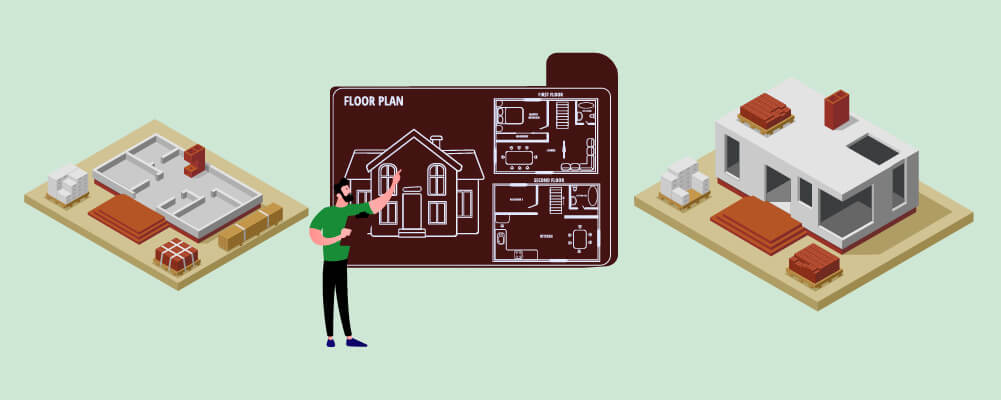
With the base of the house complete and some essentials added, it’s time to look at the exterior. More specifically, it’s time to look at the insulation and drywall that need to be put in place, along with the specific pipes and electricals that need to be worked into the wall.

Pipes & Electricals

The pipes that thread through the walls of our homes are just like the plumbing system itself, in that they need to be laid by a plumber. In fact, the pressure is highest when water is being pushed through a pipe, so there could be more danger or mess if you make a mistake. Any pipes are added and then covered up, so they’ll get added before the insulation and drywall are thrown on. Later, fixtures connected to pipes, like faucets, will also need to be added by the plumber.

The same can be said for the wiring that needs to go through a home. After the wiring has been added by a qualified electrician who knows what they are doing, the insulation and drywall can come in to secure the walls. Then, the electrician can come back and add superficial elements like light switches and other surface-facing electrical fittings.

Fittings

With the house beginning to take shape, you need to add insulation and drywall. Insulation is very important as it regulates the temperature inside the home. Many know that insulation keeps the cold out but it also keeps the warmth in when you need it.

A well-insulated house will also be cooler on hot days since less heat makes its way inside. As a result, the home becomes more energy-efficient, so it saves you money and improves the sell value of the property.

Insulation is placed in the exterior walls only, then the ceiling. It is made from foam or fiberglass typically, though other materials are used to tackle the challenges of building in different climates. There are even wools made from stone that provide the home with the protection it needs, from both the temperature conditions but also critters too.

Its price varies a lot because of the different insulation materials and strategies out there. Fortunately, newer homes are cheaper for insulation services because adding them to an in-construction house is a breeze.

Then comes the drywall, which is fitted onto the frame you currently have. It is taped to the frame walls and glued/taped at the seams so the imperfections between boards of drywall are not visible. The drywall is given a lick of primer paint and then left to dry. It is primarily used for interior walls that don’t need the thickness or the protection that the exterior walls of the property have.

This whole process can take two weeks, give or take a few days.

Completing Interior And Exterior Walkways
Completing Interior And Exterior Walkways

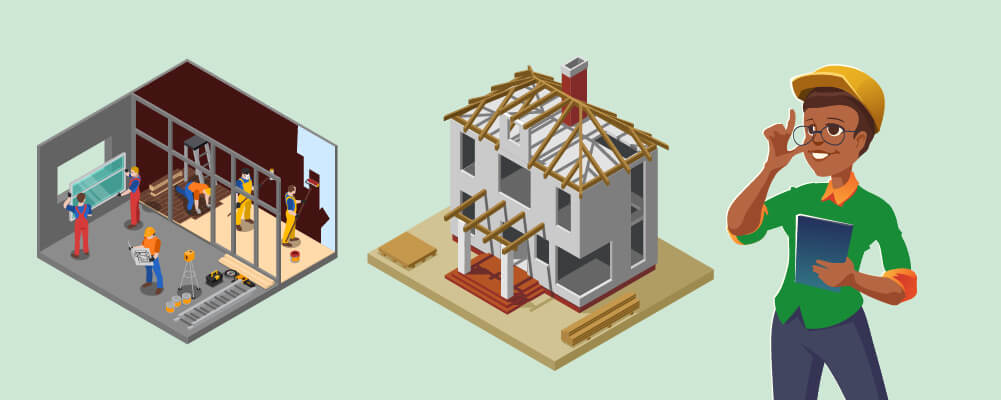
Now that the house looks more like a house, it’s time to make it look homely. To do this, you need to install the following:

  • Interior doors
  • Door casings
  • Windowsills
  • Baseboards
  • Cabinets
  • Stair banister
  • Mantels
  • Wallpaper
  • Other decorative trims

All of these transform blank drywall into something more homely and lived-in. You’re building a home, not a warehouse or office block, and that means it should have most of these trimmings. It’s also an opportunity to express your style since you can get many of the items in that list in different styles.

Along with these interior trims and their finishes, you should also turn your attention to the exterior walkways of your home. By now, the site is probably a mess. Now is where you clean that up and install any paths, patios, or driveways that need to get installed. Remember that curb value is very important for real estate agents and timid house buyers. If you ever plan on selling your home, even in the distant future, you need to have a great curbside profile that invites people in.

Installing exterior fixtures isn’t easy, it can take months – much longer than any interior changes. It can cost more, though it depends on what you’re adding to the curbside view of your house.

If you have hopes of landscaping, wait until your house is done first. While similar, you can always get landscapers out to work on your home from the outside after you’ve finished building it.

This typically happens toward the end of a build because it involves pouring a lot of concrete. Concrete can get damaged by heavy machinery, so they need to have done their job and left the site before large walkways are poured.

Painting Walls And Installing Flooring
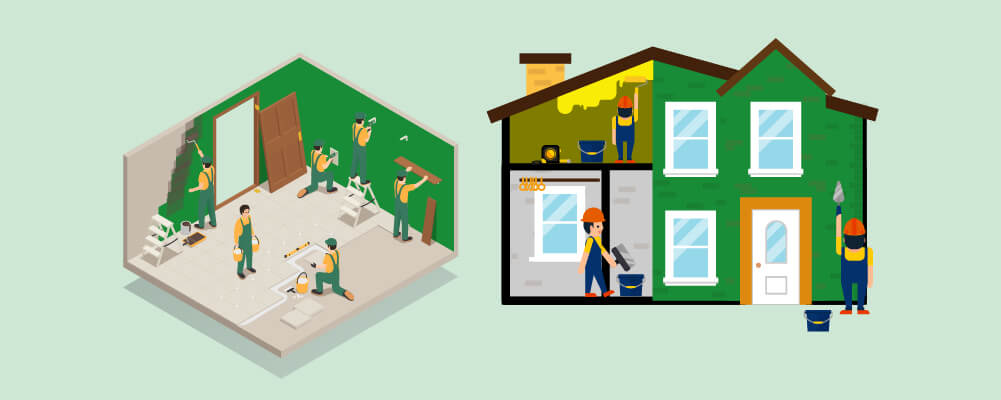
Painting Walls And Installing Flooring.

Next is the flooring, then a lick of colored paint.

Flooring varies wildly from home to home. No two places have the same flooring setup, not to mention that houses have multiple types of flooring depending on the room. It’s unusual to have carpet in a bathroom, for example, and tiles/stonework are preferred in kitchens.

There’s also vinyl and wooden flooring to consider too. What you choose is a matter of personal preference, of course, along with what you can afford and what you can feasibly install yourself if you haven’t got contractors working for you.

The drywall may have a primer coat on it but it’s not done yet. Now you need to paint over the walls inside the home again. Once again, we can’t tell you exactly what to do, since everybody prefers something different when decorating their home. This is the part where you can truly let your imagination run wild and decorate your home however you please.

If we have any advice, you should invest in a boilersuit and a roller, then get to work. Spray-painting tools can be great for exterior painting too, though you’ll want to take time to practice and make sure you have a good aim with one. You don’t want to accidentally give some rented construction equipment a new paint job.

You’ll need to get multiple colors too unless you’re planning on painting every room the exact same. If you want to go with the professional approach, create a color palette, a database of all the colors that you’re using in your home. This can make choosing paints easier and enable you to decorate your home in a way that makes sense while still expressing yourself.

When you do get round to painting, try to keep some spare. That way, you can do touch-ups and other small jobs that may come along when the construction job is done. It doesn’t take much to chip paint off of a wall, especially on a construction site, so keeping spare paint will save you time and money in the future. It can be a nightmare finding the exact same shade of color that you used three years ago.

Final Inspections
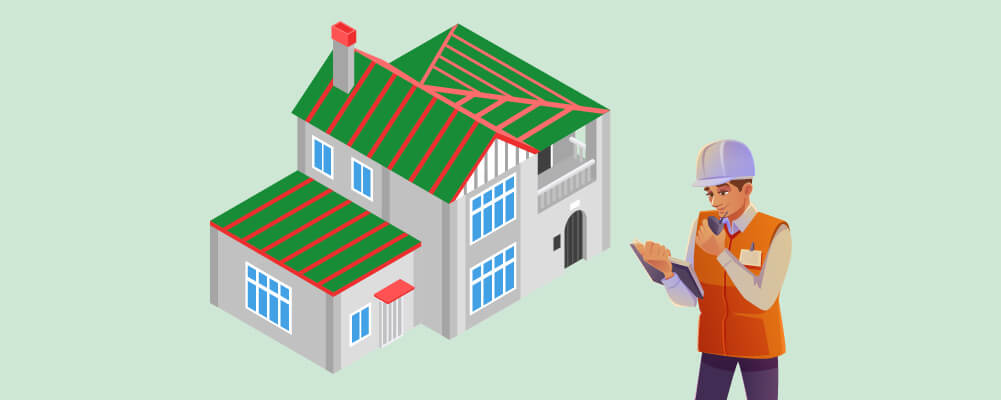
Final Inspections

There are many different inspections involved when you are building your own home. When going on this journey, you’ll need to make sure that you’re doing it right every step of the way. If not, you’re going to run into problems later. Many of them will need expensive repairs and some of them might even be dangerous.

In a typical construction, there can be as many as five separate inspections that your project must pass. Depending on where you are and what you’re building, you may need to jump through more or fewer hoops.

  1. The earliest inspection you can expect will review the foundation. After the concrete poured at the footing and foundation has cured, an inspector will be required to make sure it’s up to code. The project can’t continue until the foundations have passed the inspection.
  2. The second, third, and fourth inspections happen in close succession. First, you need a framing inspection for the skeleton that you have made of the home. This makes sure you’re following the blueprint and not overstepping your permissions, while also testing how strong and well-made it is.
  3. Next, an experienced plumber needs to survey the work that has been done. The inspector shouldn’t be the person who did the work in the first place – they are likely to be biased toward their own work.
  4. Likewise, then a qualified electrician needs to sign off on the work that has been done and test it for common issues. With those three inspections passed, insulation and drywall are added to the house’s skeleton.
  5. Finally, the big all-in-one inspection happens by somebody who works for a building code regulator. They have the power to issue a certificate that says the home is fit for human habitation, providing you with evidence that you are legally occupying the home at the same time.

If any defects are identified at this stage, follow-up inspections will probably be needed to find the root of the problem, fix it, then re-investigate the house to make sure all is in order.

For some houses built by experienced professionals, the last round of inspections can take a week! Don’t fret if there are defects, most are easily corrected if you got the basics correct.

If you worked with a contractor and haven’t had much input with the home, you will also be treated to a final walk-through. This is similar to where a real-estate agent walks the buyer through a home for sale, except you already own the place and you’re just getting to know the place.

This is typically an informal event, unlike the other inspections where everything needs to be perfect. It is, however, an inspection done by yourself where you should check everything works and bring up any concerns you have with your contractors.

If you built most of the house yourself, a walk-through is redundant since you’ll be painfully familiar with the build, its high points, and its low points. While the process of self-building can be long and arduous, it does guarantee that you get something that was built to your standards.

Hiring A Contractor

Hiring A Contractor

We suggest hiring a contractor, like G.H Clark, for any important aspect of the build which you are not confident in. If you are already a deck builder by trade, then completing that part of construction yourself makes sense. But if you have never attempted something of this magnitude before, hiring professionals can speed up the process and avoid costly mistakes.

Using G.H Clark Contractors as an example, the company can build fiberglass shingle roofs, flat roofs or metal roofs to match your style while still being functional. They can install vinyl, polymer shake or fiber cement slides to create beautiful country-style outward aesthetics.

They can install and replace windows with care, making custom designs if requested. And they can install energy efficient doors which help trap or release heat, lowering the cost of your energy bills. The list goes on!

Using a company like this can allow you to get the best deal while creating a home which matches your vision. You are in control and you get all the professional help you need.

Finishing Up And Conclusion

Those are the broad steps that are needed to build a house from scratch. As you can see, there are many logistical concerns before you even start, and even more waiting for you after you are finished!

It takes a lot of planning and dedication to build your own home, but it is rewarding too. You don’t just get to design your own space and use your favorite materials; you can also save some money by doing most of it yourself. Even with the most hardcore DIY builds, you’ll likely need a licensed plumber and electrician to install the dangerous systems that turn a house into a home.

Self-builds take months, during which you need to be prepared for hiccups and disruptions. Hopefully, this guide has given you valuable insight into how building a home works, so nothing should take you by surprise.[/et_pb_text][/et_pb_column] [/et_pb_row] [/et_pb_section]

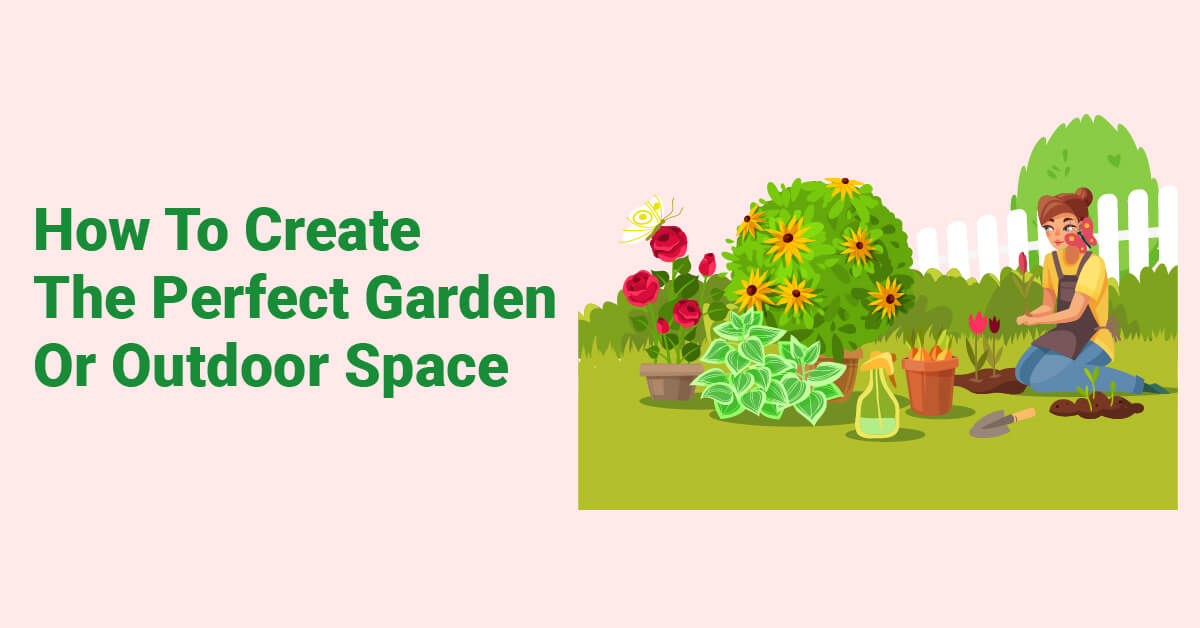
How To Create The Perfect Garden Or Outdoor Space

How To Create The Perfect Garden Or Outdoor Space

Introduction

Woman Planting

Nothing says luxury and relaxation quite like a well manicured and maintained garden. Your outdoor space is important to the overall look of your home, so it’s only natural that you will want the space to be absolutely pristine and perfect. Of course, perfection is a difficult thing to reach, especially since there are so many different ideas out there about what makes the perfect garden.

If you’re wondering how to create the ideal garden for your home, you need not fear. We’re here to tell you everything you need to know about making the garden or outdoor space of your dreams. All it takes is a little bit of time, patience and an artistic vision, and you’re all good to go!

How To Start Creating Your Perfect Garden

How to Start Creating your Perfect Garden

Often when it comes to creating the ideal garden, starting off is usually the hardest part. Things can become a lot easier when you know exactly what you’re doing next. When you have a plan, you can have an easier time making your perfect garden a reality. When you don’t know what you want or how to execute the plan though, things can be a little trickier.

Doing Research Beforehand

The key to making a successful start on your garden is doing your research. This will help you to find the right design for you.

One way you can start is by looking into the current garden trends and seeing what you like. This can help to give you a little more inspiration about the kind of thing that you want. If you enjoy keeping up with the latest trends, then you can also rest easy knowing that your garden will be up to date since you have done your research. If you would prefer to have a different style of garden then look into the styles that are out there.

The internet is a pretty wonderful thing. If you spend enough time doing your research, you are almost guaranteed to find some inspiration for the kind of garden that you want. In the event that you can’t find anything that’s perfect for you, then you can always ask a garden designer to give you a little bit of guidance too. You don’t just have to stick to the internet, either. You can also find inspiration by visiting places like public gardens, garden centers or anywhere else you can think of.

When you find ideas that you like, write them down. You could potentially make a garden sketch of what you want with your particular garden shape and size in mind. Consider things like what it’s going to cost for you to achieve the garden, and make sure that you budget for everything that you need. It’s also a good idea to measure your garden before you start buying or building things, as this will help you to ensure that you have all of the space necessary to do the things that you want to do.

Elements to Consider

Elements to Consider

When you have done some research and figured out some of the things that you want, it’s time to look into the more specific elements of perfecting your garden. Here are a few of the things that you should think about.

Walls and Boundaries

For the most part, people aren’t overly fond of open gardens when they live close to other people. Walls and boundaries will give you a little bit more privacy in your garden, and will create a neat divide between your garden and your neighbor’s garden.

The first thing that you will want to think about is the materials used to make the walls and boundaries. The materials used can make a huge difference not just to the longevity of the walls, but it can also influence how they look in the garden. As such, they are important to take into consideration. We’ll discuss more about the materials a little later on!

In addition to that, it’s important to think about whether there are any building regulations that you need to adhere to. Check the regulations in the place where you live to see what you can do. Make sure that the boundaries aren’t encroaching onto your neighbor’s property, either.

Hedges and Fences

Rather than creating walls, some people like to use hedges instead. Now, it’s actually possible to have a mix of both if you prefer! In many cases, hedges tend to be better at ensuring noise is blocked out from the outside of your garden. This is because the greenery will trap the soundwaves and the dust. Not only that, but the hedges will also look luscious and green, adding to the relaxation of your garden.

It’s important to remember, however, that a hedge may take some time to fully establish itself in your garden. It needs to have time to grow. Not only that, but you’re going to need to trim it fairly regularly, so you will need to set aside the time in order to do that. This is in contrast to fences, which you can put up straight away and are fairly low maintenance. They’re also fantastic for the sake of security. They cost much more money though, and they can look a little cold in comparison to hedges.

Whatever the case, the decision whether to have a hedge or a fence installed in your garden is an entirely subjective one that’s up to your personal tastes. Have a look for some images online and consider how much maintenance you are willing to put into either option to figure out what’s best for you.

Paths and Patios

Next you need to think about the paths and the patios. These can have a big effect on the overall look of your garden. Consider where you will put your paths and where they will lead. What will the paths be made out of, what will they look like? Then think about your patio, since this is likely to be where you will spend most of your time when out in your garden. Make considerations such as these with your garden size in mind, and consider the sort of look that you want to go for.

Lawns

A lawn is a cornerstone of the perfect garden! Without the right lawn, the entire garden loses its magic. Consider how much of the garden is going to be made out of lawn space. Think about the kinds of grass that you will use, since there are many to choose from that will differ in terms of how they look and what sorts of environments they thrive in. Think about how much maintenance you are willing to put in, too. If you want to keep your grass looking good, then you’ll need to take the time for proper lawn care.

Water Features

Why not add a little extra life to your lawn by adding in some water features? Water features look fantastic in a garden. They are serene and peaceful, and you can even introduce water life into some of them like fish or frogs. Water features can be anything from small ponds to fountains, so there are a lot of different options out there if you are interested. They aren’t super high maintenance either. You will need to speak to a professional about getting them installed in most cases though – they should be able to advise you of the best location for your new water feature.

Zoning Areas (dining, playing, shading)

When you are creating a plan for your garden, you should be making a plan for zoning too. Consider where you are going to have things like outdoor dining areas – places like patios are usually a good choice for this. Where will children play? What about places where you can get shade? Take all of these things into consideration since they will impact the overall layout of your garden.

Planting: trees, shrubs, pots

It’s time to bring out your inner green thumb! No garden is complete without greenery such as shrubs and trees. Do your research into the best kinds of plants for your garden to get the best results.

Lighting Out-buildings

Finally, think about the lighting for your outbuildings. This is important so you can still relax during the light. There are a lot of different lights that you can use, so make sure that you do your research based on what will work the best for you. Things like fairy lights can look particularly wonderful in a garden!

Materials to Consider

Materials to Consider

The next thing that you need to think about is what materials you will use to build up your garden. Here are some of the most common ones that you should consider.

Bricks

Bricks are used for all sorts of things in a garden, from garden edging and walls to making paths and stairs. At some point when you are making your garden come to life, you are almost certain to use bricks in some capacity. Make sure that you buy plenty of these if they are needed for your garden. You can often buy some second hand since people will often buy more bricks than they actually need. This will save you some money. If it’s not an option, you can go to your local garden or building store instead. If you have any leftover bricks, don’t despair – you are sure to find something you can do with them. You can sell them online, or get creative with them!

Timber and Decking

If you are making a deck for your garden, then you are going to need timber and decking in order to do it. Remember – the type of wood that you use will make a massive difference to how it looks so you will need to consider that in addition to your plans for the rest of the idea. Woods like treated pine, iron bark and jarrah are great choices for a deck, but it depends on what you are looking for. Visit your latest home and garden store for some decking, or you can sometimes buy it online. It’s a good idea to look during sales too, since timber can cost a lot of money!

Paving and Block Paving

You’re going to need paving for your paths. This can be made out of all sorts of different materials, so give it careful consideration before you buy the paving. Don’t lay block paving right on top of soil either – you will need to prepare the ground for it in advance. Block paving looks fantastic, but it needs to be laid correctly.

Aggregates and Sand (check that the chemicals included are suitable for horticultural use)

Aggregates are fine bits of material that look a little grainy and they are commonly used in construction. They tend to be made out of things like crushed stone, and are often used in a garden to give it more diversity. If you like the look of aggregates in your garden, do some research since there are lots of types out there that are used for different things. Likewise, with both sand and aggregates it is important that you ensure that the chemicals inside of the sand and aggregates are going to be okay to use in your garden. It should be specifically designed for horticultural use.

Concrete, Mortar and Render

If you’re going to build things, you’re going to need some good ol’ brick and mortar. Gather some mortar, concrete and render for things like walls and other structures from your local construction or garden store. You may also be able to get some second hand online, since people don’t always use all of the materials that they buy.

Damp Proof Membrane and Landscaping Fabric

Your garden is, in most cases, outside. That means that it’s exposed to the elements. In order to protect the structures in your garden from the rain or other inclement weather, it’s a good idea to apply a damp proof membrane to any potentially vulnerable areas. You are also going to need landscaping fabric – it’s incredibly useful for gardening and keeping your soil in optimal condition.

Exterior Paints and Finishes

Finally, it’s time to give your garden the finishing touch! To do that, you’re going to need to add paint and finish to any structures in the garden, such as walls. Don’t get the kind of paint that you would use to paint your interior walls though! It needs to be specifically designed for the outdoors so that the paint and finish can handle the weather changes.

Different Ideas For your Garden

Different Ideas For your Garden

Still stuck for inspiration? Here are a couple of ideas that you can use for your garden to get you started!

Go Big or Go Home

Have you got a small garden but you want to make an impact? Well, you can use larger items in the garden to give the garden a little more diversity. For instance, you can use large plant pots with a variety of different greenery, and you can make it seem like a more tranquil space.

The same goes for larger spaces. Large items will take up more space, so it’ll seem like you have less dead space in the garden. Obviously there’s a right and a wrong way to do this – you don’t want it to look gaudy, after all. Look up some inspiration on sites such as Pinterest or on Instagram to see how it’s done and how you can implement the ideas in your own garden.

Soften a Sloping Garden with Grass Steps

It can sometimes be a little challenging to design a garden with lots of different levels. You may find that it’s a little more challenging to divide up the space appropriately in a way that will actually look good. In this case, you may want to experiment with adding some steps in. You could use stone steps here with some walls around to make them look less out of place. Alternatively, you could use some grass steps instead. This makes them blend into the lawn seamlessly, and it softens the lawn a little, an effect that is more difficult to achieve with stone steps. It’s a great way to join together two different parts of your garden.

Consider a Path

Pathways are great for gardens since they help to make it look more organized. They allow you to make designated zones in the garden, and it links these different areas together. If you have a grassy lawn then it’s very practical too, since you can walk on the harder path in order to ensure that you don’t get your feet muddy after a rainy day.

Paths look fantastic, so you should definitely think about getting some for your garden. It’ll protect your garden in the long run, and protect your feet from mud! You can choose all sorts of materials and designs for your path, so you will surely find something that will be a good fit for you.

Plant for Privacy

Trees and greenery are pretty important for ensuring that your garden looks lush and vibrant, but do you know why else they’re useful? That’s right – they are a good way to ensure privacy. Putting a hedge up around your garden not only makes it look good but it also adds extra privacy to your garden. It’ll blend in well with your garden too, which is always a bonus. Plants are a great way to add some privacy to your garden without building things like stone fences and walls.

Consider a Flowering Roof

Roofing has changed a lot over the years – green roofs are definitely trending right now, and they will fit in with your garden like a dream. You can allow for some extra greenery if you create a flowering roof for the structures in your garden. You can also use it to experiment with all sorts of new plants too. You can do this on pretty much any kind of roof that you can think of, too.

Hard Landscape Dedicated Levels

Hard landscaping is a good choice if you want to create specific levels in your garden. This is different from the soft landscaping we mentioned earlier – we’re talking stone and brick and mortar! This can be great for making your garden look more organized, creating specific zones that give your garden a truly seamless look.

Stick to a Simple Design

You may be tempted to play around with overly complicated designs, but this really isn’t necessary. Sometimes it’s the simplest designs that can have the biggest impact on how your garden looks. Keep the details simple, rather than overthinking it – it’ll look much cleaner and more pristine this way.

Go Hard on the Detail

If you’re going to go with a specific design then run with it. Do your research into the designs that you want, and this will help you to add more detail to the garden. The main thing is that you need to keep the garden consistent while adding that level of detail.

Recycle Materials

Why throw away the materials you haven’t used? There’s really no need to do so – you can simply recycle them and turn them into something new. You can even recycle things from your own home – for instance, are you throwing away a bathtub? Why not turn it into an artsy looking plant bath and make it a garden centerpiece? There’s a whole world of possibilities out there – you just need to get creative.

Change the Shape of the Garden

If you’re getting bored of the shape of your garden, change it! You don’t need to stick to one particular design. Play around with different shapes for your garden to make it look more interesting. There are so many different ideas you can use. You don’t need to stick to the status quo if you don’t want to.

Common Questions

Common Questions

So now that you know all of the basics, it’s time for a quick frequently asked questions section! Here are some questions you may be wondering about when you are in the process of creating the perfect garden.

How Do I Keep The Neighbors Onside?

We all like to think that we don’t have to answer to anyone when it comes to what goes on in our home or in our garden, but this isn’t actually the case. The neighbors can sometimes be a bit of a pain when you’re trying to work on your garden.

For that reason, you will need to make every effort to keep the neighbors on your side when you are working on the garden. Ultimately this all comes down to communication. Make them aware when you are going to do things – if you’re having loud construction work done, let them know. Make sure that no parts of your garden plan encroach onto their property, such as fences and walls. If this is something that you can’t avoid then you are going to need to get their permission written down in writing, otherwise you simply cannot do it. By communicating with the neighbors, you are far less likely to run into problems later down the line.

How Do I Get Rid of Hard Landscaping Waste?

When you’re done with the work on your garden, you’re also going to need to get rid of any hard landscaping waste that you have. There are a few ways that you can do this. To start, you can ask neighbors or friends if they need the waste or can recycle it for another purpose. This won’t be possible in most cases though. You can instead speak to your local authorities about getting a large disposal bin that you can put the waste into. This will likely cost you money to hire, so be prepared for that, and you may even need a license for it. Get a junk removal service to help you out too. If you are unsure, then you can always speak to your landscaper if you have one – they should be able to give you more advice in relation to the rules and regulations in your area.

How Do I Landscape a Garden the DIY Route?

It can be incredibly daunting to landscape a garden completely by yourself. As you may have seen already, there are so many different things that you need to think about right off the bat, and sometimes there are even legal factors involved. If you are going to landscape the garden completely by yourself, then it’s best to start off by doing some research. Look online or read books to tell you what to do. There are even construction courses online that you can do to give you a bit of guidance. Know where to get materials for a good price too, or else you are going to be spending a lot of money.

Likewise, think about hiring machinery. You may need to do things like mixing cement, in which case you’re going to need a cement mixer.

Do I Need Planning Permits?

It’s best to do your research before you get started on working on your garden. In most minor garden renovations, you aren’t going to need a planning purpose for the job. In some cases though, such as if you are going to be creating outdoor buildings, you are going to need a planning permit. Check the rules and regulations in your area online in order to figure out what you need. Likewise, you may also need to ask for permission from your neighbors if any part of your garden is going to creep onto their property.

How Long Will my Garden Landscaping Take?

In most cases, you are going to need to take time off work in order to do your garden landscaping, whether you are doing it yourself or getting someone else to do it for you. With that in mind, it’s a good idea to know how long it’s going to take. Unfortunately though, there’s not one specific answer to this question – different projects will take different amounts of time. That’s why a professional will give you a quote based on the work that needs to be done, rather than a flat rate for the whole garden.

You are most likely going to need to get the hard landscaping done first, and this may take some time. Large structures will also take some time to complete. Then you will need to plant grass seeds and other plants for the garden. It’s worth breaking it down into steps and looking online to see how long each part will take, as this will help you to get a rough estimate.

Which Plants Should I Choose?

Plants are pivotal to pretty much any garden, so you are going to want to consider the kinds of plants that you are going to use very carefully. It’s a good idea to start off by figuring out more about what kind of soil you have in your garden, and knowing more about the sun conditions.

It’s a good idea to get hedging if you want to add a little more structure to the garden. If you want more color, then flowers and bedding plants are a good idea. If you’re stuck, look at what those around you are doing for some inspiration. Look online at what sorts of plants will work for your big overall vision.

Summary

A couple Planting at their garden

Now you know everything you need to know about how to create the perfect garden! With some patience and plenty of elbow grease, you can create the space of your dreams. All it takes is a little bit of research and knowing where to start in most cases. If you have a plan, you can create a garden that you can definitely be proud of. Now, get looking for some inspiration and start working on that garden!

How to Modernize Your Home

How to Modernize Your Home

[et_pb_section fb_built=”1″ admin_label=”section” _builder_version=”4.16″ global_colors_info=”{}” theme_builder_area=”post_content”][et_pb_row admin_label=”row” _builder_version=”4.16″ background_size=”initial” background_position=”top_left” background_repeat=”repeat” global_colors_info=”{}” theme_builder_area=”post_content”][et_pb_column type=”4_4″ _builder_version=”4.16″ custom_padding=”|||” global_colors_info=”{}” custom_padding__hover=”|||” theme_builder_area=”post_content”][et_pb_text admin_label=”Text” _builder_version=”4.16″ background_size=”initial” background_position=”top_left” background_repeat=”repeat” global_colors_info=”{}” theme_builder_area=”post_content”]

The ultimate guide to the modern features you need in your home 


Introduction-How to modernize your home

We’ve all heard endless complaints about the complexities of modern life. We’ll be the first to admit that we’ve found ourselves complaining about new technologies and ever-changing fashions. Sometimes it’s hard to see the benefit of modernizing when the old systems worked so well. 

When it comes to our homes though, we feel a little different. We’re all for technology that will make our lives easier, improve the value of our homes, and even make them safer. 

Modernizing your home doesn’t have to be all about the technology, however. Taking those lime green tiles off the bathroom wall and adding double glazing can make a huge difference. 

Attempting to modernize your whole home can feel like an overwhelming task. But don’t worry, this article is going to talk you through everything you need to do to get the job done. 


Modernizing the Home 

Modernizing the Home

If you’re going to modernize your home then you’re going to need a plan. While this piece is going to give you the ultimate framework to get that done. There are a few things that you need to decide for yourself. 

The first two things you need to think about are, what kind of budget you’re going to set yourselves and where you are going to get your furniture and technology from. 

Let’s start by talking about what kind of budget you should set yourself. 


Consider Your Budget

A reasonable budget means something different to everyone. Before you decide what to set your budget at you may want to consider the following things: 

  • Why are you modernizing your house? Is it to make your house more comfortable to live in? Is it to raise the value of your home? 
    • If it is to raise the value of your home then you are going to want to make sure that you don’t spend more money on the upgrades than the amount of value they add 
  • How much money are you comfortable with spending? 
  • How much money can you afford to spend? Do you have savings to spend on the upgrades? Do you need to save before you start upgrading? 
  • How much money is too much money to spend on upgrading your home? 

Answering all these questions will give you a good idea about how much money you are prepared to spend, and how much you can afford to spend. If you want to be able to spend more money than you currently have, then you may need to save for a couple of months before starting the modernization process. 


Shop Around

No matter what your budget is, you should be making smart choices about where you get your new technology and furniture from. 

Buying the big name brands and most up to date hardware can quickly eat into your budget. Most of the time there is very little need to invest in these big name products. As smaller brands will often offer near identical items at a fraction of the price. You should also look into buying second hand pieces. 

Here are some places to look for bargains when modernizing your home:  

  • eBay
  • Etsy
  • Thrift Stores
  • Farmer’s markets 
  • Independent stores 
  • Refuge shops 
  • CraigsList 
  • Facebook marketplace 
  • OR Can you DIY it 


Create a Consistent Color Scheme and Flowing Layout

Create a Consistent Color Scheme and Flowing Layout

Before we start modernizing anything, you’re going to need to start thinking like an architect. There is no point spending a lot of time upgrading your home if you don’t have a plan and nothing ends up matching at the end of all the work. 

Here is a quick guide to keeping your modernization consistent: 


Pick your theme 

This is the first thing you have to do when renovating your home in any way. This choice will influence every choice that follows it for the rest of the project. 


Do your research 

Many people struggle to pick a theme because they don’t actually know what they want or what they like. They don’t have enough clarity before they start the project and therefore end up with something inconsistent. 

Spend some time researching different architectural styles and themes before you start upgrading. You should make the most of online resources: like Good Housekeeping, Vogue Interiors, and the 50 others on this list.  

Start to make a collection of images and products that inspire you, or you want to include in your home. We will use these in the next step. 

Don’t move on from this step until you are completely sure you know what you want your house to look like. It gets harder to change your mind the further forward you move. 


Vision 

Now, we are going to put together two vision boards based on the research you have done so far. 

The first vision board will try to encapsulate how you to want to feel in your modernized home and the things you want to do there. This does not have to include exact products, you want to focus more on capturing your feelings towards the space. 

Our second vision board is going to be a little more pragmatic. This vision board will include pictures of furniture and technology you want to buy. Paint samples for the walls, cuts of fabric you want to use, and even your ideal renovation time frame. 


Plans

Now that you have got a really clear idea of what you want to do with your home, it’s time to get down to brass tacks. This is the point where you will want to put together a plan of action. 

You should plan what upgrades you are going to do, when, and who is going to do them. If you’re changing furniture then you should know where you’re getting it from and when it is arriving. You’ll find it helpful to make a list of everything you will need to complete this job. 

The good news for you is that we have arranged this article so that you can use it as the framework for your planning phase. 


Upgrade Fixtures and Appliances

Upgrade Fixtures and Appliances

When trying to modernize your home, upgrading your fixtures and appliances is a great place to start. 

You don’t have to replace everything in your home. However, if you upgrade a few key pieces in your home you will soon start to notice a big difference. 

When picking out these key pieces you should think about the rooms and the items that you use the most. Replacing items like old TV sets and large bulky fridges are often a good investment. As they are the focus of the two rooms we tend to use the most. Swapping a VHS player and TV unit for a wall-hung flatscreen TV can transform the look of your lounge. And make your quality of life richer in the process. 

Other items to consider upgrading are: 

  • Shower units 
  • Fireplaces 
  • Bed frames 
  • Carpets 
  • Curtains 
  • White goods 
  • Banisters 

When it comes to modernizing your fixtures there are a few small swaps that will give you big results. 

Firstly you should look at upgrading light switches and wall plugs. While plastic, white fittings have been in fashion for the last few decades, if you want a modern look you should try replacing them with faux chrome or copper covers.   

Window fittings and light fixtures are other upgrades that you should look into. We will cover both in more detail later in the article. 

Finally, items like showerheads and bathtubs should be a priority to upgrade as there is no easy way to refresh them(see next section for more details on this process).


Refresh Walls, Flooring and Countertops

Refresh Walls, Flooring and Countertops

Our bathrooms and the kitchen are the most expensive parts of the house to upgrade. The good news is that you don’t have to completely gut them to give the rooms a new lease of life. Simple ‘refreshment’ jobs can make a world of difference when it comes to the overall look of a room. 

Here are some of the small changes you can make to your home for big, modern results. 


Bathroom

The bathroom is the second most popular room when it comes to home renovation. And the second most expensive room to renovate. 

There are areas of your bathroom that are worth investing in. Items like showers and bathtubs often need to be replaced to make the room feel more modern. Sadly, these are the most expensive parts of the bathroom to replace. 

However, we have some simple, low budget tips that will give your bathroom a facelift and will save you a lot of money in the process. 


Repaint the wooden features 

Bathrooms are warm and damp the majority of the time. This leads to the wooden features in your bathroom becoming rundown over time. The humidity in the room causes the wood paint to fade and peel much faster than it would in any other room. 

When you’re looking to spruce up your bathroom, start by repainting the wooden features in it. These features can include the bathroom cabinets, shelving, and windowsills. Use a light paint that compliments the color scheme of the room. 

Replace these fabrics with fitted wooden/plastic shutters that match the room’s freshly painted wood. These will last for a lot longer than their fabric counterparts, are easier to clean, and stay looking chicer for longer.


Shutters  

Fabric curtains and blinds are another part of our bathrooms that fall victim to the damp conditions of the room. Being constantly damp can make your curtains look drab, lackluster and they can even develop premature mold. 


Glass shower curtain 

On a similar note, it’s time to ditch your shower curtain. These are a bathroom accessory of the past. Not only do they look tacky, but they also need to be regularly replaced and create a large amount of excess waste. Not to mention the time wasted on cleaning them. 

For a sleek, modern look that suits any bathroom theme, replace your shower curtain with a transparent sheet of glass or plastic. 


Tile Paint 

Our final tip could save you $1000s when it comes to bathroom renovations. We’ve all bought a new home with horrendous bathroom tiles, or woken up one day and realized that we hate the ones we put up 5 years ago. 

However, a lot of us are reluctant to do anything about it because replacing tiles is a skilled job that requires hiring someone to do it for you, and tiles themselves are very expensive. Particularly, if you’re looking for high quality tiles – you really do get what you pay for. 

What if we told you that you didn’t have to buy new tiles and hire someone to come and install them for you. What if we told you all you needed to give your bathroom tiles a new look was a small paintbrush. 

It’s true! Purchase yourself a pot of tile paint in the color of your choice and use it to paint over your already existing tiles. Within a day your bathroom will look totally different and you won’t have to worry about anything looking wonky. 


Kitchen

Now, let’s take a look at some of the simple tips you can use to modernize your kitchen on a budget. 


Paint the cabinets 

Replacing your cabinets in the US will cost you over $2000+ on average. On the other hand, sanding down and repairing your cabinets only costs $200-$300 on average (even less if you already have some of the materials handy. 

If the price difference isn’t enough to convince you, let’s talk about how easy the process is

The main investment you will have to make when repainting your kitchen cabinets is time. The only skill you need to complete this job is being able to use sandpaper and being able to paint. 

The best news is that the end results of repairing your own cabinets are near indistinguishable from completely replacing them. This means that you can get the same results for 10% of the cost. 


Upgrade faucets 

If your kitchen is looking a bit old fashioned, try upgrading small elements of the room. One of these small elements you should be looking into is the faucets on your sink and the handles of your draws and cabinets. 

By replacing them with modern or more classic shapes and finishes you will leave your kitchen looking a lot more modern. Even though you will have done very little work. Win-win. 


Statement backsplashes 

Statement backsplashes have been a trend since the early 2010s and are showing no sign of disappearing. 

Why are they a great option for people on a budget? 

The real selling point of backsplashes is that by nature they are small. They don’t take up a whole wall. That means if you want to buy some really high quality tiles for your backsplash, you only have to buy a small number of them. 

Backsplashes give you a great opportunity to add a little splash of luxury to your kitchen. 


Consider Paler, Lighter Hues & Avoid Busy Patterns

When you’re looking to modernize a room by refreshing part of it, you need to bear a few things in mind. 

If in doubt, use pale colors. Modern interior designers are leaning more towards minimalist designs, reminiscent of Scandinavian styles. These styles thrive on pale, unobtrusive walls and storage areas, and let the pops of color come from art and furnishings. If you want to make your house look modern try sticking to pale colors. 

Less is more in modern interior design. In the 70s and 80s patterns were everything in the world of interior design. We saw similar trends popping up throughout the very early 21st century. However, simplicity is now in fashion. Modern homes are uncluttered, sleek, and easy on the eye. If you want to make your home look more modern – avoid busy patterns.  


Upgrade Windows and Doors

Upgrade Windows and Doors

The windows and doors of our houses are often neglected. They feel like unchangeable parts of the house’s body, like an arm or a leg. Many people don’t think to modernize these areas of their house. 

Lots of us do, however, have the option to do this. Here are three easy ways to bring your windows and doors in line with the rest of your modern house. 


Add Double/Triple Glazing

Nothing makes a house feel ancient and forgotten like windows with single pane glazing. These types of windows are always drafty and often have tatty looking frames. 

Opting for double, or even tripled glazed windows can instantly bring your home into the 21st century. 


Paint Window Frames

Another way to instantly modernize your windows is to repaint the frames. Over time window frames start to look rundown. By treating them to a new coat of paint you can make them look brand new. 

You can use the color of the window frame to dictate the theme of the room. For example, light blue window frames give off a beachy feel, whereas slate grey window frames can instantly add gravitas to a room. 


Add a Sliding Door to Bring the Garden Into the Home

Finally, let’s talk about how adding new doors to your home can modernize it. 

As we have mentioned above, modern interior design is heavily influenced by the work of Scandinavian designers. A big component of these designs is to make rooms feel as bright as you can during the day. If possible, natural light is the best option. 

A great way to add natural lighting to your ground floor is to add a set of french doors that open directly out into your garden. This will give the room the illusion of being much larger than it actually is and flood it with natural light.   


Hide Clutter

Hide Clutter

In the section on refreshing your kitchen and bathrooms, we talked about the prominence of Scandinavian design and the influence of minimalist design in modern interiors. 

One of the key elements of achieving this look is to eliminate visible clutter. You don’t have to be a Marie Kondo disciple and/or minimalist to have a modern home, but it helps if you make it look like you are. 

To give off this illusion of an airy and clutter free home you have to be smart with your use of storage. Hidden storage locations like shelves under your bed frame and designed cupboards will instantly leave your home feeling a lot more modern. 

It is also interesting to note that we tend to be happier when we are not surrounded by visual clutter. Eliminating and carefully storing clutter could not only make your home look better but make you feel better too


Enhance Interior Lighting

Enhance Interior Lighting

Lighting in the modern home goes above and beyond helping us see. Modern lighting is about creating or establishing a mood. We are seeing designers swap bright, white lighting for softer, warmer lights that pop up in unexpected places. 


Dimmer lighting 

As we mentioned, bright lighting is out and now the dimmer switch is back in fashion. We cannot say for certain what has led to this trend, but we think it’s because of the rising levels of insomnia that have been linked to overstimulation from white and blue lights. 

Trust us, once you experience dimmer lighting or adjustable smart lighting you’ll sleep better and you’ll never want to go back. 


LED lighting (strips, underlighting) 

A major factor in the change of lighting trends is LED lighting finally hitting the mass market. Not only are LED lights incredibly energy efficient (meaning we no longer have to use the useless slow warm up bulbs), wifi-enabled, and color changing. But can be very small, so small that you can get strips of LED lights. 

These strips can be placed behind TV screens, under cabinets, and behind many other types of furniture. Doing this is an excellent way to add atmosphere and dynamic lighting to your rooms. 


Small, decorative lamps 

We have also seen designers opting for small, decorative lamps on tables and bookshelves. These are replacing the large floor lamps that were so popular over the last two decades.

Fit these lamps with smart, LED bulbs to get all the benefits we have talked about above. 


Add Updated Security System

Add Updated Security System

One of the biggest developments in home technology over the last decade has been home security systems. We don’t need to hire a man to sit in a shed and watch hours and hours of footage anymore. We can now view a series of cameras with motion sensors from our phones. We can even get alerts sent to our phones when anything unexpected happens.


App Controlled

Installing an app controlled security system is an absolute necessity when modernizing your home. If you are spending all that time, effort, and money then you want to make sure that it stays safe. 

App controlled security systems can offer a wide range of security features; including motion sensing doorbell cameras, to complex and high-tech complete home security systems. 


Improving the Garden

Improving the Garden

The final area of your home that you can modernize is your garden. Gardening trends change a lot less frequently than interior design trends, so it is easier to keep your garden in line with modern tastes. 

That being said, in the last few years, we have seen a rise in the popularity of decking, natural water features, and wild planting.  


Adding Decking

Decking has always been popular, however, as we are seeing people moving away from paving over large parts of their garden, the more natural looking decking becomes a popular replacement. 

When picking your wood you should think about how much maintenance you are prepared for. While lighter wood looks more modern it requires a lot more cleaning. Try to keep the natural color of your wood – this will allow it to blend more naturally with the rest of your garden.


Adding a water feature

Water features are back in fashion! 

As the trend of mindfulness has grown, so has our desire to bring nature into our homes. Thanks to this we have seen the return of the water feature as people look to bring the relaxing sounds of babbling brooks into their gardens. 


Adding Plants

Another modern trend is the wildlife garden. People are taking the conservation of wildlife (particularly bees and butterflies) and its habits into their own hands. Manicured gardens are a thing of the past, modern gardens are allowing nature to do its own thing and flourish naturally. 


The Advantages of Modernizing Your Home

The Advantages of Modernizing Your Home

Today, we have talked about the easy ways you can modernize your home. So, now let’s take some time to talk about why you would want to modernize your home in the first place. 

There are many advantages to having a more modern home. You will save money on your heating bills. You will be kind to the environment. You will find daily tasks a lot easier. You will even see an increased value of your home. 

Here are the top four reasons why you should modernize your home this year. 


Adds to Resale Value

Modern homes sell better. Most people want to buy houses that are done up and ready to use. If you are the kind of person who is prepared to put in the effort to modernize your home, you could see a huge profit when you come to sell it. 

Modern homes make the most of clever designs and the best that technology can offer – things that really appeal to buyers. One survey showed that these types of upgrades could actually increase the value of your home by 23%

That kind of increase definitely makes the time spent repainting the kitchen cabinets worth it. 


Improve Home Functionality

Modern homes function better because they make the most of clever design features and advanced technology. 

Improvements like adding double glazing or a new boiler can slash your utility bills. 

A less cluttered home will make you a happier person. 

Smart lighting and heating can not only save you money on your bills but can save you a lot of hassle. You can even turn on your heating at work, so your home will be warm by the time you get home. 

One of our absolute favorite features of modern homes and smart lighting is not having to get out of bed to turn the lights off at night. We can do it all from our phones. 

The ways smart technology and modernization can improve the functionality of your home are endless.  


Increase Enjoyment and Comfortability of Home

As we mentioned above, the minimalist-leaning Scandinavian designs that inspire most modern homes have been proven to make us happier people. Less clutter means less stress. This is something we could all benefit from. 

Modernizing your home gives you the opportunity to design it to your taste and lifestyle. A successful modern home is a home that works for its occupants. It can give you the opportunity to surround yourself with technology and design pieces that make you feel more comfortable in your own home. 


Secure Any Safety Issues

Finally, modernizing your home can open you up to a whole new world of security features and software. 

The real highlights are state of the art security systems that allow you to know what is going on in your home, even when you aren’t there. With a front door camera running via wifi that will allow you to see who is ringing your doorbell from your desk at work. Or motion trigger cameras that allow you to keep an eye on your pets when they are alone. 

With modern security cameras and technology, it is easier than ever to protect our homes and families. 


Summary

Summary - How to Modernize Your Home

If you’re looking to add value to your home, or you just want to make your life a little easier – then you should consider modernizing your home. 

Not only can it add to the value of your home but it can keep you warmer, make you happier, and slash your utility bills. 

Modernizing your home can seem like an overwhelming task. However, with this guide, you will be able to do it hassle-free. Our guide will take you through the areas to spend and the areas to save. It will take you through which details you should pay attention to, and the small changes that will make the biggest difference. 

This article will help you modernize your home from top to bottom, and even out into the garden. So, it’s time to get out your paintbrush and improve your home.

[/et_pb_text][/et_pb_column][/et_pb_row][/et_pb_section]